The SmartCitiesWorld Summit, which takes place 26-27 June, will act as a call to action for cities to make the transformation of the built environment a central part of their climate action strategies.
The first day of the online event confirmed that the smart cities sector is well aware of its destination but it’s how it gets there that will be the problem.
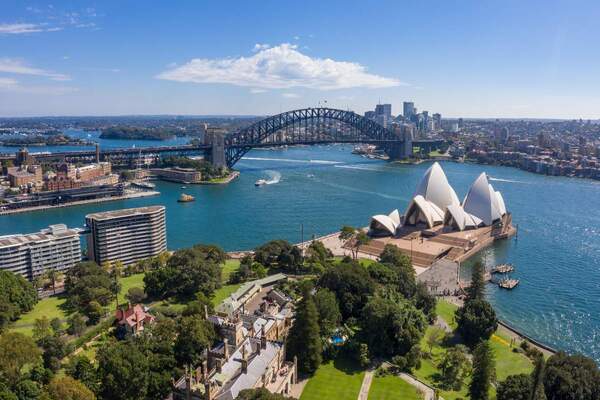
In 2020, the City of Sydney released a Smart City Strategic Framework to harness the opportunities brought about by digital disruption, to plan for uncertainty and to sustain a global reputation as a leading place to live, work, learn and visit.
A home should not be a bubble in the smart city, but part of the connected fabric for better living and quality of life, says Phil Brunkard, Republic of Things.
Greenshank Environmental’s platform enables developers to browse credits, view pricing and unit types, and purchase verified BNG and nutrient credits online.
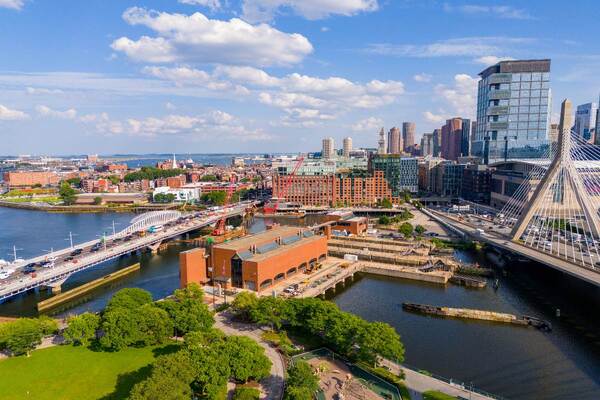
Seven Boston affordable housing developments will receive funding to advance retrofits and electrification as part of Climate Ready Housing grant programme.
Judges at the World Smart City Awards gala said Rome’s visionary strategy is leveraging data, 5G and digital twins to enhance urban governance, improve public services and build resilience.
Launched at Smart City Expo World Congress in Barcelona, the app store aims to make digital twin tools, services, and datasets easily accessible for cities.
Report looks at overall trends of UK councils’ climate action giving comprehensive oversight of where progress has been made and where action is still lacking.
The new planning controls were approved by council at its October 2025 meeting, after they were met with wide-ranging support during the consultation period.
Report spotlights where business and policymakers are making progress on key interventions to cut carbon in buildings, providing a playbook ahead of Cop30 to inform policy.
Boston Energy Saver programme is a resource to connect Boston residents with discounts and building upgrades that work best for their home or small business.
By using renewable infrastructure to support AI workloads, the town illustrates how municipalities can deploy AI responsibly without compromising climate goals.
The Global Observance of World Cities Day on 31 October will take place in Bogotá, Colombia, while Shanghai will host the 2025 SDG Cities Global Conference.
The block’s heating is based on a hybrid model that switches between geothermal and district heating according to which option has the lower carbon footprint.
$50m investment establishes LSE European City Leadership Initiative to equip local governments with the capabilities to drive progress and deliver results.
First-of-its-kind collaboration connects Atlanta Housing (AH) residents to discounted mobility options and new job pathways in Bird’s Atlanta operations.
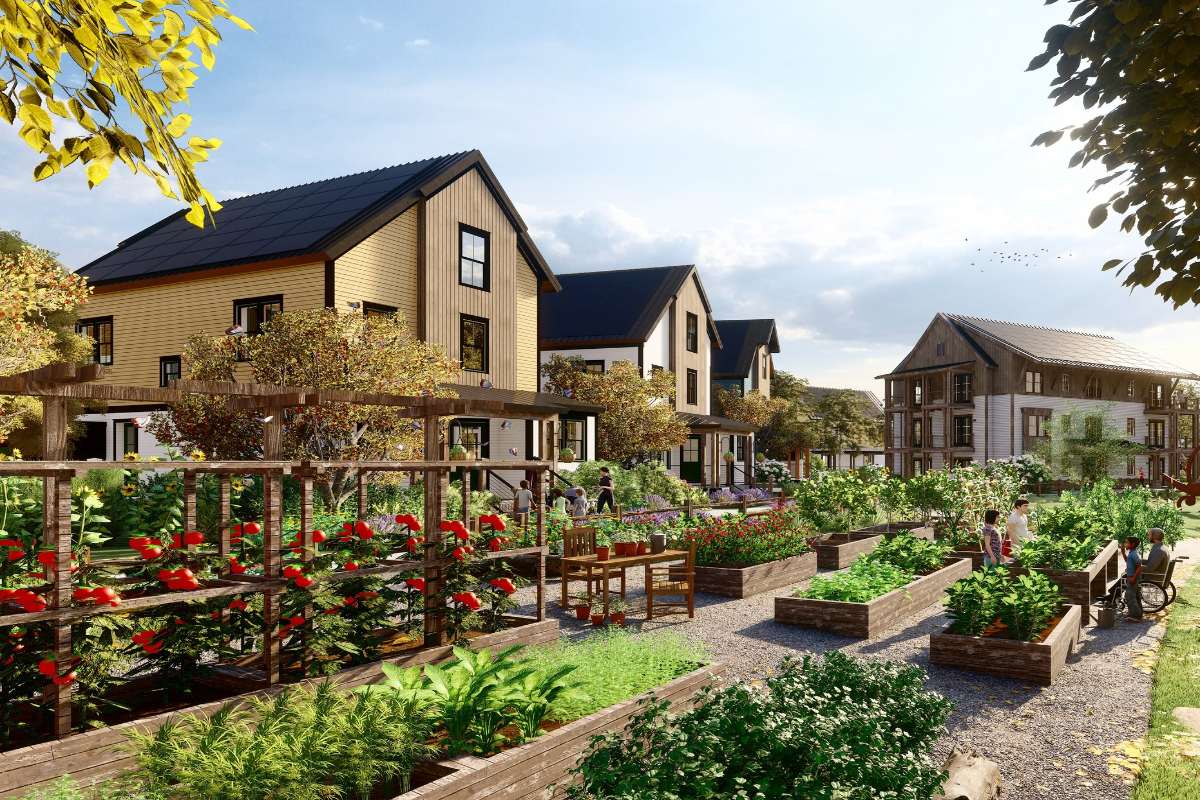
Thrive Collaborative and Sonnen are launching Veridian at the County Farm, 170 homes designed to operate as a resilient, self-balancing energy ecosystem.
Open Now provides interactive, up-to-date information on the availability and locations of resources including daytime cooling centres and hygiene amenities.
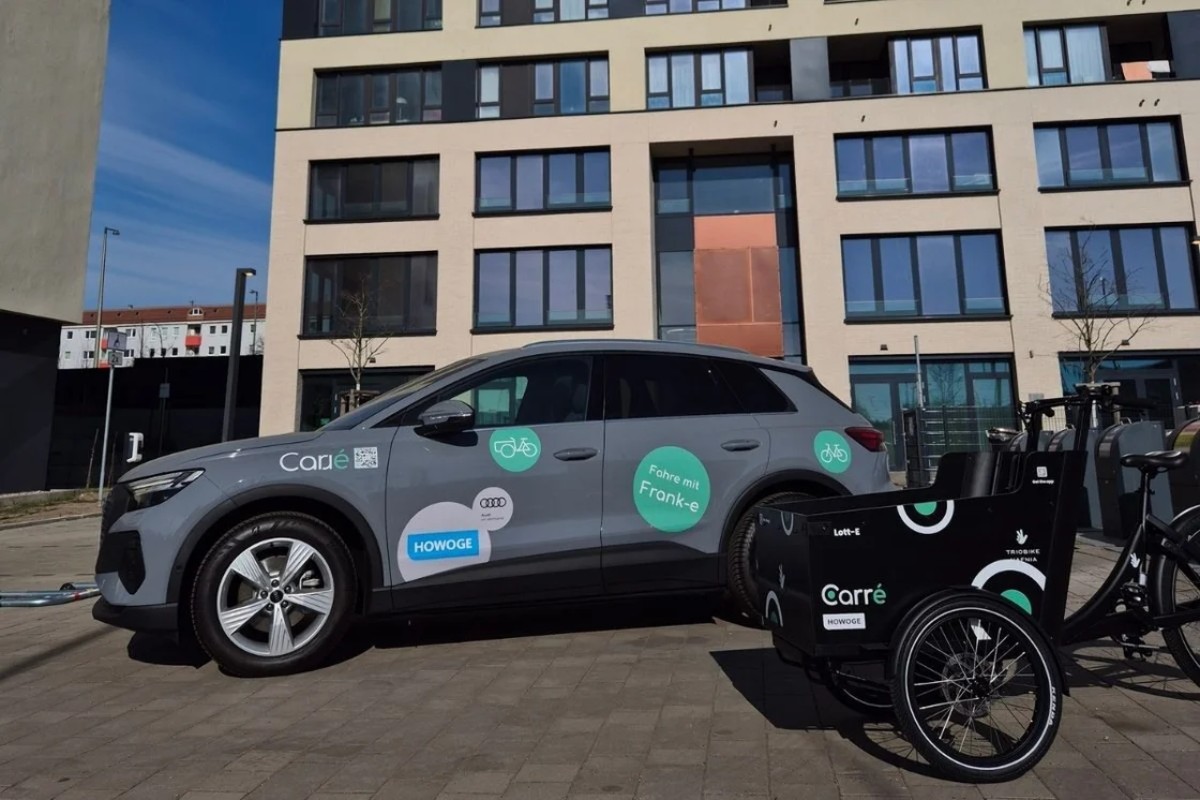
The company enables property developers and housing companies to offer profitable mobility solutions that comply with legal requirements and planning guidelines.
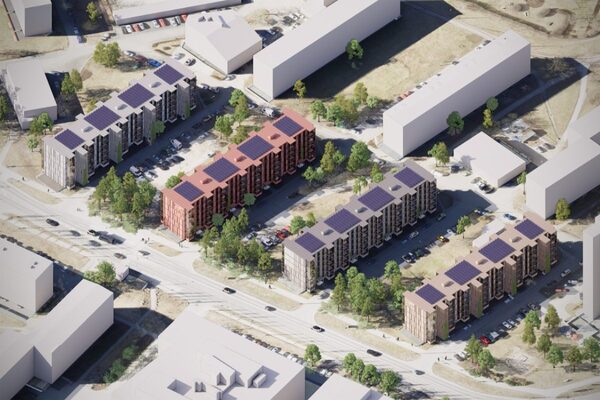
Project in the Mustamäe district of the Estonian capital focuses on neighbourhood involvement and aligns with the principles of the New Bauhaus in Europe.
Capital planning solution aimed at data centre development is purpose-built to support high-impact, upstream decision-making that drives long-term investment.
It is one of 19 local authorities joining Bloomberg Philanthropies’ i-team initiative, which provides support and expertise to tackle pressing local challenges.
The initiative aims to address Cleveland’s housing needs through modern building technologies that can reduce construction time, improve quality and lower costs.
It follows the city’s exploration of the benefits and challenges of building all-electric buildings to create healthier homes and ease cost-of-living pressures.
Finalists from 33 countries will receive $50,000 and support to test breakthrough ideas for improving life in cities in the Bloomberg Philanthropies challenge.
Highlights of the Phoenix Building Construction Code include electric vehicle readiness, water conservation improvements and alternative building materials.
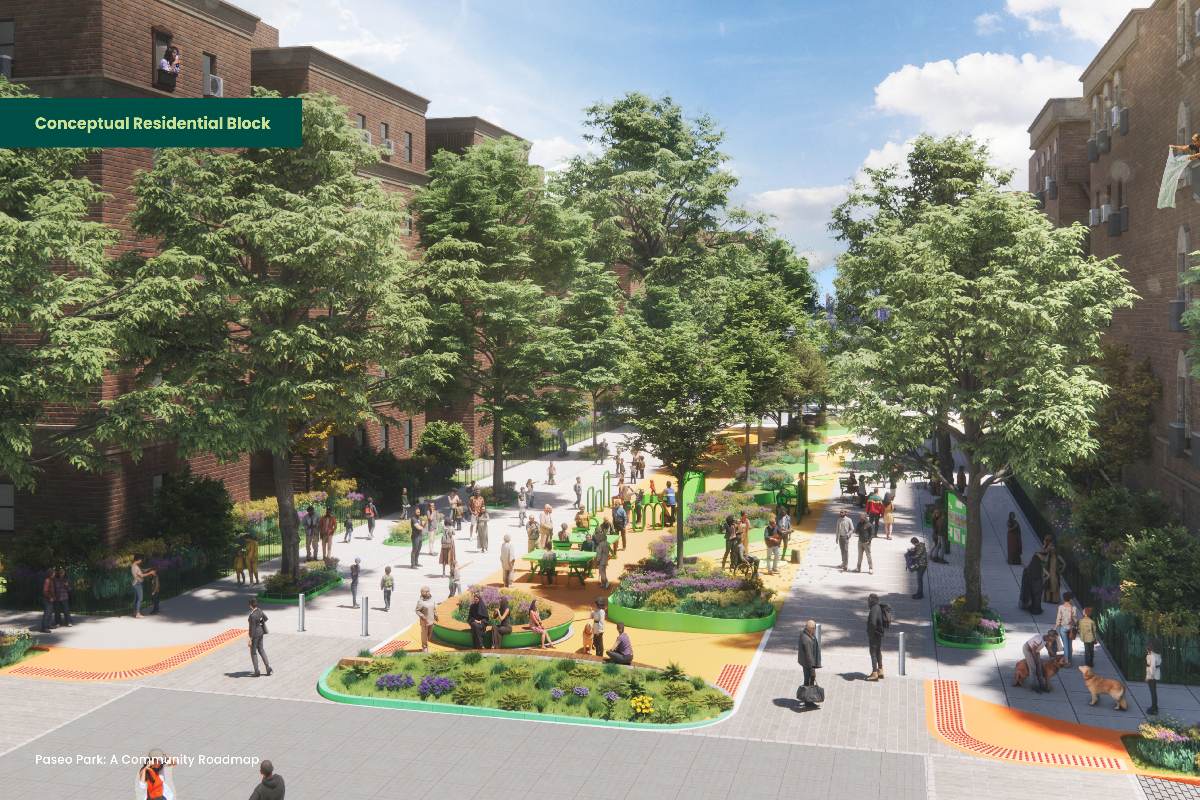
Paseo Park reimagines streets for people, tackling climate change and pilots solutions to ease the conflict between pedestrians, mopeds and micromobility.
The pioneering project is led by social and affordable housing developer Edaroth as part of its involvement in the UN Habitat Climate Smart Cities challenge.
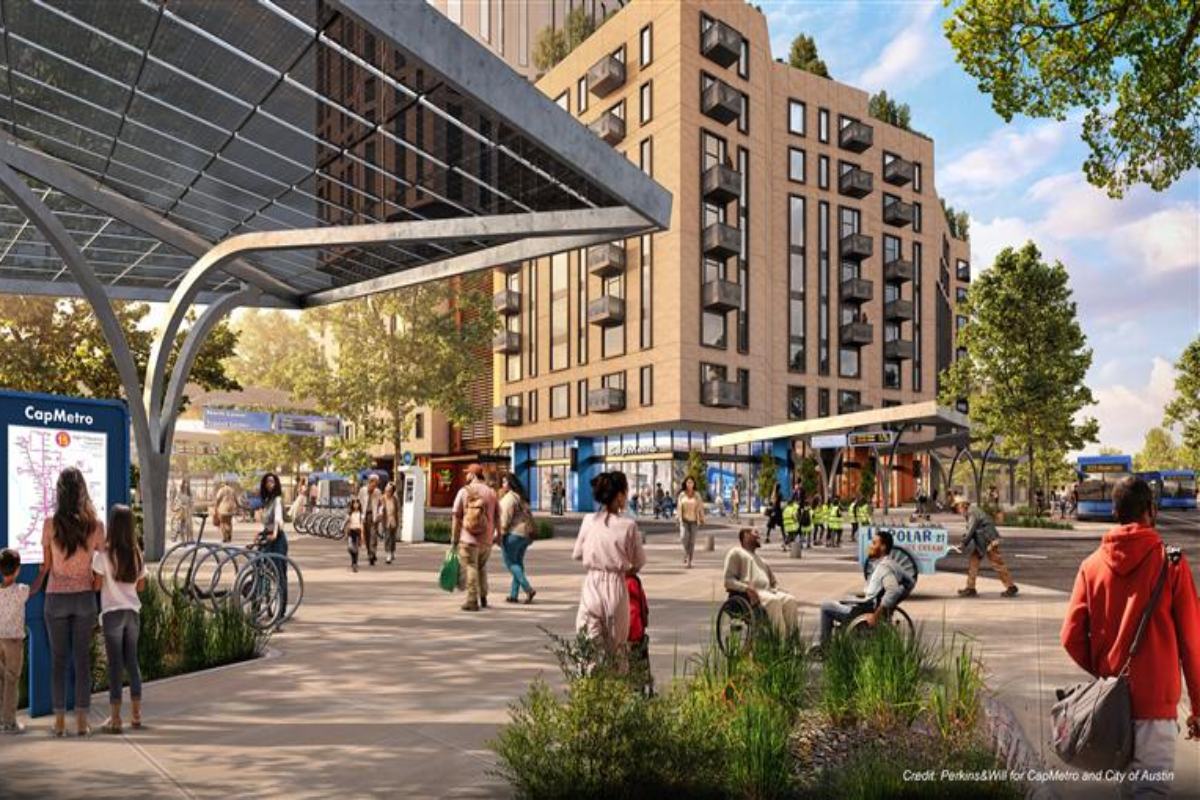
Plans envision equitable transit-oriented development for the two areas, which would enhance walkability and unlock new opportunities for affordable housing.
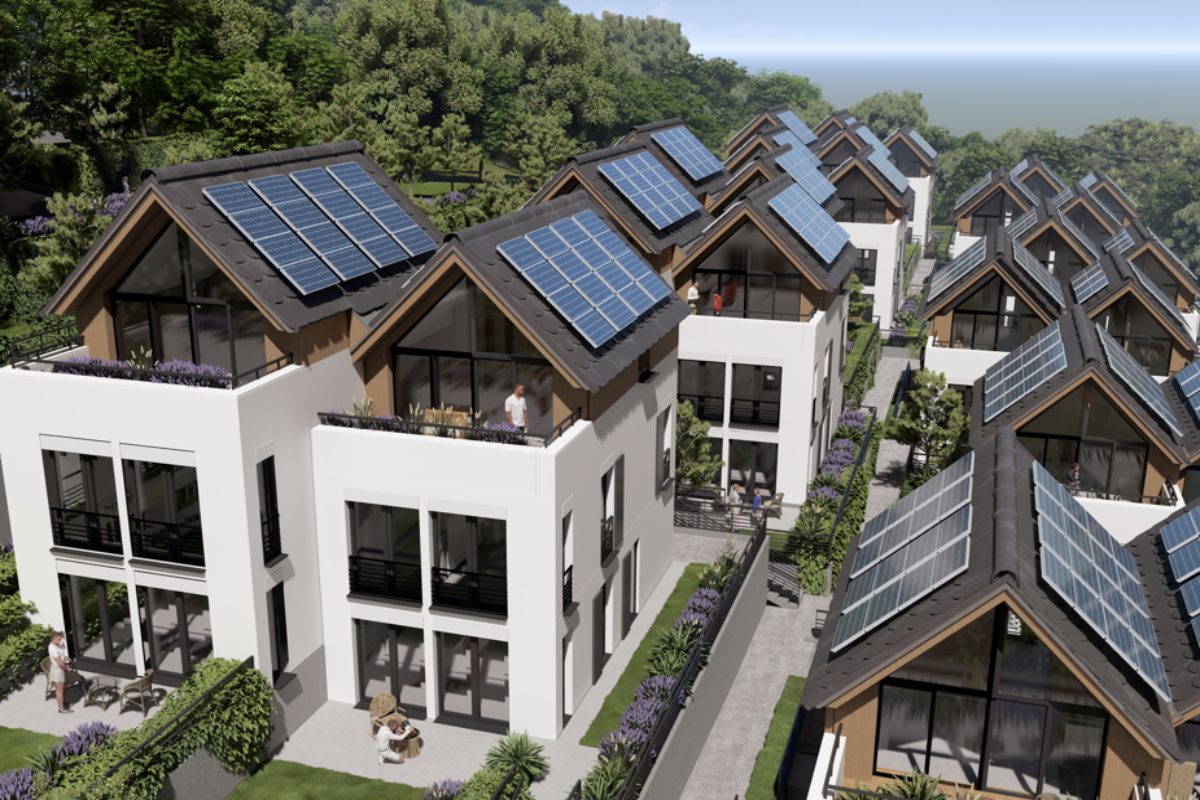
It aims to be a global benchmark for sustainable living and a method of fast-tracking decarbonisation while guaranteeing zero energy bills for residents.
City council and Santander team to survey 500 Milton Keynes residents to identify barriers they’re facing to improving the energy efficiency of their homes.
Report outlines a 12-step action plan to move the market towards delivering net-zero buildings at the scale and pace required to meet global climate targets.
Boston’s mayor Michelle Wu announces partnership with local utility companies to enable small property owners and tenants to access benefits of clean energy.
Cat Moncrieff, policy manager, Chartered Institution of Water and Environmental Management, explains how housing planners can tackle the UK’s growing water crisis.
The home in Romford Market features the latest advancements in eco-friendly construction and efficient living spaces, aimed at helping address housing needs.
The dashboard was created to be dynamic and evolving to reflect changes in operations and priorities over time across the city, as well as community input.
Octopus Energy is beginning trials in Suffolk, with the council offering £15k interest-free loan for residents to kit out homes with solar panels and battery.
Jeanine Jerkovic of the City of Surprise explains how the Greater Phoenix region city is deploying smart technologies to mitigate the unique challenges of rapid urban expansion.
The initiative aims to match small- and medium-sized businesses and community groups in the UK city with funders who can support their low-carbon projects.
Ordinance will allow the City to establish an independent nonprofit to serve as the Green Social Housing developer and increase the supply of affordable housing.
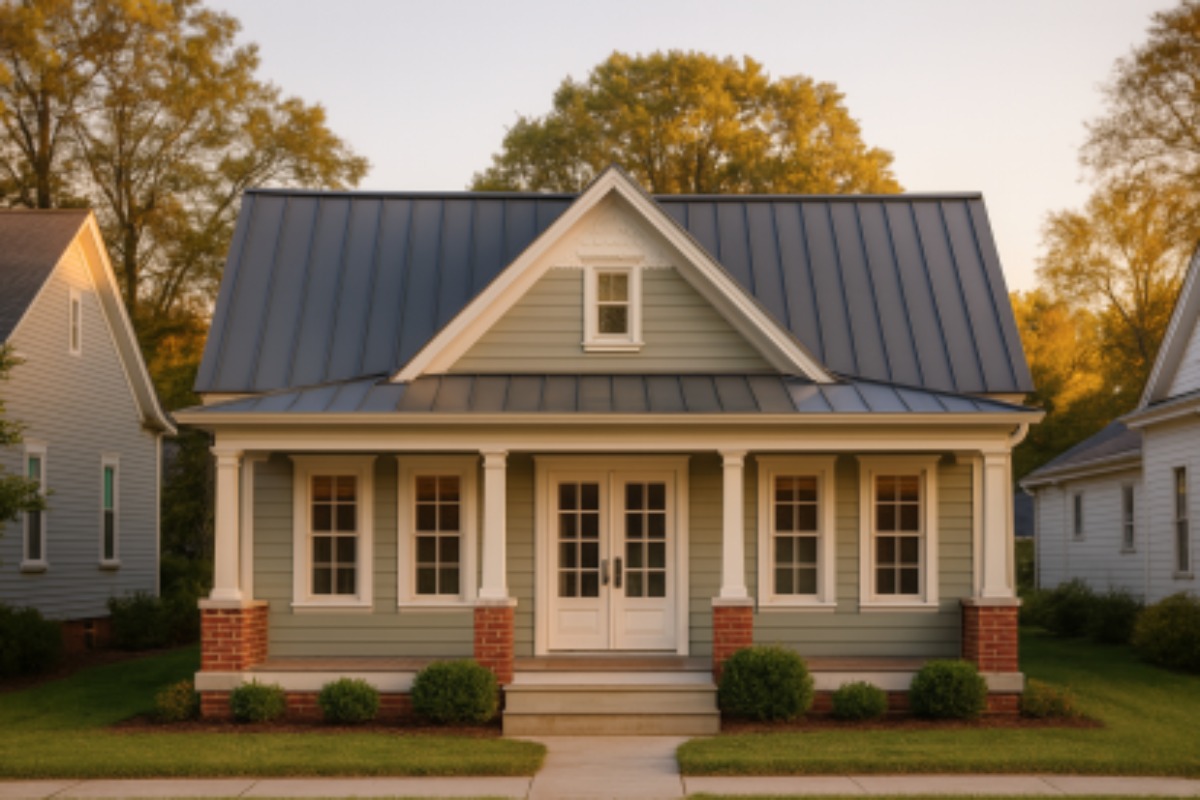
ModernHome aims to provide local authorities with stylish and comfortable homes for waitlists, offering a cost-effective alternative to temporary accommodation.
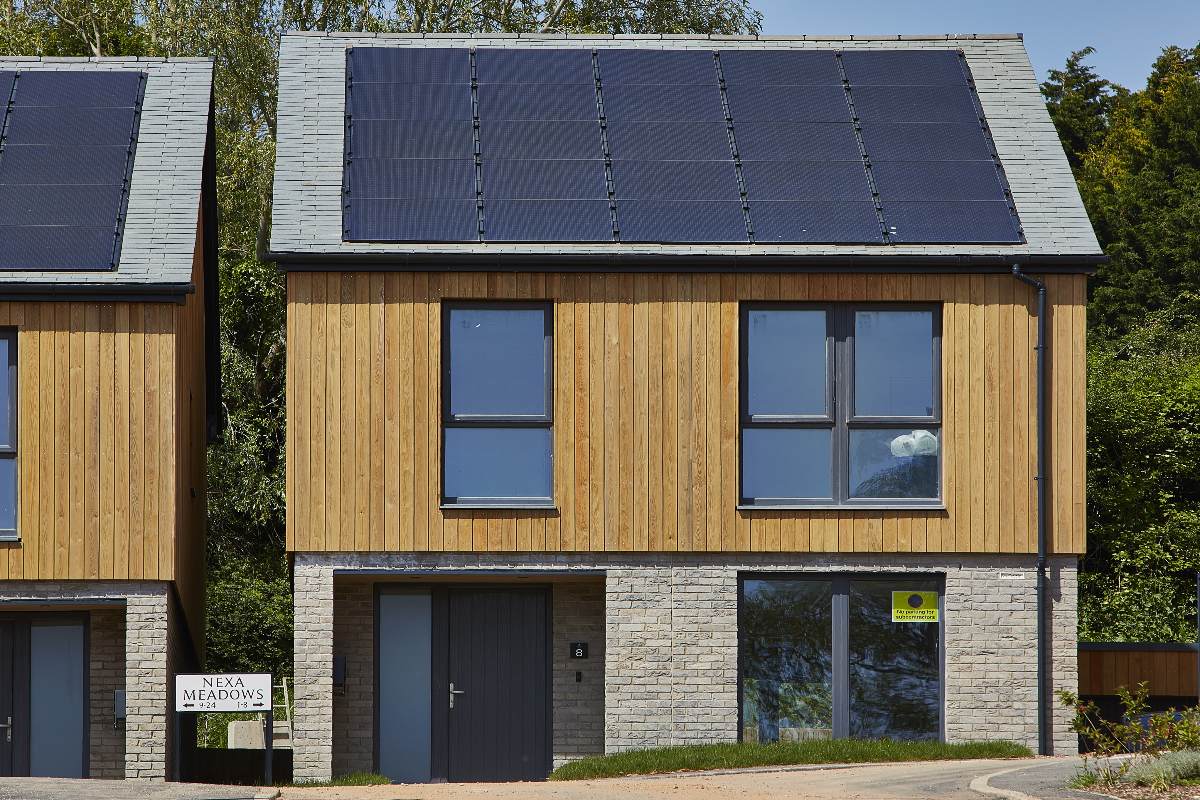
Octopus Energy and gs8 have announced the UK’s largest Zero Bills housing development, a scheme of 113 new homes in Essex, for which construction is underway.
Data from CDP, the world’s independent environmental disclosure system, reveals the urgent need for climate finance to support urban infrastructure projects globally.
Hannah Audino, buildings decarbonisation lead at the Energy Transitions Commission, explores the key findings and actions from the Commission’s recent Achieving Zero-Carbon Buildings report.
Enabled by Octopus Energy’s Zero Bills initiative, the homes in Schramberg will be powered by green tech, including solar panels, heat pumps and batteries.
Energy Trust of Oregon is working with CLEAResult on the New Buildings programme, a first-of-its-kind approach to grid-interactive efficient US buildings.
The six residents in the UK city of Exeter will pay nothing for energy, courtesy of green tech that makes homes eligible for the Octopus Energy initiative.
Project is delivered through a HousingTO 2020-2030 Action Plan initiative, which makes City-owned lands available to develop affordable rental housing.
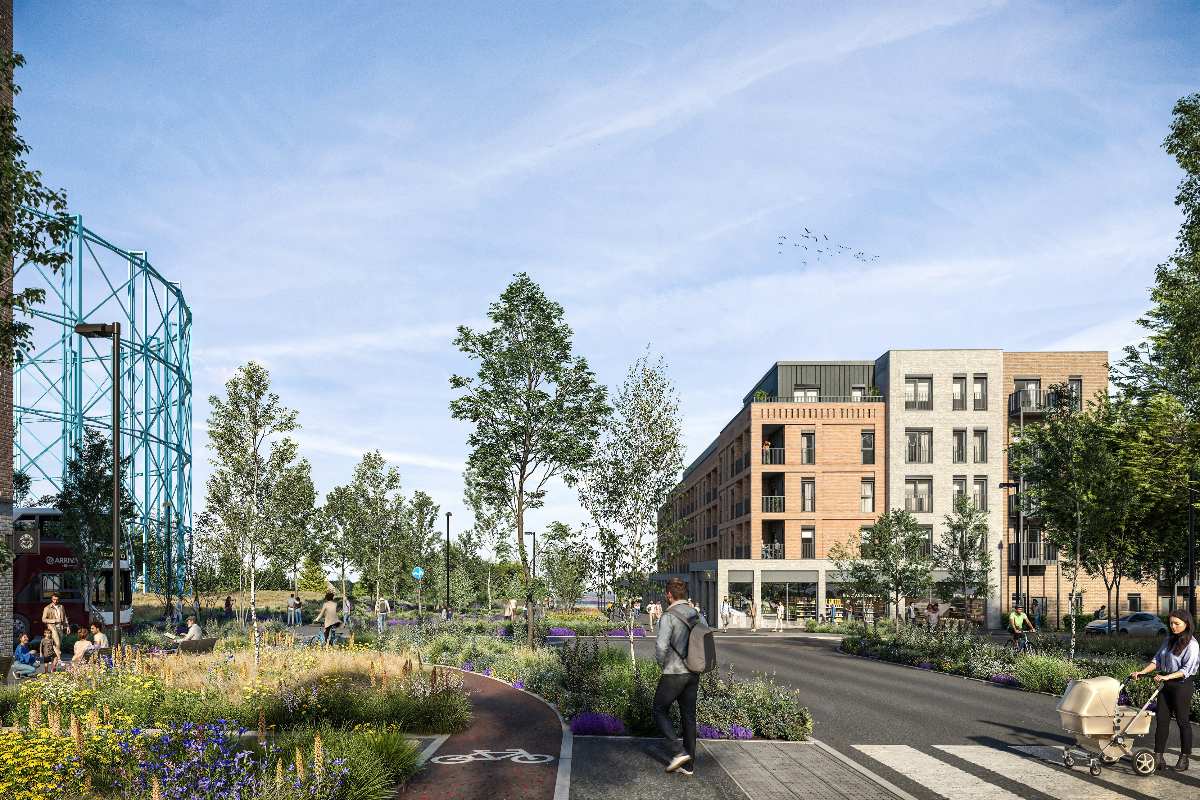
Development includes 847 net-zero ready homes on the city’s largest brownfield site, addressing the housing emergency and helping achieve climate action goals.
Three clean technology startups have been awarded $250,000 each in non-dilutive funding to help accelerate energy-efficient, resilient building technologies.
Partnership with the digital arm of Dubai Electricity and Water Authority will combine InfraX’s infrastructure expertise with Tuya’s smart home technologies.
The trial by smart energy company Ivie enables homes with low-carbon tech to test a subscription-style, flat-rate tariff that is not dependent on usage.
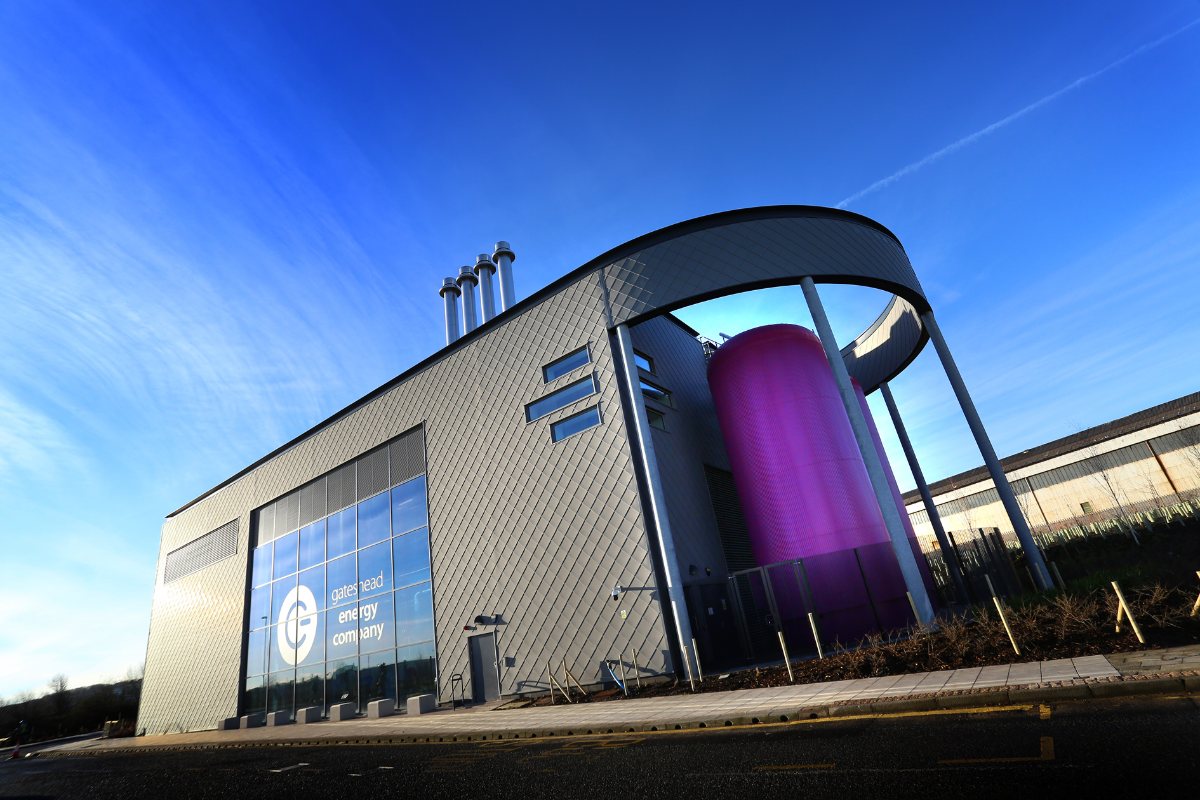
Projects funded under the Heat Networks Investment Project will supply over 700 GWh of lower carbon heat and cut more than 81,000 tonnes of carbon emissions.
Awards of $3.5m will help install decarbonising retrofits in buildings while applications are open for Technology Matching Fund Grants, aimed at digital equity.
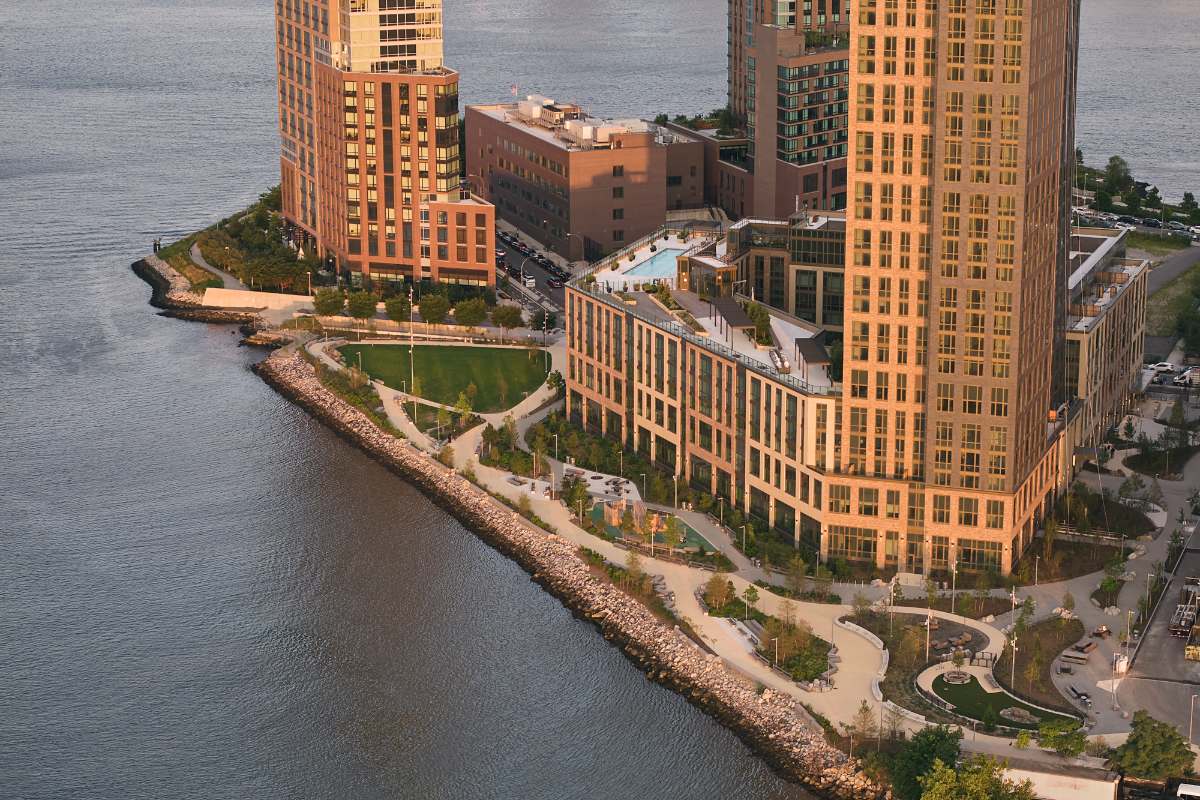
Malt Drive Park is an expansive development along Newtown Creek waterfront in Queens and has been designed with sculpted topography to mitigate flood risk.
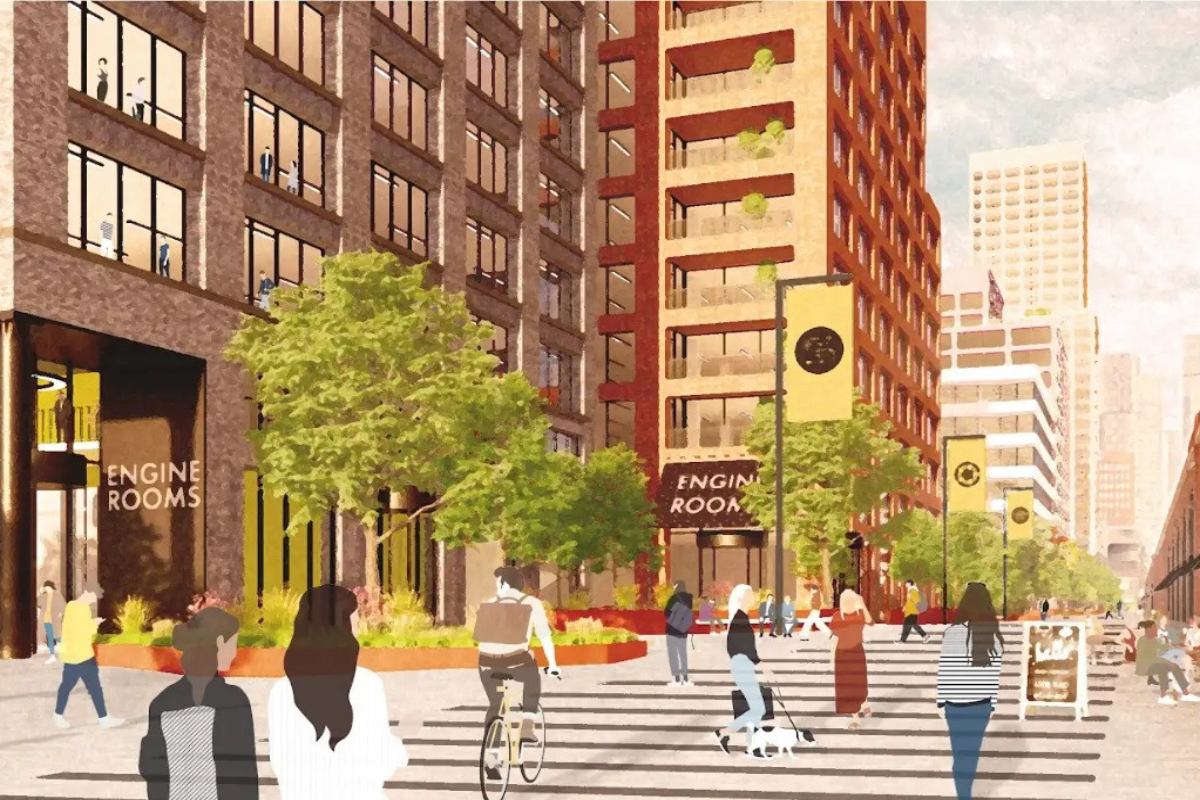
The project sees the transformation of University of Manchester’s North campus into a district to advance innovation across sectors, including digital tech.
US Department of Housing and Urban Development aims to provide best practices for mitigation, building community resilience and lowering cooling costs.
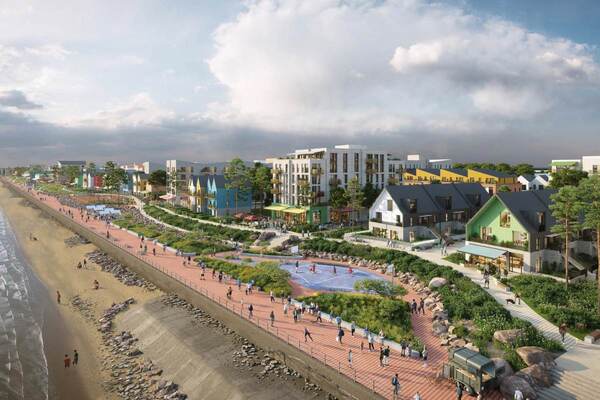
Draft plan for the environmentally friendly, coastal development in Seafield aims to help address the housing emergency that exists in the Scottish capital.
Investing in America Agenda will raise the bar for energy efficiency in buildings across the country, lowering energy costs and combatting climate change.
The programme will distribute $12.62m to 32 local governments, two states, and one Tribe to improve energy efficiency, and reduce greenhouse gas emissions.





![In the heart of the [smart] city, home is where the heart is](https://scwcontent.affino.com/AcuCustom/Sitename/DAM/014/Smart_Home_AdobeStock_139552469_SCW_rt.jpg "In the heart of the [smart] city, home is where the heart is")