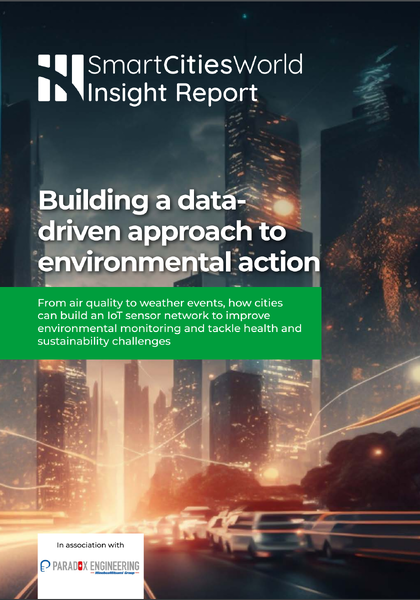












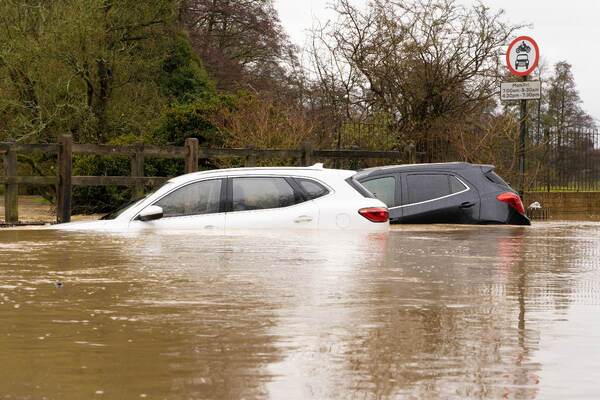


This report looks at how cities can build an IoT sensor network to improve environmental monitoring and tackle health and sustainability challenges. It features a case study on the Japanese city of Nasushiobara.

Cities are on the frontline of battling many of the world’s critical challenges from climate change and urban pollution to public health and inequality. City authorities know they need to act today but with pressure on budgets and public services already stretched, how can they ensure their actions deliver results in what is an increasingly pressing timeframe?
Implementing a network of environmental sensors that has the ability to feedback data in areas like air quality, water levels and extreme weather provides a way to tackle many of these interlinked challenges such as pollution’s negative impact on public health.
This SmartCitiesWorld Insight Report, produced in association with Paradox Engineering, explores how cities can implement and scale a network of environmental sensors that can analyse how a city is behaving in these crucial areas and help them devise strategies to make improvements.
The report covers:
In association with

Why not try these links to see what our SmartCitiesWorld AI can tell you.
(Please note this is an experimental service)
How can IoT sensor networks improve urban air quality monitoring?What technologies enable integrated environmental data analysis in cities?How do open system IoT networks enhance sustainability in smart cities?In what ways did Nasushiobara's sensor network aid earthquake response?How can LED streetlighting networks support environmental sensor deployment?