























BUILD YOUR OWN
RESOURCE LIBRARY



Virgin Hyperloop One kicks off US road trip
The mass transit system is being presented to state and local governments and stakeholders – including those in Ohio, Missouri and Texas, where feasibility studies are ongoing.


Richard Branson believes we could see a hyperloop in the US in years, not decades
The mass transportation system, Virgin Hyperloop One (VHO), has embarked on a summer roadshow, showcasing its XP-1 vehicle to cities around the US. The tour includes visits to Ohio, Missouri and Texas where there are feasibility studies taking place.
It kicked off on Capitol Hill in Washington DC, presenting the technology and viable routes to members of Congress and federal stakeholders at its event Hyperloop On The Hill.
NETT’s vision
Virgin claims the technology would transport passengers and goods three times as fast as high-speed rail and enable regional cities to connect just as local city subways connect neighbourhoods.
It wants to build on the momentum from US secretary of transportation Elaine Chao’s newly formed Non-Traditional and Emerging Transportation Technology (NETT) Council to support new and innovative transportation projects like hyperloops and self-driving cars.
“By working even more closely with federal partners to implement technologies like hyperloop, the Midwest Connect Corridor could knit together a megaregion from Chicago to Columbus to Pittsburgh”
The vision of the NETT Council is to develop and establish department-wide processes, solutions, and best practices to identify and manage non-traditional and emerging transportation technologies and projects, to provide assistance to local and state governments, and to conduct research to better understand the safety and regulatory needs of these technologies.
“We are seeing growing interest and excitement in the hyperloop vision from across the United States at both local and federal level,” said Sir Richard Branson, founder of the Virgin Group. “I believe we could see a hyperloop in the US in years, not decades.”
Project updates
Hyperloop On The Hill offered an inside look at current US developments, including in Ohio, Missouri, Nevada and Texas, and provided an update on making these projects a reality:
- The Dallas-Fort Worth Regional Transportation Council has launched a hyperloop feasibility study of a Fort Worth to Laredo route and an environmental impact study along a Dallas to Fort Worth corridor;
- The Mid-Ohio Regional Planning Commission is conducting a feasibility study of hyperloop technology along a Chicago-Columbus-Pittsburgh corridor, followed by components of an environmental impact statement along the same route;
- The Missouri Hyperloop Coalition has released results from the first hyperloop feasibility study in the US which confirmed the viability of a St Louis to Kansas City route;
- DevLoop, Nevada’s hyperloop test site, continues as an active test site.
The organisation also currently has projects underway in India, and the United Arab Emirates.
“We are seeing growing interest and excitement in the hyperloop vision from across the United States at both local and federal level I believe we could see a hyperloop in the US in years, not decades.”
Project updates
“Our region is at the forefront of new mobility technology with the smart city efforts of Smart Columbus, building and testing transportation technology, and planning a hyperloop corridor,” said William Murdock, executive director of the Mid-Ohio Regional Planning Commission (MORPC).
He added: “By working even more closely with our federal partners to implement emerging technologies like hyperloop, the Midwest Connect Corridor could knit together a megaregion from Chicago to Columbus to Pittsburgh. Doing so could improve the corridor’s global competitiveness, workforce opportunities, and quality of life for all three metro areas. That’s why we are excited for the NETT Council to develop and extend this smart transportation vision nationally.”
Virgin Hyperloop One has successfully operated a full-scale hyperloop vehicle using electric propulsion and electromagnetic levitation under near-vacuum conditions, realising a fundamentally new form of transportation that claims to be faster, safer, cheaper, and more sustainable than existing modes.
You might also like:
- World’s first full-scale hyperloop prototype under construction
- Game-changer
- Virgin takes stake in Hyperloop One
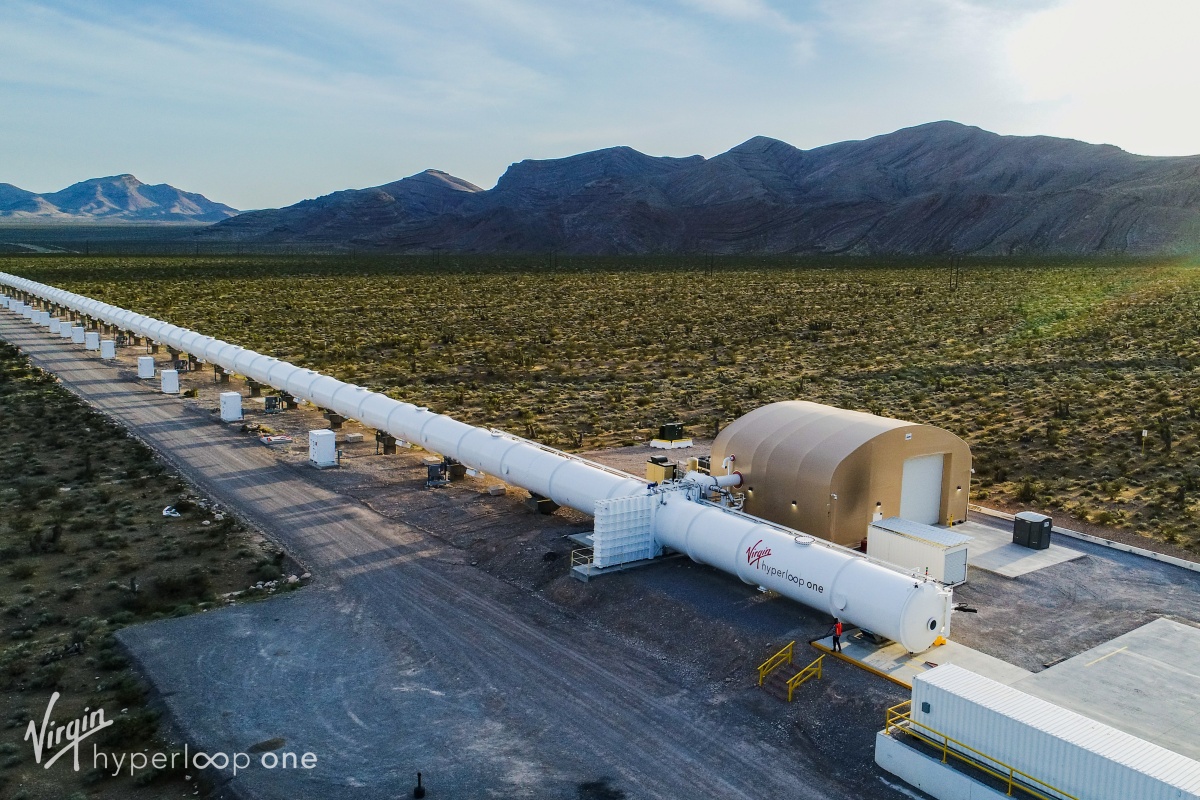
Virgin wants to build on the momentum of the newly formed NETT Council

The technology is being presented to state and local governments in the US
Why not try these links to see what our SmartCitiesWorld AI can tell you.
(Please note this is an experimental service)
How does Virgin Hyperloop One's technology improve regional connectivity?What are the key benefits of hyperloop compared to high-speed rail?Which US regions are currently conducting hyperloop feasibility studies?How does the NETT Council support emerging transportation technologies?What progress has been made at Nevada's DevLoop hyperloop test site?DevLooElaine ChaoFeaturedhyperloopMissouriNETTNevadaOhioRichard BransonSmart ColumbusTexasTransportVirginWilliam Murdock
Latest City Profile
Latest Summit Speakers
(22-26 June)
SmartCitiesWorld Newsletters (Daily/Weekly)
You may also like these related articles...
BECOME A MEMBER
© 2026 SmartCitiesWorld
Smart Cities World Ltd, 37 Lombard Street, London, EC3V 9BQ