








BUILD YOUR OWN
RESOURCE LIBRARY



Podcasts
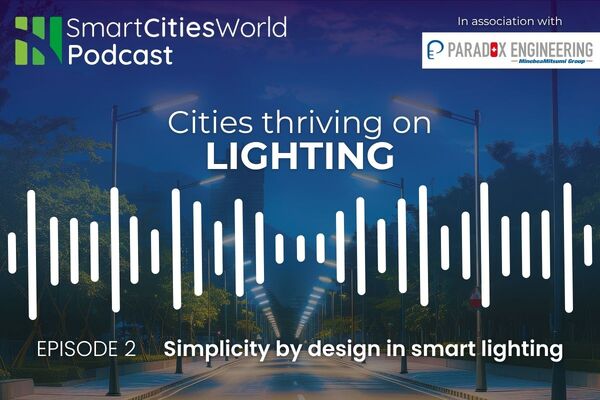
Cities Thriving on Lighting, Episode 2 – Simplicity by design in smart lightingSponsored by Paradox Engineering
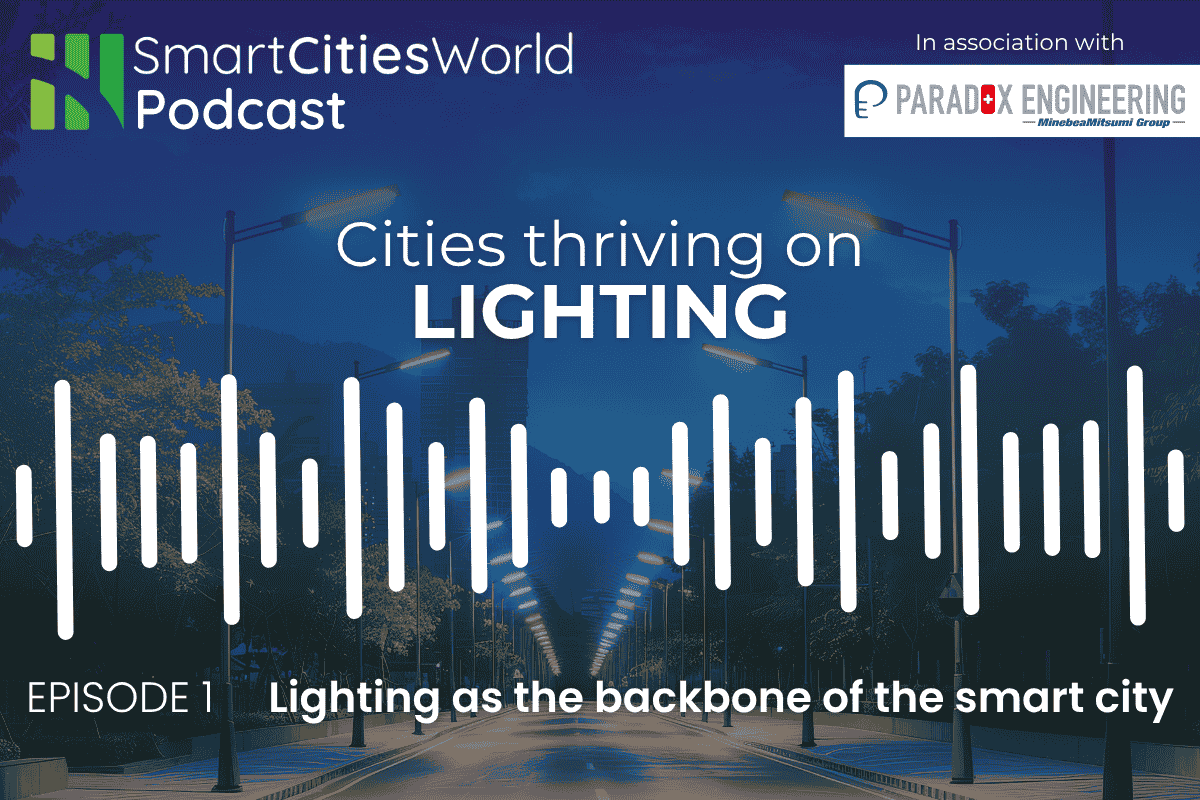
Cities Thriving on Lighting, Episode 1 – Lighting as the backbone of the smart citySponsored by Paradox Engineering
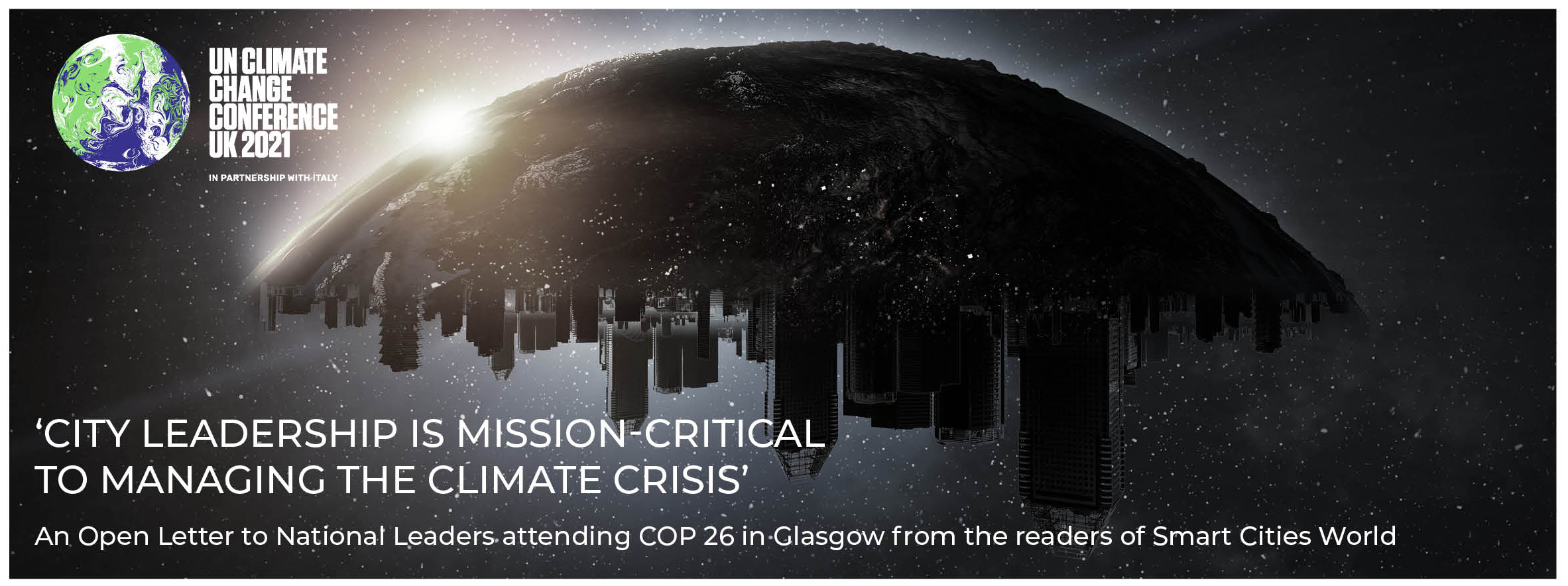
Most people now live in cities which are the epicentres of human activity. While covering 3 per cent of earth's surface, cities consume 78 per cent of the world's energy and produce more than 60 per cent of greenhouse gas emissions.
With this in mind, SmartCitiesWorld and our Advisory Board (made up of cities, city networks and industry experts) have put forward 10 principles that we believe should be reflected in any COP26 agreement. (You can read our Special Report by our Editor, Luke Antoniou)
These principles will help us all in the move towards net zero carbon emissions and also immeasurably improve the lives of a city's citizens.
Pledge your support and help SmartCitiesWorld spotlight the critical role cities will play in delivering a sustainable future, and how important it is that they are given the full support of national governments in doing so.
Add your name to the SmartCitiesWorld Open letter to COP26 leaders
With this in mind, SmartCitiesWorld and our Advisory Board (made up of cities, city networks and industry experts) have put forward 10 principles that we believe should be reflected in any COP26 agreement. (You can read our Special Report by our Editor, Luke Antoniou)
These principles will help us all in the move towards net zero carbon emissions and also immeasurably improve the lives of a city's citizens.
Pledge your support and help SmartCitiesWorld spotlight the critical role cities will play in delivering a sustainable future, and how important it is that they are given the full support of national governments in doing so.
10 Principles

INCLUSION: Including all citizens in decision making drives the best results. The hallmarks of good city governance are participation, transparency, accountability and open data.

DIVERSITY: Encouraging diversity is a key principle in fostering city-scale resilience and sustainability.

RESILIENCE: Cities with a resilience strategy are better equipped to protect their citizens and environment from the worst effects of climate change.

WELLBEING: City strategies measured by wellbeing indices deliver better long term outcomes than cities driven by economic measure alone.

GREEN SPACES: The cities that create and preserve green spaces for native trees and flora create bigger long-term resilience, wellbeing, and prosperity for their citizens and the bio-sphere.

NATIONAL-LEVEL SUPPORT: Cities committing to net-zero targets and a 'just transition' should be actively encouraged and supported by national government programmes to help nations achieve their ambitions.

INFRA-STRUCTURE: The best cities give citizens access to infrastructure that provides physical safety, clean sanitation, waste disposal, clean air, a renewable energy supply, digital connectivity.

SYSTEMS THINKING: Nations that equip leaders with systems thinking, including the ability to build on system synergies and circular economy principles, are most likely to meet their challenging net zero targets.

DIGITAL TECHNOLOGY: Cities using secure digital technology to measure and manage activity across city-systems are more able to bring about effective local change then those without the data.

HEALTHY TRANSPORT: Prioritising active transport, then public transport, then private transport is the way to go.
Add your name to the SmartCitiesWorld Open letter to COP26 leaders
Total Signatories: 423 (last updated 8 November 2021)
Signatories and supporting Cities/Organisations include:
Resilient Cities Network

Leading Cities (USA)

Glasgow City Council (COP26 Host City)
_rt.png "City of Philadelphia (USA)")
City of Philadelphia (USA)

City of Burnsvillle (USA)

City of Edmonton (Canada)

São Paulo Municipal Government (Brazil)

City of Portland (Maine)
 (3).png "City of Athens (Greece)")
City of Athens (Greece)

City of Bedford (USA)

Bristol City Council (UK)

City of Johannesburg (SA)

City of Kiel (Germany)

Auckland Council (New Zealand)

Connected Places Catapult

City of Stuttgart (Germany)

Kampala Capital City Authority Kawempe Division (Uganda)

Virgin Islands Government

City of Peachtree Corners (USA)

Coventry City Council (UK)

Telensa

GA South Municipal Assembly (Accra, Ghana)

Subang Jaya Municipal Council

Muscat Municipal Council (Oman)

Bilbao City Council

City of Tshwane Municipality

Lisbon Municipality

Quebec City

World Smart Sustainable Cities Organization -WeGo

Southampton City Council

Nokia

Fiware Foundation

Ashden

ThoughtLab

Personal Cities (USA)

Nottingham Trent University

ATOS

Fotech

University of Lagos

AMBER Centre, Trinity College Dublin

Signify

Paradox Engineering

MVV Energie AG

Swiss Telecommunications Association (asut)

Kurrant Insights

Libelium

LACROIX

WSP Global

AirLabs

PMP Urbanist

Maynooth University

Univrses AB

ITSO

See.Sense

Institute for Urban & Regional Research of the Austrian Academy of Sciences

German University of Cairo

University of Jos (Nigeria)

Vitor Telecom

URENIO - Aristotle University of Thessaloniki (Greece)

SSE Energy Solutions

Intelligent Community Forum

Mayflower Smart Control

ST Engineering

Trafi

National Building Specification

SKG Technologia Sas

E4 The Future

The Technical University of Civil Engineering of Bucharest
BECOME A MEMBER
© 2026 SmartCitiesWorld
Smart Cities World Ltd, 37 Lombard Street, London, EC3V 9BQ