As the popularity and inevitability of smart cities expand, so too does a cybercriminal’s opportunistic attack surface. Keiron Shepherd, F5 Networks, evaluates the risks.
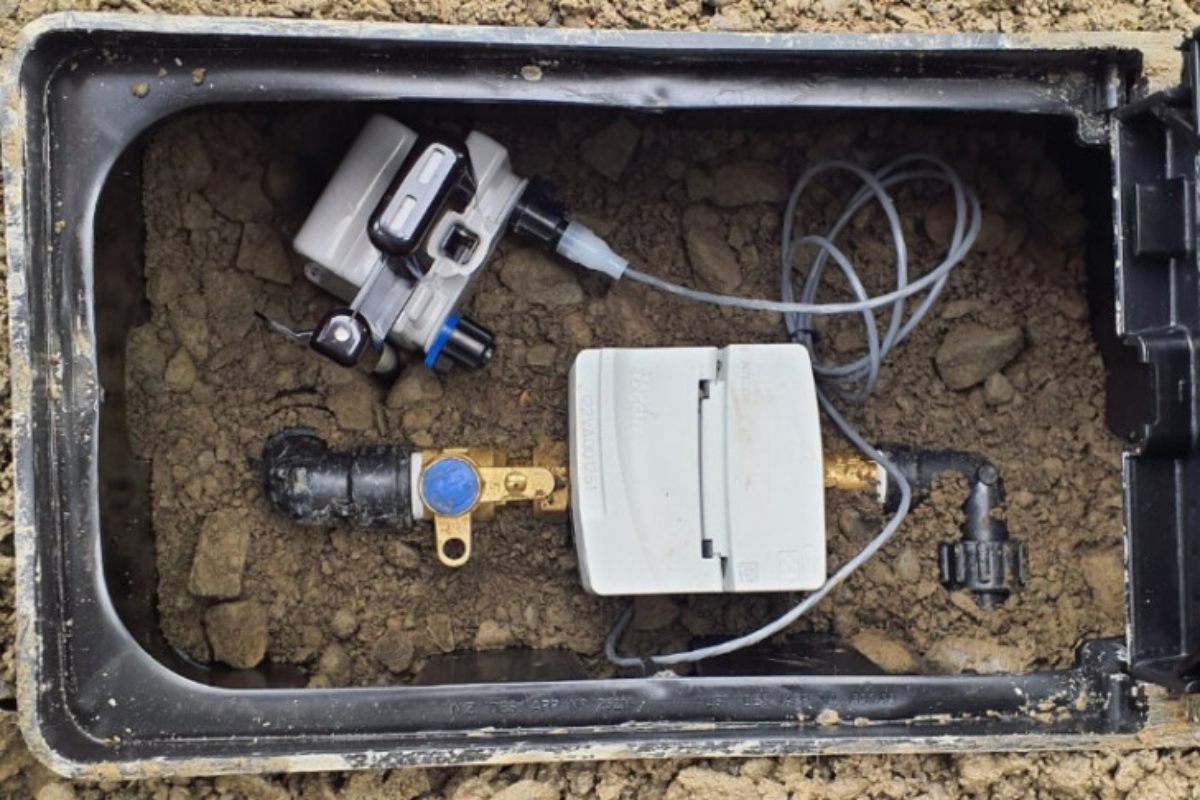
Collaboration includes upgrading 10,000 existing mechanical meters to improve the accuracy and reliability of water consumption data collected on the island.
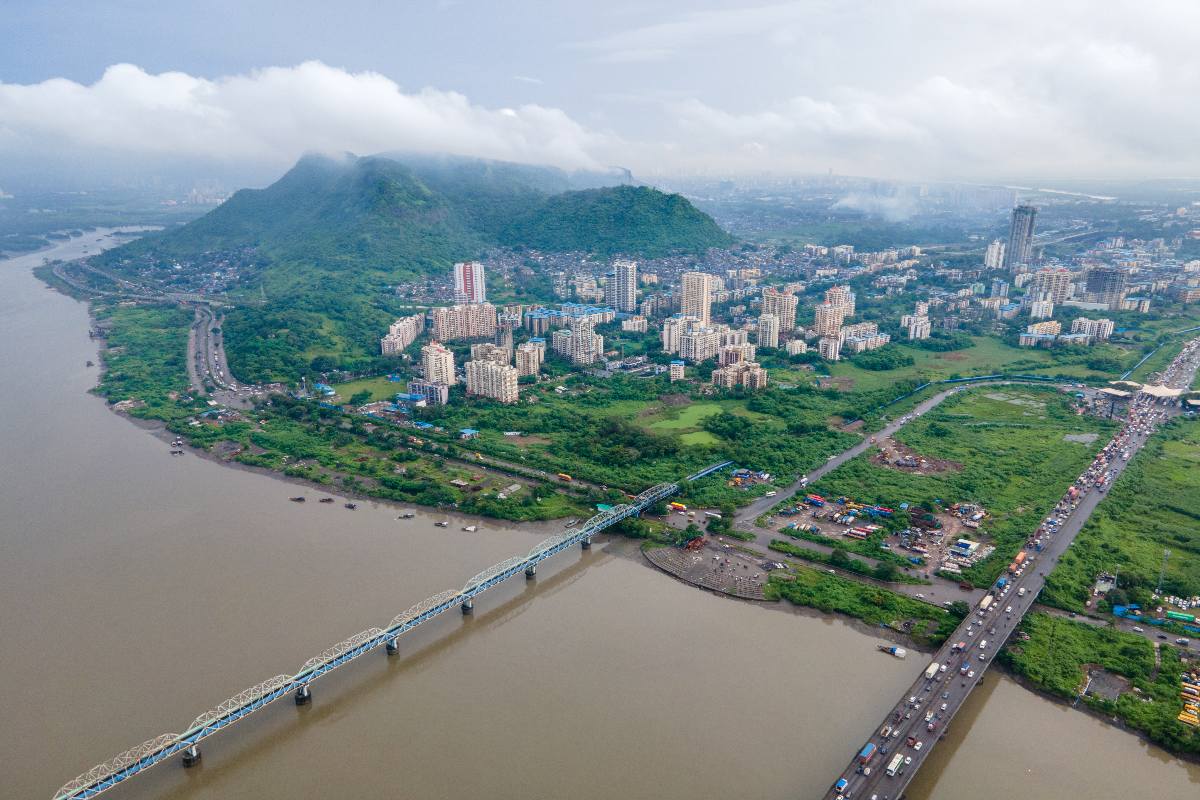
Thane Municipal Corporation’s smart water metering project in India aims to improve leak detection, billing accuracy and water distribution operations.
Water-purifying mushrooms, 3D printed infrastructure and AI-enabled microphones to monitor river life are among the winners of the sixth water sector challenge.
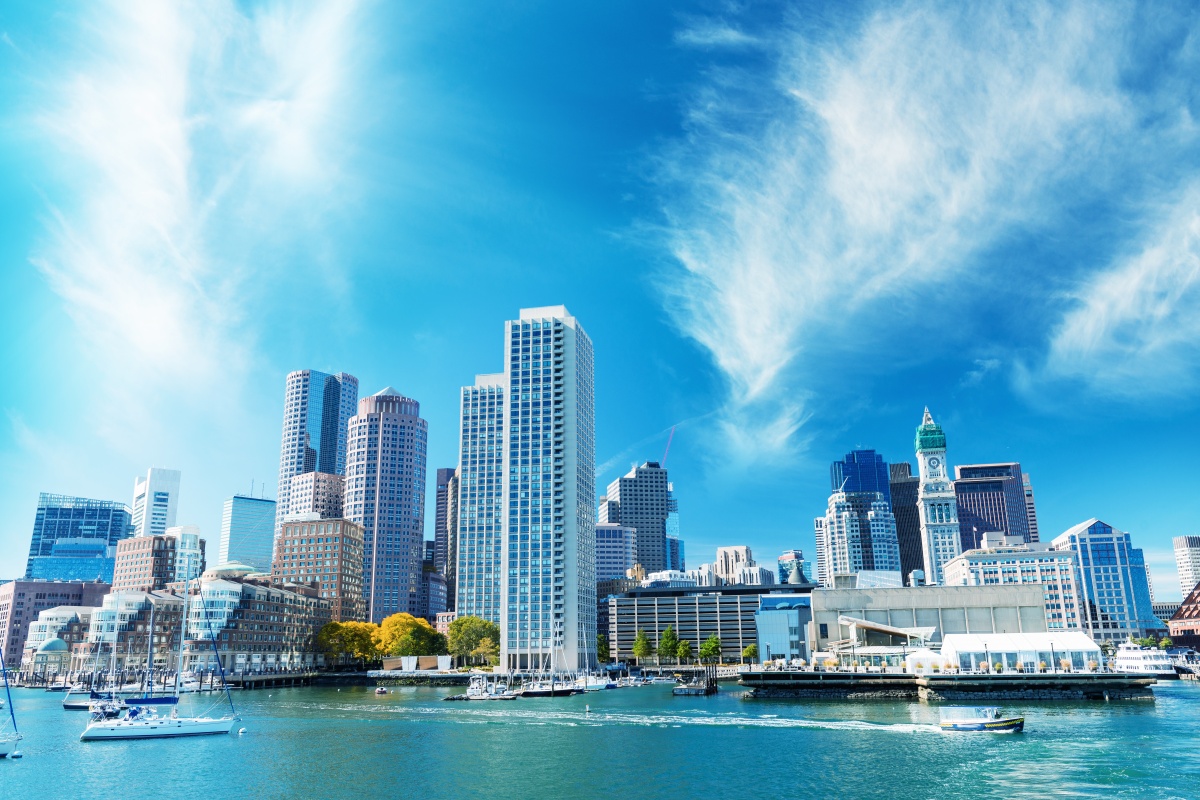
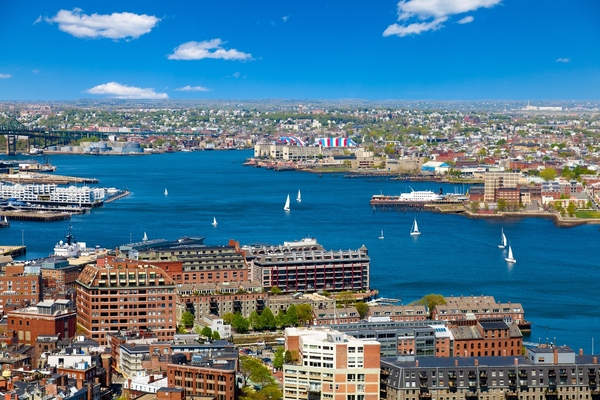
The City’s plan provides a roadmap for how Boston will achieve net zero emissions by 2050 and increase resilience against sea level rise and extreme weather.
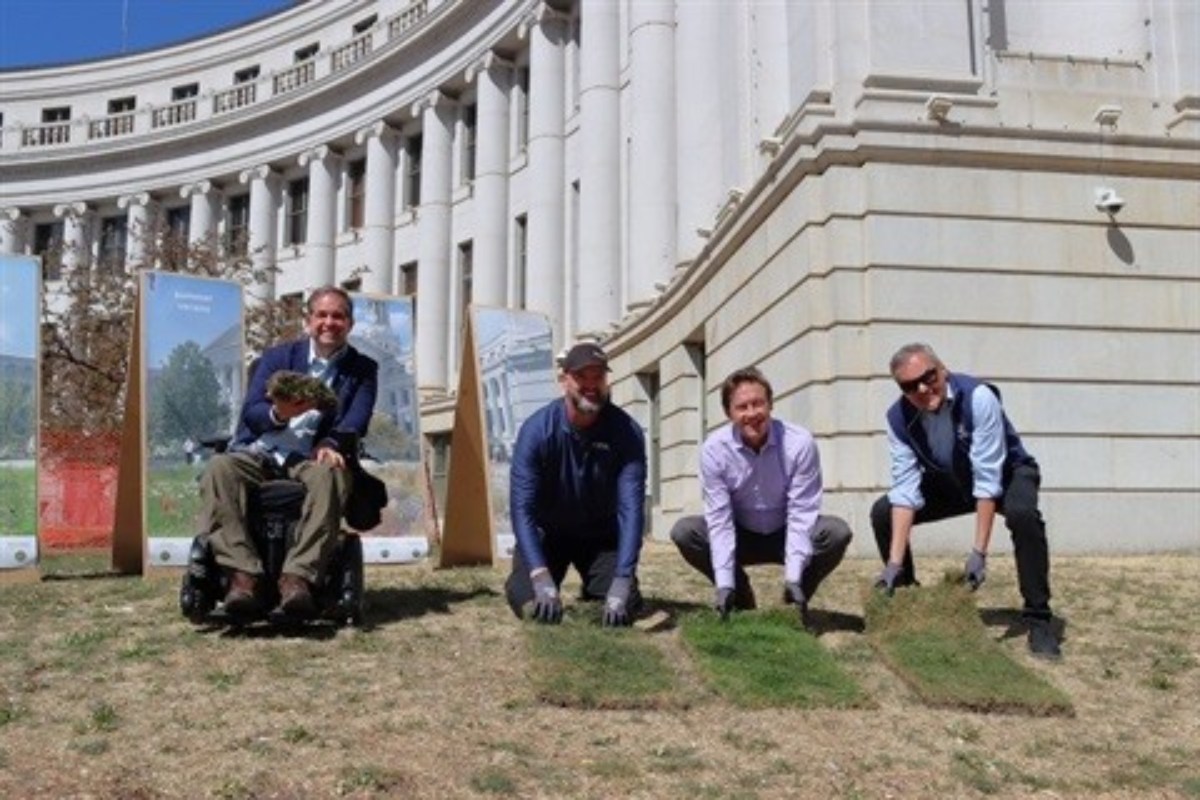
It is converting turf around Denver City and County Building to a diverse landscape of primarily native grasses and wildflowers which will conserve water.
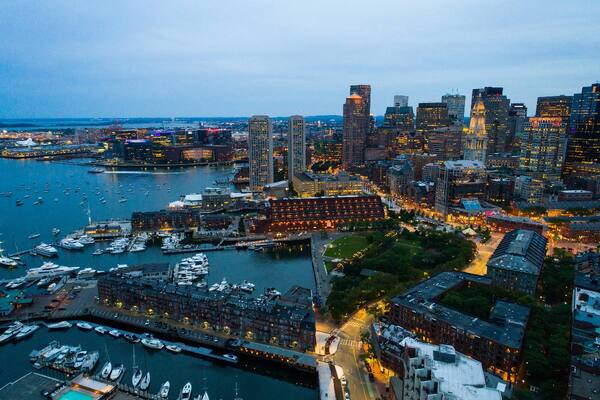
The City and the Mass Clean Energy Centre have announced $500,000 in funding to explore the feasibility of using clean thermal energy from Boston-area water.
It comprises 50-plus actions creating a path for the City to reach carbon neutrality by 2045, double local solar production and install 120,000 EV chargers.
The Resourcefulness Digital Badge is designed for those who want to deepen their knowledge of energy and water and put it to use for a sustainable future.
Version 3.0 of the International Water Stewardship Standard gives companies a strengthened framework to manage growing water risks and disclosure demands.
Projects include repairing infrastructure to unlock housing, building early warning systems to mitigate weather emergencies, and turning waste into school meals.
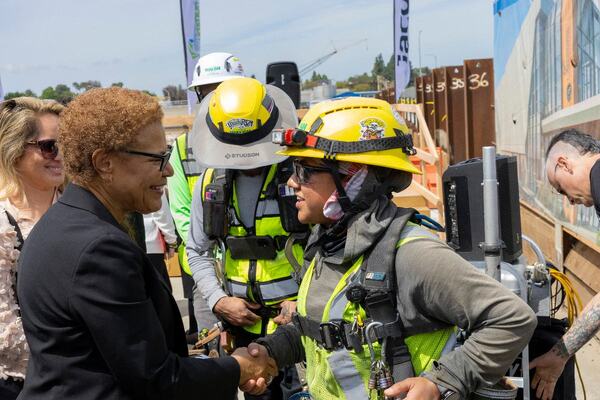
PowerCorps connects residents with hands-on jobs training and expands career pathways, strengthening neighbourhoods and building a climate-ready workforce.
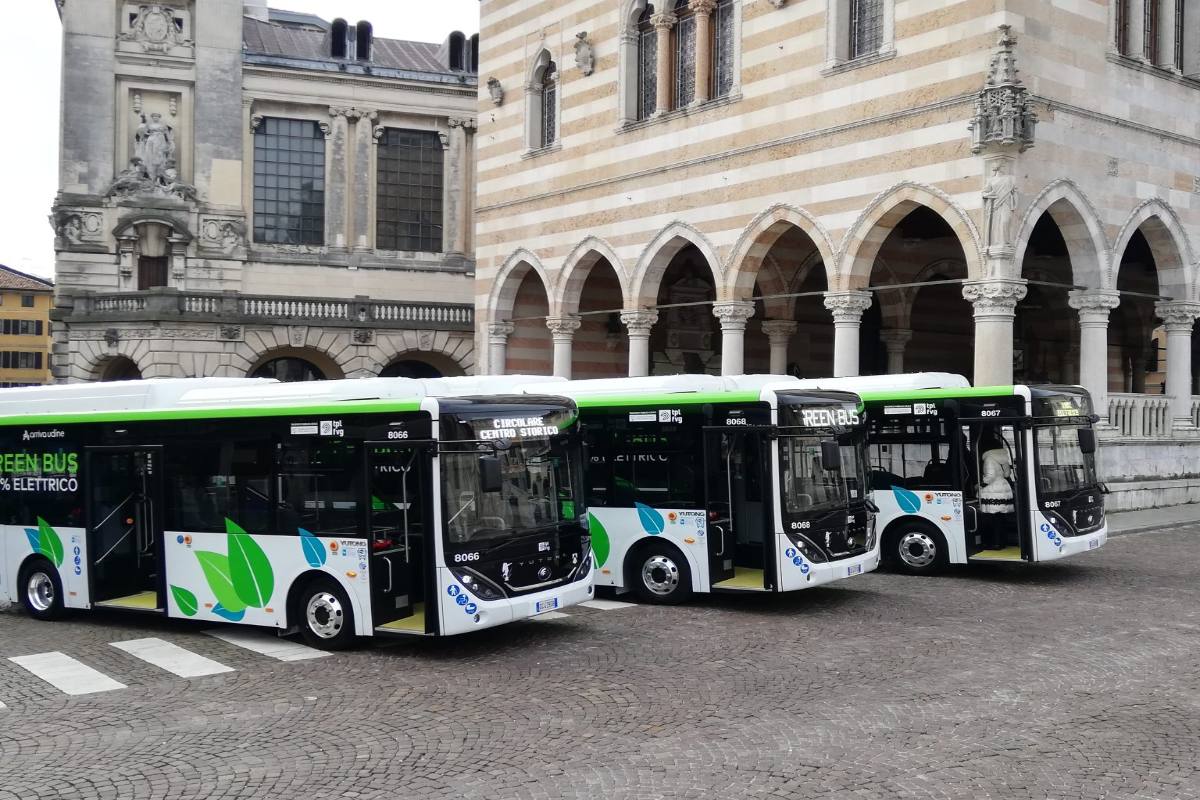
The EU sustainability project was led by Arriva and trialled new ways to capture, filter and reuse fresh water and rainwater at three bus depots in Europe.
Report finds AI could add 30 trillion litres of annual water demand, but reuse and infrastructure investments can help offset demand and protect communities.