




BUILD YOUR OWN
RESOURCE LIBRARY



Opinions
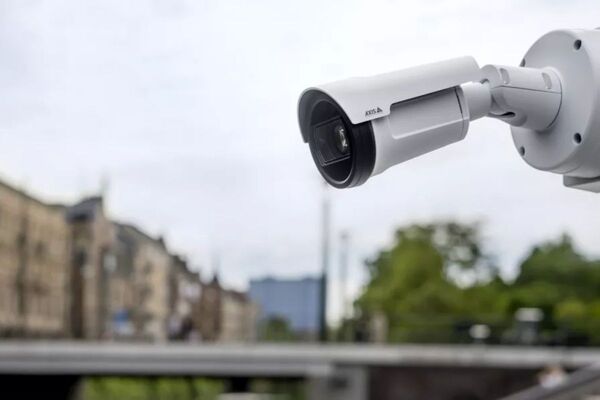
Beyond video: how cameras as IoT sensors are changing city safety operationsSponsored by Axis Communications

Building smarter cities: scaling sustainability and efficiency with smart city platformsSponsored by ST Engineering
Roundtables, Workshops and Networking Drinks: Barcelona 2025 (during Smart City Expo World Congress)
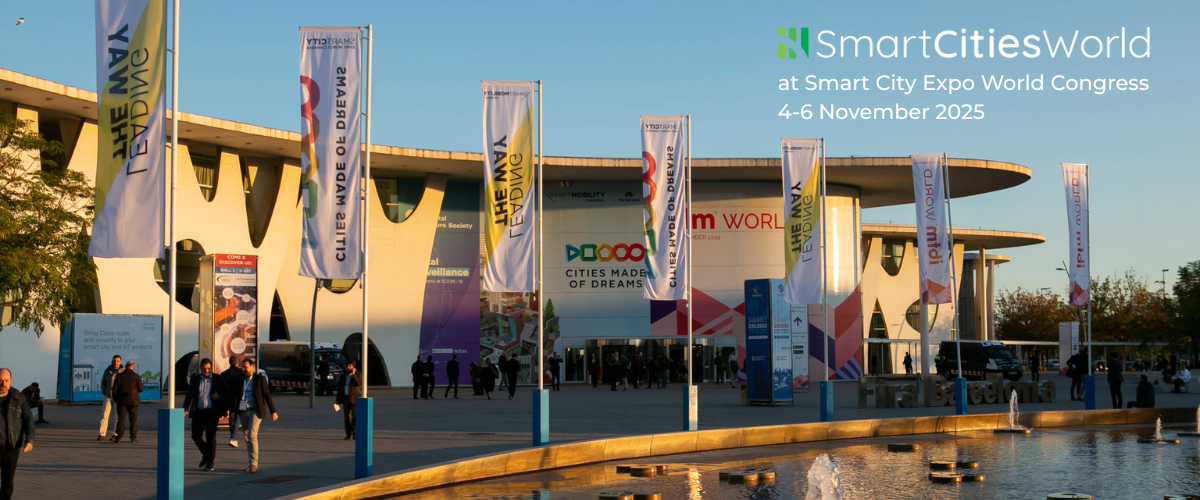
In 2025 for the ninth year running, SmartCitiesWorld hosted an inspiring array of roundtables, workshops and drinks receptions at Smart City Expo World Congress in Barcelona. Designed for representatives of cities, local and regional governments to gather to share knowledge and collaborate for a smarter, more equitable future, SmartCitiesWorld is proud to be running events at Expo World Congress 2026 again. If you’re looking to attend any similar events during Expo in 2026, please register your interest here.
23 October 2025 Pre-Barcelona Virtual Workshop: City Transportation
Keynote: Charbel Aoun, Smart City and Spaces Director at Nvidia
Scene Setter: Andy Emmonds, Chief Transport Analyst, Transport for London
Cities are under pressure to deliver efficient and resilient mobility systems while coping with rapid urbanisation, congestion, and environmental goals. AI can help optimise road and rail assets, extend the life of physical infrastructure, and enable better planning for future demand. The integration of transport infrastructure with digital tools is emerging as a critical enabler.
Learn how this roundtable, in partnership with Dell and NVIDIA, allowed attendees to gain valuable insights on how AI and data analytics can enhance predictive maintenance, traffic optimisation, multimodal planning.
23 October 2025 Pre-Barcelona Virtual Workshop: Safety and security operations

Scene Setter: Charbel Aoun, Smart City and Spaces Director at Nvidia
Scene Setter: Denys Nazarenko, CIO Advisor, Kyiv City Administration
The resilience and protection of urban infrastructure are critical in ensuring safe and liveable cities. AI can enhance monitoring, detect vulnerabilities, and optimise responses to both physical and digital threats. In the context of critical assets – from energy grids to public spaces – AI tools can help cities anticipate risks, strengthen operations, and safeguard public trust.
Find out more on how this roundtable, in partnership with Dell and NVIDIA, allowed attendees to gain valuable insights into the challenges encountered during the adoption process of these technologies (technical, organisational, regulatory, public trust) and how they can be addressed.
4 November 2025 (12pm - 2pm) Roundtable: Building urban AI sovereignty – from infrastructure to intelligence
Scene Setter: Pierre-Manuel Patry, Akila - Case Study: Monaco’s Monte-Carlo station and SNCF
As artificial intelligence and digital twins become central to how cities operate and evolve, a new paradigm is emerging – one in which cities shift from adopters of innovation to enablers and owners of it. This roundtable explored how city governments can take control of their AI and simulation strategies by building sovereign capabilities that unlock long-term value, reduce dependency, and deliver local impact.
This roundtable mixed real-world examples, both from scene-setting presenters and in conversation, with a workshop approach to ensure participants can get foundational questions answered. The session explored three key themes - Urban AI sovereignty - From infrastructure to intelligence - Scaling trust and talent.
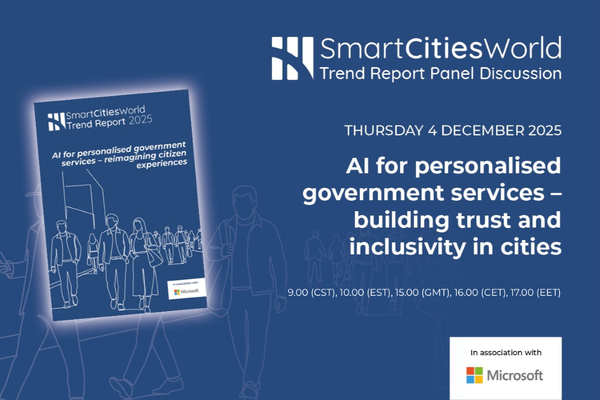
4 November 2025 (1.30pm - 2.30pm) Roundtable: Delivering personalised city services for residents

Scene Setter: Andy Blore, Directorate Head of ICT, Manchester City Council
Cities are under pressure to deliver services that are efficient, equitable and accessible. AI offers capabilities to personalise services, reduce backlogs by supporting case management transformation, and anticipate citizen needs to improve civic experience, but adoption is uneven and challenges around trust, inclusion, and capacity remain.
This roundtable, in association with Microsoft, provided an opportunity for city leaders to share where they are on their journey toward personalised services, what they have learned about citizen engagement and equity, and what support they need to move from pilots to broader deployment.
4 November 2025 (5pm - 7.30pm) SmartCitiesWorld Drinks Reception
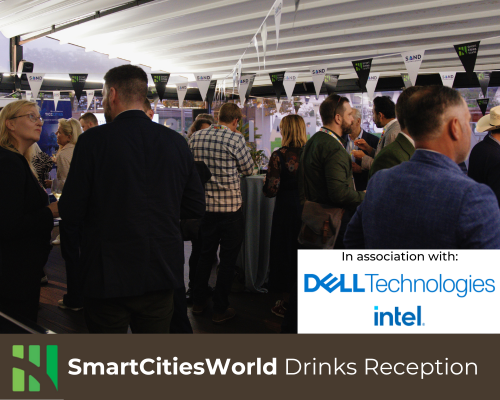
SmartCitiesWorld was once again in attendance of Smart City Expo World Congress for a ninth year running, alongside being a media partner, hosted the ever popular and over-subscribed drinks reception on Tuesday 4 November 2025.
This event, in association with Dell Technologies and Intel, was a chance for SmartCitiesWorld members and expo delegates to get together with like-minded people in a relaxed environment and discuss the topics of the day.
The event was an exclusive invite-only/curated gathering specifically for guests working in city/government authorities and spaces are limited. Registrations were reviewed by our event curator with confirmation of places being sent after application.
5 November 2025 (10.30am - 11am) Panel Discussion: Next-generation smart lighting – powering the connected, sustainable city

Scene Setter: José Antonio Rodríguez Cortés, Project Manager at the Planning and Modernisation Service, Gijón City Council
As cities seek to build more efficient, resilient, and human-centred environments, lighting networks are emerging as essential digital infrastructure. This panel, hosted by SmartCitiesWorld and Paradox Engineering, explored how next-generation smart lighting is evolving from an energy-saving measure into a multifunctional platform that underpins data-driven urban management.
Featuring insights from leading city practitioners and technology experts, the discussion examined the technologies, strategies, and partnerships driving this transformation.
5 November 2025 (11.30am - 12.30pm) Roundtable: Planning and operating liveable, economically thriving cities

Scene Setter: Teppo Rantanen, Executive Director of Economic Policy, Competitiveness and Innovation, City of Tampere
Thriving cities are those that go beyond efficiency to create places where residents can live well, businesses can innovate, and communities can prosper sustainably. AI and digital platforms can help cities plan smarter, simulate future scenarios, and operate more cohesively across departments. However, many governments are still navigating issues of scale, governance, and public engagement.
This roundtable provided space for city leaders to discuss how they are using AI to shape thriving urban environments, share insights on the organisational and cultural shifts required, and identify the kinds of support and partnerships that can accelerate their progress.
5 November 2025 (12pm - 2pm) Roundtable: Advanced connectivity for the AI-driven smart cities of tomorrow
As cities evolve into smart, sustainable, and connected hubs, advanced connectivity technologies like 5G play a vital role in enabling innovative AI applications and services.
This discussion, in association with ST Engineering, explored the opportunities, challenges, and future directions for leveraging advanced connectivity in smart city development.
5 November 2025 (12pm - 2pm) Roundtable: Cybersecurity strategies for sovereign resilience and trust
As cities and nations digitise their operations, critical information infrastructure becomes an attractive target for cyberattacks. The stakes are particularly high when it comes to energy grids, water systems, transportation networks, and healthcare services.
National-level security operation centres, strengthened with AI, can become a critical layer of defence to monitor, predict, and respond to cyber threats at scale. This roundtable, in association with ST Engineering, examined how governments are building cyber resilience, the role of cross-agency collaboration, and the importance of balancing national sovereignty with international cooperation.
5 November 2025 (12pm - 2pm) Roundtable: Smart mobility for rail and road – creating the next generation of urban transport
Urban mobility is at a crossroads, with rising demand, sustainability imperatives, and shifting citizen expectations. AI and advanced engineering are transforming how rail and road networks are managed, from predictive maintenance and traffic optimisation to integrated multimodal systems that improve efficiency and safety.
Cities are seeking to balance long-term infrastructure investment with near-term operational improvements, while also navigating funding constraints and complex stakeholder ecosystems. This discussion, in association with ST Engineering, brought together perspectives on how technology can help cities deliver safer, more sustainable, and more connected transport systems.
5 November 2025 (2pm - 3pm) Roundtable: Operating resilient urban infrastructure

Scene Setter: James Alberque, GIS and Emerging Technology Manager, City of Raleigh, N.C
Cities must operate sustainably and resiliently amid climate change and aging infrastructure. Cities can plan for extreme weather impacts, connect and manage infrastructure and put into place smarter environmental governance and regulatory oversight. AI and digital tools can aid predictive maintenance, resource optimisation, and planning, but adoption varies widely.
This roundtable let participants share progress, address challenges in integration and governance, and identify key partnerships and resources for effective scaling.
6 November 2025 (10am - 11am) Roundtable: Transforming public safety and emergency response for cities
Public safety is a core city responsibility. AI is transforming emergency response through improved forecasting, real-time situational awareness, and modernised emergency operations centres, but challenges with interoperability, privacy, and trust remain.
This roundtable, in association with Microsoft, let cities discuss current uses of AI in safety, review outcomes, and identify needed capabilities and partnerships for safer communities.
Moderator

Name: Luke Antoniou
Title: Senior Editor
Organisation: SmartCitiesWorld
Moderator

Name: Paul Wilson
Title: Advisory Board Chair
Organisation: SmartCitiesWorld
Moderator

Name: Sue Weekes
Title: News Editor
Organisation: SmartCitiesWorld
Moderator

Name: Sandra Baer
Title: Ambassador
Organisation: SmartCitiesWorld / Personal Cities
Why not try these links to see what our SmartCitiesWorld AI can tell you.
(Please note this is an experimental service)
How can AI improve predictive maintenance in urban transportation systems?What strategies enable cities to build sovereign AI infrastructure effectively?How does data connectivity enhance coordination in public safety services?Which AI applications best support sustainable urban infrastructure operations?How can AI-driven tools personalize city services for diverse communities?BECOME A MEMBER
© 2026 SmartCitiesWorld
Smart Cities World Ltd, 27 Clements Lane, London, EC4N 7AE