













 22 - 26 June 2026: Find out more
















BUILD YOUR OWN
RESOURCE LIBRARY



Opinions

Transforming indoor public safety with smart sensor networksSponsored by Motorola Solutions

How AI will define cities and mobility in 2026Sponsored by ST Engineering
C40 cities to establish early warning and response systems
C40 has set out an ambition for all 97 of its member cities to have effective early warning systems and emergency preparedness plans in place by the end of 2027.


 At a glance
Who: C40 Cities.
What: C40 has set out an ambition for all 97 of its member cities to have effective early warning systems and emergency preparedness plans in place by the end of 2027.
Why: This need for urgent action comes as a potentially powerful El Niño threatens to disrupt weather patterns around the world, bringing heightened risks of flooding, drought, extreme heat, and other dangerous conditions.
When: C40 wants plans to be in place by the end of 2027.
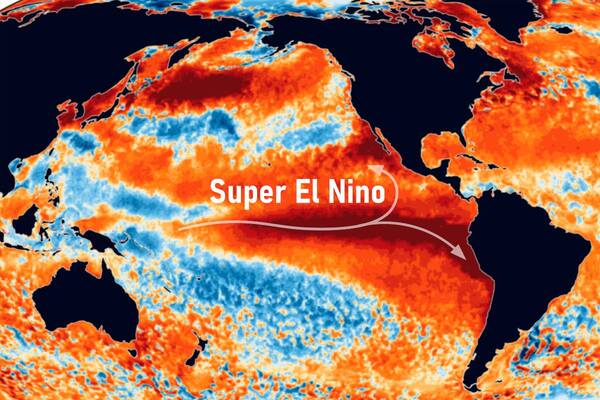
C40 Cities has announced it aims to establish early warning and response systems to protect millions of urban residents from extreme weather as Super El Niño intensifies.
Its ambition is for all 97 of its member cities to have effective early warning systems and emergency preparedness plans in place by the end of 2027.
Basic standard of protection
The goal of the initiative is to make early warning systems a basic standard of protection for people living in some of the world’s largest cities, ensuring residents receive timely alerts about approaching dangers and that local authorities have practical plans in place to protect lives, homes, and livelihoods.
According to the World Meteorological Organisation (WMO), the potential to save lives is significant – countries with comprehensive early warning systems covering most of their populations experience nearly six times fewer disaster-related deaths than those with limited coverage.
To help accelerate preparations, mayors from Curitiba, Paris, Quezon City, Cape Town, Miami, and Mumbai established a new C40 Mayoral Taskforce on ‘Super’ El Niño and extreme weather.
“When extreme weather strikes, every minute matters. In Quezon City, we’ve shown how early warning systems can save lives, giving communities the information and support they need to prepare before disaster strikes”
C40 reports that cities are already demonstrating what effective preparedness can achieve. In Ahmedabad, India, a 2018 study estimated that the city’s Heat Action plan, introduced in 2013, has prevented approximately 1,190 deaths annually. In eThekwini, South Africa, community-based early warnings were credited with saving between 250 and 400 lives during devastating floods in April 2022.
In Quezon City, Philippines, an innovative early warning system is helping protect residents from flooding, storms, and other extreme weather. Introduced in 2020, it combines real-time weather monitoring, localised risk maps, and forecasting to identify communities in danger and support early evacuations.
Read More
The system has issued more than 1,300 weather advisories and helped authorities coordinate the pre-emptive evacuation of more than 10,000 residents annually, demonstrating how technology and emergency preparedness can work together to protect lives.
Joy Belmonte, mayor of Quezon City, said: “When extreme weather strikes, every minute matters. In Quezon City, we’ve shown how early warning systems can save lives, giving communities the information and support they need to prepare before disaster strikes.
“Our iRise Up system brings together real-time weather monitoring, localised risk maps, and emergency planning to help us identify dangers and act early. Since introducing it in 2020, we’ve trained more than 17,000 people in disaster response and are now targeting zero extreme-weather-related casualties.”
“Extreme weather is putting lives and livelihoods at risk in cities around the world. With ’Super’ El Niño now exacerbating the impacts of climate change, preparation has never been more important”
Belmonte added: “No city can meet this challenge alone. By working together, we can build on what works and make the case for the investment our residents need.”
Mark Watts, executive director at C40 Cities, said: “Extreme weather is putting lives and livelihoods at risk in cities around the world. With ’Super’ El Niño now exacerbating the impacts of climate change, preparation has never been more important.
“Early warning and response systems are highly effective and affordable ways to save lives. But warnings must be backed by plans that reach the people who need help most.
“These mayors are coming together to show what works, accelerate preparations, and help other cities protect their residents from the growing threats of extreme weather.”
Strengthening cities’ responses
The taskforce will bring together political leadership from across C40’s global network to strengthen cities’ responses to extreme weather, share proven solutions, and support the ambition to establish effective early warning systems and emergency response plans across all member cities by the end of 2027.
It will also build on C40’s existing work supporting cities to prepare for extreme weather. Thirty-five cities are already working to establish early warning systems through C40’s Cool Cities accelerator, while all 20 signatories to its Water Safe Cities accelerator have committed to action on early warning systems and emergency response measures.
Why not try these links to see what our SmartCitiesWorld AI can tell you.
(Please note this is an experimental service)
When do C40 member cities aim to have warning and response plans?Which cities formed C40’s taskforce on Super El Niño and extreme weather?How does Quezon City’s iRise Up system identify communities at risk?What evidence shows early warnings have saved lives in Ahmedabad and eThekwini?Why has C40 made extreme-weather preparations more urgent now?Cape TownCitizen SecurityClimate ActionClimate change/ResilienceCuritibaEnergy & EnvironmentGovernance and CitizenMiamiParisResilience

Latest City Profile
Latest Summit Speakers
(22-26 June)
Latest Urban Exchange Podcast
SmartCitiesWorld Newsletters (Daily/Weekly)
You may also like these related articles...
BECOME A MEMBER
© 2026 SmartCitiesWorld
Smart Cities World Ltd, 37 Lombard Street, London, EC3V 9BQ