





















BUILD YOUR OWN
RESOURCE LIBRARY



Where do cities stand following Cop26, and what comes next for them?
An expert panel of city practitioners discuss their cities’ climate action plans and how they’ll progress throughout 2022.



At Cop26 in Glasgow, cities delivered some of the most tangible updates on progress against climate change of any of the conference’s participants. This set a high bar for their continued leadership on climate action for 2022 and beyond, as they look now to not only meet their own climate action objectives, but pivot to ensure that those plans contribute significantly enough in helping central governments meet their climate action goals, and ultimately meet the commitments agreed in Glasgow.
Here, a panel of experts from global city sustainability and resilience offices discuss those commitments and explain the role their cities will play in achieving them, encompassing analysis and discussion of:
• Whether the final agreement from Glasgow pledges enough action at this stage of the climate crisis
• How cities are contributing to, and in some cases leading on, these objectives, plus whether they seem realistically achievable within established timeframes for central governments
• How much overlap there is with their cities’ current climate action goals
• The degree to which global city plans might change given the nature of the agreement
• Whether the negotiations and final agreement fully comprehend the role cities can play in fighting climate change
Speakers:
 |
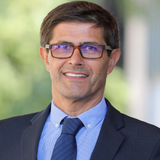
Zach Baumer, Climate Program Manager City of Austin
Zach Baumer has been with the City of Austin since 2011 where he manages the Climate Program in the City of Austin’s Office of Sustainability. His primary duties include overseeing the implementation of climate change mitigation and adaptation strategies across the City organisation and community.
|
 |
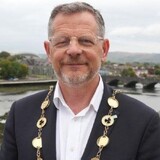
Adam Clarke, Deputy Mayor for Transport and Environment Leicester City Council
Adam is Leicester’s deputy city mayor with responsibility for the environment and transportation. His wide-ranging portfolio includes leading the city’s response to the climate emergency and on matters relating to air quality, highways and transport, energy and waste. Additionally, Adam leads on responding to labour market issues in Leicester’s textiles sector. Adam was first elected to Leicester City Council in May 2011, representing Aylestone ward and was promoted to the elected City Mayor’s executive in 2015 becoming deputy mayor in 2017.
|
 |
Michael Lake, CEO, Leading Cities
Michael is the founding President and CEO of Leading Cities. As President and CEO, Michael establishes and develops relationships with municipal governments, private sector businesses and universities around the world, creating a global network of partner cities dedicated to creating business development and government cooperation opportunities and implementing public policy that effectively addresses the shared challenges facing 21st century cities. Michael has served as Special Assistant for White House Operations to two Presidents, policy research analyst to the former Prime Minister of Ireland, and Director of Development for United Way of Massachusetts Bay and Merrimack Valley. |
| Watch Here |
Why not try these links to see what our SmartCitiesWorld AI can tell you.
(Please note this is an experimental service)
How can cities align their climate plans with national government targets effectively?What role does data connectivity play in enhancing urban climate resilience?How might city governance adapt to accelerate climate action post-Cop26?In what ways can urban mobility improvements reduce city carbon footprints?How can open data initiatives support transparency in city climate strategies?Climate change/ResilienceConnectivity & DataConnectivity - DevicesCOP26data privacyEnergy & EnvironmentGovernance and CitizenmobilityNetworkOpen DataPlanningresilienceurban space
Latest City Profile
Latest Summit Speakers
(22-26 June)
SmartCitiesWorld Newsletters (Daily/Weekly)
You may also like these related articles...
BECOME A MEMBER
© 2026 SmartCitiesWorld
Smart Cities World Ltd, 37 Lombard Street, London, EC3V 9BQ