







 22 - 26 June 2026: Find out more










BUILD YOUR OWN
RESOURCE LIBRARY



Opinions

Securing lighting: protecting the backbone of connected cities Sponsored by Paradox Engineering
AI’s next stop: transforming urban transportation responsiblySponsored by Microsoft
How TfL plans to further boost sustainability and resilience
The updated plan sets out more than 70 actions, including those to help adapt the transport network to keep London moving in the face of a changing climate.


 At a glance
Who: Transport for London (TfL).
What: TfL has unveiled an updated Corporate Environment Plan.
Why: To build on action to improve air quality, reduce carbon emissions, adapt to climate change, enhance biodiversity, and use resources more sustainably.
Where: The plan applies across the TfL transport networks.
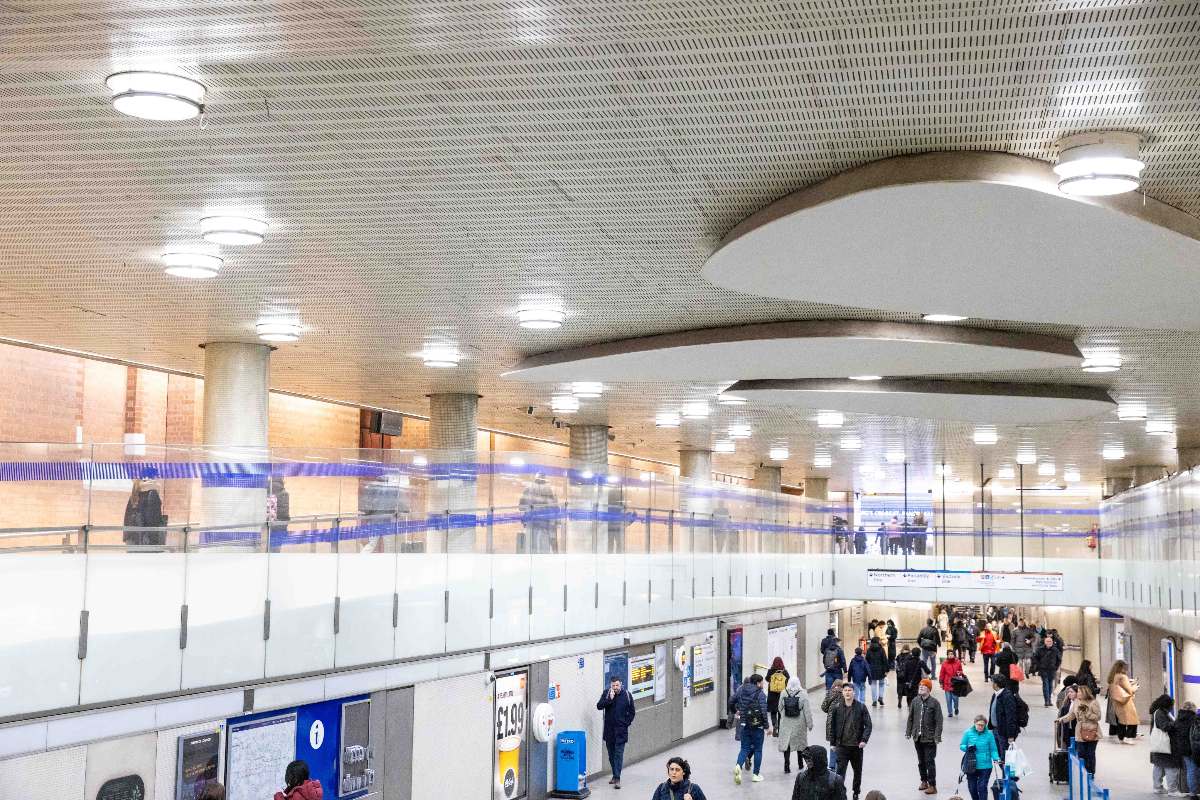
Transport for London (TfL) has unveiled an updated Corporate Environment Plan, which sets out how it will continue to take action to improve air quality, reduce carbon emissions, adapt to climate change, enhance biodiversity, and use resources more sustainably across one of the world’s largest integrated transport networks.
As one of London’s largest landowners and the city’s integrated transport authority, TfL has a unique role to play in tackling the challenges facing the capital, from the climate emergency to decarbonisation. To date, this includes TfL establishing one of the first private wire schemes for an urban transport network, which will see it receive zero-carbon electricity straight from new solar installations, and running the largest zero-emission bus fleet in Western Europe, which now has more than 3,000 buses.
By enabling customers to choose more sustainable ways to travel, whether that’s by public transport, walking or cycling, or supporting drivers to switch to cleaner vehicles, TfL is also making it easier for everyone to play their part.
Building a more resilient and reliable network
Building on the successes since the Corporate Environment Plan was first published in 2021, the 2026 plan supports the mayor Sadiq Khan’s vision for a thriving London, where more journeys are made by walking, cycling and public transport, while also helping deliver a more resilient and reliable network in the face of the climate emergency.
“We know that our city needs to be more sustainable and climate-resilient to continue being a fantastic place to live, work and travel,” said Lilli Matson, chief safety, health and environment Officer at TfL. “The impact of the climate emergency is becoming increasingly apparent and we need to work together at pace to take the action that’s needed to adapt our city and network, mitigating any risks.
“The mayor and I will continue to work with TfL to deliver more resilient, reliable and sustainable transport services across London as we build a greener, more sustainable capital for everyone”
“Since first publishing our Corporate Environment plan five years ago, we’ve already implemented a variety of measures that have had a demonstrable impact, such as transitioning more than a third of our bus fleet to zero emission. We are committed to being transparent with our ambitions and achievements and this updated plan clarifies our next steps in making London and its transport services resilient and thriving for generations to come.”
It contains more than 70 actions, which cover how TfL will achieve both its strategic ambitions, such as embedding circular economy principles into procurement and project delivery, and tangible outcomes, such as converting more lighting across London Underground to LED lighting.
Read More
Key actions also include how TfL is adapting to climate change, with extreme weather events becoming more frequent, and protecting and enhancing green infrastructure, which can help provide shade and shelter alongside supporting biodiversity and increasing public health and wellbeing. These include:
- Building flood resilience with at least 10,000m² of additional Sustainable Drainage Systems (SuDS) every year to 2035. SuDS slow the flow of rainwater into London’s drainage networks and waterways and help to prevent flooding. Current improvement works as part of the A23 Streatham Hill scheme will deliver 17,000m² of SuDS catchment, alongside making it easier, safer and more pleasant for people to walk and cycle in the area
- Boosting biodiversity by maintaining 520,000m² of wildflower verges, having already greatly expanded the amount on TfL’s estate, while supporting clean and healthy waterways, protecting nature and our health and wellbeing.
“The impact of the climate emergency is becoming increasingly apparent and we need to work together at pace to take the action that’s needed to adapt our city and network, mitigating any risks”
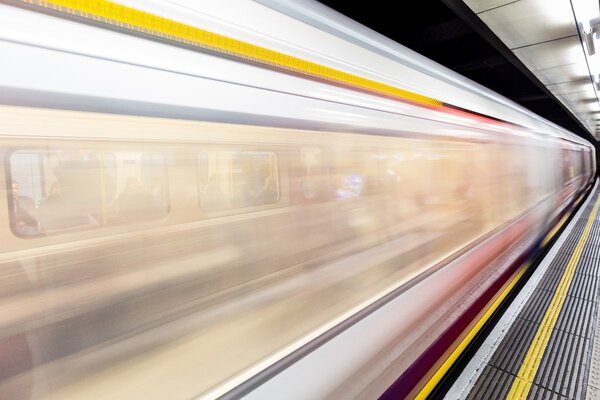
Actions like this will help TfL still run a safe and reliable service, complementing other measures, such as the introduction of the new Piccadilly line trains, which will be air-conditioned and more energy efficient. The updated plan also includes how TfL will take further steps to decarbonise the transport network, propelling the capital towards net zero, including:
- Transitioning TfL’s fleet to zero emission to help drive down carbon emissions – beyond the third of London’s buses, which are already zero emission at tailpipe
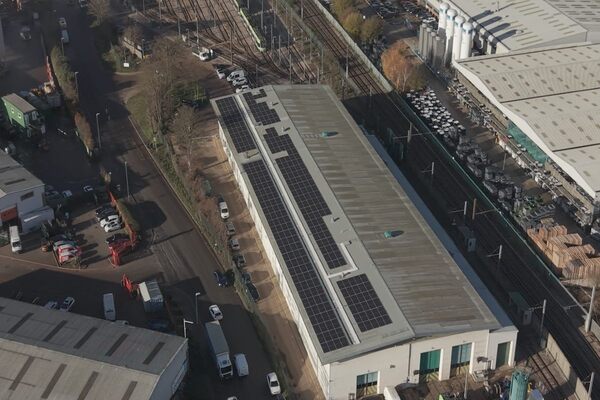
- New solar installations connecting directly into the Underground, alongside future renewables contracts via the National Grid, helping to slash carbon emissions and build energy security
- Supporting the delivery of new EV charging points, both through new charging bays and charging hubs. TfL is working with EV charge point operators, Zest and Total Energies, to bring forward new rapid and ultra-rapid EV charging bays across the capital, while Places for London, TfL’s wholly owned property company, has partnered with EV charging hub operator Fastned to develop several new EV ultra-rapid charging hubs.
“The climate crisis is on our doorstep, and is already disrupting vital services and costing our economy hundreds of millions of pounds,” said Mete Coban, deputy mayor of London for Environment and Energy.
“That is why it is encouraging to see TfL unveiling its updated Corporate Environment Plan, setting out further action to improve air quality, reduce carbon emissions and adapt to climate change.
“The mayor and I will continue to work with TfL to deliver more resilient, reliable and sustainable transport services across London as we build a greener, more sustainable capital for everyone.”
Why not try these links to see what our SmartCitiesWorld AI can tell you.
(Please note this is an experimental service)
What actions will TfL take to make London’s transport network more flood-resilient?How much additional Sustainable Drainage Systems will TfL build annually through 2035?How will TfL expand its zero-emission bus and vehicle fleet?How will new solar installations supply cleaner electricity directly to the Underground?Where are new rapid EV charging bays and ultra-rapid hubs being developed?air qualityclimate actionClimate change/Resiliencecongestionelectric vehiclesEnergy & EnvironmentGovernance and CitizenLondonmobilitynet zeroRailRoadsolar power

Latest City Profile
Latest Summit Speakers
(22-26 June)
Latest Urban Exchange Podcast
Latest Special Report
SmartCitiesWorld Newsletters (Daily/Weekly)
You may also like these related articles...
BECOME A MEMBER
© 2026 SmartCitiesWorld
Smart Cities World Ltd, 37 Lombard Street, London, EC3V 9BQ