







By purchasing 120 electric buses, Calgary Transit is enabling the City to replace ageing vehicles, diversify fuel sources, and strengthen service reliability.
Calgary Transit is purchasing 120 new electric buses as it continues with its aim to replace ageing vehicles in the public transit agency’s fleet and strengthen service reliability.
Thanks to federal support, the investment will increase fleet size while diversifying fuel sources and reducing long-term costs.
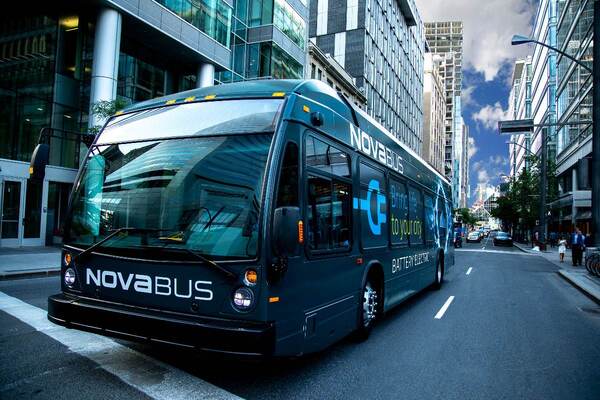
Purchased from long-time supplier Nova Bus, part of the Volvo Group, the Canadian-made Nova LFSe+ electric buses will replace end-of-life diesel buses. Calgary Transit reports these vehicles are already in service in Banff, Toronto and Ottawa, and have proven performance in Canadian climates.
“This investment means more reliable service, lower operating costs over time and cleaner air in our communities,” said Sharon Fleming, director of Calgary Transit. “It also allows us to grow our fleet in a cost-effective way and prepare for future service demand.”
Key benefits of the new electric buses:
“This investment means more reliable service, lower operating costs over time and cleaner air in our communities”
According to Calgary Transit, the new buses will offer a similar look and feel to Calgary’s current Nova Bus CNG models. They will be used primarily on shorter routes and during peak times to enhance service and reduce emissions in high-density areas.
Deliveries begin in 2027, with all 120 buses expected to be in service by the end of 2028.
Why not try these links to see what our SmartCitiesWorld AI can tell you.
(Please note this is an experimental service)
How will electric buses improve service reliability in Calgary Transit?What are the long-term cost benefits of using electric buses?How does federal support enable Calgary to expand its bus fleet?In what ways will facility upgrades benefit the entire bus fleet?How will electric buses reduce emissions on high-density routes?