












 22 - 26 June 2026: Find out more









BUILD YOUR OWN
RESOURCE LIBRARY



Podcasts

Cities Thriving on Lighting, Episode 2 – Simplicity by design in smart lightingSponsored by Paradox Engineering

Cities Thriving on Lighting, Episode 1 – Lighting as the backbone of the smart citySponsored by Paradox Engineering
Innovation project aims to clear the path for eHGVs
As logistics operators transition to eHGVs, vehicles will require high power output and networks currently have limited insight into how demand will appear.


 At a glance
Who: UK Power Networks (UKPN); Maritime; Voltloade; Voltempo; Energy Systems Catapult; Baringa.
What: UKPN is leading the Future Fleet innovation project, which aims to reshape how electric HGVs connect to and interact with the electricity grid.
Why: To help the UK’s freight sector electrify at speed while keeping costs at a minimum.
When: The initial six‑month phase will define the design requirements for a potential live trial.
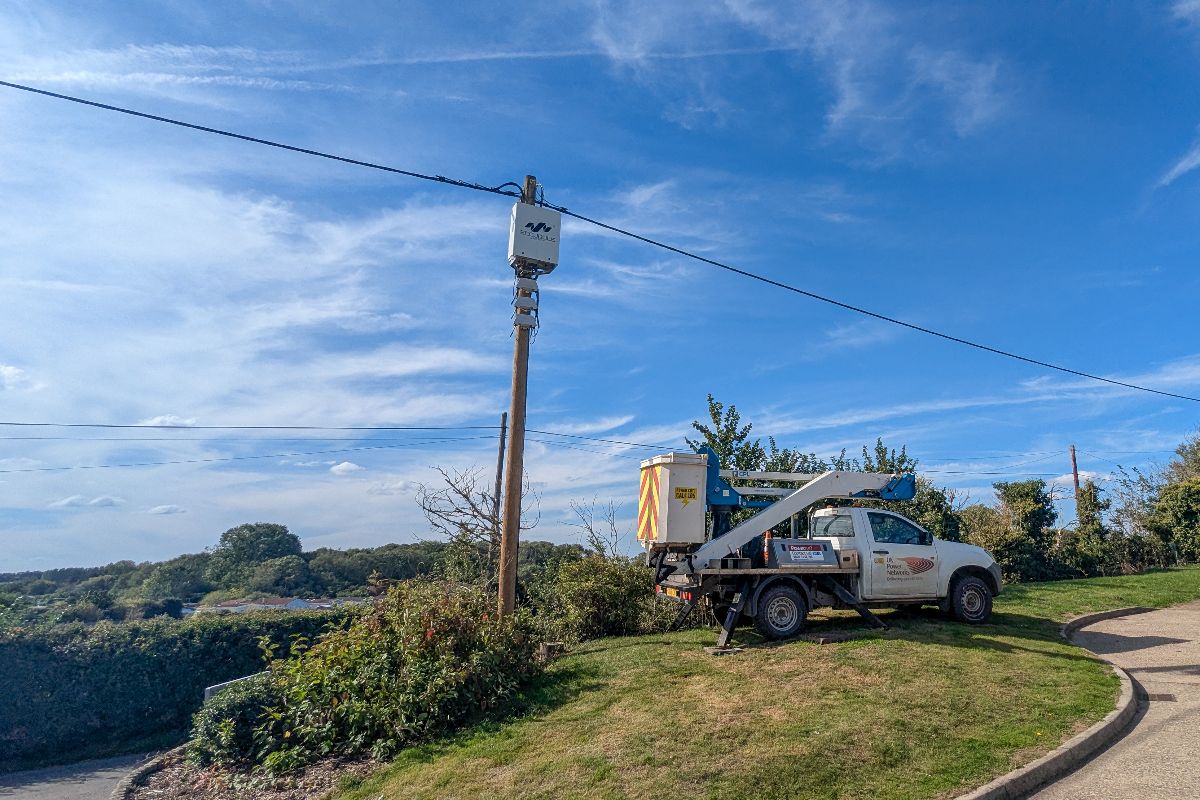
A new project is helping the UK’s freight sector electrify at speed while keeping costs a minimum.
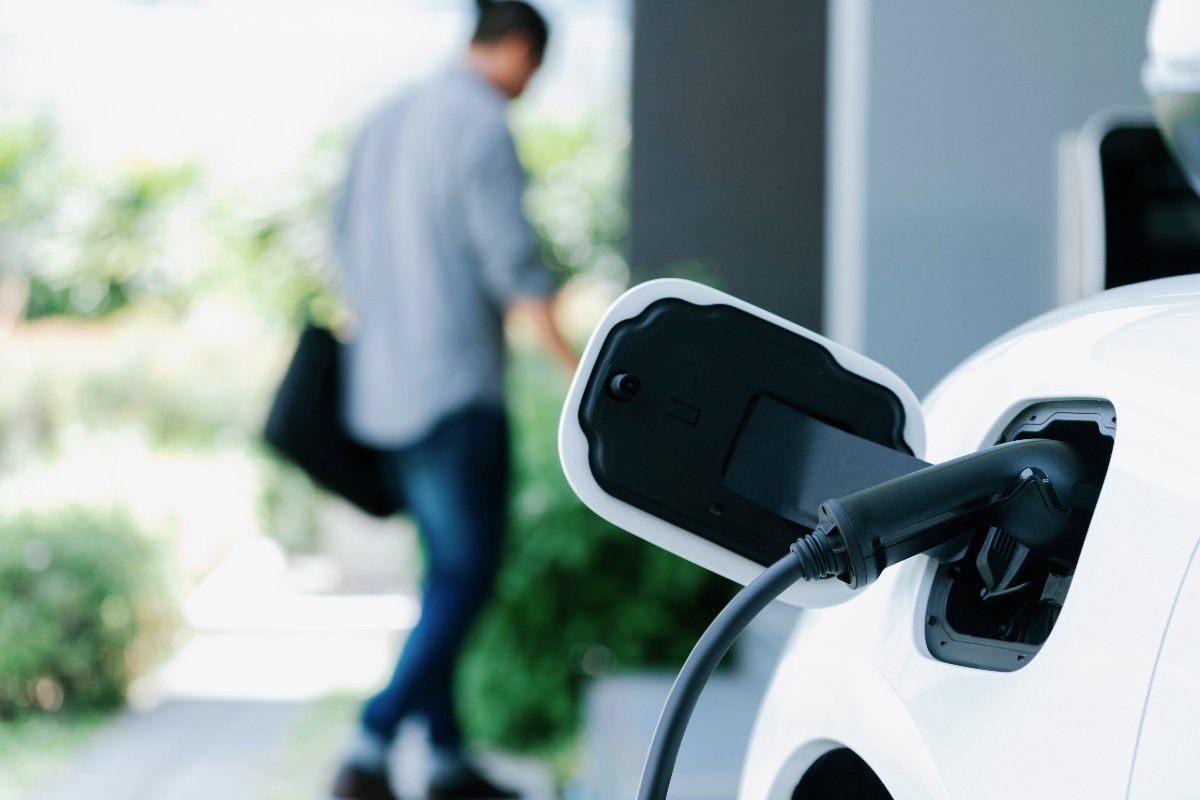
The Future Fleet innovation project aims to reshape how electric HGVs (eHGVs) connect to and interact with the electricity grid.
Pinpointing charging demand
Working with logistic operators Maritime and Voltloader, megawatt charging solutions provider Voltempo, whole energy systems experts Energy Systems Catapult and industry partner Baringa, UK Power Networks is leading the project that will develop detailed profiles on how fleets transport materials and the delivery journeys they undertake.
These “archetypes” will pinpoint where charging demand is likely to cluster as logistics operators scale up their eHGV fleets, helping better planning of electricity networks. This will include advanced geospatial modelling to map future eHGV charging demand against available network capacity.
“Supporting the shift to electric HGVs means understanding not just how fleets operate, but how networks adapt to support their charging infrastructure”
This improved understanding will help plan infrastructure more effectively and ensure that fleet electrification can be connected quickly and efficiently.
The project will also explore the role of smart energy management in minimising grid reinforcement. This will include flexible charging, behind‑the‑meter solutions, on‑site renewables and storage, operational flexibility and emerging vehicle‑to‑everything (V2X) solutions. By understanding which approaches work best for different types of operators, the programme will identify ways to reduce network costs for logistics businesses that are electrifying their fleet.
Read More
“Supporting the shift to electric HGVs means understanding not just how fleets operate, but how networks adapt to support their charging infrastructure,” said David Francis, head of investment management and innovation at UK Power Networks. “Future Fleet gives us the clarity we need to accurately forecast where charging demand will grow and how we can facilitate faster, efficient connections to the network. By working closely with industry partners, we’re developing the insight and tools to manage high-capacity charging in a smarter, more flexible way.”
The initial six‑month phase will define the design requirements for a potential live trial, laying the groundwork for scalable, real‑world solutions that support operators of all sizes, from SMEs to national fleets.
Tom Williams, deputy chief executive officer at Maritime Transport, said: “We’re very pleased to be collaborating with UK Power Networks and our Future Fleet partners on a project addressing one of the biggest challenges in decarbonising road freight: understanding where and when eHGV charging will be needed, and what that will mean for operators and the electricity grid.
“With more than 20 eHGVs successfully deployed so far this year, and over 50 due to be introduced nationally in 2026 alongside high-powered charging across a number of our locations, Maritime is already seeing at first hand the relationship between fleet operations, site requirements, and power demand. We welcome the opportunity to contribute that operational experience to a project that will help build a much clearer picture of where charging demand is likely to emerge and how infrastructure can be planned more effectively as electrification gathers pace.”

Latest City Profile
Latest Urban Exchange Podcast
SmartCitiesWorld Newsletters (Daily/Weekly)
You may also like these related articles...
BECOME A MEMBER
© 2026 SmartCitiesWorld
Smart Cities World Ltd, 37 Lombard Street, London, EC3V 9BQ