In this virtual session, panellists will explore innovative approaches to issues such as urban planning, transportation, and public safety, with a specific focus on the role of local governments in implementing AI solutions.
The first day of the online event confirmed that the smart cities sector is well aware of its destination but it’s how it gets there that will be the problem.
At SmartCitiesWorld’s inaugural advisory board meeting, Jeff Risom, chief innovation officer at Gehl Architects, explored how the public realm might be managed in the post-pandemic era.
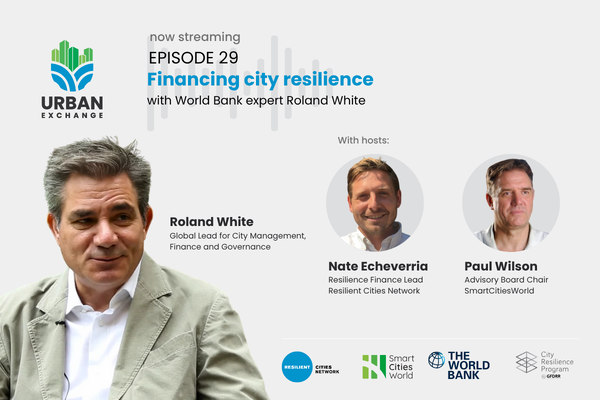
Roland White, Global Lead for City Management, Finance and Governance at the World Bank talks us through what it will take to fund resilience at the necessary scale across the world.
Winners will receive extended access to a dynamic network of mentors, potential investors and regulatory guidance enabling them to further develop their solutions.
Joint venture between AI software company SenseTime and King Saud University will serve as a platform for AI use cases and research across multiple sectors.
Launched at Smart City Expo World Congress in Barcelona, the app store aims to make digital twin tools, services, and datasets easily accessible for cities.
The AI-designed smart work resort District 11 project aims to set a new benchmark for urban innovation and economic vitality in Sharjah and the wider UAE.
Announcements at the WEF Summit included news of the first cohort for a global coalition dedicated to advancing high-quality, people-centred urban development.
The seven new hubs have been established in communities with significant digital needs in the UK city, while five existing hubs have been strengthened.
Through the collaboration, Riverside is seeking to establish a model for the “thoughtful integration” of robotics and automation into local infrastructure.
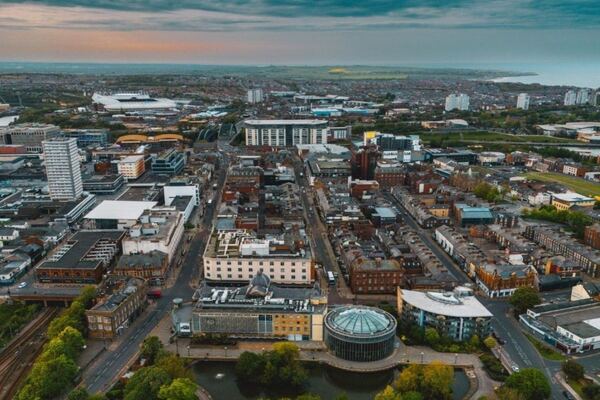
Sunderland City Council chief executive Patrick Melia explains why smart transformation doesn’t have to be driven by scale or budget – it’s about clarity of vision, strong partnerships and community trust.
By using renewable infrastructure to support AI workloads, the town illustrates how municipalities can deploy AI responsibly without compromising climate goals.
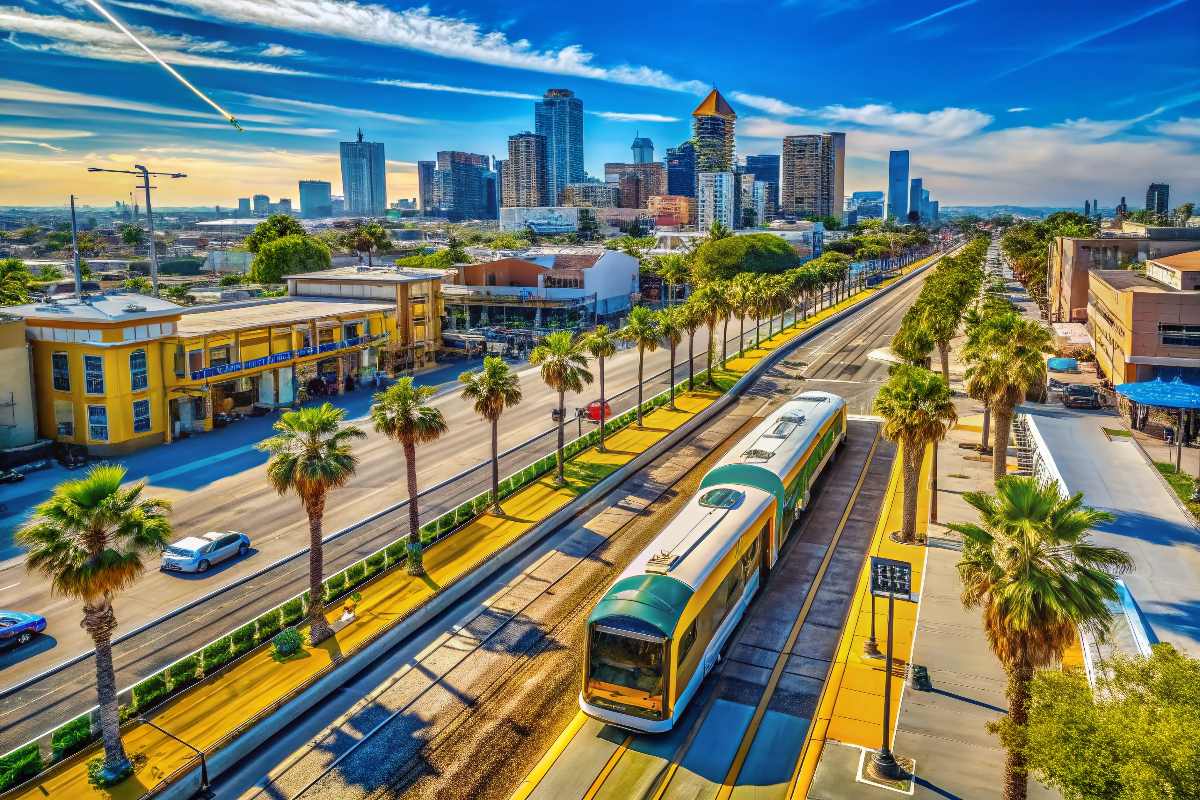
Pairing wifi technology with existing city infrastructure unlocks a platform for Los Angeles to further develop smart city assets and public service delivery.
The entities will collaborate in the fields of AI and digital innovation to develop joint use cases that contribute to improving business and user experiences.
The Tech for Good report outlines a vision for a ‘smarter’ city and economy, where human-centric systems and frameworks are embedded in smart city approaches.
Bloomberg Philanthropies Local Leaders Awards honour ambitious, impactful, and people-centered climate breakthroughs led by cities and local governments.
Carahsoft will serve as Purple Transform’s public sector distributor, making its AI-powered infrastructure platform available through its reseller partners.
$50m investment establishes LSE European City Leadership Initiative to equip local governments with the capabilities to drive progress and deliver results.
Partnership with Highland Electric Fleets continues the mayor’s efforts to prepare for the Games and build a greener future that Angelenos will benefit from.
The new 2025-2026 AI Plan creates trainings, resources, and rules for City employees to leverage advanced technology to better serve residents and businesses.
To be held in São Paulo ahead of Cop30 in Belém, the forum aims to mobilise capital from public and private sectors in support of the Cop30 Presidency goals.
Arkansas policymakers demonstrate both public and private commitment to ensuring the state is ready to safely harness the power of artificial intelligence.
African Development Bank has made its first direct lending to a subnational entity in Africa to help the city improve support water, electricity and waste systems.
The Office of Sustainability is seeking community-based organisations to help the city plan for a safe and resilient future in the face of climate impacts.
Public, private and community programme tackles digital exclusion by providing eligible Calgarians with one of the City’s repurposed technology devices.
CGC and ICLEI USA funding fuels 52 US communities’ push for smart, local clean energy projects – boosting jobs, air quality, and long-term energy security.
SmartCitiesWorld’s Cities Climate Action Summit showed how cities are leading the way on climate ambition and pushing forward policies that reflect the urgency of the moment.
Finalists from 33 countries will receive $50,000 and support to test breakthrough ideas for improving life in cities in the Bloomberg Philanthropies challenge.
Juniper reports that growth will be driven by rapid development of on-demand transportation solutions that encompass micromobility services into the platform.
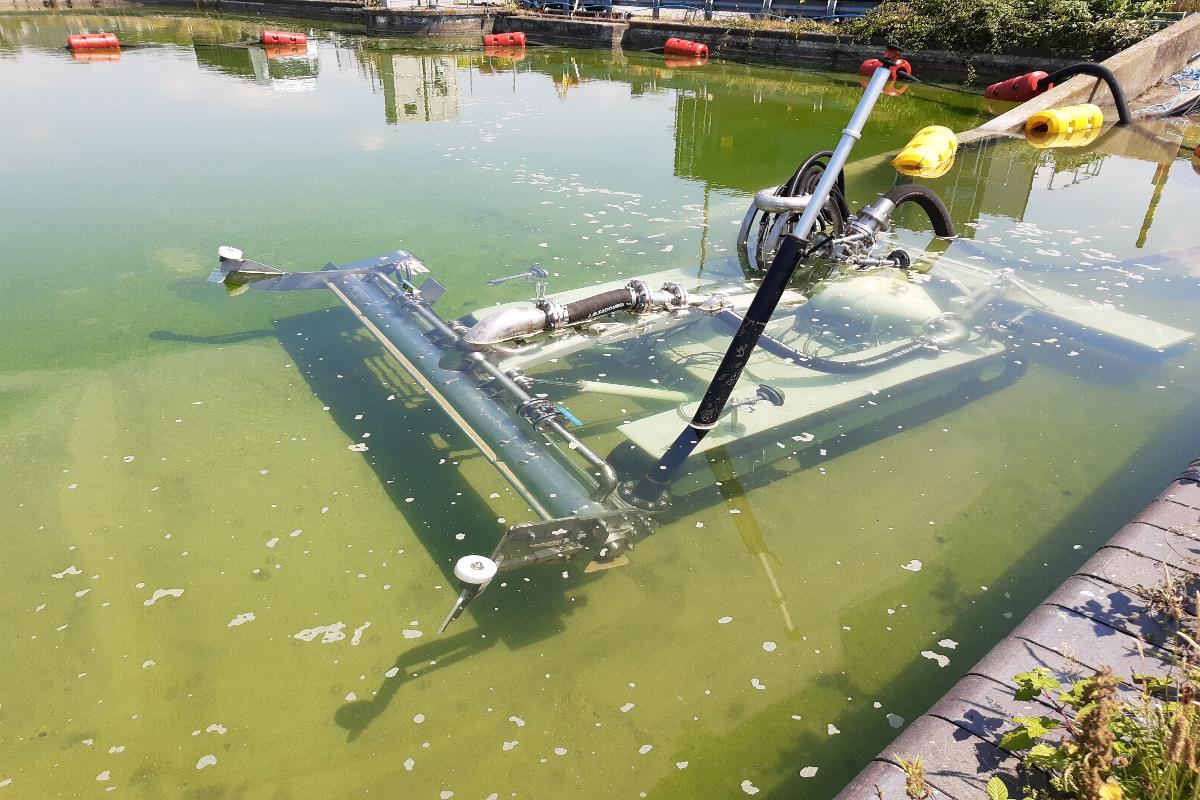
£600m fund invests in projects which sees water companies collaborating with cross-sector innovators to deliver solutions to the water sector’s biggest challenges.
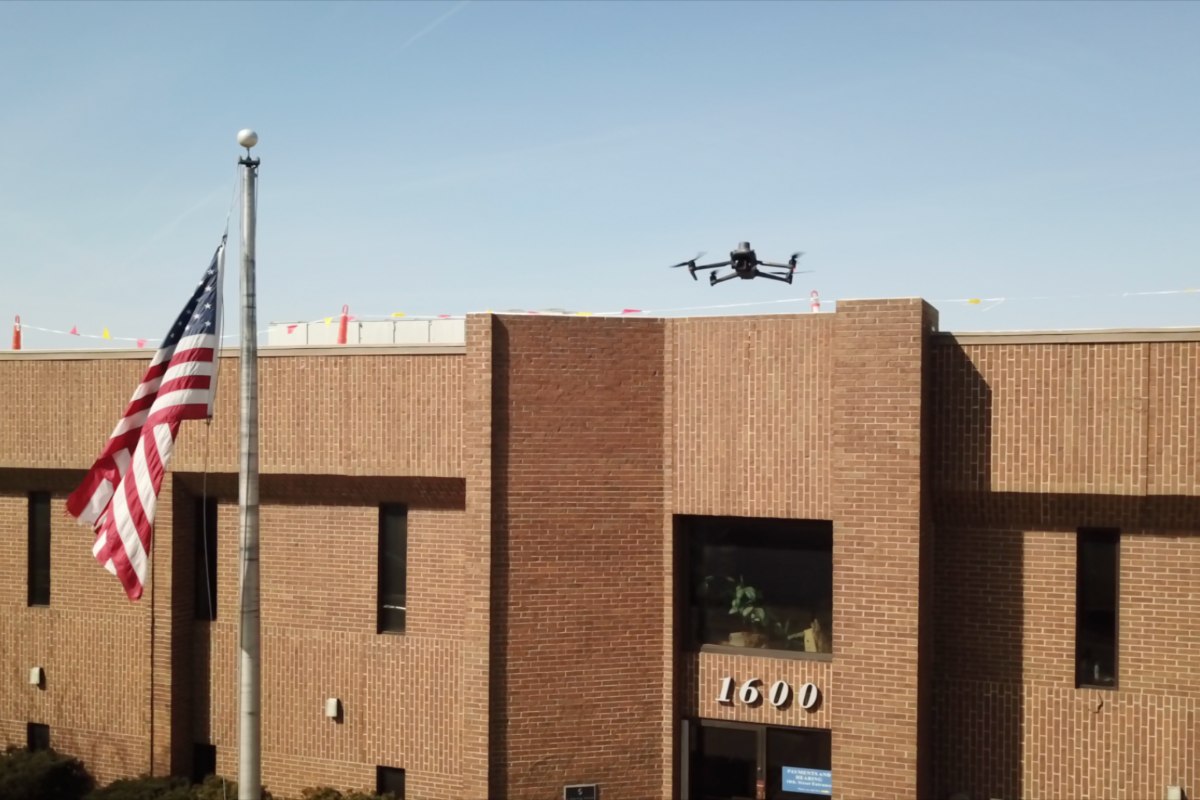
Lamarr.AI, Michigan Central and Newlab are launching a drone inspection pilot to identify opportunities for energy-efficient municipal building operations.
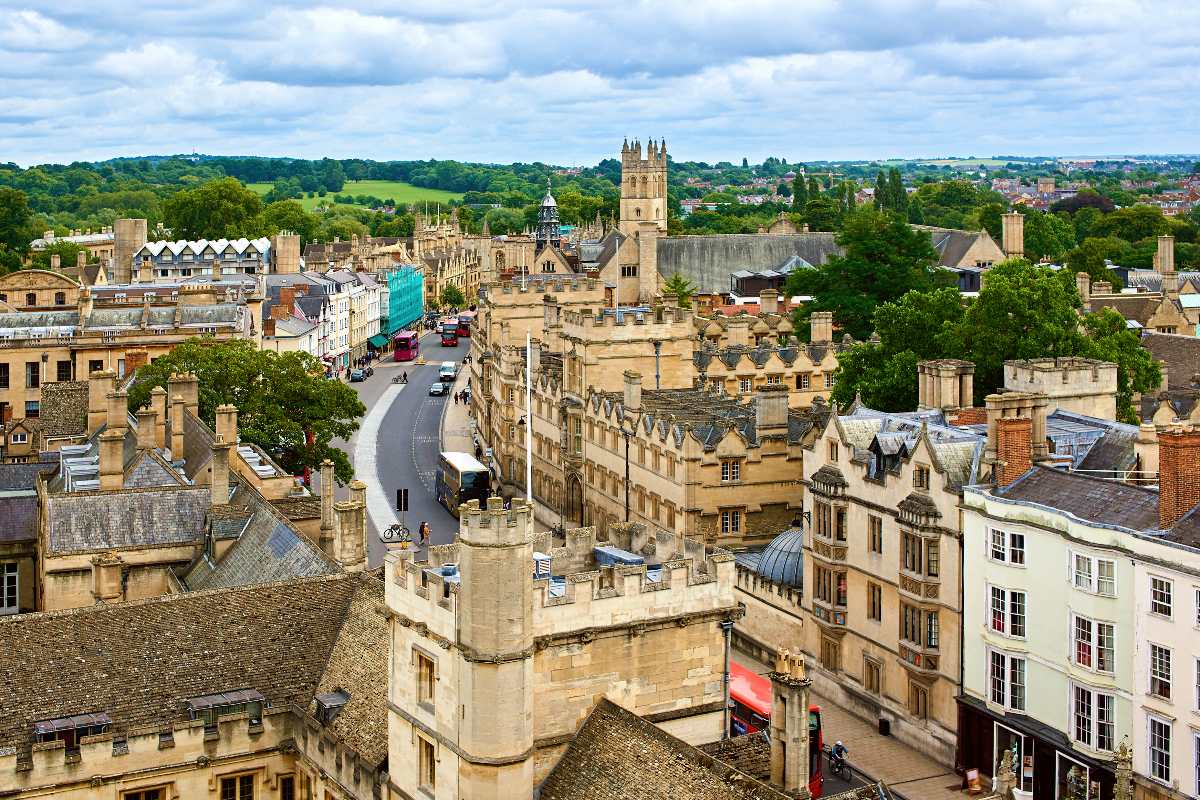
Network will be powered by 20MW of water source heat pump capacity and provide low-carbon heating to a number of Oxford’s historical public sector buildings.
€3.1m SmartSpires initiative will deploy at least three smart towers equipped with 5G, AI, edge and IoT tech to support innovative use cases in the campus.
Events include the Smart City Robotics Competition, where university teams from across Europe will put robotics skills to the test in real-world challenges.
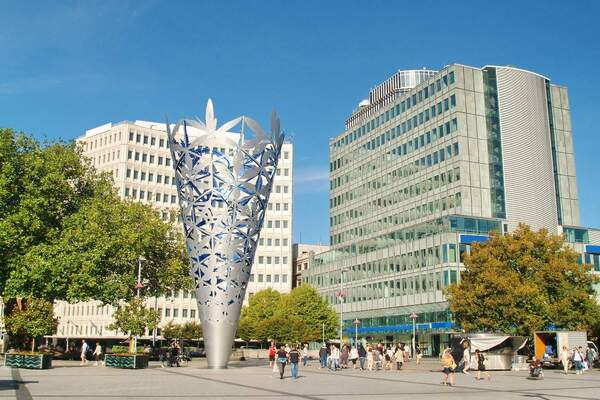
Christchurch shares news of an online tool that sorts big data to prioritise transport projects while Auckland establishes the Innovation & Technology Alliance.
The Ofwat Innovation Fund’s Water Breakthrough Challenge awards more than £42m to technological solutions solving major challenges in the water sector.
Nick Mabey, Founder of London Climate Action Week (LCAW), tells SmartCitiesWorld about this year’s LCAW themes, how they reflect the climate situation in cities around the world, and the growing role of cities in global climate action.
Multilateral Development Banks discussed how to scale climate adaptation investment to most affected countries and cities during the World Bank Spring meetings.
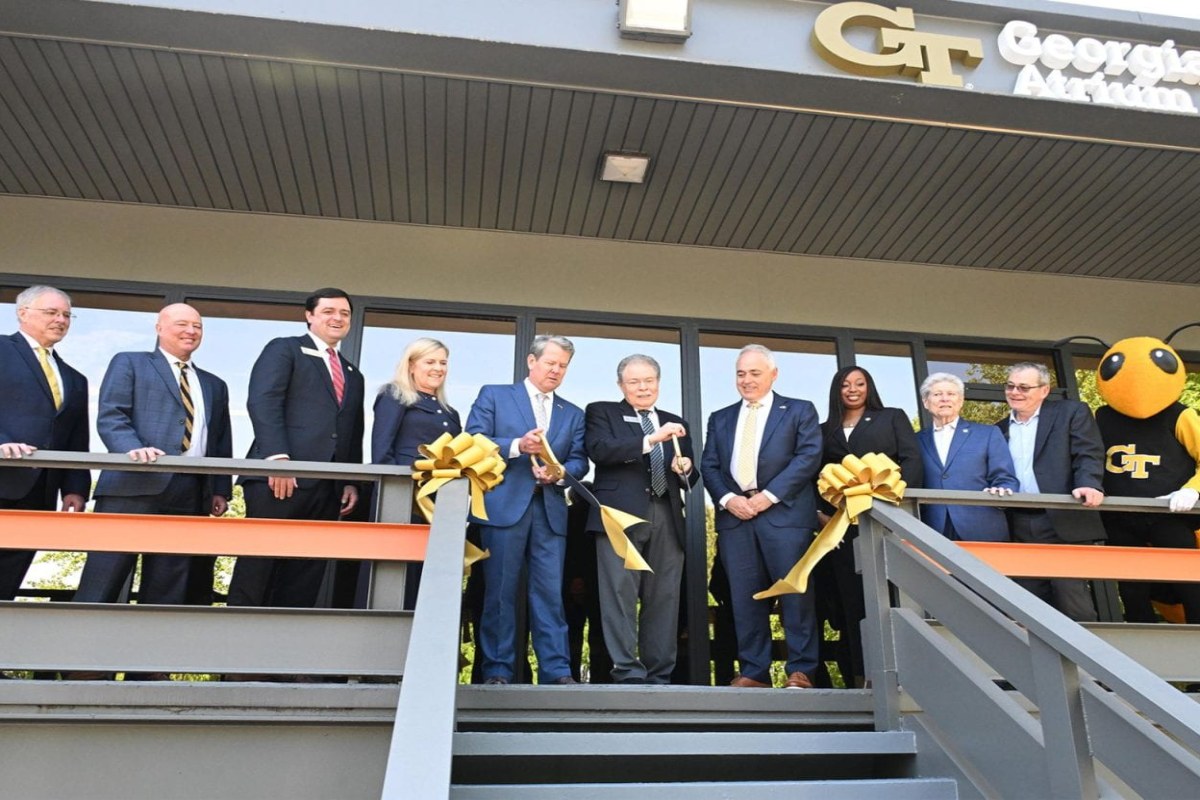
New partnership with Georgia Tech seeks to amplify hands-on research opportunities and to continue bridging academic learning and industry collaboration.
Gridora will collaborate with specialist partners and capital providers to advance delivery of strategic infrastructure projects nationally and internationally.
The four cities have joined forces to implement innovative, community-driven solutions that safeguard the most vulnerable residents during the 2025 heat season.
The business-to-government programme provides $175,000 in non-equity funding to winning startups as well as expert mentorship and real-world pilot opportunities.
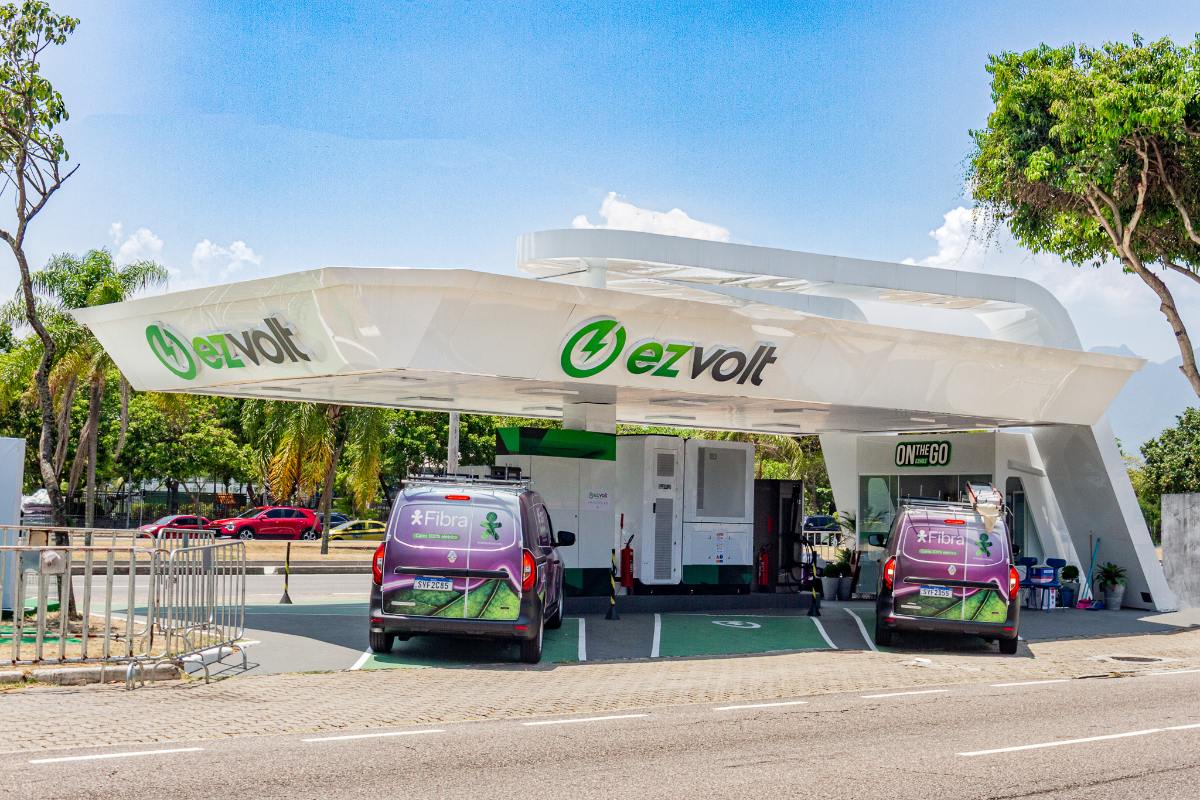
The City reports the public fast-charging initiative strengthens Rio’s commitment to reducing carbon emissions and expanding electromobility infrastructure.
Boston’s mayor Michelle Wu announces partnership with local utility companies to enable small property owners and tenants to access benefits of clean energy.
The urban sustainability accelerator is seeking early-stage deep-tech start-ups in the EU with disruptive and scalable technologies to help transform cities.
ITU has announced new industry commitments for universal and meaningful connectivity as part of its Partner2Connect Digital Coalition at MWC25 in Barcelona.
Partnership provides a pilot programme in Detroit’s Corktown neighbourhood utilising remote drivers to deploy electric vehicles autonomously – reducing car ownership.
Jeanine Jerkovic of the City of Surprise explains how the Greater Phoenix region city is deploying smart technologies to mitigate the unique challenges of rapid urban expansion.
Ordinance will allow the City to establish an independent nonprofit to serve as the Green Social Housing developer and increase the supply of affordable housing.
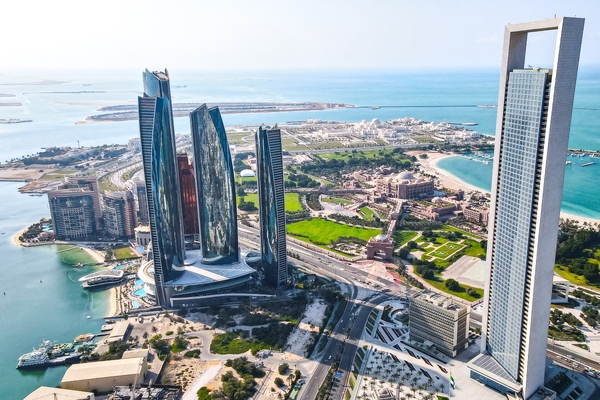
The partnership forms part of the emirate’s DMT Future Hub initiative and will focus on areas such as climate-resilient design, liveability and data-driven governance.
Low-carbon projects in Leeds, London, Maidstone, and Cranbrook are set to enhance local energy use, helping the UK to transition to sustainable heating.
This project aims to secure private sector investment that will transform the famous Lighthouse into a net zero innovation hub for clean tech companies to grow.
The GovAI Coalition in the US is working with govtech specialist Pavilion on the centralised resource to accelerate AI procurement in the public sector.
The project, completed with the help of City of Boise partners, highlights the importance of trees and vegetation to those living with extreme urban heat.
Umesh Atre, an advisor for the Global Network for Zero and sustainability lead for Parkhill, explains how cities can set the pace for national progress on net-zero, looking at his hometown of Austin as a prime example.
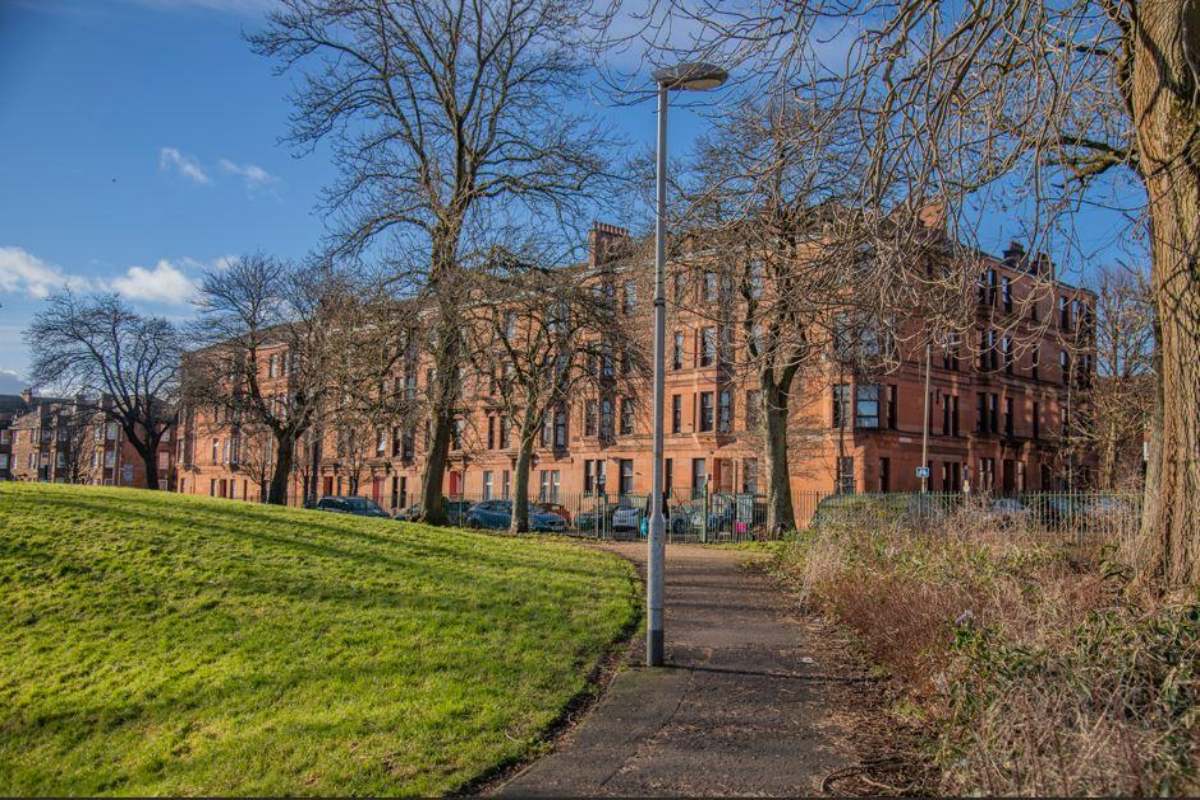
Govanhill has been chosen for the pilot project due to its proximity to a district heating network opportunity, as well as its diversity of built environment.
Kalamata and Pleiades IoT Innovation Cluster will focus on areas like smart cities as well as support participation in the European NetZero Cities initiative.
The initiative aims to accelerate innovation, foster global partnerships, and redefine the standards of digital governance in the 21st century around the world.
Centres in Muscat, Pretoria and Riyadh will focus on AI and the energy transition, industry digitisation and decarbonisation, and cybersecurity economics.
Sustainable AI infrastructure, data diversity and robust ethical guardrails are among top strategies for building equitable, intelligence-driven economies.