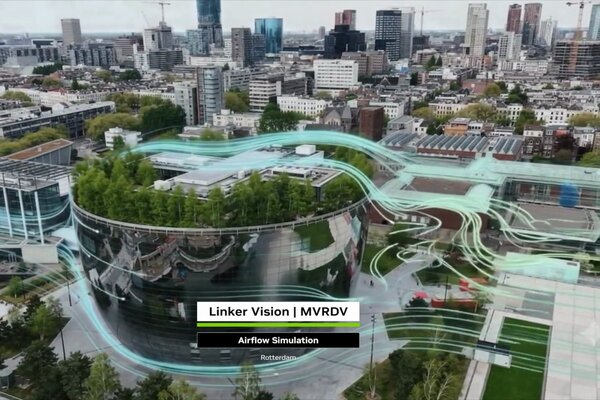
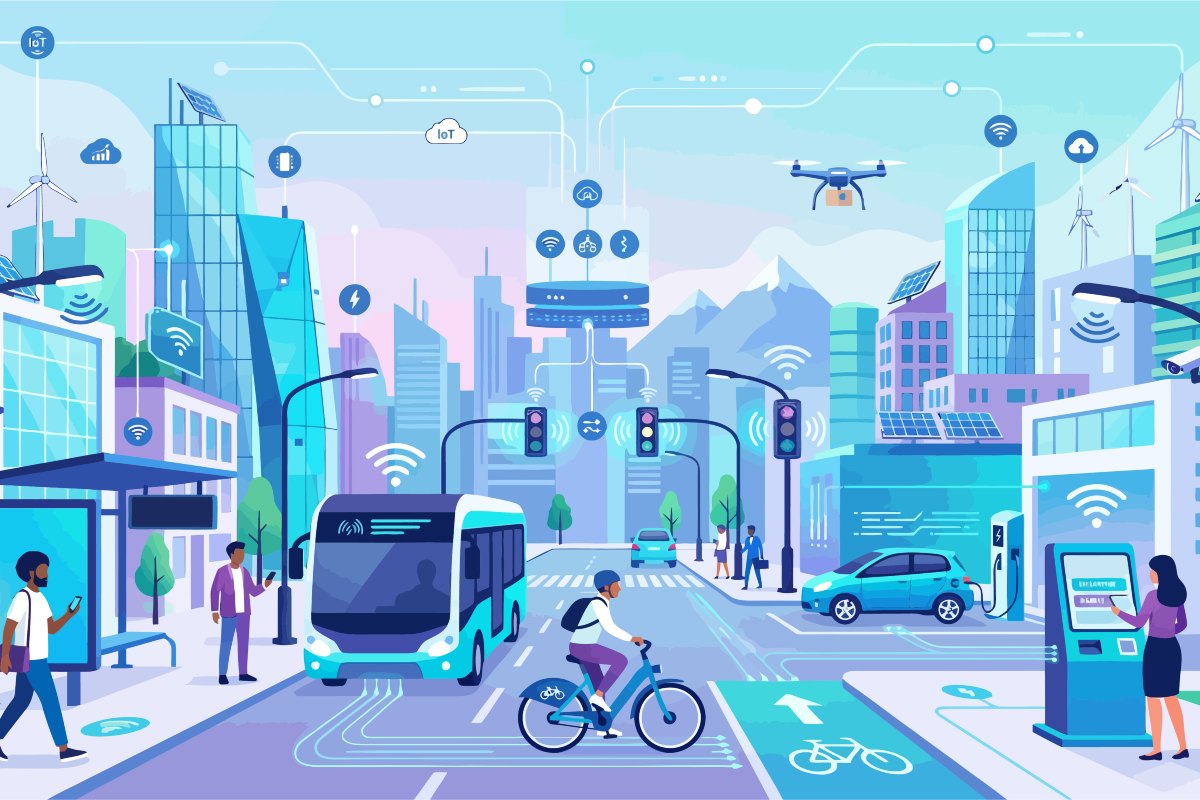
Discover how cities can utilise connected transport infrastructure to improve operational performance, passenger experience, and response times across urban mobility systems.
Explore how data and AI are being used in urban transport networks to support planning, day-to-day operations, and improve outcomes for communities and passengers.
As cities confront the combined pressures of climate change, infrastructure resilience and digital transformation, the SmartCitiesWorld Summit 2026 will bring together urban leaders and partners during London Climate Action Week to explore how these agendas intersect – and how cities can translate strategy into practical action.
From accelerating electric vehicle infrastructure to promoting active and shared modes of transport, the Cities Climate Action Summit (26-27 June) strives to unlock sustainable mobility solutions for a cleaner, healthier future.
Find out how the island city-state of Singapore is further building its reputation as one of the smartest nations in the world in the latest SmartCitiesWorld City Profile.
Find out how Sunderland is repositioning itself as a leading smart city – using digital infrastructure and low-carbon innovation to build a resilient, future-focused economy in the latest SmartCitiesWorld City Profile.
Gareth Tang, President of Urban Solutions at ST Engineering, explains how urban AI applications are set to evolve, detailing projects where AI is already making significant impact.
AppyWay will show cities why they need to adopt dynamic and data-driven kerbside management systems to optimise the use of kerb space and reduce congestion.
Developed with input from emergency services workers, the Blue Light tool will bring together information on each site’s future energy needs in one place.
SmartCitiesWorld City Profiles explore the city of Shenzhen, designated as China’s first special economic zone and a role model of urban modernisation. Find out more about Shenzhen’s smart city strategy in this 16-page report.
The long term-impact of the UK’s decision to leave the European Union and the country’s poor performance in the Covid-19 pandemic, are among the complex set of challenges it faces if London is to remain one of the world’s most influential and enviable cities.
Analysis by road safety technology company Tapco of 3,370 alert records across 23 states offers DoTs practical recommendations ahead of holiday travel.
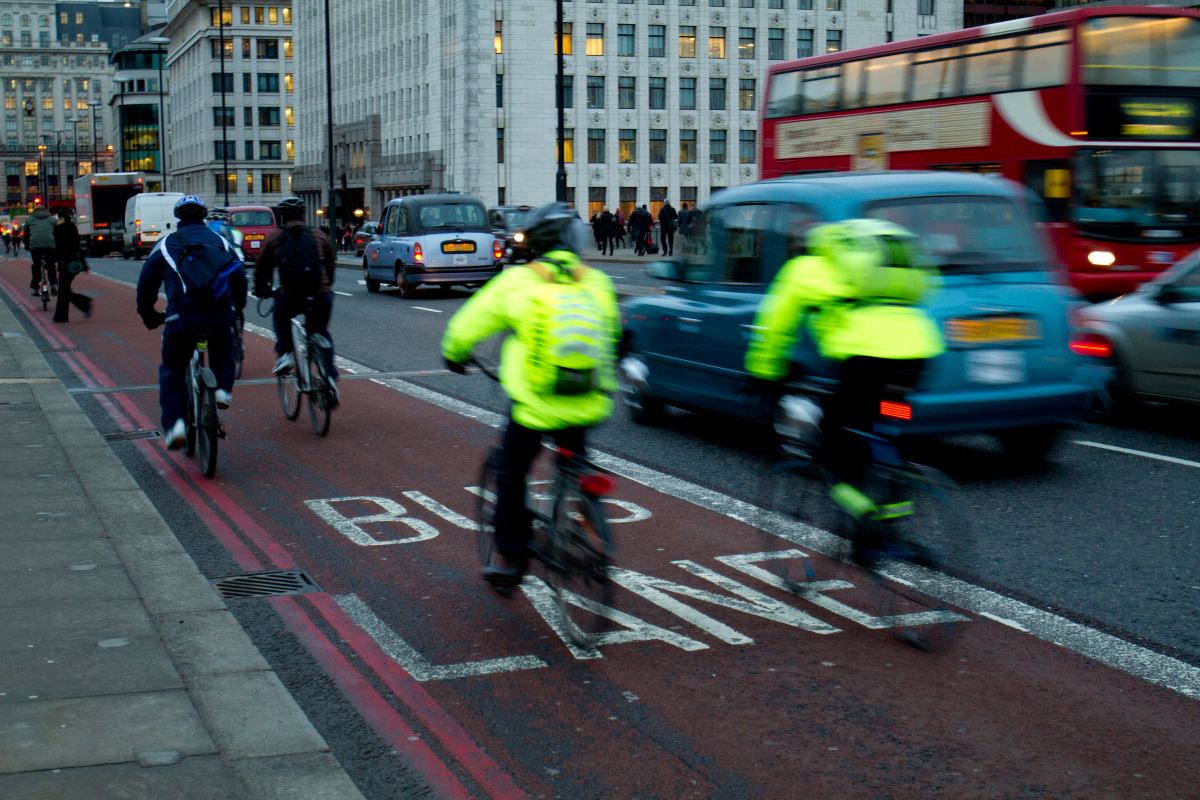
Project forms part of a programme of investment to make journeys more sustainable, travel between places easier as well as create healthier neighbourhoods.
Three-way strategic partnership will focus on developing and deploying autonomous solutions for ports, terminals and logistics zones, starting at Jebel Ali Port.
AI Nexa platform connects real-time city data with government standard operating procedures to coordinate action for public safety, resilience and sustainability.
Discover how cities can utilise connected transport infrastructure to improve operational performance, passenger experience, and response times across urban mobility systems.
EIT Urban Mobility’s ecosystem of startups, cities and partners will be showcasing a range of projects and solutions at Tomorrow.Mobility World Congress.
Competition reversed the traditional pitch model with cities defining real operational challenges and companies responding with deployment-ready solutions.
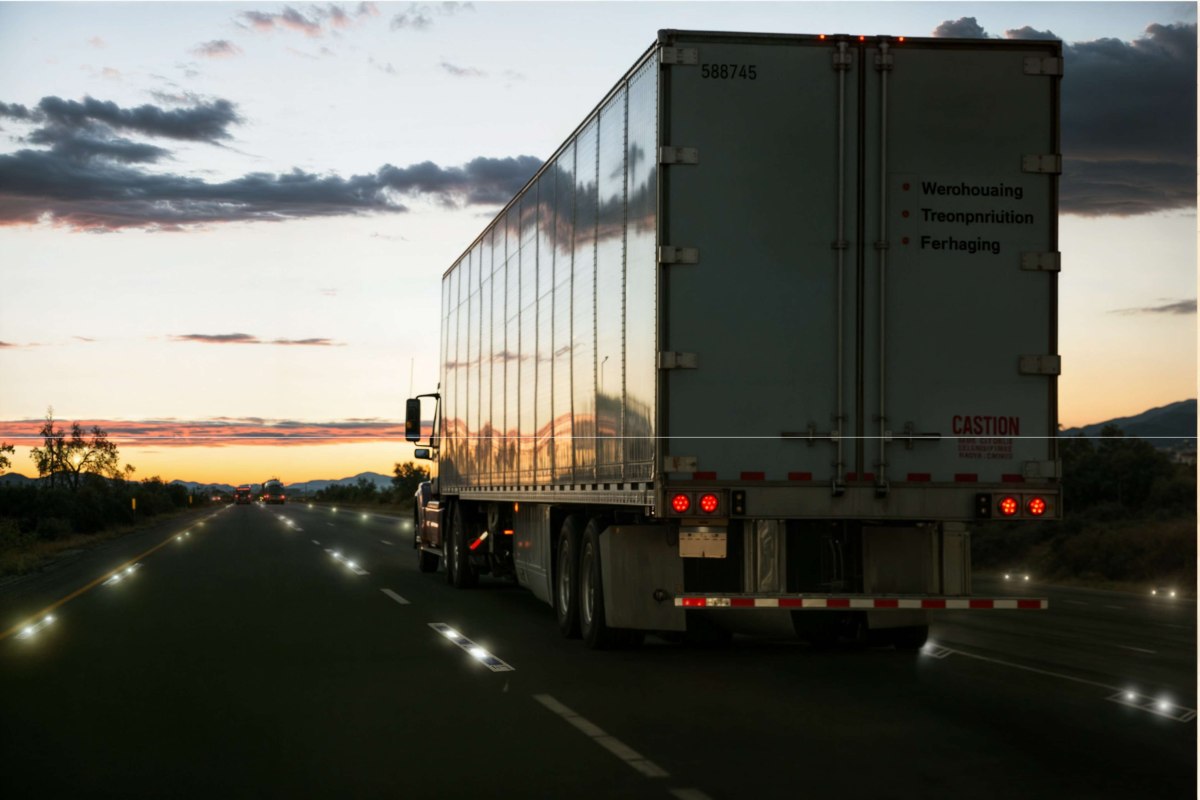
Grid-independent, lane-level data warns and reroutes drivers, first responders and freight fleets around snow, black ice, wrong-way drivers and crashes.
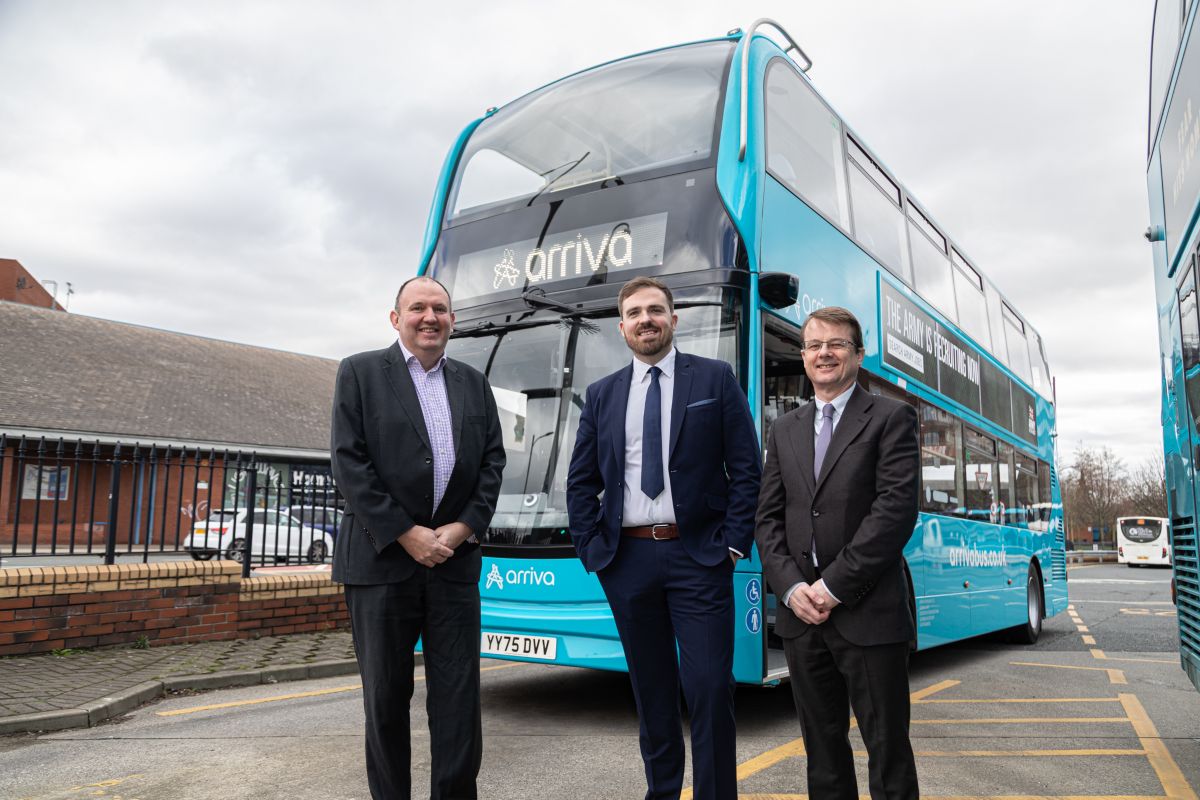
CitySwift will provide Arriva’s UK operating companies with a single, trusted source of network intelligence to support network management and long-term planning.
Innovators in the Mobility for All Challenge advance to a second phase to strengthen their assisted mobility, barrier management and trip-planning solutions.
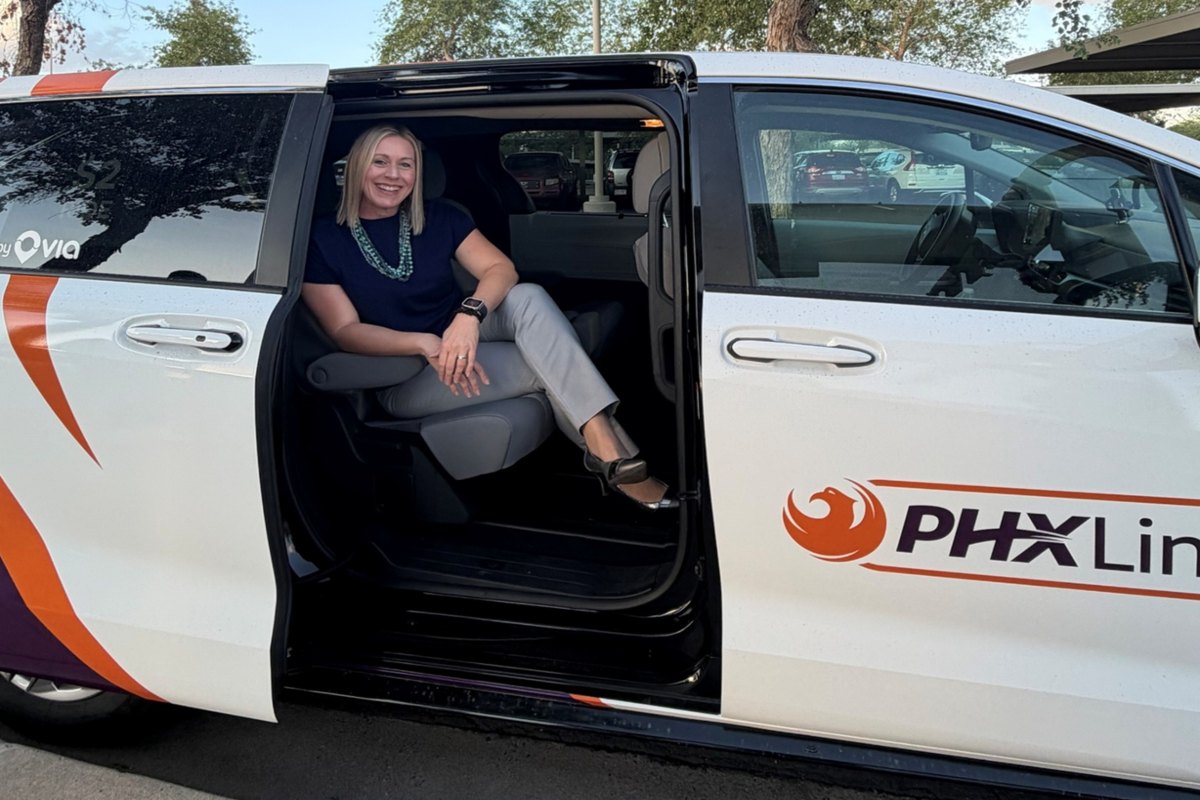
PHXLink is designed to connect Phoenix residents with public transit services and help with future transit planning based on ridership data during the pilot.
Ongoing transformation will see more than 50 new trees, 100-plus seats, two public squares, rest areas and signage to help people enjoy the pedestrianised area.
App allows agencies to continue using existing Diamond traffic counters while simplifying how they collect, manage and transfer data used to inform roadway planning.
Upgraded myDTA brings fare-capping, smartcards and contactless payments to make transit more convenient, accessible and affordable for every rider across the region.
The partnership brings MagicEye, Optibus’ AI driver safety system, to UK bus and coach fleets as fatigue and distraction prevention becomes a requirement.
Report shows how 17 companies tested tools for infrastructure inspections, maintenance planning and data management with transit agencies in the tri-state area.
Strategic partnership will see Element Fleet Management support Waymo’s Toronto operations with end-to-end fleet management and intelligent mobility solutions.
All 32 member utilities of Florida Municipal Power Agency have access to Noteworthy AI’s asset visibility, condition analysis and storm-response capabilities.
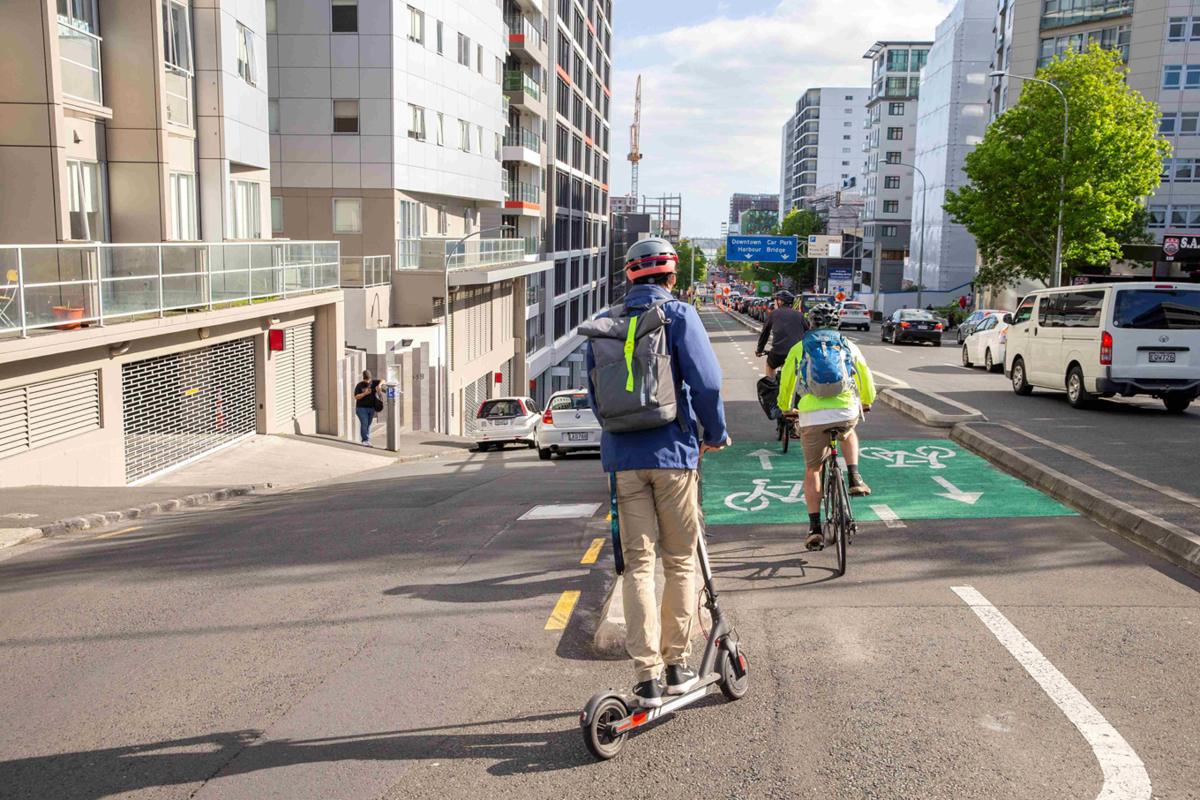
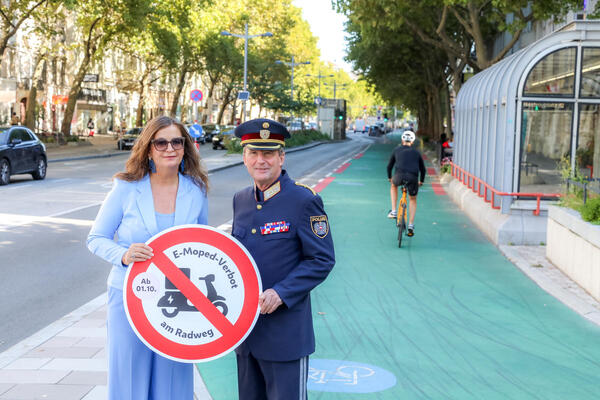
The changes, introduced under the Government’s Land Transport Rules Reform Programme, include allowing e-scooters to use cycle lanes in the New Zealand city.
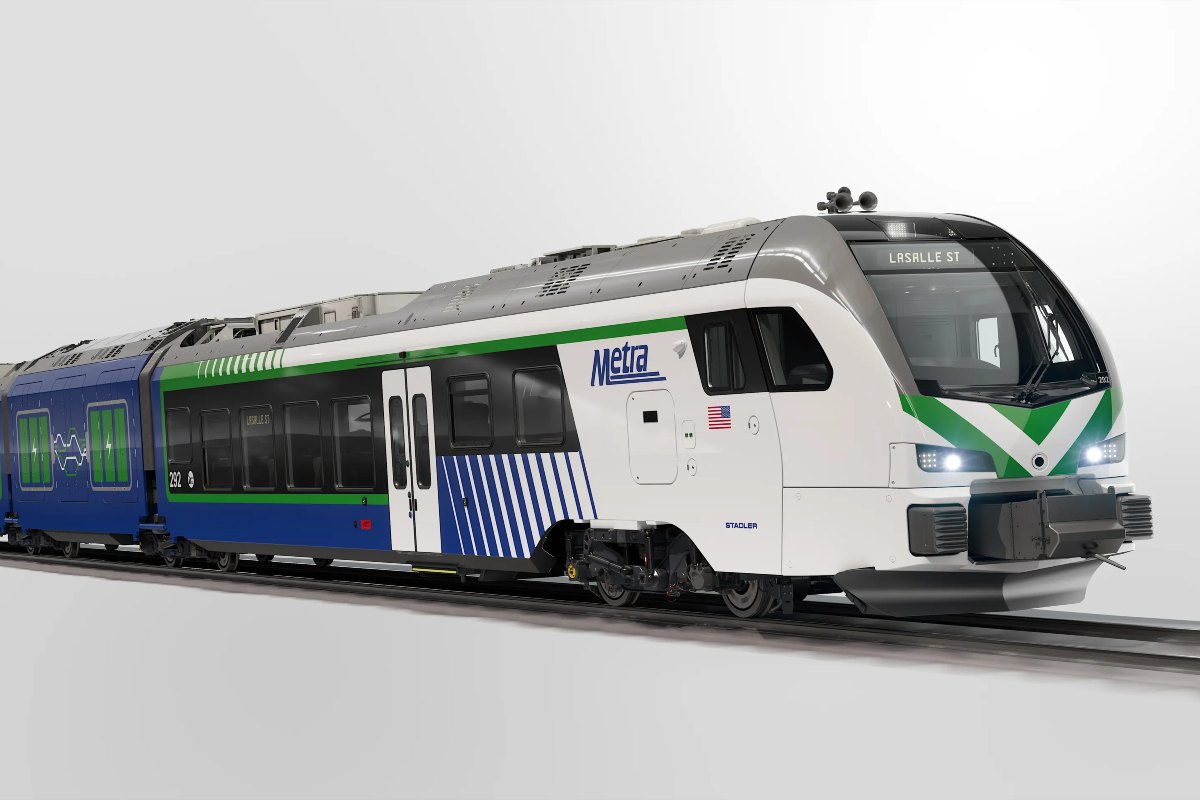
Metra plans to introduce the trainsets between LaSalle Street station and Blue Island on the Beverly Branch of the Rock Island Line, a distance of 16.4 miles.
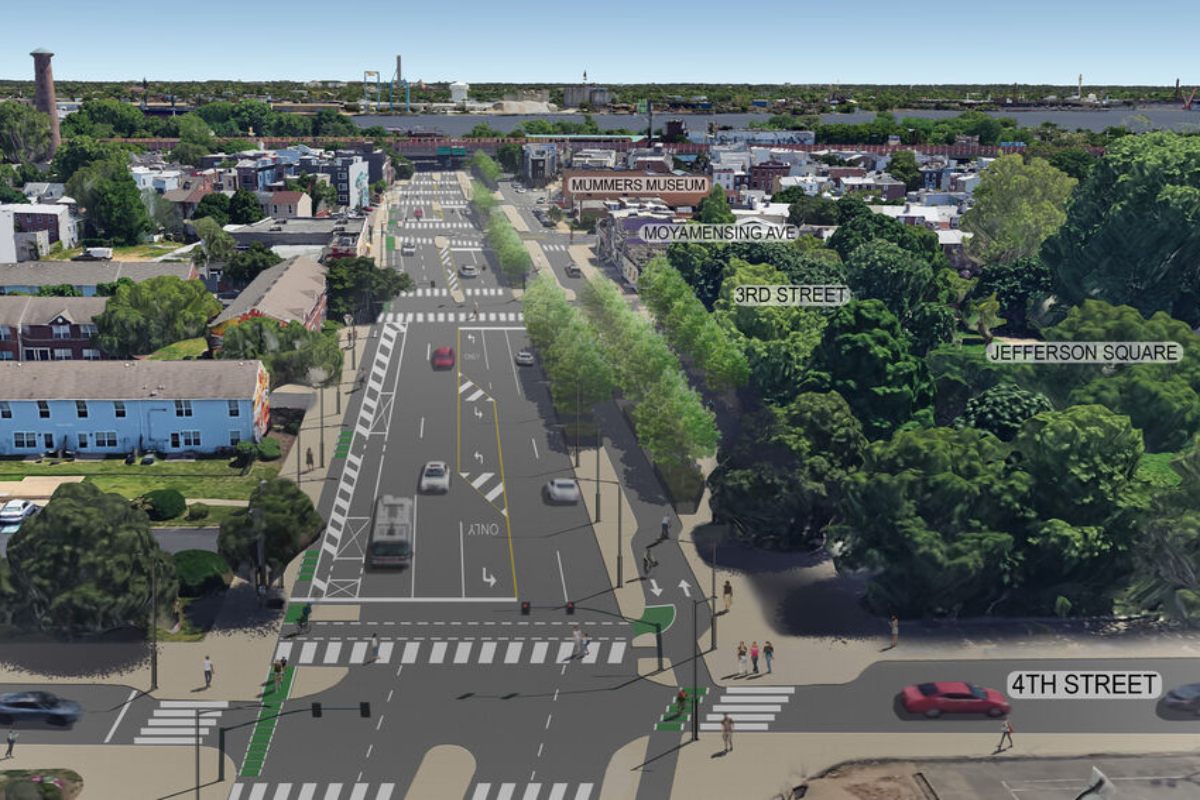
Washington Avenue has been redesigned with improvements to traffic safety and quality of life for everyone whether they walk, roll, bike, take transit or drive.
New app gives transit agencies a direct digital connection with riders, combining journey intelligence and fare collection on Masabi’s Justride platform.
Toyota Mobility Foundation and Polis will support three to five cities to co-develop and deploy inclusive, innovative, and sustainable mobility solutions.
The Parking Scorecard analyses more than 120 downtown areas across North America and Europe, comparing parking availability, prices and kerb use policies.
Early access to the app rolls out in Barcelona and Hamburg first and, throughout October, it will become available for riders to use in other European cities.
AI Labs brings together transit ecosystem from agencies and tech partners to develop AI solutions with some already in testing with Greater Dayton agency.
Explore the transition from smart to cognitive cities, and how the advancement of AI – from computer vision, to generative AI, to agentic AI – is enabling more efficient, effective local government operations.
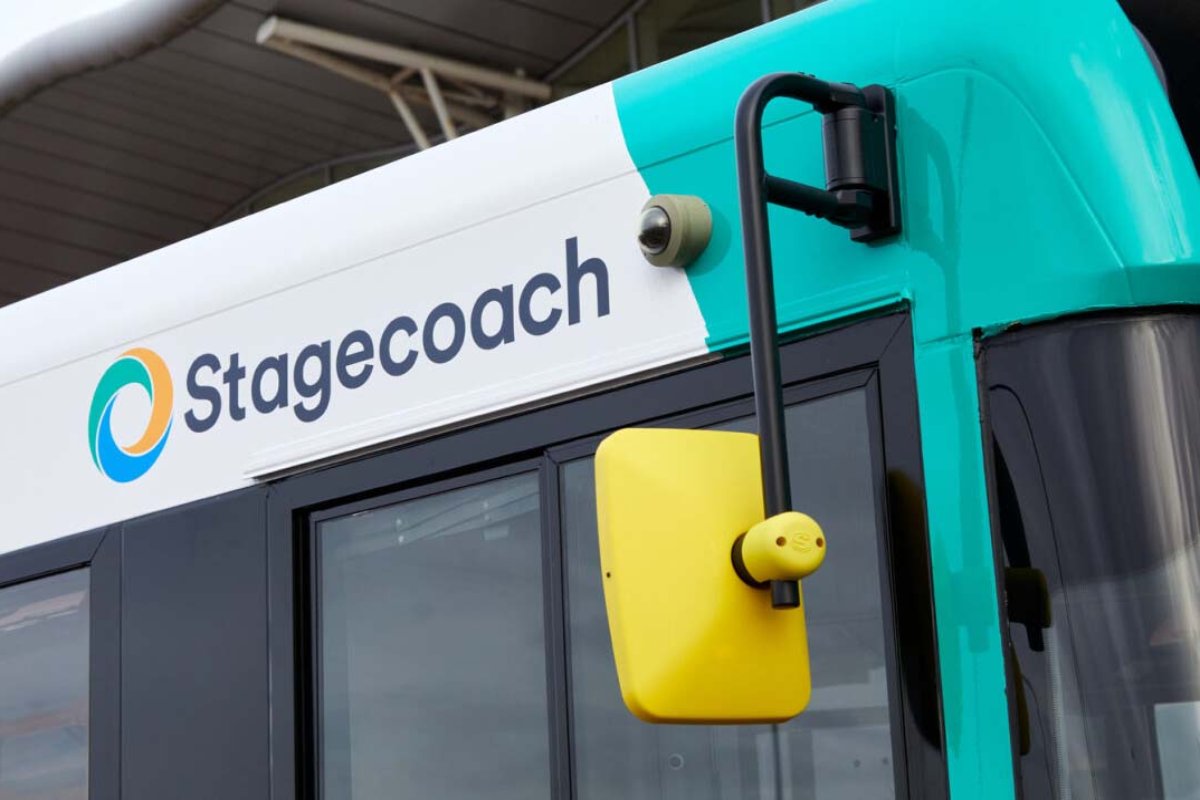
Stagecoach Group has chosen Littlepay to provide contactless payment infrastructure for its fleet of more than 8,300 vehicles, beginning in the city of Oxford.
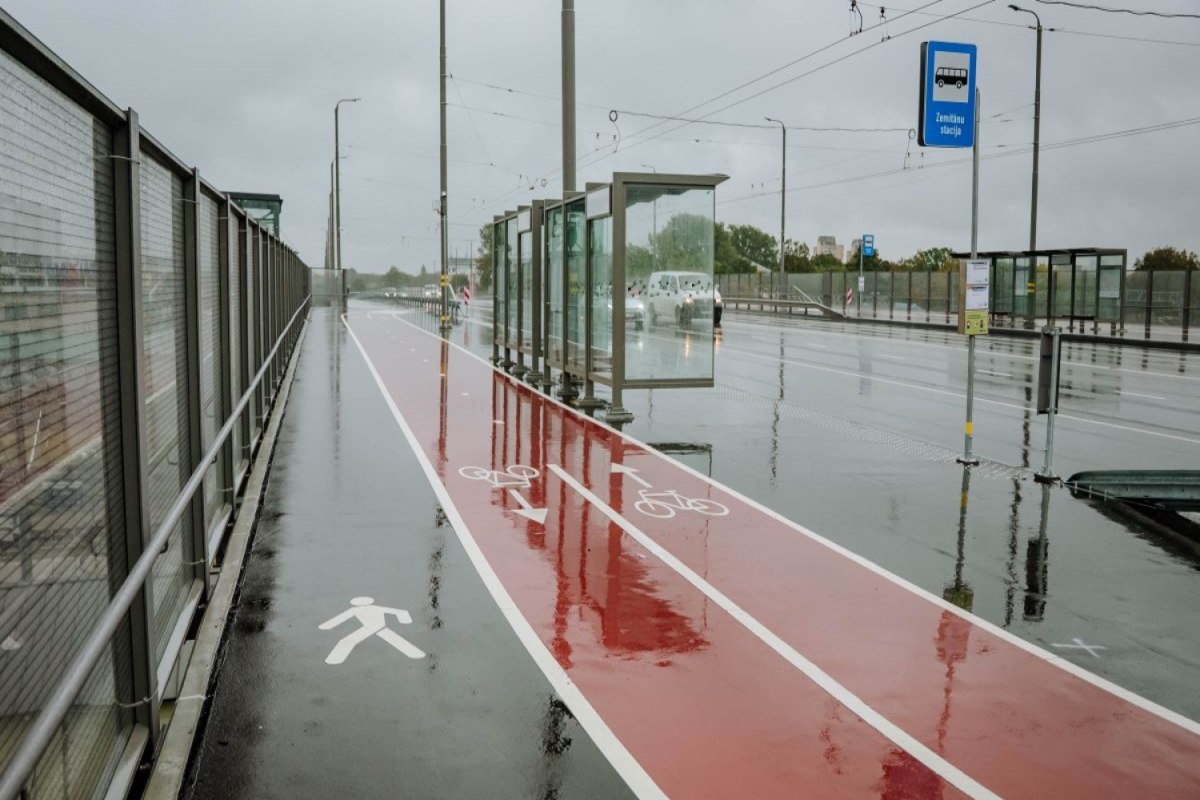
The projects include reconstruction of the Jorģis Zemitāns Bridge and the creation of 15 mobility points at railway stops in various city neighbourhoods.
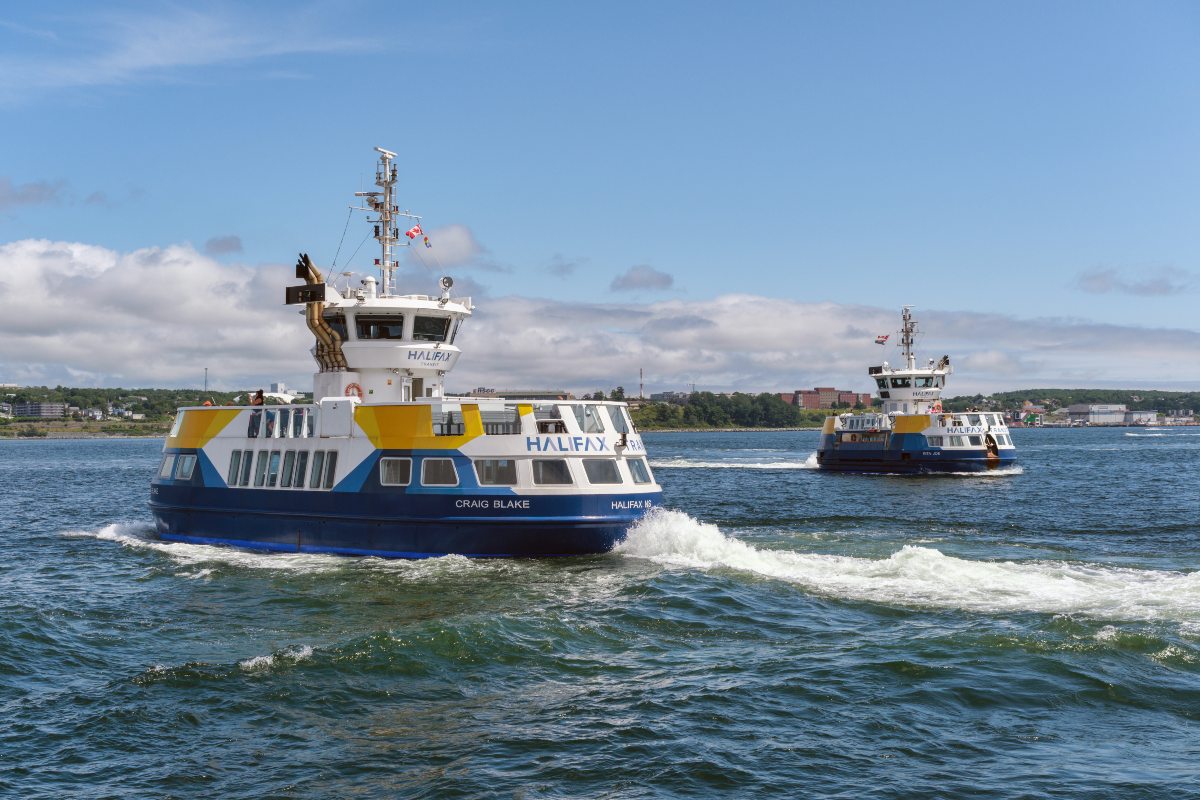
New system delivers Tap & Ride ease through the HFXGO app with fare-capping ensuring occasional riders and regular commuters always get the best possible fare.
The $1.3m project will create a safer, more accessible crossing of Ridge Avenue while reconfiguring the five-way intersection to better align the approaches.
A new framework, backed by legislation, would replace the current borough-by-borough approach with consistent London-wide standards for rental bike schemes.
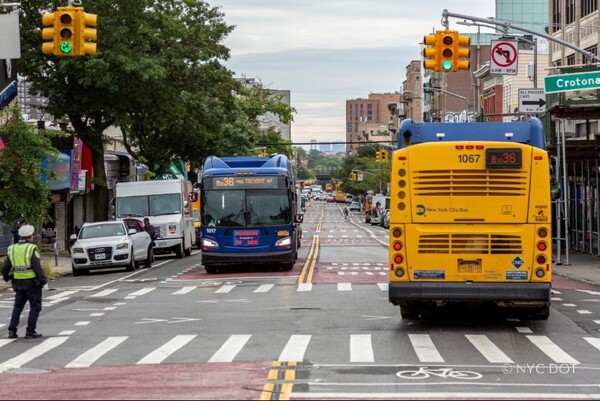
The Tremont Avenue busway aims to provide faster and more reliable journeys for 39,000 daily riders while laying the foundations for a future bus rapid transit corridor.
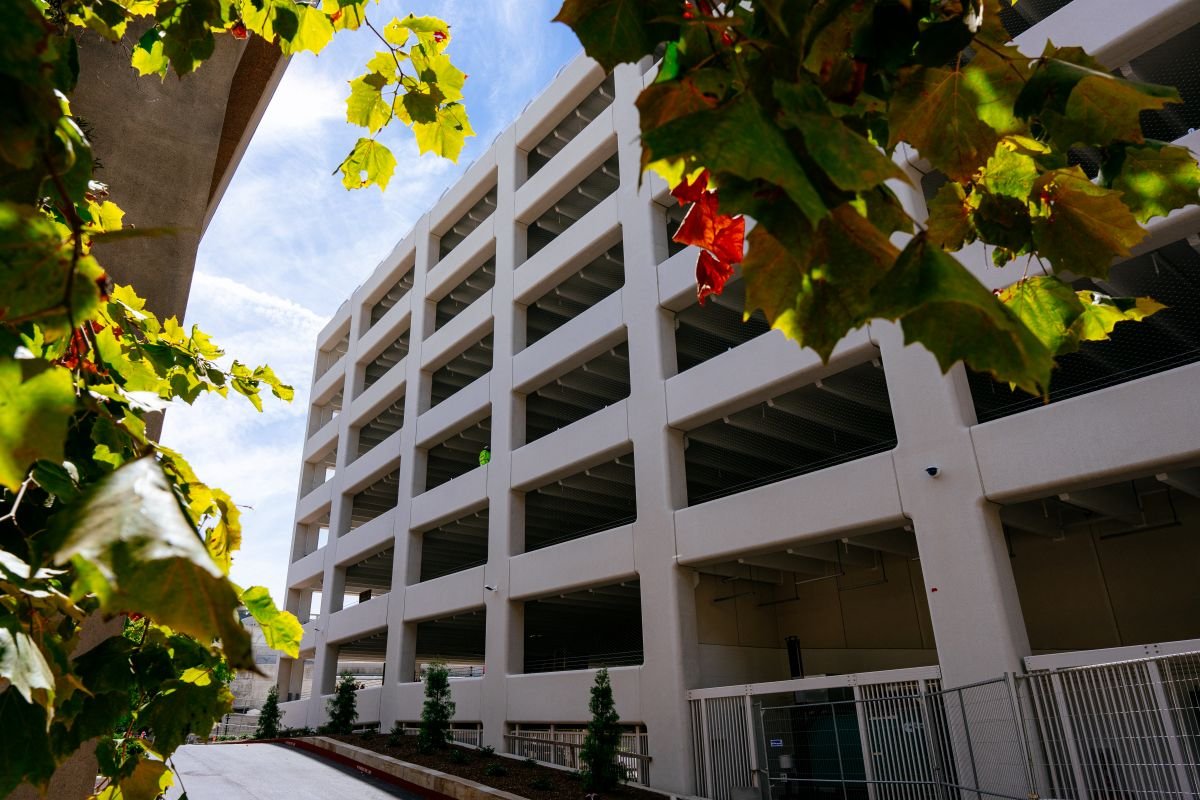
The system helps students, staff, and visitors quickly locate available parking across all eight levels of the garage, which opened earlier this month.
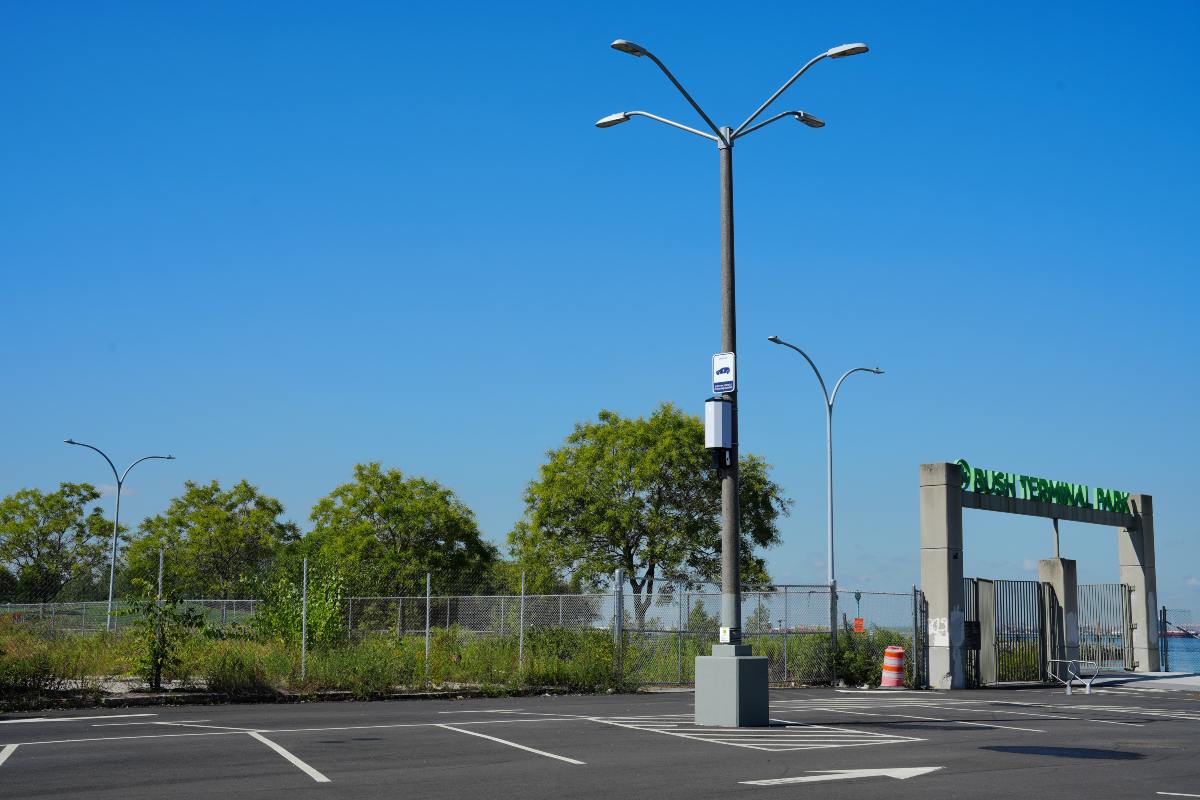
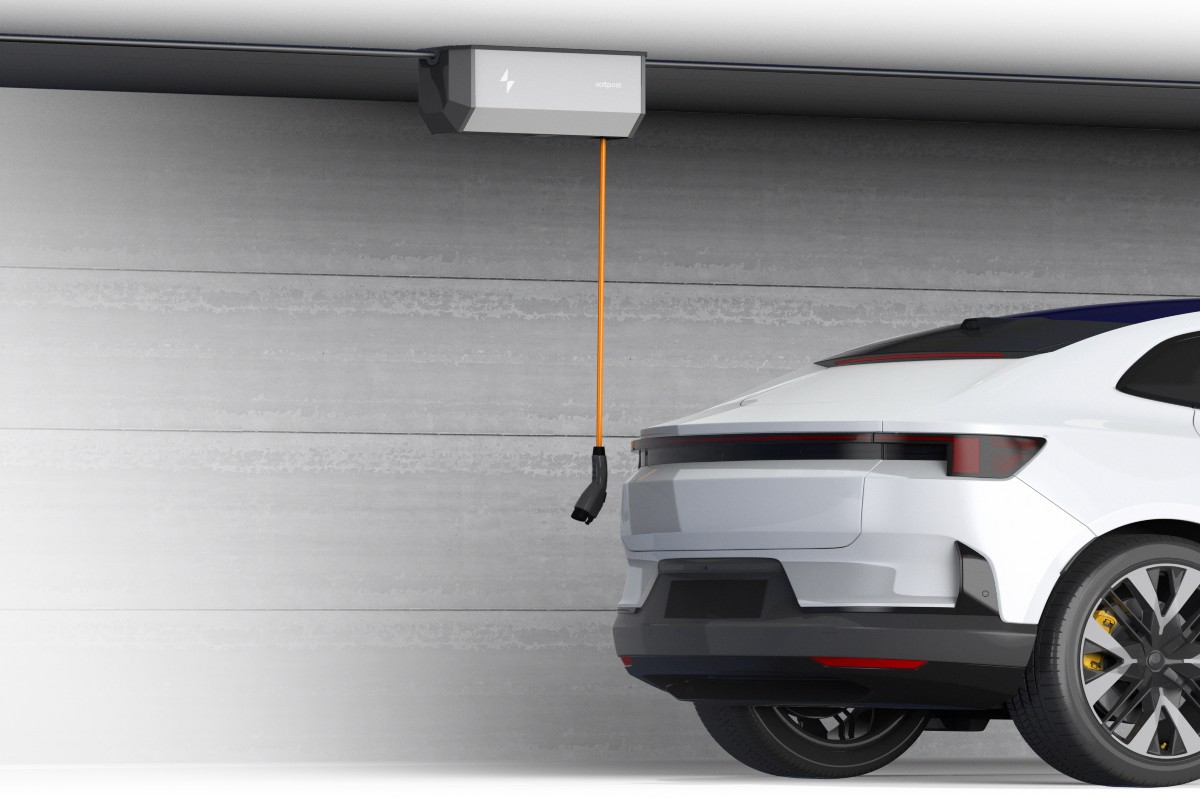
New deployments build on Voltpost’s growing New York footprint, marking a milestone in the company’s efforts to scale EV charging to communities nationwide.
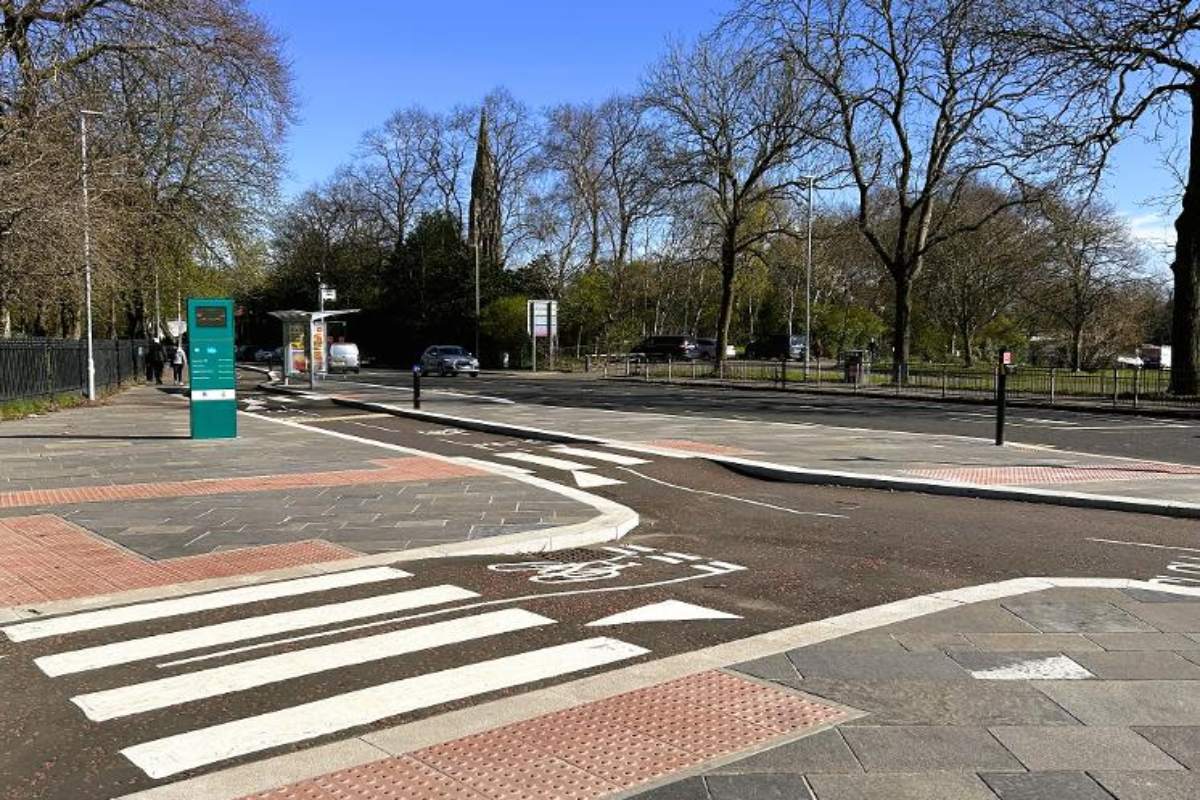
Walking, wheeling and cycling projects across the Scottish city will support new infrastructure, improve public spaces and develop active travel routes.
The City of Phoenix, C40 Cities and WSP invite public feedback on a draft plan to expand reliable, driver-centered EV charging for high-mileage vehicles.
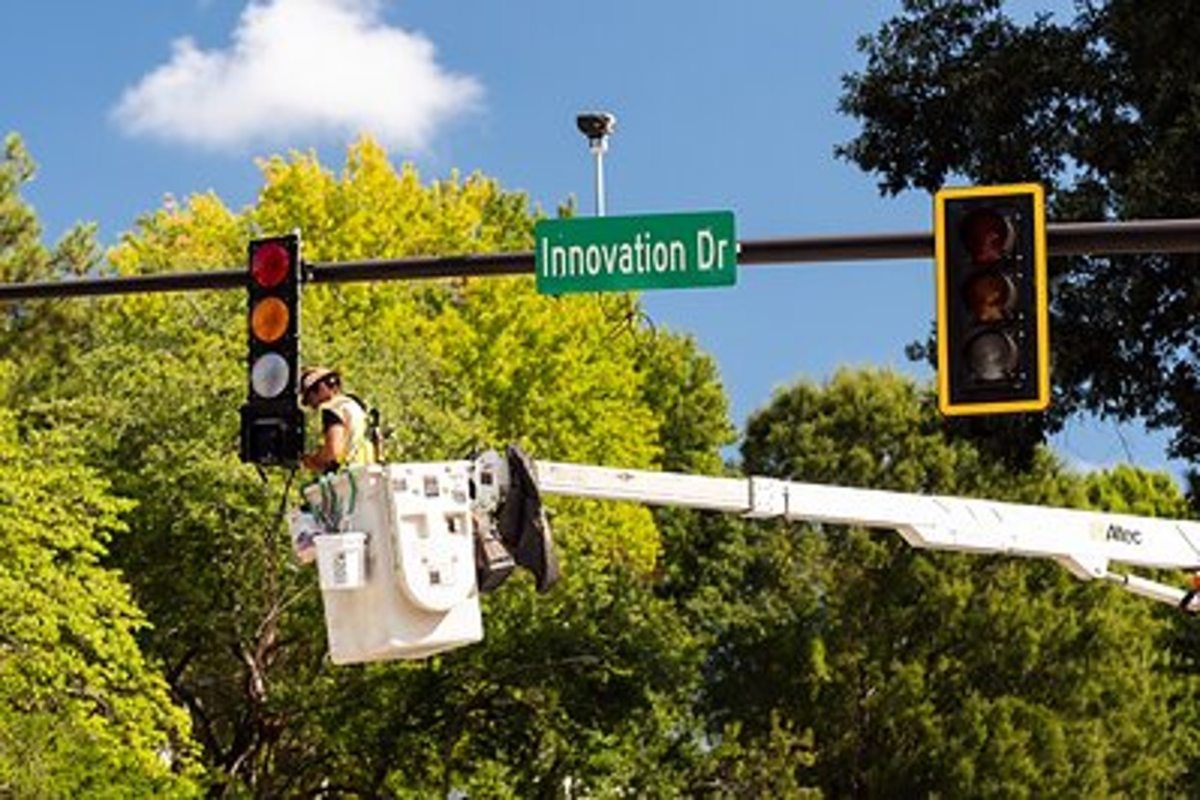
The Leotek Interlux AI Traffic Signal System is being evaluated under real-world traffic conditions within Curiosity Lab’s connected smart city environment.
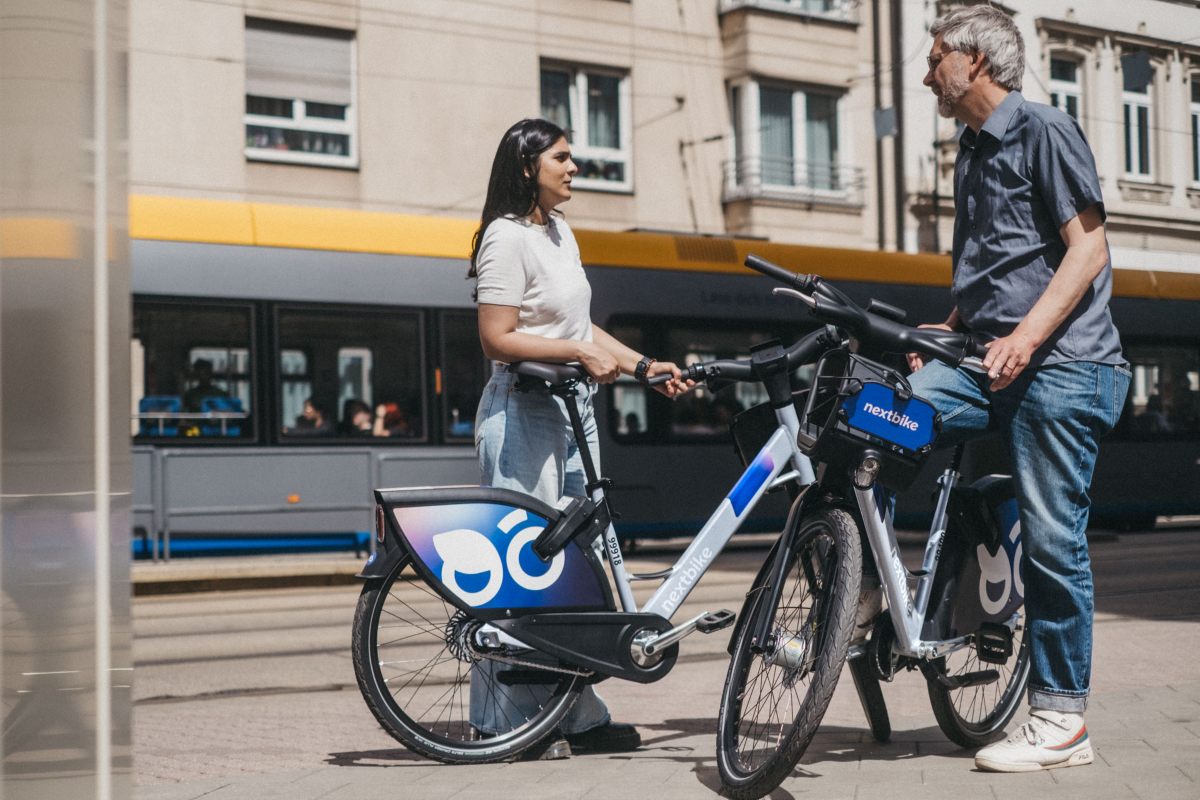
Data from nextbike reveals between January and July 2026, riders completed more than 26 million rides while 500,000-plus new users registered for the service.
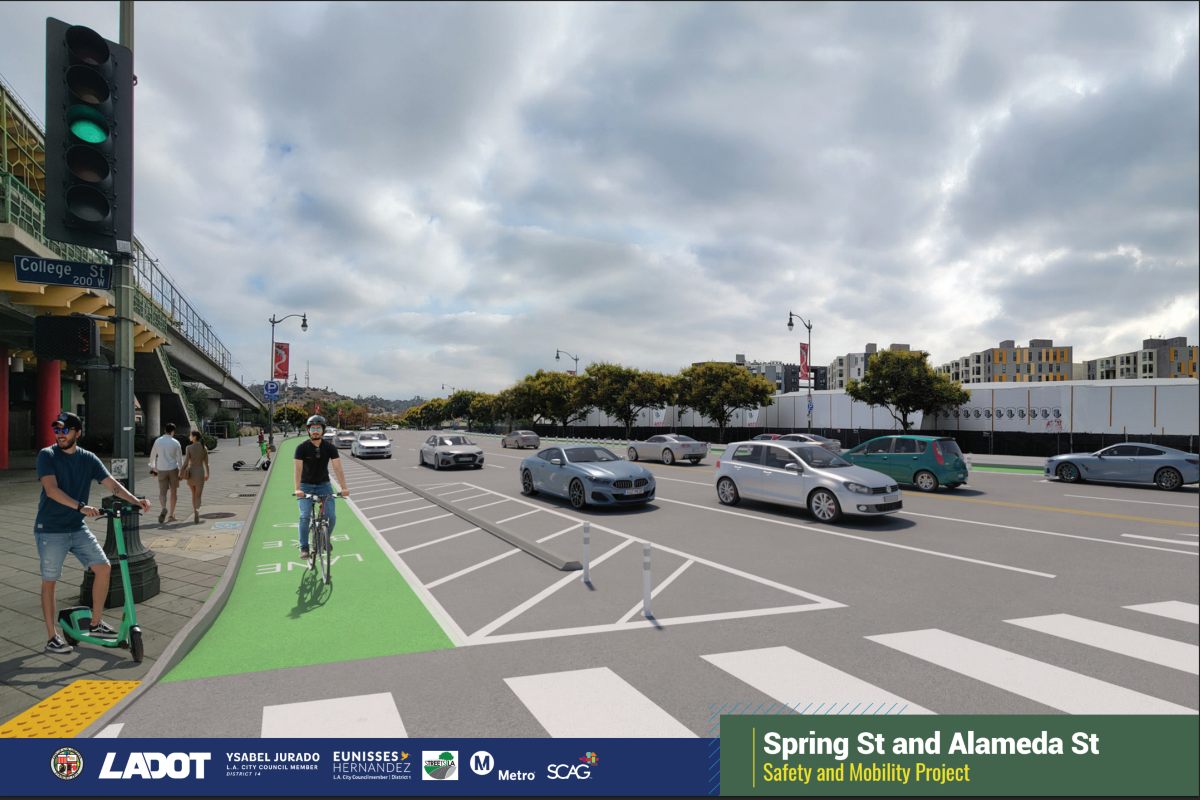
Spring-Alameda Safety and Mobility Project will create pedestrian and road safety improvements in Downtown and Chinatown at two of LA’s most important corridors.
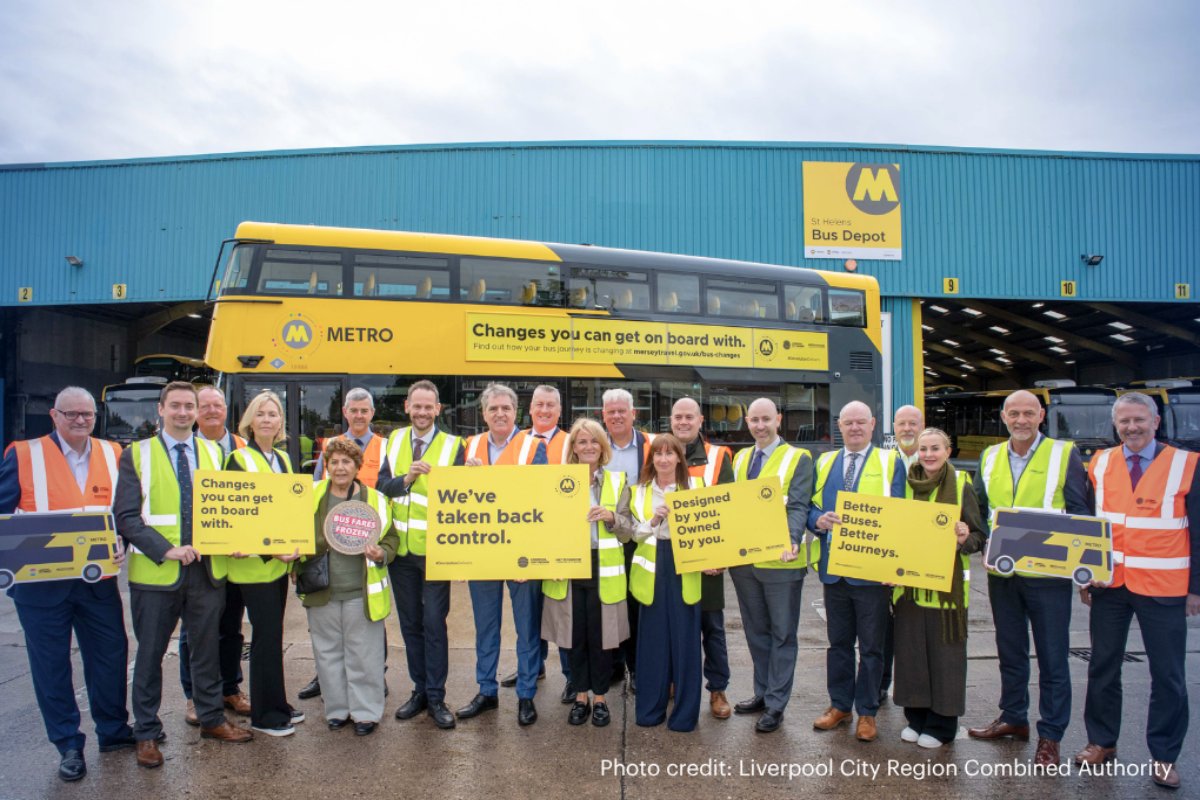
Littlepay’s contactless payment technology powers open-loop payments as the bus service is returned to public control for the first time in four decades.
Agreement will bring intelligent signal priority tech to 67 intersections across Livermore, Dublin and Pleasanton, with plans to expand across Lavta’s full bus fleet.
The updated plan sets out more than 70 actions, including those to help adapt the transport network to keep London moving in the face of a changing climate.
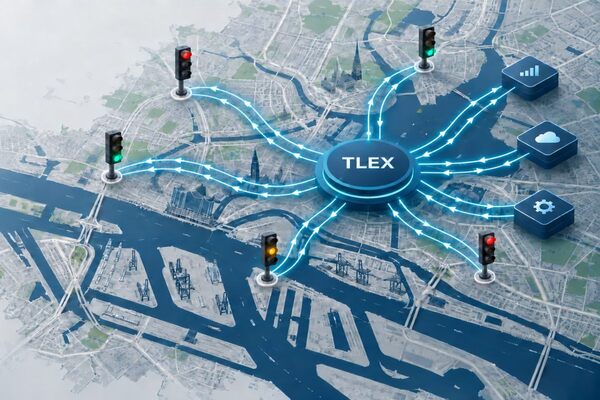
The proof-of-concept project brought together the City of Hamburg in Germany, Hamburg University of Applied Sciences, Yunex Traffic, TraffGO Road and Monotch.
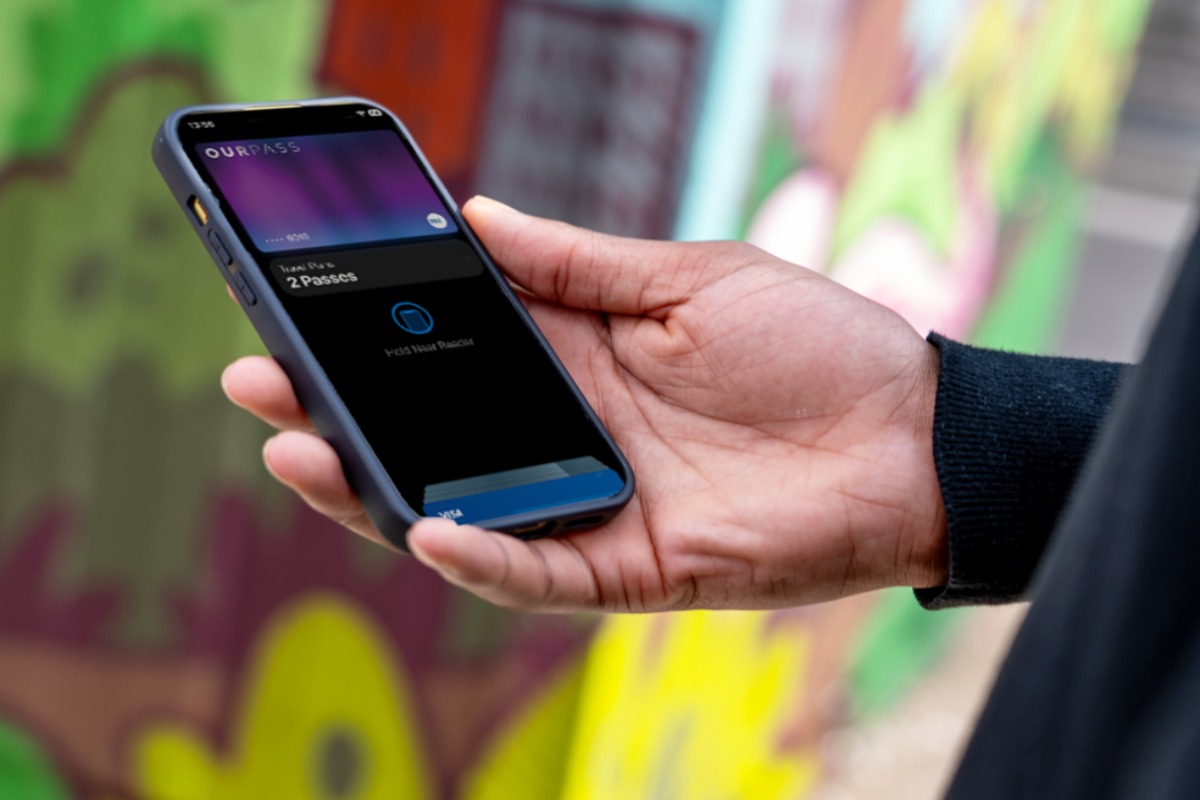
The integration brings secure, one-tap travel to a pass used by more than 50,000 young people in Manchester and creates scope for wider digital ticketing.
Cool Pavement approach helps lower surface temperatures by up to 12 °F and reflects a higher portion of the sunlight that hits it, absorbing less heat.
Dashboard brings together data from the city’s network of transport sensors to provide an easy-to-use tool to find out about walking, biking and vehicle movement.
Port Phillip, Casey, Knox and Stonnington councils have already been chosen for the first phase of the trial, where four acoustic cameras will be installed.
Transit Orange will deploy TRC’s Pingo platform to support scheduling, dispatching, real-time vehicle management, and rider communications for its services.
AIWaysion will deploy its Mobile Unit for Sensing Traffic to help DDoT independently observe and analyse AV operations in real-world, mixed urban traffic.
Technology detects approaching emergency vehicles, including ambulances, police vehicles and fire engines, helping AV buses respond appropriately and safely.
Inventory shows that emissions declined between 2022 and 2024, continuing a long-term trend of reducing climate pollution while the City of Seattle has grown.
Air models extend retrofit EV charging to parking garages, walls and pedestals, giving municipalities, fleet operators, and property owners versatile options.