










 22 - 26 June 2026: Find out more


BUILD YOUR OWN
RESOURCE LIBRARY



Opinions
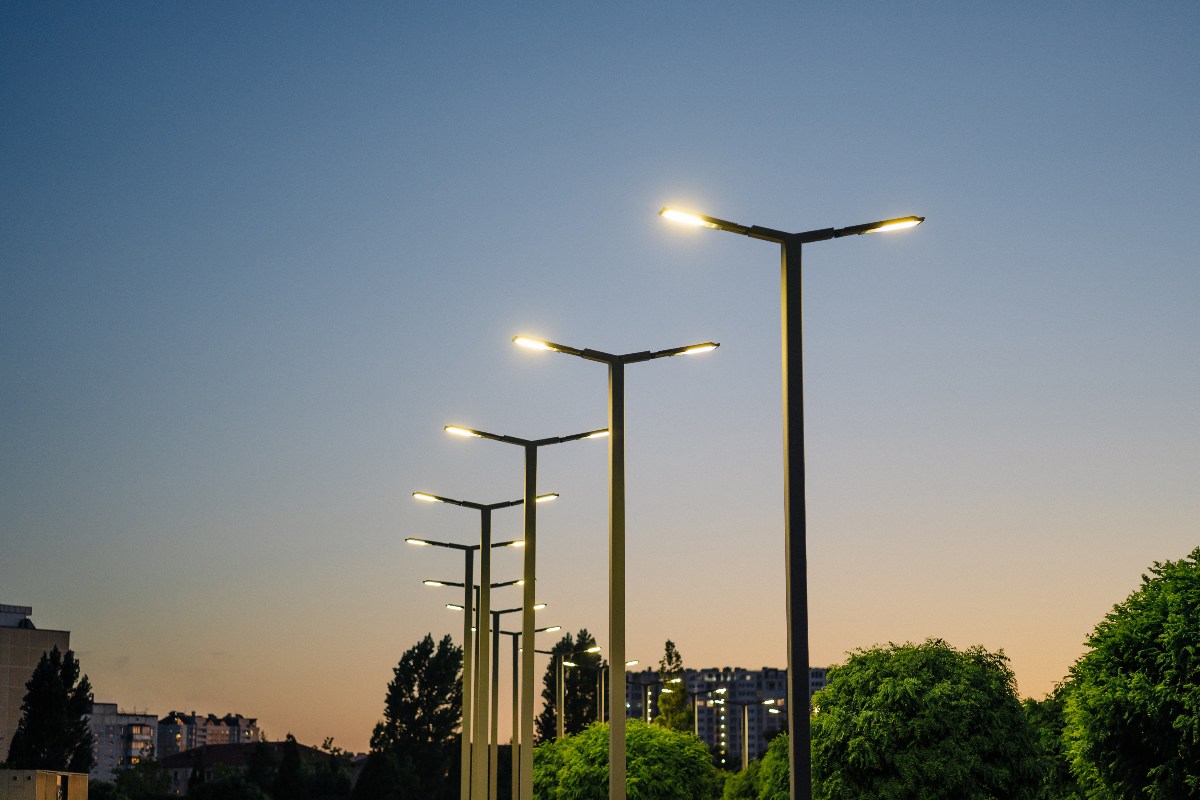
Smart lighting: enabling smart cities beyond illuminationSponsored by Paradox Engineering

How AI and biometrics are shaping next-generation mobility paymentsSponsored by ST Engineering
Tool assists emergency services with EV shift
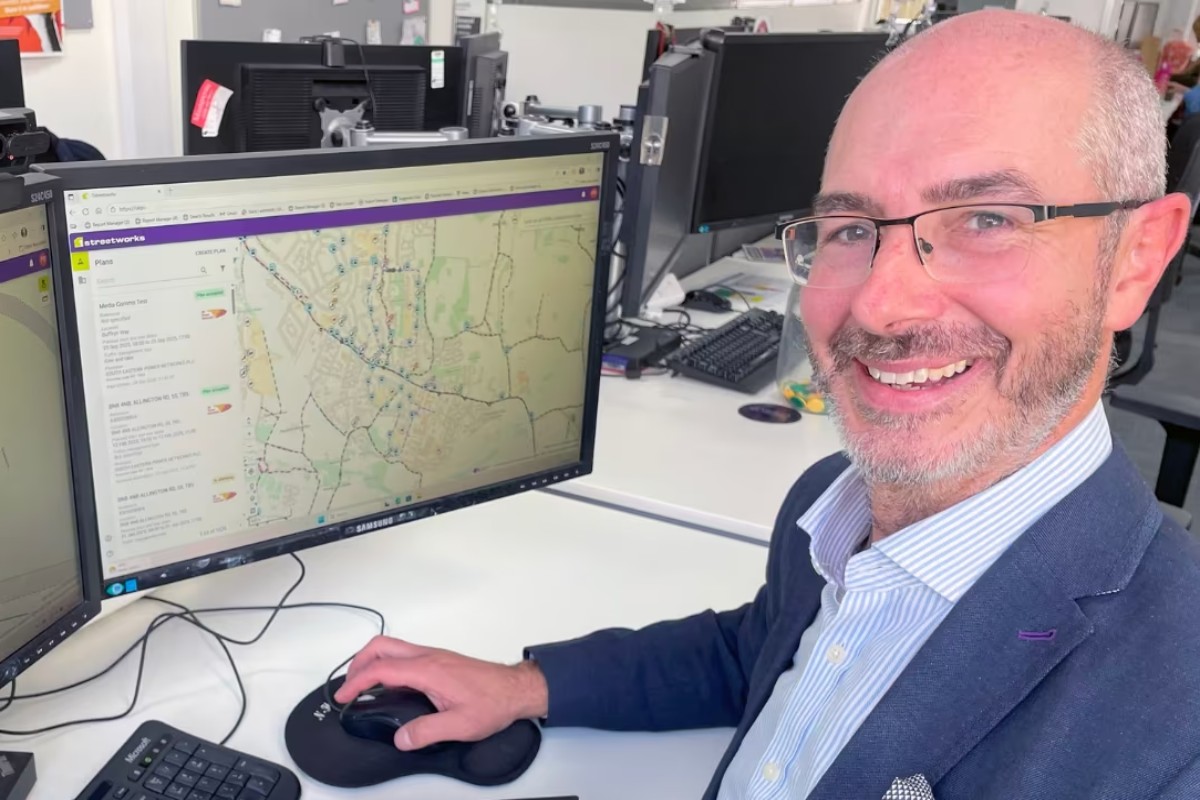
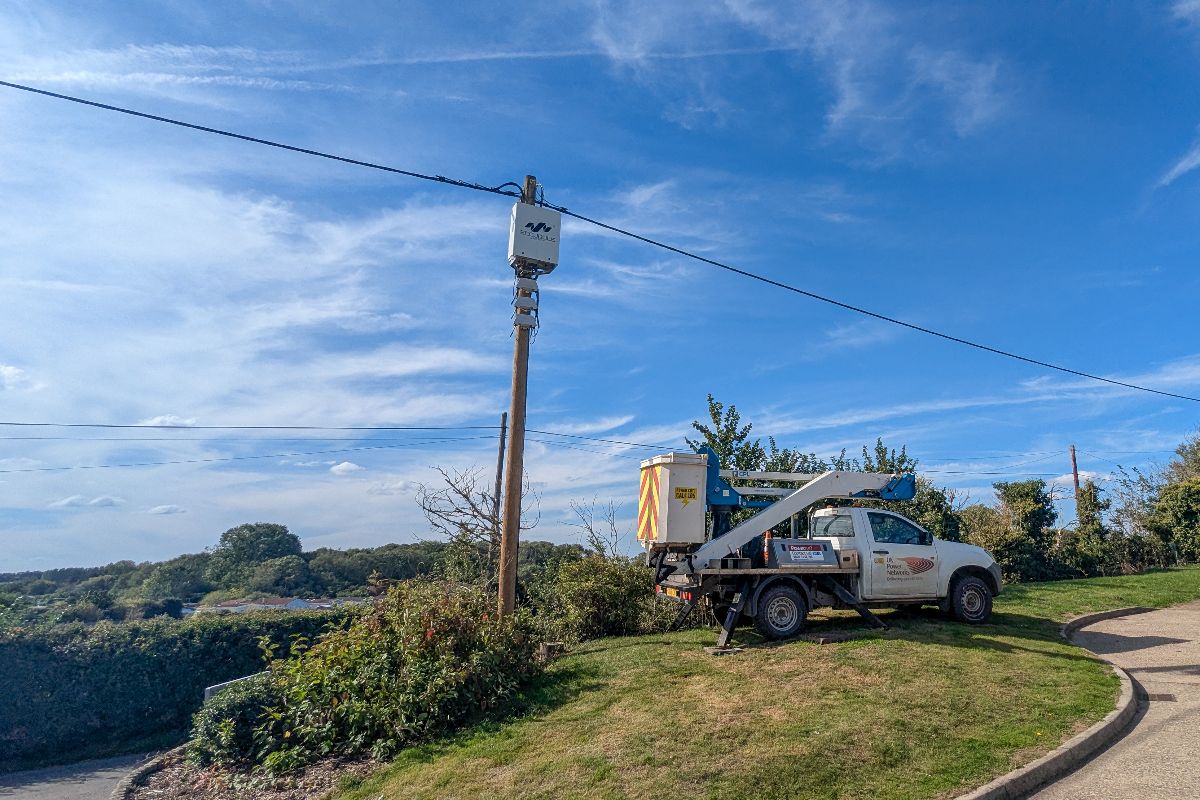
Developed with input from emergency services workers, the Blue Light tool will bring together information on each site’s future energy needs in one place.


As the UK’s emergency services change to electric vehicles and estates, UK Power Networks is introducing an initiative designed to simplify and speed up the transition.
The ‘Blue Light’ project aims to help ambulance, police, and fire and rescue services plan and deliver the low-carbon technologies they need, from electric vehicle (EV) charge points to energy-efficient upgrades for depots, while keeping critical operations running smoothly.
Delivering low-carbon upgrades
Emergency services typically operate across multiple sites, and with highly specialised fleets, tightly controlled budgets and reliability is critical. The process of managing multiple applications for new electricity connections, can also be complex for these essential services.
Blue Light is creating what the electricity distributor claims is a first-of-its-kind digital tool that will show emergency services exactly where and when extra electricity is available, and how to use it most efficiently, making it quicker, cheaper and easier to plan and deliver low-carbon upgrades across their sites.
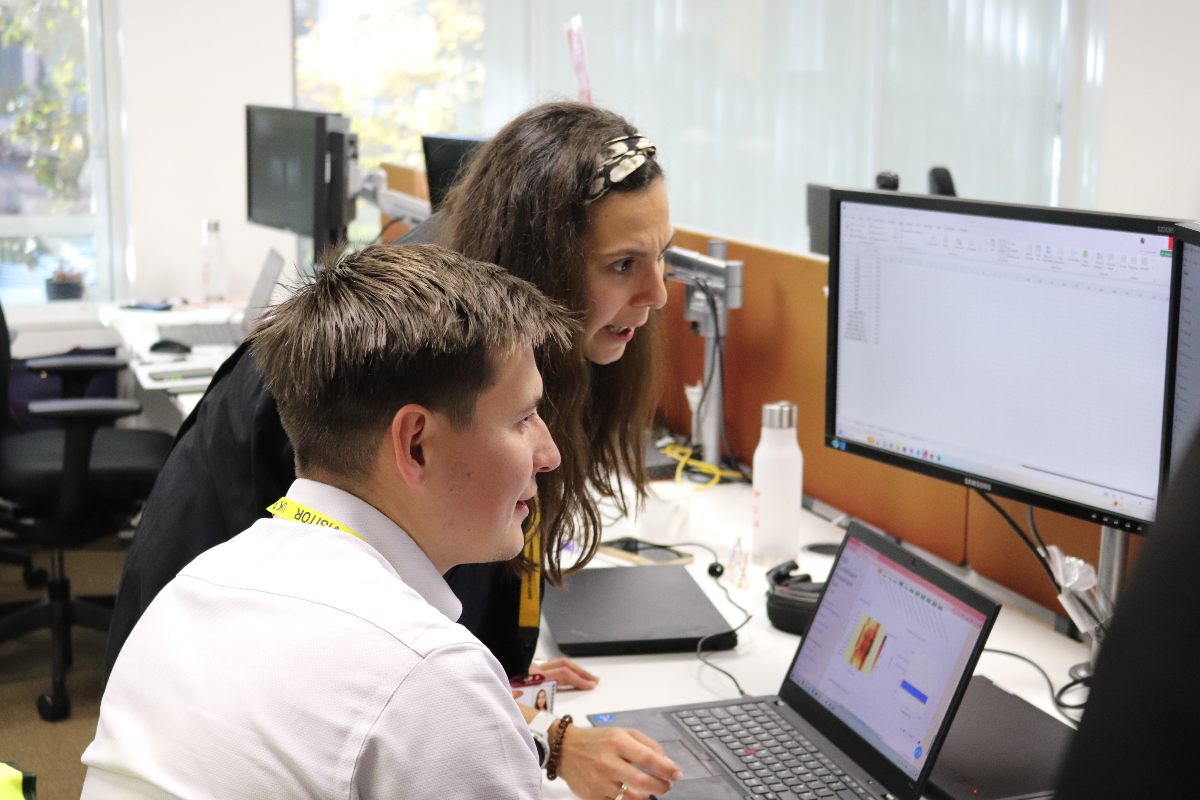
Developed with input from emergency services workers, the tool will bring together information on each site’s future energy needs in one place – replacing the need to gather it from multiple sources – making it easier to plan suitable connections, minimise delays and better coordinate streetworks with other utilities.
Read More
By combining research, customer engagement, and advanced data modelling, Blue Light aims to give emergency services faster, clearer insight into their connection options, replacing the need for multiple applications and repeated discussions, helping to reduce costs and deliver connections more efficiently.
UK Power Networks reports the project is currently in its development phase, with a proof-of-concept tool co-designed with emergency service organisations.
“This means emergency services can see exactly where electricity capacity is available, explore practical options to use it efficiently, and plan upgrades without lengthy, repeated processes”
Luca Grella, head of innovation at UK Power Networks, said: “Emergency services play an essential role in keeping our communities safe, and their transition to low-carbon technologies must be made as seamless and efficient as possible. Through the Blue Light project, we’re bringing together, for the first time, all the information needed to plan new electricity connections into one easy-to-use tool.”
“This means emergency services can see exactly where electricity capacity is available, explore practical options to use it efficiently, and plan upgrades without lengthy, repeated processes,” added Grella.
“By simplifying and speeding up connections, we’re improving the customer experience while ensuring critical operations stay resilient as the UK moves towards net zero carbon emissions.”
Why not try these links to see what our SmartCitiesWorld AI can tell you.
(Please note this is an experimental service)
How does the Blue Light tool integrate data from multiple emergency sites?What methods does the tool use to identify available electricity capacity?How can the tool optimize planning for EV charge point installations?In what ways does the tool reduce delays in electricity connection applications?How does the Blue Light project support low-carbon upgrades for emergency services?
Latest City Profile
Latest Urban Exchange Podcast
SmartCitiesWorld Newsletters (Daily/Weekly)
You may also like these related articles...
BECOME A MEMBER
© 2026 SmartCitiesWorld
Smart Cities World Ltd, 27 Clements Lane, London, EC4N 7AE