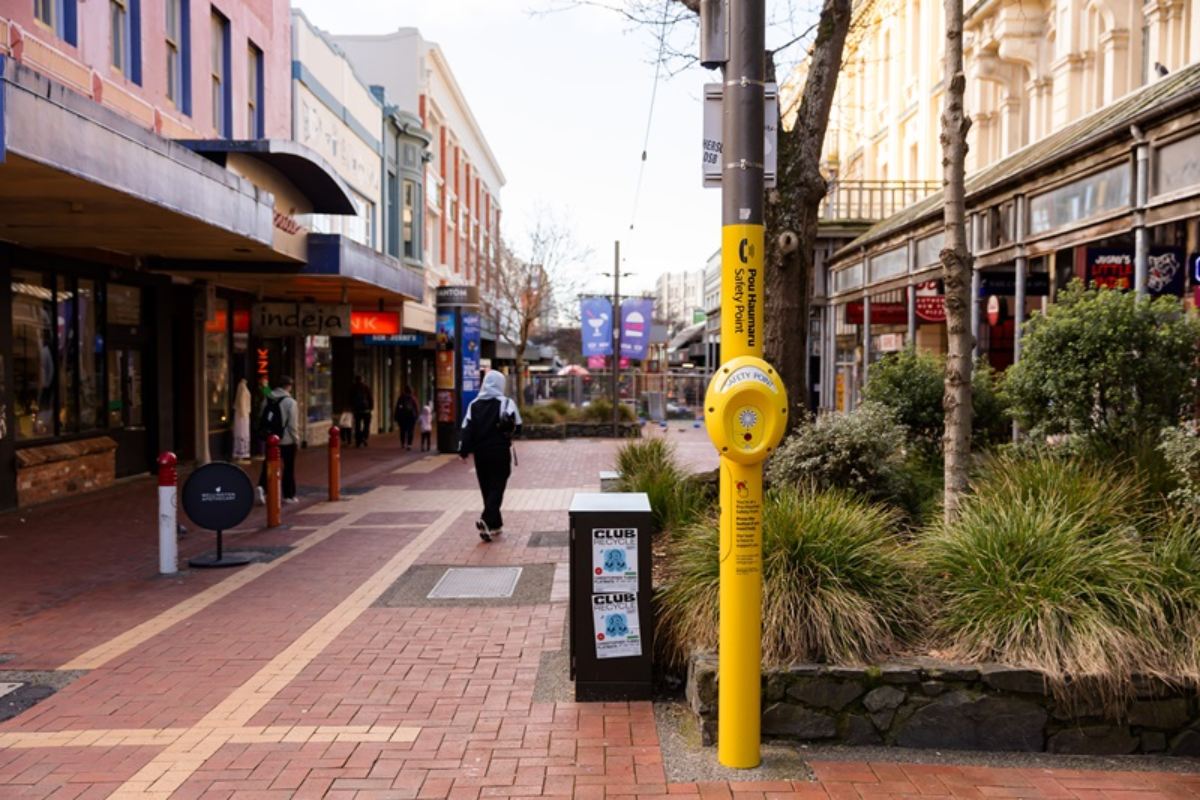
Safety Points intercoms have been installed at three locations and connect people to help immediately, if they’re feeling unsafe or need support in the city.
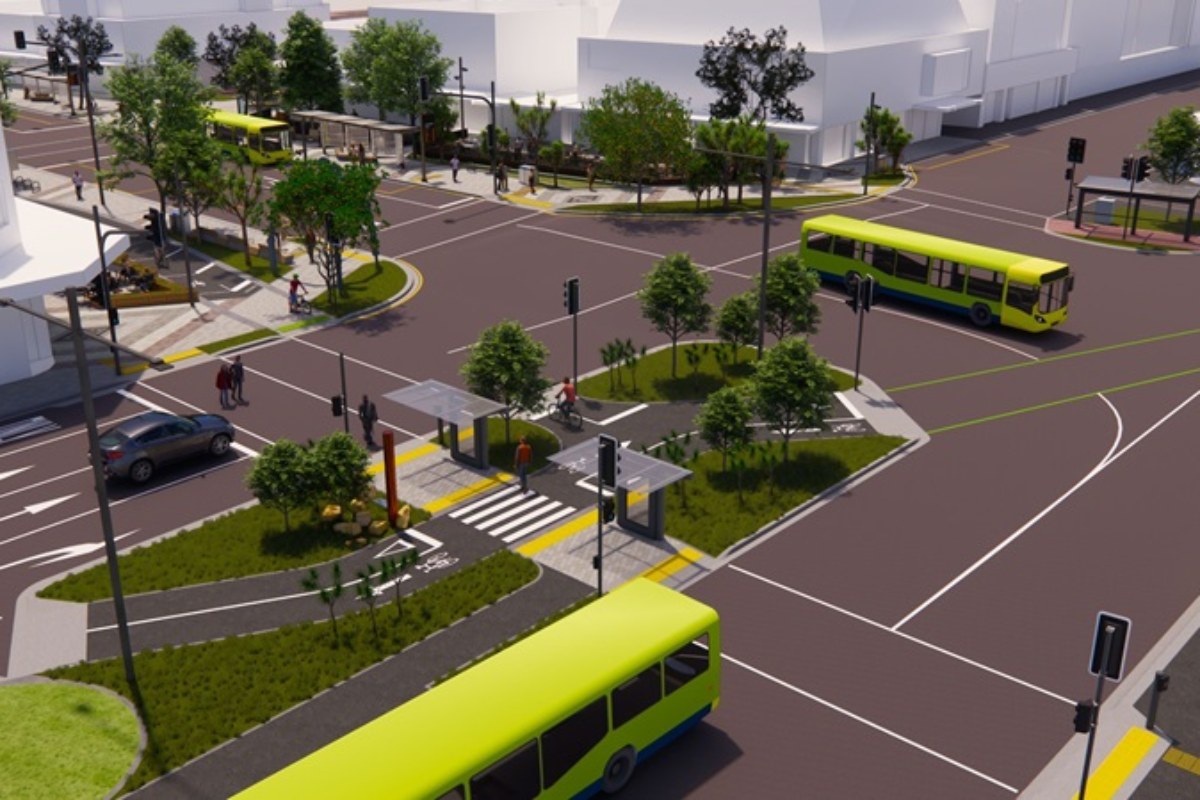
The upgrade of Courtenay Place in the New Zealand capital will include new pedestrian and bike crossings, weather shelters as well as improved footpaths.
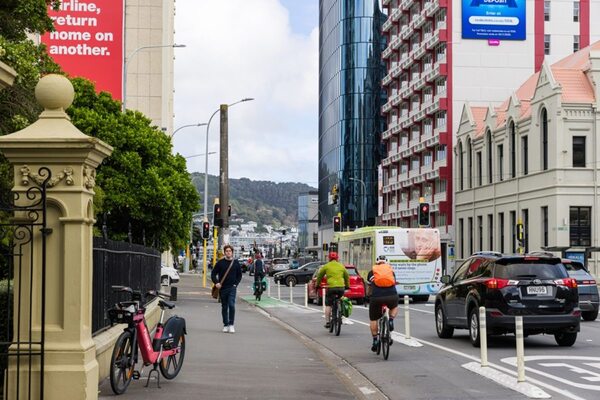
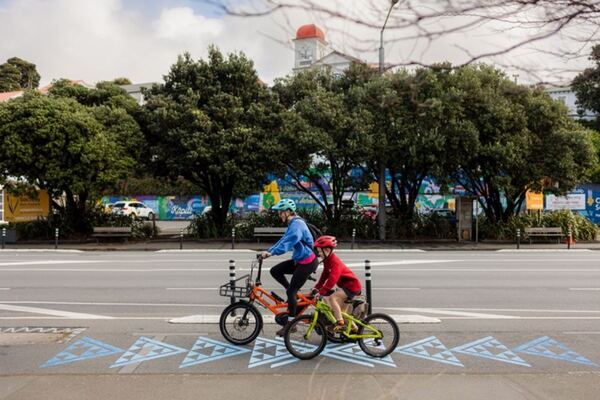
Feedback from people using a 1.4km route from the Botanic Garden ki Paekākā to the waterfront also showed that 74 per cent of people riding felt safer.
The prize is a biennial international award which has been jointly organised by Singapore’s Urban Redevelopment Authority and the Centre for Liveable Cities.
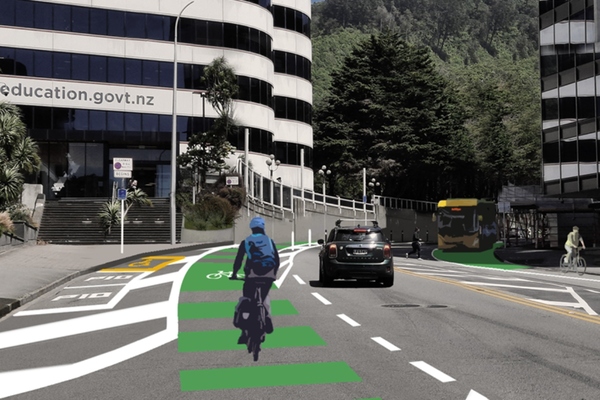
Wellington City Council has given the go ahead for two projects which include new raised pedestrian crossings, bus route improvements, and safer bike routes.
Programme aims to reduce disruption to Wellington streets by shifting from legacy records and outdated paper processes to a centralised online map-based library.
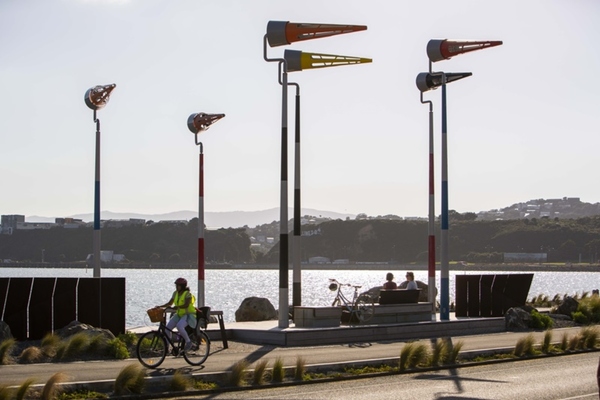
The solar lights with charging panels integrated into the lighting poles will light the paths along a popular harbourside walking and cycling route in the city.
The city’s six-phase Community Climate Adaptation Programme will create a series of local adaptation plans that have been developed by and for each community.
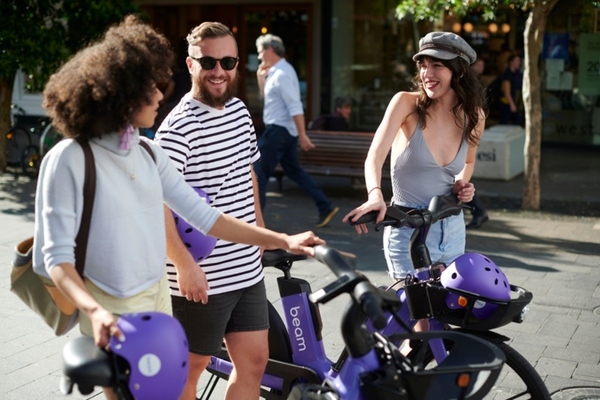
The micromobility provider will replace its entire 400-strong fleet in the New Zealand city with the Saturn 5 model that features upgraded IoT capabilities.
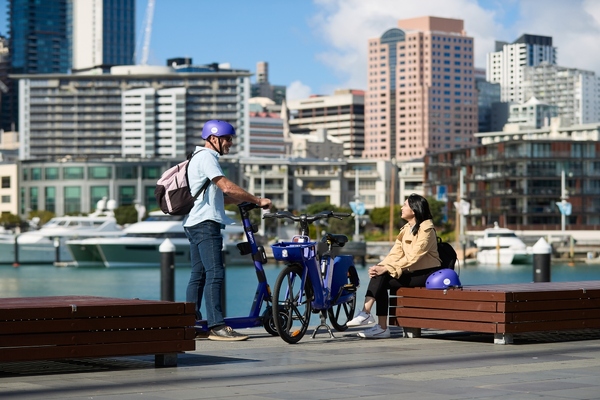
The New Zealand city’s existing e-scooter providers Flamingo and Beam will be able to offer up to 150 e-bikes with the trial due to be evaluated in mid-2023.
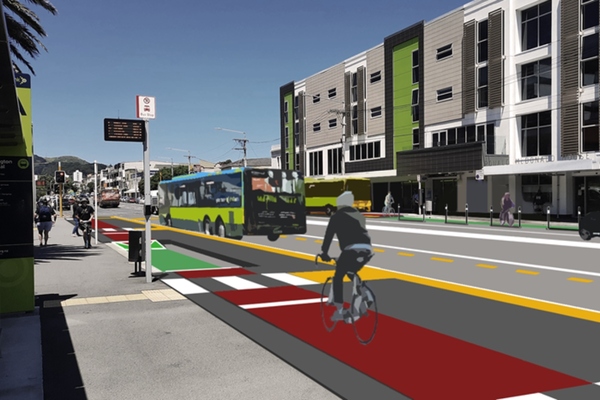
Part of the city’s road improvement plans, the footpath-height, accessible platforms are designed to allow people to get on and off buses safely and cross the new bike lanes to the footpath.
The council-led project is using the untapped resource of unwanted clothing and textiles as a performance additive in asphalt on the New Zealand city’s roads.
Street changes will support growing neighbourhoods and new ways of living in and moving around the city, as well as make the transport system more resilient in the face of major events.
The fifth edition of the worldwide competition recognises those cities which had designed the “boldest and most ambitious urban innovations” to emerge from the global Covid-19 pandemic.
The cities chosen are considered to have come up with the boldest urban innovations emerging from the pandemic with the challenge aiming to spread the most promising ideas.
The New Zealand city ranks top in the Economist Intelligence Unit’s Liveability index which explores the impact of the pandemic and assesses cities in five areas.
IDC notes a “surge” in cutting-edge future city projects being deployed across first-tier cities in developed economies across the 12 functional e-service categories.