Inventory shows that emissions declined between 2022 and 2024, continuing a long-term trend of reducing climate pollution while the City of Seattle has grown.
The city has completed or made significant progress on more than half of the actions in its 2013 climate action report but says there is still work to be done.
The new 2025-2026 AI Plan creates trainings, resources, and rules for City employees to leverage advanced technology to better serve residents and businesses.
Seattle is making five fire stations across the city more climate resilient by converting existing fossil fuel systems to clean, all-electric alternatives.
Resonance’s America’s Best Cities 2025 reflects fresh realities, including affordability pressures, reshoring of critical industries and new mobility patterns.
Ike Smart City kiosks provide essential wayfinding and transit information as well as support local businesses and generate resources for community programmes.
The commercial efoiling vessels specialist has signed a memorandum of understanding with Seattle-based Delta Marine to manufacture vessels for Puget Sound.
Order seeks to ensure every resident, worker and visitor can easily access and understand City information and services as well as opportunities for civic engagement.
The research was conducted to benchmark the leading metropolitan statistical areas based on their capacity to generate and embrace emerging technologies.
Research report by the C40 Cities network – spanning seven global cities – presents a compelling economic case for shifting to clean construction practices.
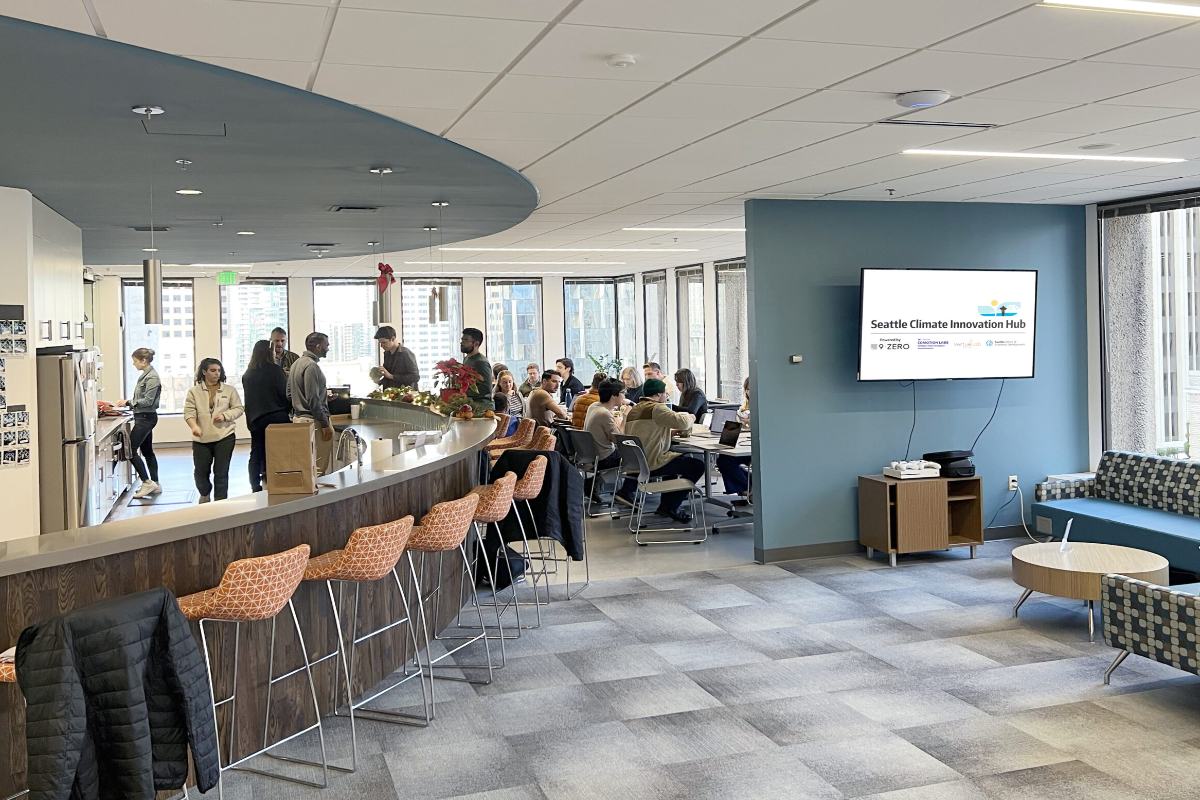
The hub will serve as a space for innovators and early-stage entrepreneurs focused on tackling the climate crisis and expanding the region’s green tech sector.
Awards of $3.5m will help install decarbonising retrofits in buildings while applications are open for Technology Matching Fund Grants, aimed at digital equity.
Polling from cities on five continents shows 90 per cent of residents want to prioritise action to improve air quality with widespread support for transforming streets.
Metro Flex will enable Seattle communities, including historically underserved ones, to have access to sustainable, reliable and affordable transit options.
ProptechOS evaluated 68 US and European cities against the smart city guidelines set out by the Organisation for Economic Co-operation and Development.
The buses will serve the new Stride bus rapid transit, which Sound Transit is developing along Interstate 405 to link communities across Lake Washington.
It is designed to optimise City’s use of data for more informed decision-making, enhanced collaboration and protecting privacy and standardising best practices.
Owners of existing buildings larger than 20,000 square feet are required to take steps to incrementally reduce their building’s greenhouse gas emissions.
The City wants to support local truck drivers’ transition to electric freight vehicles and improve air quality in the port communities of the Duwamish Valley.
It is introducing the Building Emissions Performance Standard Policy to existing non-residential and multifamily buildings greater than 20,000 square feet.
The Technology Matching Fund programme seeks to ensure no one is left behind in the digital world by increasing internet access and adoption across the city.
The Washington state city will use technology from Iteris to gain critical transportational analytics and speeding data for key arterials and highways to help increase safety and reduce carbon emissions.
With safety and mobility inherently linked, the micromobility company will provide free rides on its scooters and bikes for women to verified SafeUp guardians in a number of cities.
To manage visitors while complying with workplace safety requirements, Seattle’s famous attraction needed a granular, real-time view of the people numbers and movement.
Designed to encourage and support cities to ramp up their climate action and ambition, the A list is based on environmental data disclosed by cities to the CDP-ICLEI unified reporting system.
Citizens can use online surveys created, distributed and analysed by Zencity, to anonymously voice their opinions on neighbourhood safety and their sentiment towards police.
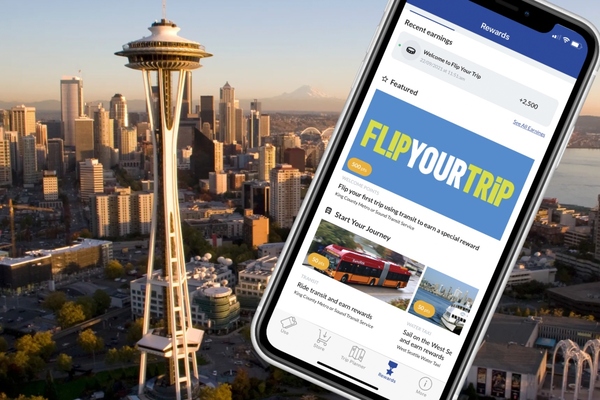
Rewards initiative is to help support the SDoT’s “Flip Your Trip” campaign, designed to encourage people to replace car trips with other travel options such as transit, vanpooling, biking, scooting, or staying local.
Seamless Seattle is based on the Legible London model, developed for Transport for London, and aims to make the city more legible and accessible for local residents, commuters and visitors.
The win was attributed to strong technology application, digital capability and pandemic performance and, for the first time in 14 years, more than half of the top 100 cities were from the US.
Three-year grants will fund innovation teams, or “i-teams,” to help mayors leverage data and digital technologies to enhance public services and create new value for communities.
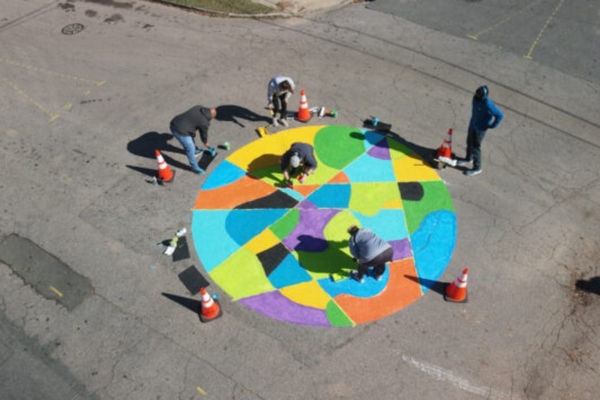
The selected cities will receive $50,000 to work with local community partners to transform streets into community assets that aid in the Covid-19 pandemic recovery.
The mobility hub in South Woodford, London Borough of Redbridge, reclaims an on-street car parking space with a design aimed at connecting the area and helping the environment.
Using zero operating emissions technologies, the Seattle Neighbourhood Delivery Hub allows last-mile solutions providers to more quickly and efficiently test new vehicles and models.
StreetLight Data claims its validated Annual Average Daily Traffic metrics cover virtually every US roadway, filling an important gap for transportation planning in a year impacted by Covid-19.
Designed by architecture firm NBBJ, PenPlace will unite 2.8 million square feet of offices, public gathering areas and street-front retail that seek to create a healthier workforce and community.
Analysis from StreetLight Data reveals that New York City, Sarasota and Portland lead when it comes to the reduced impact of transportation on the environment.
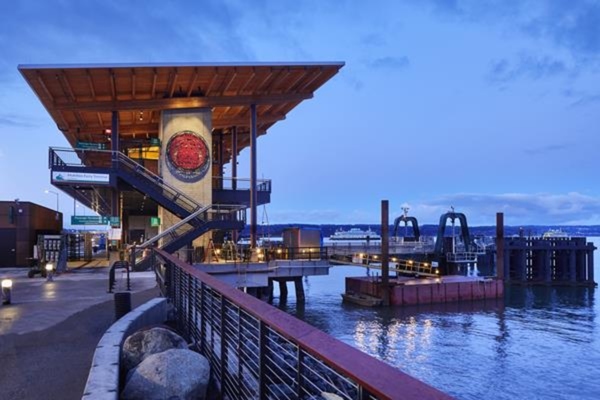
The Mukilteo Multimodal Ferry Terminal is the state’s first new ferry terminal for 40 years and incorporates the cultural influence of the Pacific Northwest’s native people.
Digitising the kerb opens the door for more dynamic regulations and new approaches to kerb-usage fees that could enable more goal-driven management strategies.
Report sets out to demonstrate how cities can be “critical drivers” of solutions for the multiple short-term challenges created by Covid-19 as well as emerging long-term challenges of climate change.
Data from Seattle Public Utilities’ illegal dumping programme shows an almost 200 per cent increase in the volume of material collected from Q2 to Q3 2020.
In a statement released today, the C40 Global Mayors Covid-19 Recovery Task Force warned that a “high-carbon recovery” will accelerate climate breakdown, endanger public health, cost lives and sacrifice jobs.
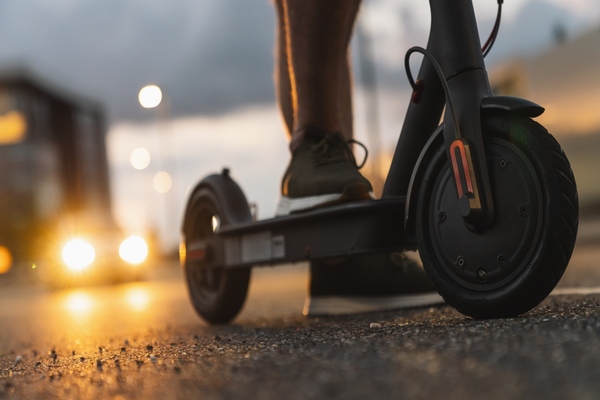
The new micro-mobility platform will launch this winter in Austin, Berlin, Miami and Seattle with Lime aiming to be the one-stop-shop for anyone looking to take a car-free trip under five miles.
The first trials, due to last for 12 months, are expected to begin next week and will be closely monitored so the government can assess the benefits of e-scooters and their impact on public space.
The first of two cross-country routes to be completed this year, it spans 11 states and over 2,700 miles to take drivers from Los Angeles to Washington DC.
Lime surveyed citizens in Berlin, London, New York City, Seattle and Seoul about their pre- and post-Covid-19 lockdown transport choices and how these may impact future decisions.
Even if US cities could maintain a 10 per cent drop in traffic volumes in the recovery phase, they could significantly improve their climate impact standing, according to a new study by StreetLight Data.
Chaired by the mayor of Milan, the task force has been established to drive forward an economic recovery that improves public health, reduces inequality and addresses the climate crisis.
Both Urban-X and Techstars have taken their demo day events online, ensuring start-ups and innovation continue to be supported despite the coronavirus outbreak.
VanDashboard measures performance against 65 key metrics in six categories including core service delivery, affordability and housing, climate change and economy and finances.
More than half of countries in the latest TomTom Traffic Index have seen congestion increase, with the southern Indian city of Bengaluru ranked the worst.