



Nascent technologies like smart devices and the IoT simplify our day-to-day operations. Smart devices provide our homes and workspaces with automation, advanced security, and a host of other benefits. The IoT gives us new business insights while reducing our operating costs.
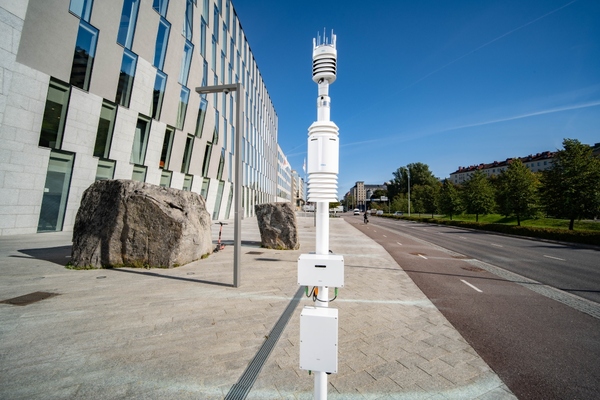
Cities around the world are trying to improve air quality, which in turn can help to mitigate the impacts of climate change. Sue Weekes explains the vital role played by compact air quality sensors and how using them in tandem with weather stations and other smart city devices can maximise their value.
The first day of the online event confirmed that the smart cities sector is well aware of its destination but it’s how it gets there that will be the problem.
From tech trends to behavioural shifts and new ways to make smart cities economically sustainable, Matthew James Bailey explores what the next five years could look like.
Find out how the island city-state of Singapore is further building its reputation as one of the smartest nations in the world in the latest SmartCitiesWorld City Profile.
Discover how connected intelligence can help cities turn fragmented data into coordinated, secure and measurable action across essential public services.
Discover how connected urban systems and edge AI can help cities break down data silos, strengthen cross-agency collaboration and turn shared intelligence into coordinated action.
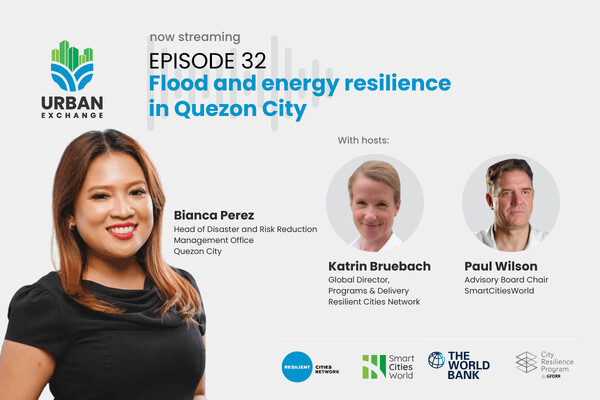
Tune in for the latest Urban Exchange where we get a first-hand account of city resilience measures from Quezon City following unexpected extreme rainfall.
Our editorial newsletter pulls together our latest news items into one email, direct to your inbox. We also feature our latest city interviews, Special Reports and Guest Opinions.
The new function aims to reduce the minutes process from hours to as little as 10 minutes, using a municipality’s meeting agenda and transcripts or captions.
HeyGov nationwide initiative on 6 May seeks to mobilise more than 34,000 municipal clerks with free AI tools to process meeting minutes in under 10 minutes.
Platform brings together a range of datasets and information from public sources to support greater transparency and more informed community decision-making.
Bloomberg Philanthropies’ What Works Cities has recognised 13 new cities in its data excellence programme while 19 have further elevated their data practices.
For the first time, city leaders and residents in the Kenyan city will have access to hyper-local data about pollution levels in the places they live and work.
The dashboard was created to be dynamic and evolving to reflect changes in operations and priorities over time across the city, as well as community input.
It marks another step in the emirate’s digital transformation journey and aims to strengthen collaboration between government entities and logistics industries.
Chatbot is designed around a family of expert domain fine-tuned models that have unique access to government databases and generates responses and explanations.
The annual What Works Cities Certification commends excellence in using evidence and data to improve city services, increase transparency, and promote civic engagement.
Find out how the island city-state of Singapore is further building its reputation as one of the smartest nations in the world in the latest SmartCitiesWorld City Profile.
Discover how connected intelligence can help cities turn fragmented data into coordinated, secure and measurable action across essential public services.
Discover how connected urban systems and edge AI can help cities break down data silos, strengthen cross-agency collaboration and turn shared intelligence into coordinated action.
Tune in for the latest Urban Exchange where we get a first-hand account of city resilience measures from Quezon City following unexpected extreme rainfall.
Our editorial newsletter pulls together our latest news items into one email, direct to your inbox. We also feature our latest city interviews, Special Reports and Guest Opinions.
How cities can increase uptime, reliability and gain maximum value from data collected. This white paper covers moving from preventative to predictive maintenance of assets; the role of digital twin technology; the challenges of collecting and managing the data required to maximise the benefits of connected intelligent assets.
This whitepaper will provide a better understanding of the necessity for resiliency strategies, the challenges of implementing resiliency and digital tools to support cities and territories to build more resilient, sustainable and safe places to live.
In collaboration with Matthew James Bailey (leading authority, pioneer, and consultant in innovation, AI and AI Ethics, Smart Cities, IoT, and a renowned author), this brand new white paper focusses on the role played by artificial intelligence (AI) in shaping the future experience of Smart Cities.