










BUILD YOUR OWN
RESOURCE LIBRARY



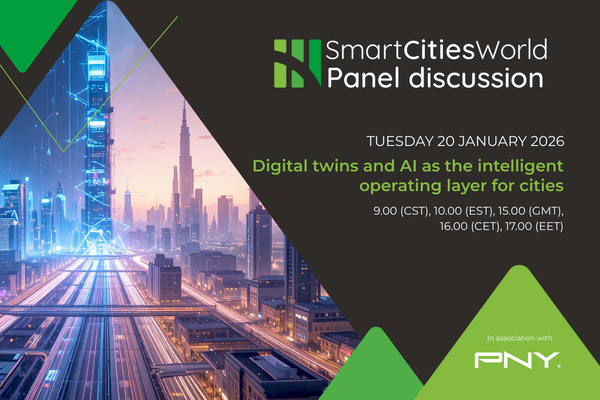
OnDemand Panel Discussion: Digital twins and AI as the intelligent operating layer for cities
Join us for insights from real-world case studies on the use of digital twins and AI as the present and future of urban management.


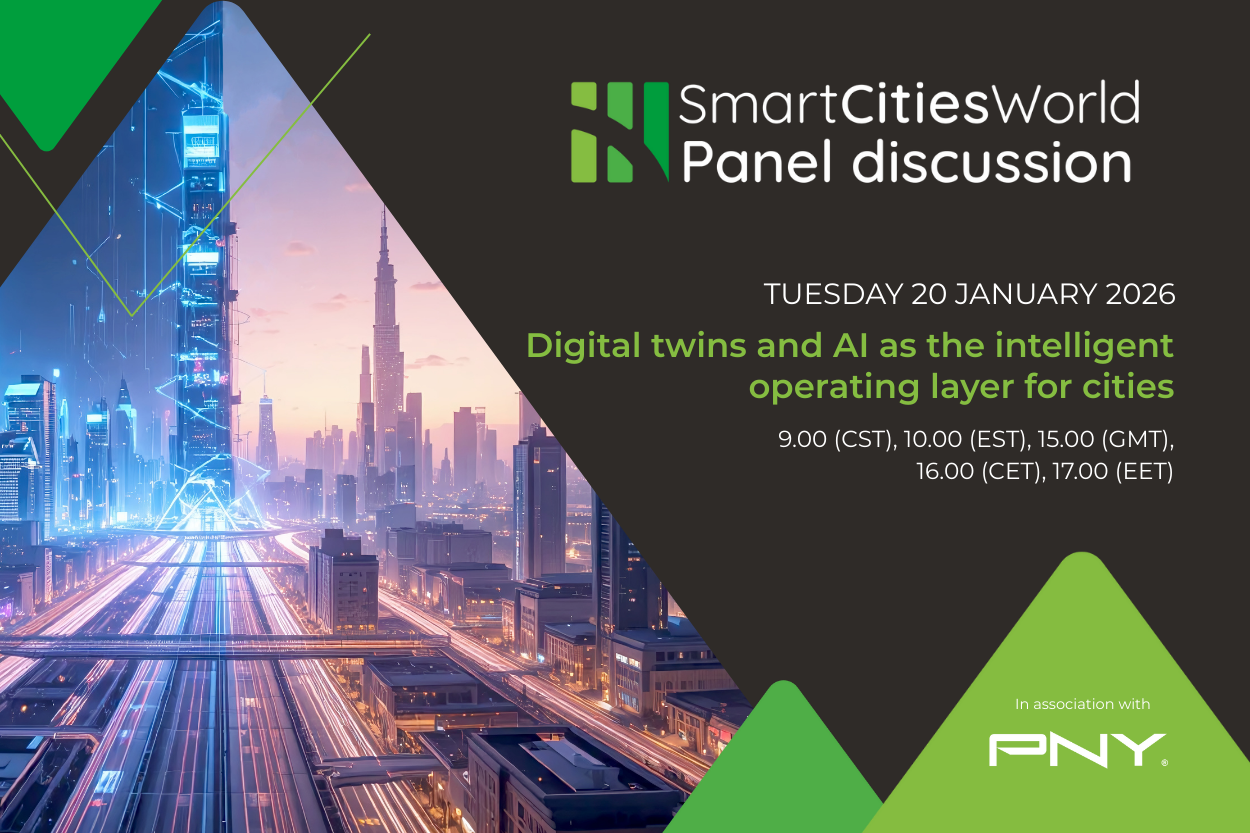
Date Recorded: Tuesday 20 January 2026
Length: 60 minutes + Q&A
Cities must provide resilient, efficient services despite tight budgets and complex regulations. Urban leaders manage constantly changing systems like climate risk, infrastructure, energy use, and service delivery. Technologies such as digital twins and AI help cities shift from reactive to proactive management while keeping control of data and results.
This panel discussion brings together PNY, Akila, ThinkDeep AI, and Jacobs to explore how digital twins and AI are converging to form an intelligent operating layer for cities. The session will examine how advances in compute, data platforms, and sovereign data infrastructure are enabling cities to deploy these technologies at scale – while maintaining trust, transparency, and governance.
PNY will set the industry context, exploring how digital twins and AI are evolving from niche tools into foundational capabilities for city services and infrastructure. The session will look at the role of high-performance and edge computing, cloud architectures, and data infrastructure in supporting real-time simulation, analytics, and AI-driven insight across the urban environment.
Akila will then focus on the practical deployment of digital twins in cities, demonstrating how virtual representations of buildings, infrastructure, and systems can be connected to live data to support scenario modelling, predictive insight, and performance optimisation. The discussion will highlight real-world use cases where cities are already using digital twins to improve operational efficiency, energy management, and climate resilience – and how AI enhances these capabilities by enabling more informed, forward-looking decisions.
ThinkDeep AI will bring an applied AI perspective, examining how cities can move beyond basic automation towards decision intelligence that supports complex, uncertain environments. This part of the conversation will explore how AI can reason across multiple variables, integrate with digital twins and operational systems, and deliver explainable, accountable outcomes that align with public sector governance requirements.
Jacobs will provide a city delivery and engineering perspective, reflecting on how these technologies are being implemented in practice, the organisational and skills challenges cities face, and what it takes to translate digital insight into real-world impact.
Key talking points
- Why digital twins and AI are becoming essential to managing modern cities
- How AI-enhanced digital twins enable predictive insight and scenario planning
- Real-world city use cases across infrastructure, energy, mobility, and resilience
- The role of sovereign data infrastructure in supporting trust and local control
- Integrating AI and digital twins with existing city systems and workflows
- Governance, skills, and organisational changes needed for successful adoption
This panel discussion will be relevant for city leaders, infrastructure owners, planners, technologists, and policymakers looking to understand how digital twins and AI can be deployed responsibly to deliver measurable, locally controlled outcomes for cities.
Speakers
 |
Youssef Nadiri Product and BDM AI Applications PNY Technologies
Leading Smart Cities & Spaces Solutions at PNY Technologies, Youssef defines strategy and drives the adoption of advanced AI technologies—Vision AI, Generative AI, and Digital Twins—at the edge. Bridging product development, partnerships, and business growth, he helps organisations deploy AI to make cities and spaces smarter, safer, and more efficient. |
|
 |
Pierre-Manuel Patry Head of Strategic Accounts Akila
Pierre-Manuel Patry is a global leader in digital twin and AI-powered solutions for build environment. With over 15 years of international experience in sustainability, energy, and digital transformation, he has spearheaded the launch and growth of innovative SaaS platforms across Europe and Asia. Pierre-Manuel focuses on how digitalization and AI can empower cities and industries to achieve operational excellence and net-zero goals.
Pierre-Manuel will be talking about the deployment of an AI-powered digital twin platform at Monaco’s Monte-Carlo station and how the SNCF is using real-time AI and digital twins to reimagine station operations. |
|
 |
Vincent Van Steenbergen CEO and Founder ThinkDeep AI
With a strong engineering background and long time interest for Artificial Intelligence Vincent likes to build cutting edge applications leveraging distributed computing, stream processing and machine learning.
He’s a trainer and regular speaker at international conferences about Spark, Akka, Scala as well as Machine Learning and Deep Learning. He is also one of the organizers of the PAPIs.io international conference as well as Functional Programming Meetup and Machine Learning Meetup in Bordeaux. |
|
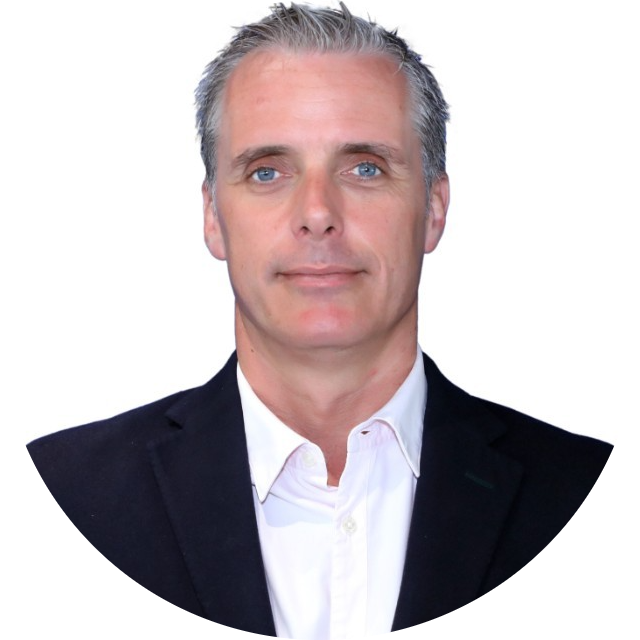 |
Andrew Collinge Smart Cities Director Jacobs
Andrew Collinge is smart cities director at Jacobs, leading the smart places & digital infrastructure team. He works with local and regional government to integrate digital infrastructure into strategic growth and placemaking initiatives. He supports higher education bodies in leveraging digital technologies to both manage their campus assets and create impactful learning and collaboration experiences. His team delivers smart cities and digital master planning projects worldwide.
Previously, Andrew held senior data and digital roles in London and Dubai. In London, he led the Mayor of London’s analytics function and established the city’s first smart cities team. In Dubai he produced ethical AI guidelines adopted by Federal Government and led the development of an Emirate-wide AI-ready Data Centre Strategy.
|
|
 |
Luke Antoniou
SmartCitiesWorld
Luke has been reporting on the implementation of smart technologies that benefit citizens and the public sector since 2017.
He has a particularly keen interest in smart and sustainable mobility and its role in influencing the decisions of urban planners, citizens and governments alike.
As rapid urbanisation continues, he keeps his finger on the pulse of the myriad urban challenges facing local and central governments, making new connections in the public and private sectors and finding new angles from which to cover the latest smart city developments around the world. |
Sponsored by:

Why not try these links to see what our SmartCitiesWorld AI can tell you.
(Please note this is an experimental service)
How do AI-enhanced digital twins improve predictive insight and scenario planning?What role does sovereign data infrastructure play in maintaining local control?How can digital twins integrate with existing city systems and workflows effectively?Which organizational changes support successful adoption of AI and digital twins?How do digital twins and AI contribute to urban resilience and energy management?AI and Machine LearningAI CityXchange - FeaturedAI CityXchange - Industry InsightsConnectivity & DataDataData marketplace/Platformdigital twinsresilience
Latest City Profile
SmartCitiesWorld Newsletters (Daily/Weekly)
You may also like these related articles...
BECOME A MEMBER
© 2026 SmartCitiesWorld
Smart Cities World Ltd, 27 Clements Lane, London, EC4N 7AE