









 Find out more



BUILD YOUR OWN
RESOURCE LIBRARY



Podcasts
Podcast: Using mobility data to shape the future of citiesSponsored by TomTom
Podcast: Building resilient cities: trustworthy AI, digital twins, and urban innovation at YII 2025Sponsored by Bentley Systems
Opinions

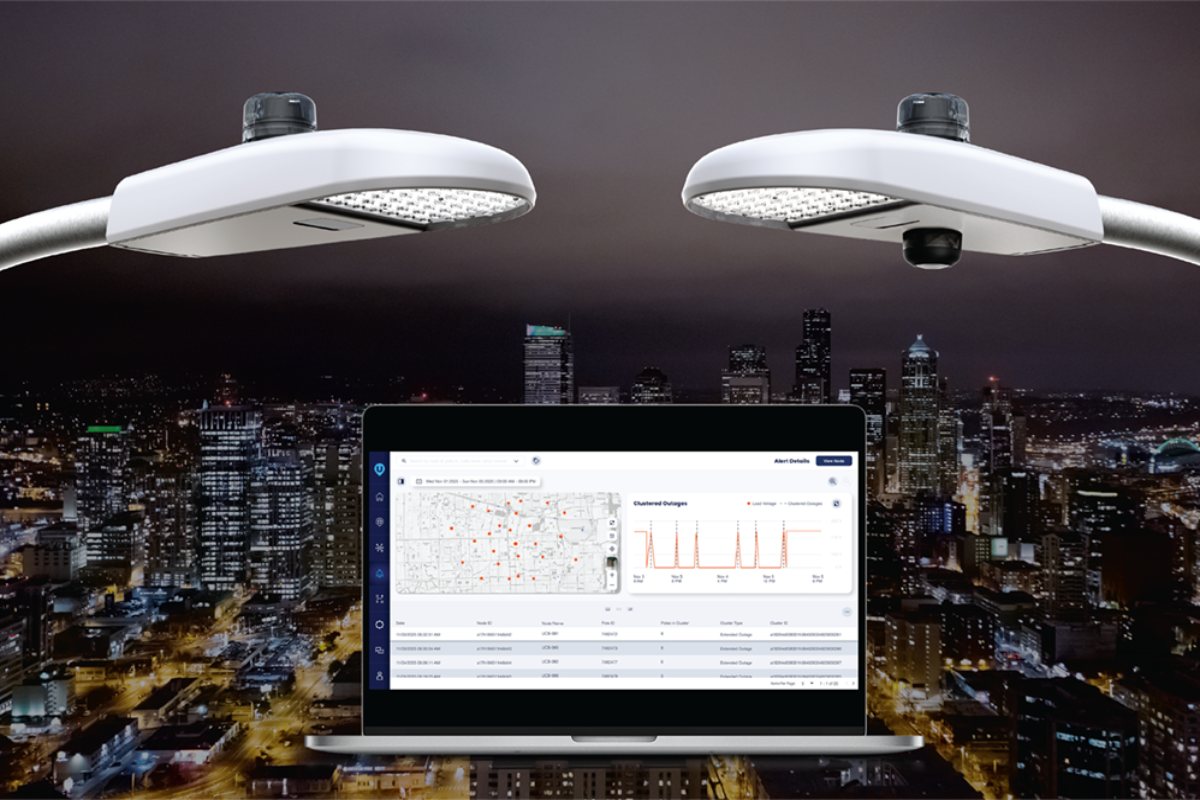
Smart lighting: enabling smart cities beyond illuminationSponsored by Paradox Engineering

How AI and biometrics are shaping next-generation mobility paymentsSponsored by ST Engineering
AI-powered Urban Metaverse to ‘revolutionise’ how smart cities operate
Peachtree Corners is collaborating with BizzTech to develop an AI‑driven metaverse platform that will redefine urban planning around local city challenges.


The US 5G-connected city Peachtree Corners in Georgia is collaborating with BizzTech, a provider of immersive, AI‑driven Metaverse platforms, to develop a data-driven solution that will redefine urban planning around local city challenges.
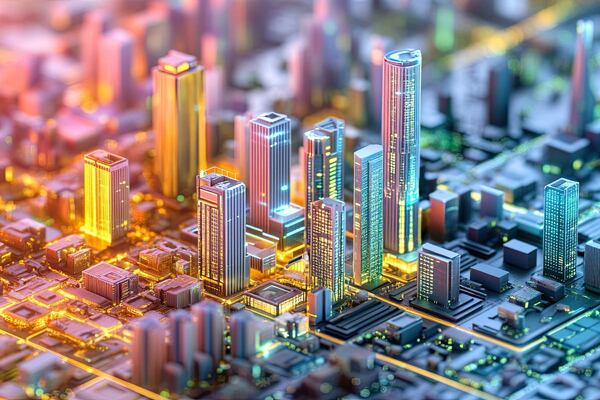
The partners will deploy a photorealistic digital twin of the downtown that they anticipate will accelerate data‑driven decision‑making, boost public safety and cut planning costs. The collaboration combines live sensor feeds, traffic analytics, weather data and AI to create an always‑on, interactive replica of the City of Peachtree Corners’ downtown.
Photorealistic ecosystems
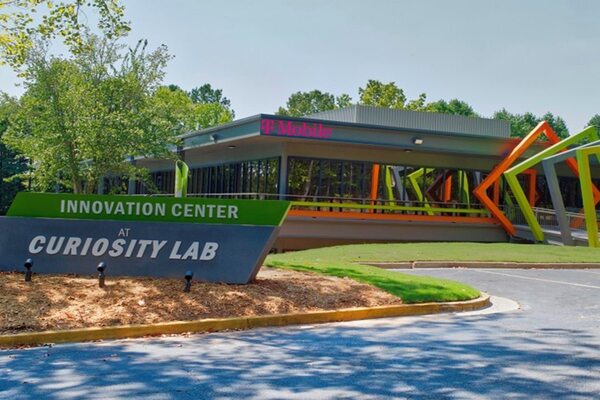
With the ability to turn physical environments into intelligent, interactive and photorealistic ecosystems, BizzTech will continue to support Peachtree Corners and Curiosity Lab’s initiative to leverage smart city innovation and expansion through this unique and interactive model that advances efficiency.
Peachtree Corners will use this technology to rehearse incident response protocols, optimise traffic light timing and model the planned expansion of autonomous vehicle corridors before ever breaking ground on a project.
“By overlaying these live data streams onto a photorealistic digital twin, we can test infrastructure development ideas, changes in urban mobility and even incident response protocols in minutes”
“Our collaboration with BizzTech brings us a level of real-time insight we simply couldn’t achieve with static planning tools and is a testament to our continuous commitment as a smart‑city leader to enhance city management,” said Brandon Branham, assistant city manager and CTO of the City of Peachtree Corners.
“By overlaying these live data streams onto a photorealistic digital twin, we can test infrastructure development ideas, changes in urban mobility and even incident response protocols in minutes. That means we can spot safety risks sooner, deploy resources faster and model incident response routes to keep our public safety teams safe.”
Read More
At the core of BizzTech’s technology solution are AI-powered digital twins that combine generative AI and agentic AI to not only simulate but also autonomously adapt and respond to various scenarios, enhancing user interaction and decision-making. The platform’s predictive analytics alert city personnel to potential bottlenecks and safety hazards before they escalate, supporting proactive maintenance, optimised traffic flow and lower operational costs.
According to the partners, this initiative serves as a scalable model for other municipalities, showcasing how immersive digital twins can revolutionise smart city planning and operations worldwide.
“Together with Peachtree Corners, we’re turning predictive insights into day‑one cost savings, stronger public trust and a scalable blueprint for other cities to replicate”
“BizzTech’s Urban Metaverse is purpose‑built to take the guesswork out of city management,” said Dirk Schmidt, CEO of BizzTech. “Our AI agents continuously learn from each simulation, recommending the most efficient traffic‑signal cycles and optimal locations for future public‑safety assets. Together with Peachtree Corners, we’re turning predictive insights into day‑one cost savings, stronger public trust and a scalable blueprint for other cities to replicate.”
BizzTech is a technology company focused on creating immersive digital environments for urban planning and governance through its AI-powered Metaverse platform. Its Metaverse platform integrates omniverse tools, IoT, AI, and advanced security. The company claims its solutions empower governments and enterprises to visualise, plan, and manage urban spaces in a more connected and responsive way.
Why not try these links to see what our SmartCitiesWorld AI can tell you.
(Please note this is an experimental service)
How does AI-driven digital twin improve urban traffic management efficiency?In what ways can predictive analytics enhance public safety in smart cities?How can 5G connectivity support real-time data integration in urban metaverses?What role do IoT sensors play in creating photorealistic city digital twins?How can AI simulations optimize autonomous vehicle corridor planning?5GAI and Machine LearningAnalyticsAnalyticscongestionConnectivity & Datadigital twinsInternet of Things (IoT)mobilityPeachtree CornersPlanningSensorsurban space

Latest City Profile
Latest Special Report
SmartCitiesWorld Newsletters (Daily/Weekly)
You may also like these related articles...
BECOME A MEMBER
© 2025 SmartCitiesWorld
Smart Cities World Ltd, 27 Clements Lane, London, EC4N 7AE