









 Find out more


BUILD YOUR OWN
RESOURCE LIBRARY



Podcasts

Podcast: Using mobility data to shape the future of citiesSponsored by TomTom

Podcast: Building resilient cities: trustworthy AI, digital twins, and urban innovation at YII 2025Sponsored by Bentley Systems
Opinions
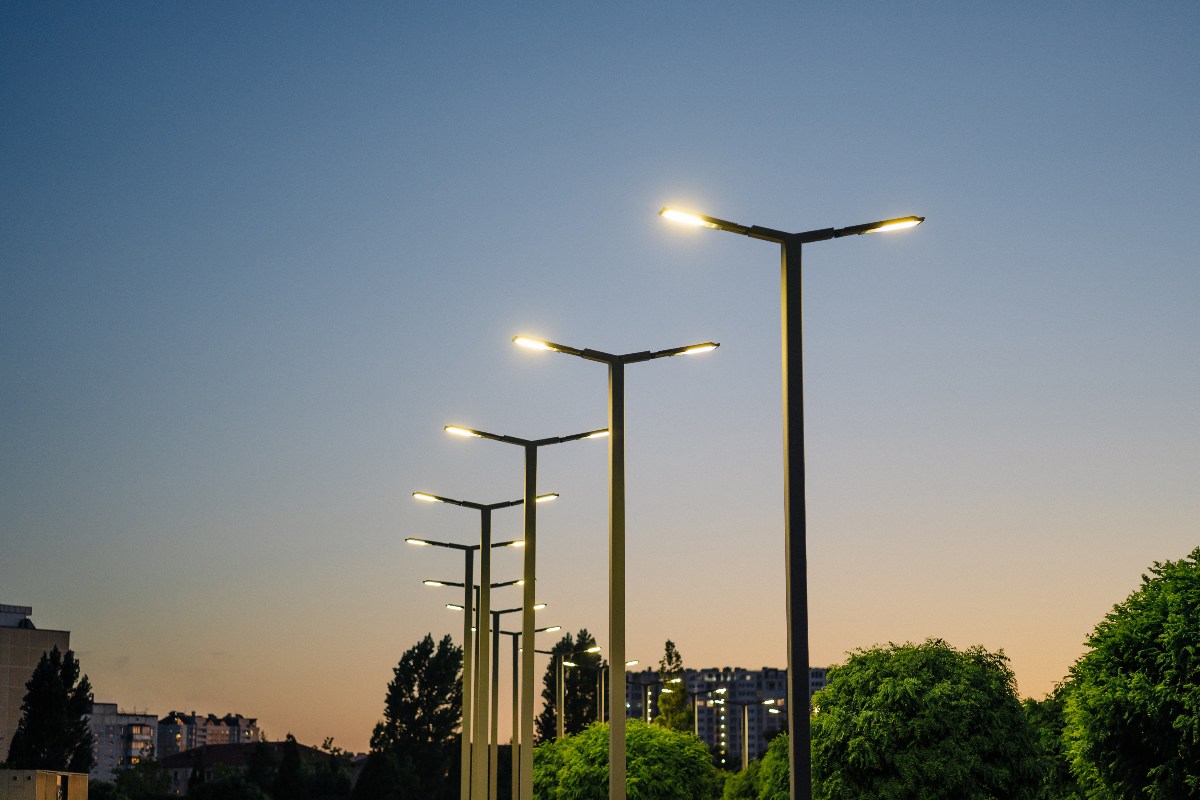
Smart lighting: enabling smart cities beyond illuminationSponsored by Paradox Engineering

How AI and biometrics are shaping next-generation mobility paymentsSponsored by ST Engineering
Boston shares climate emergency preparations
The cross-departmental approach has shifted emphasis from planning to implementation, focusing on empowering residents and supporting communities at risk.


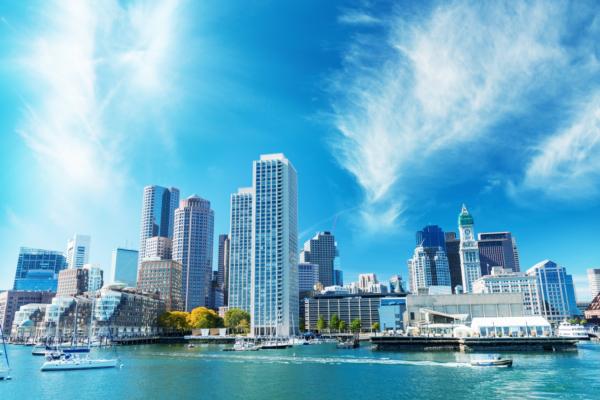
Mayor Michelle Wu, emergency preparedness chief Adrian Jordan, chief climate officer Brian Swett, chief of operations Dion Irish, and public safety officials have shared Boston’s preparations and plans to deal with extreme weather events. These include efforts to lower risks with long-term climate resilience plans and ongoing efforts to update the City’s emergency response.
The briefing took place at the District A-7 police station in East Boston, where the new building design incorporates resiliency features, including stormwater chambers under the parking lot and stormwater planters that capture stormwater that falls on site, and a cool, white roof to help with extreme heat mitigation.
Citywide resilience efforts
As a coastal city, Boston faces the increasing climate risk of extreme heat, rising coastal flooding, and intense stormwater. The city’s cross-departmental approach has shifted the emphasis from planning to implementation, focusing on empowering residents, supporting communities at greatest risk of flooding and other emergency events, and lowering the risk citywide through resilience efforts.
“Climate risks require an all of government approach, and here in Boston we’ve been working on short- and long-term initiatives to better respond in emergency situations and protect our residents in the generations to come,” said mayor Michelle Wu. “Emergency weather events in other parts of the country have highlighted the need for us to share our progress and remind residents to take precautions now such as signing up for AlertBoston and familiarising themselves with our coastal flood map. I’m grateful to our City departments and external partners for all of their work behind the scenes to keep our communities safe.”
“As climate risks intensify, our approach must be both proactive to our current risks and adaptive to our changing climate”
The City has been working to develop and implement climate resilience projects to address coastal flooding, stormwater management, and extreme heat. Wu announced the Inspectional Services Department (ISD) has brought on a floodplain administrator who is working to improve floodplain management practices.
“As climate risks intensify, our approach must be both proactive to our current risks and adaptive to our changing climate. Boston is not only strengthening its emergency response capabilities but also making longer term infrastructure investments to protect our neighborhoods from rising seas, extreme storms, and dangerous heat,” said Swett. “I’m grateful for mayor Wu’s leadership, the dedication of our city teams, and the engagement of residents and business owners in making Boston a national leader in climate resilience and emergency preparedness.”
Read More
Other recent efforts to better respond to potential coastal flooding events include the Boston Fire Department’s new high water rescue vehicles, hosting the nation’s first Deployables Day training exercise last autumn, and upgrading the City’s flood forecasting and tracking system.
The City has also been working to lower the risk of flooding events in the long-term by implementing the Coastal Flood Resilience Overlay District (CFROD), a national-leading standard to embed coastal resilience into our Zoning code; redesigning parks and green spaces for resiliency such as McConnell Park in Dorchester and Ryan Playground in Charlestown; and allocating the highest amount of Capital funding in Boston’s history to coastal resilience projects.
A new stormwater grant and credit programme launched by the Boston Water and Sewer Commission and new green infrastructure standards are now in place to update the City’s aging water and sewer system and its capacity during heavy rain.
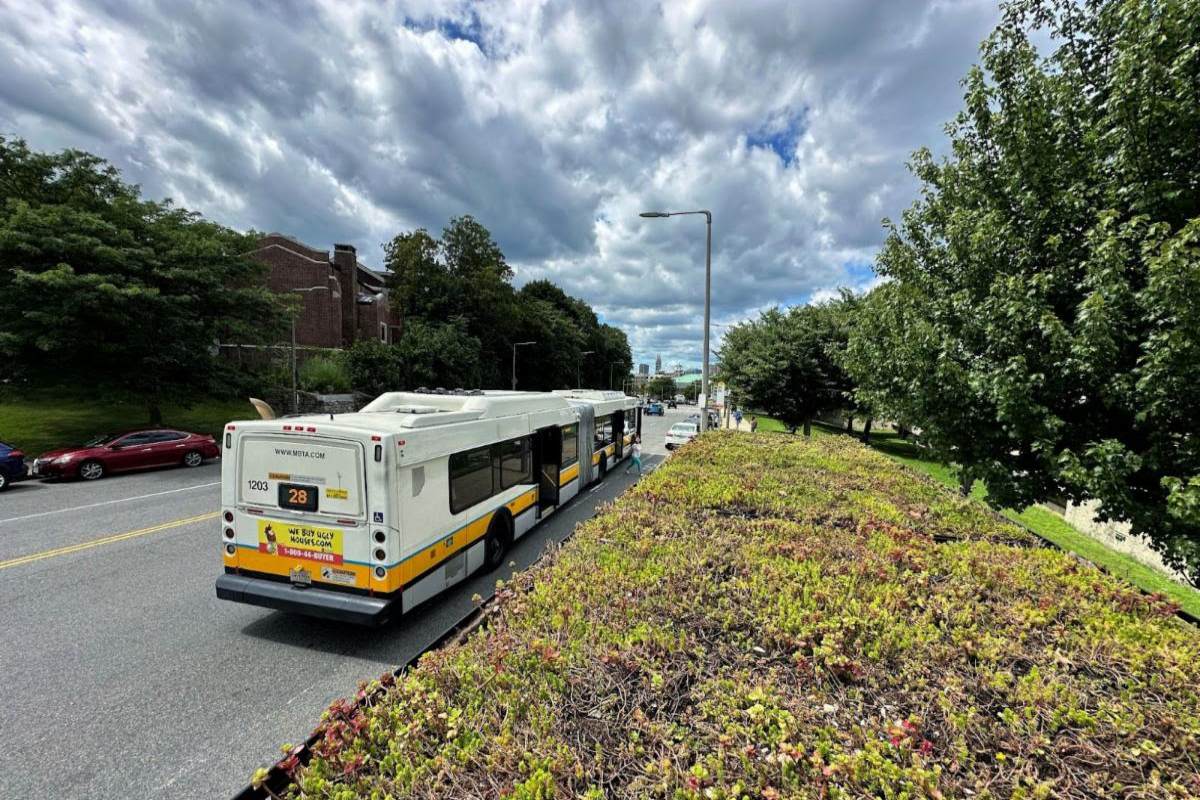
Similarly for extreme heat events, the City launched the Urban Forestry Division to bring shade to the hottest neighbourhood streets. For instance, 1,912 new street trees were planted in 2024. Additionally, the City of Boston launched the Boston Tree Alliance while planting over 160 trees on private properties, and has installed the nation’s largest implementation of green roofs on bus shelters.
New misting towers and tents are also put in place at key sites, including nine Boston Public Library locations and three community centres, during heat emergencies to keep residents cool where they are.
Why not try these links to see what our SmartCitiesWorld AI can tell you.
(Please note this is an experimental service)
How does Boston's cross-departmental approach enhance climate emergency implementation?What resiliency features are included in the new District A-7 police station design?How does the Coastal Flood Resilience Overlay District improve flood risk management?What role does the Urban Forestry Division play in mitigating extreme heat?How do Boston’s new flood forecasting and tracking systems support emergency response?Bostonclimate actionClimate change/ResilienceEnergy & EnvironmentGovernance and CitizenParks and green spaceresilience

Latest City Profile
Latest Special Report
SmartCitiesWorld Newsletters (Daily/Weekly)
You may also like these related articles...
BECOME A MEMBER
© 2025 SmartCitiesWorld
Smart Cities World Ltd, 27 Clements Lane, London, EC4N 7AE