
Watch now to explore how connected data and AI can improve citizen engagement, break down departmental silos and enable faster, better-informed decisions.
Discover how AI, edge computing and computer vision can help cities turn growing volumes of urban data into smarter, faster decisions and more responsive services.
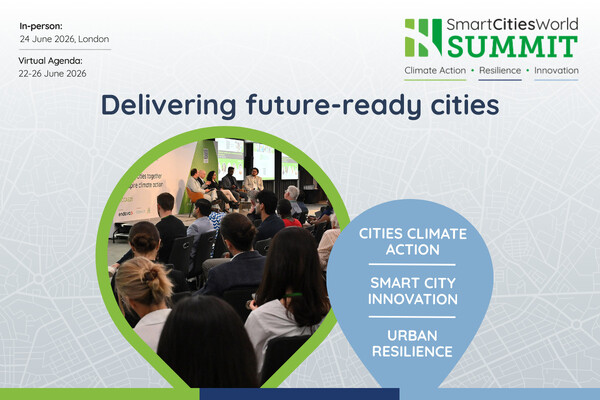
As cities confront the combined pressures of climate change, infrastructure resilience and digital transformation, the SmartCitiesWorld Summit 2026 will bring together urban leaders and partners during London Climate Action Week to explore how these agendas intersect – and how cities can translate strategy into practical action.
Benson Tam of Venturous Group and Michael Kwok of Arup explain how innovative public and private partnerships are pushing the envelope for the future of cities.
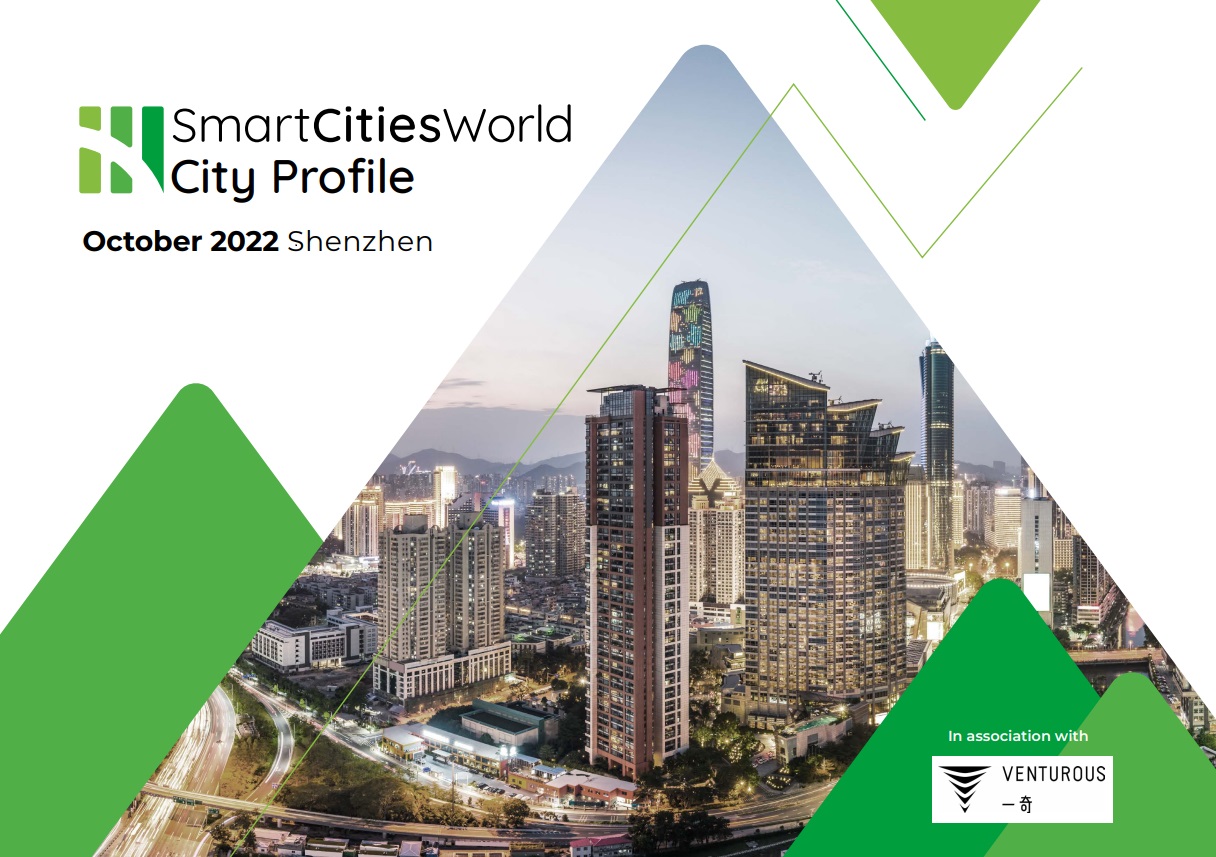
SmartCitiesWorld City Profiles explore the city of Shenzhen, designated as China’s first special economic zone and a role model of urban modernisation. Find out more about Shenzhen’s smart city strategy in this 16-page report.
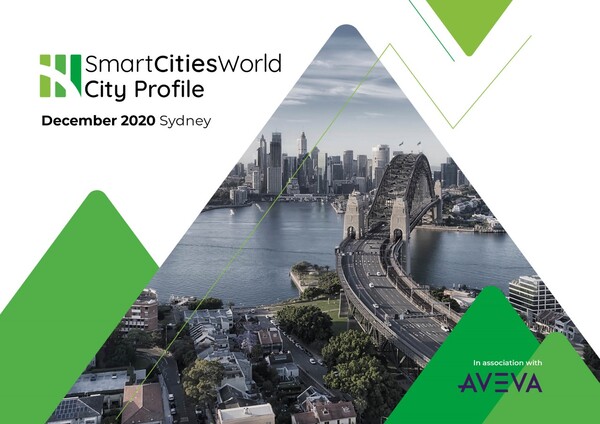
In 2020, the City of Sydney released a Smart City Strategic Framework to harness the opportunities brought about by digital disruption, to plan for uncertainty and to sustain a global reputation as a leading place to live, work, learn and visit.
Benson Tam of Venturous Group and Michael Kwok of Arup explain how innovative public and private partnerships are pushing the envelope for the future of cities.
Latitudo 40 sits at the convergence of satellite imagery analysis and AI and will demonstrate the vital role satellite data has to play in helping cities tackle the challenges of climate change.
SSE Energy Solutions will show how by leveraging the power of smart city data, cities have a key role to play in lowering carbon emissions and energy consumption and costs.
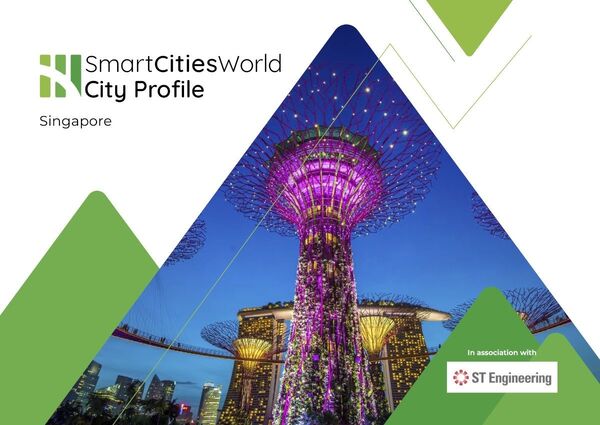
Find out how the island city-state of Singapore is further building its reputation as one of the smartest nations in the world in the latest SmartCitiesWorld City Profile.
Discover how connected intelligence can help cities turn fragmented data into coordinated, secure and measurable action across essential public services.
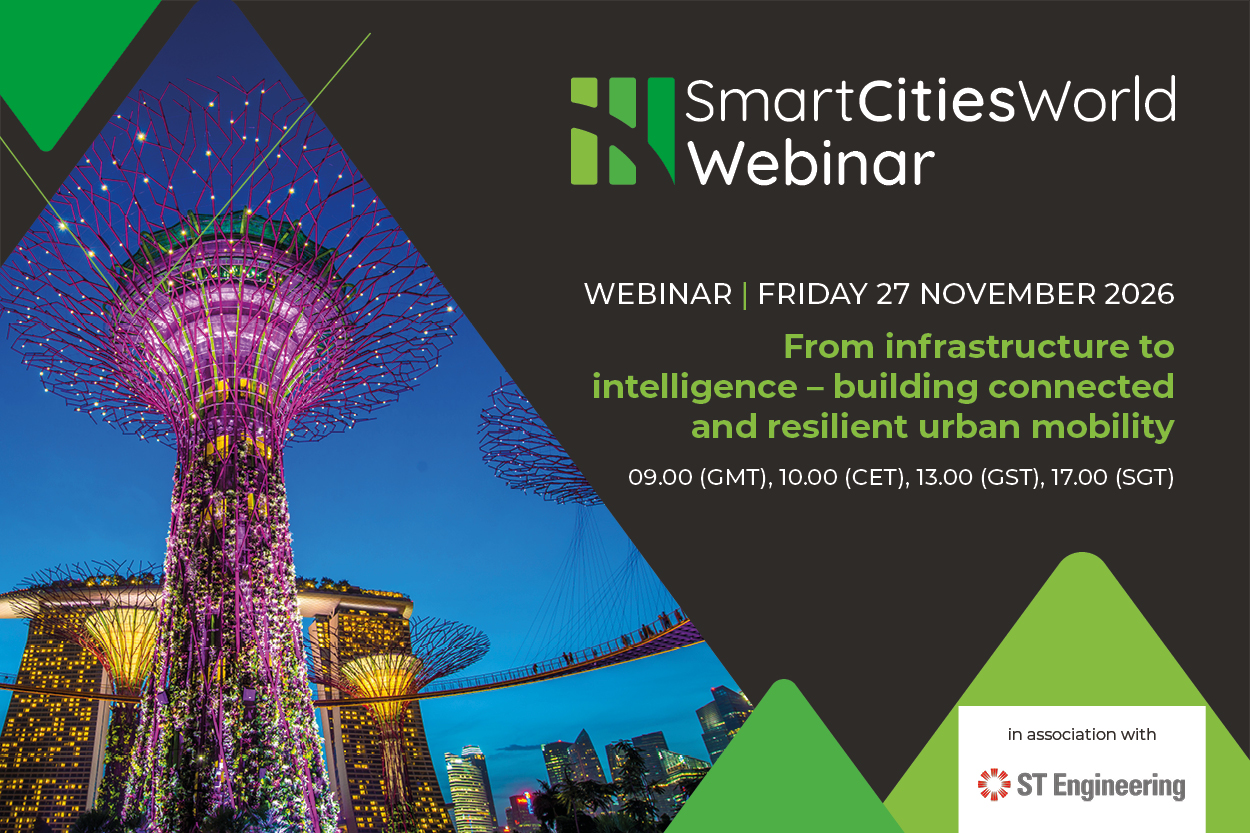
Discover how cities can utilise connected transport infrastructure to improve operational performance, passenger experience, and response times across urban mobility systems.
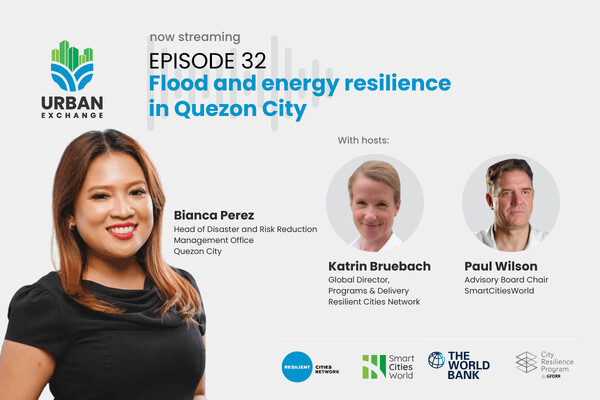
Tune in for the latest Urban Exchange where we get a first-hand account of city resilience measures from Quezon City following unexpected extreme rainfall.
Our editorial newsletter pulls together our latest news items into one email, direct to your inbox. We also feature our latest city interviews, Special Reports and Guest Opinions.
PHXLink is designed to connect Phoenix residents with public transit services and help with future transit planning based on ridership data during the pilot.
Upgraded myDTA brings fare-capping, smartcards and contactless payments to make transit more convenient, accessible and affordable for every rider across the region.
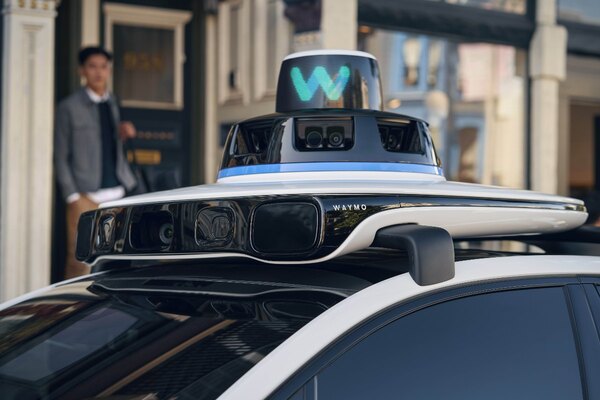
Strategic partnership will see Element Fleet Management support Waymo’s Toronto operations with end-to-end fleet management and intelligent mobility solutions.
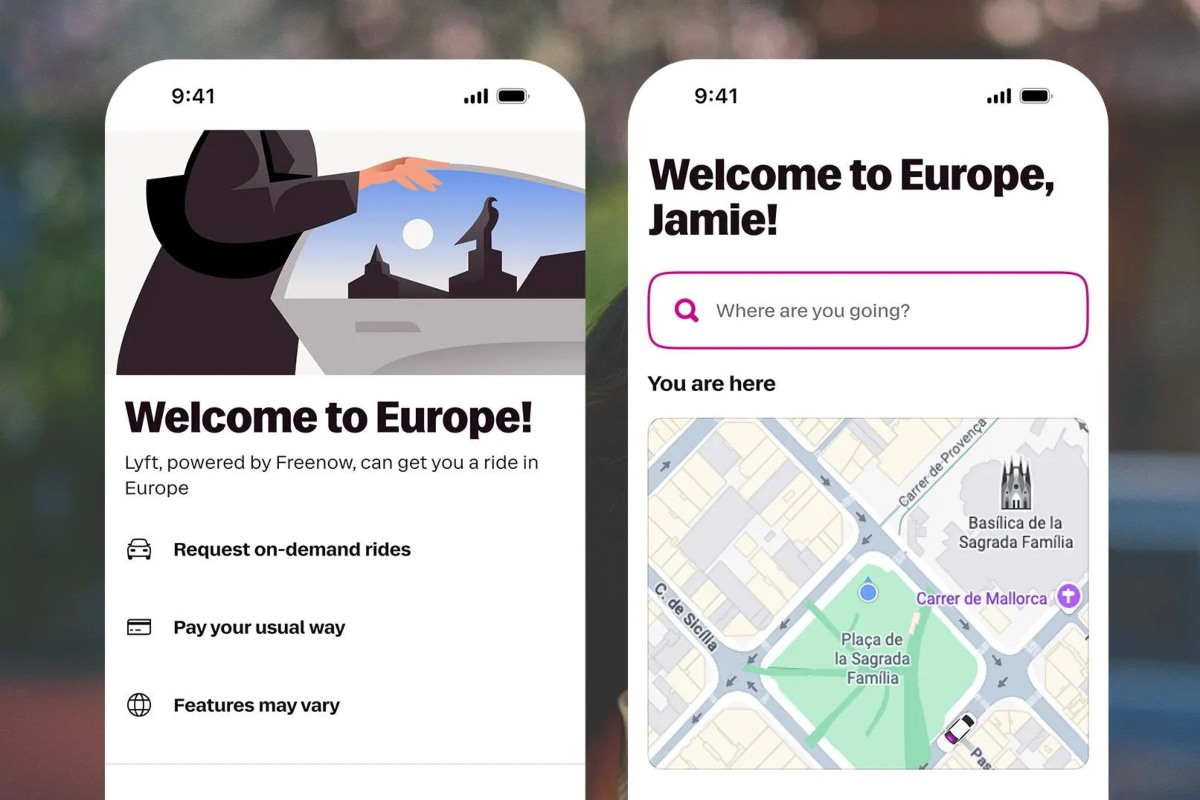
Early access to the app rolls out in Barcelona and Hamburg first and, throughout October, it will become available for riders to use in other European cities.
AI Labs brings together transit ecosystem from agencies and tech partners to develop AI solutions with some already in testing with Greater Dayton agency.
Transit Orange will deploy TRC’s Pingo platform to support scheduling, dispatching, real-time vehicle management, and rider communications for its services.
The Wheels4Wheels project repurposes sensors already fitted to Bolt’s scooters to collect the accessibility data that mainstream maps have long been missing.
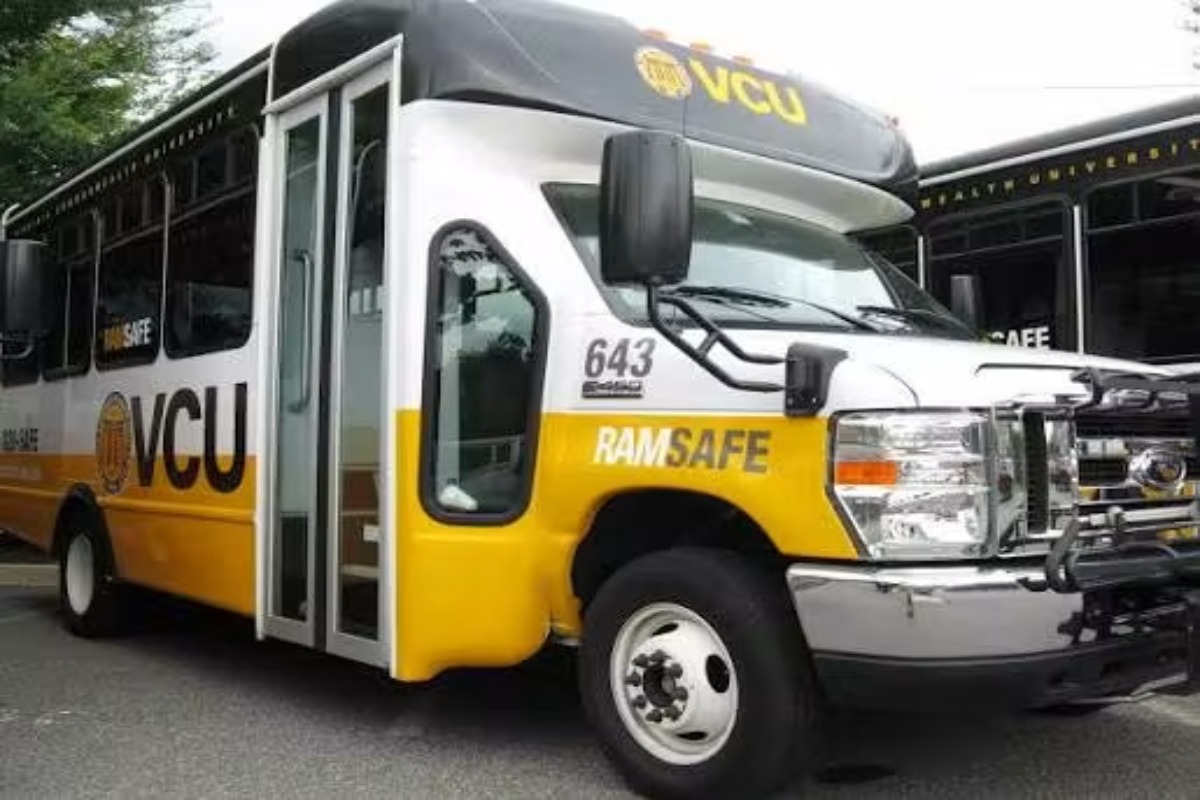
Powered by TRC Pingo platform, RamsLink provides registered riders with direct, point-to-point transportation to help meet temporary and long-term mobility needs.
Bremerton pilot represents another step forward for flexible mobility in the region, combining shared transportation, electrification and modern mobility technologies.
Gareth Morgan, executive director of future planning and resilience for the City of Cape Town, joins the Urban Exchange to talk about his efforts to put resilience front and centre of all aspects of the city’s work.
Smart city is the framework based on Information and Communication technologies that enable the development of sustainable practices to address the urbanisation challenges. Leveraging the technology is one of the foremost pillars of ‘smart cities’ in order to increase efficiencies and improve the quality of resident’s life and the city’s services.
The company will build and operate a smart city platform with citywide network connectivity for the Qatar city using advanced AI and data-driven technologies.
A dedicated platform and series of workshop events focused on how AI is being applied across cities from experimentation to large-scale, embedded deployment.
SmartCitiesWorld Newsletters (Daily/Weekly)
Our editorial newsletter pulls together our latest news items into one email, direct to your inbox. We also feature our latest city interviews, Special Reports and Guest Opinions.
Find out how the island city-state of Singapore is further building its reputation as one of the smartest nations in the world in the latest SmartCitiesWorld City Profile.
Discover how connected intelligence can help cities turn fragmented data into coordinated, secure and measurable action across essential public services.
Discover how cities can utilise connected transport infrastructure to improve operational performance, passenger experience, and response times across urban mobility systems.
Tune in for the latest Urban Exchange where we get a first-hand account of city resilience measures from Quezon City following unexpected extreme rainfall.
Our editorial newsletter pulls together our latest news items into one email, direct to your inbox. We also feature our latest city interviews, Special Reports and Guest Opinions.
SmartCitiesWorld City Profiles explore the city of Shenzhen, designated as China’s first special economic zone and a role model of urban modernisation. Find out more about Shenzhen’s smart city strategy in this 16-page report.

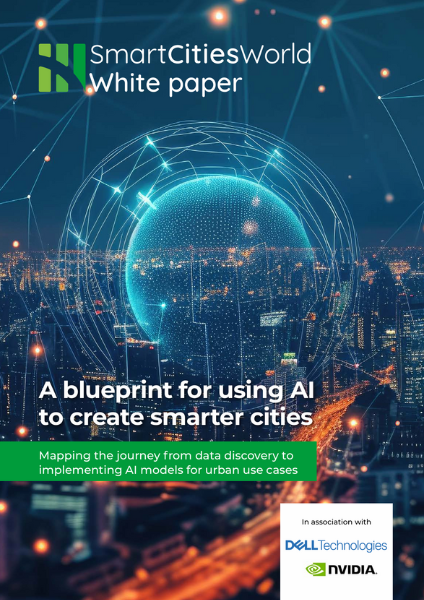
This white paper maps the end-to-end journey from data discovery to implementing complex AI models that can provide customised insight. It puts forward a blueprint for cities to use artificial intelligence to become smarter and more liveable by taking an outcomes-focused approach.

This white paper covers how connected systems can help cities build sustainability and wellbeing into their indoor and outdoor spaces. We look at the scale of the decarbonisation challenge faced by cities, how cities can use connected technologies to create greener buildings and the vital role of retrofitting. We includes detailed analysis of the energy and cost-savings that energy efficiency programmes can bring in cities.