


















BUILD YOUR OWN
RESOURCE LIBRARY



Podcasts

Podcast: Using mobility data to shape the future of citiesSponsored by TomTom

Podcast: Building resilient cities: trustworthy AI, digital twins, and urban innovation at YII 2025Sponsored by Bentley Systems
Opinions
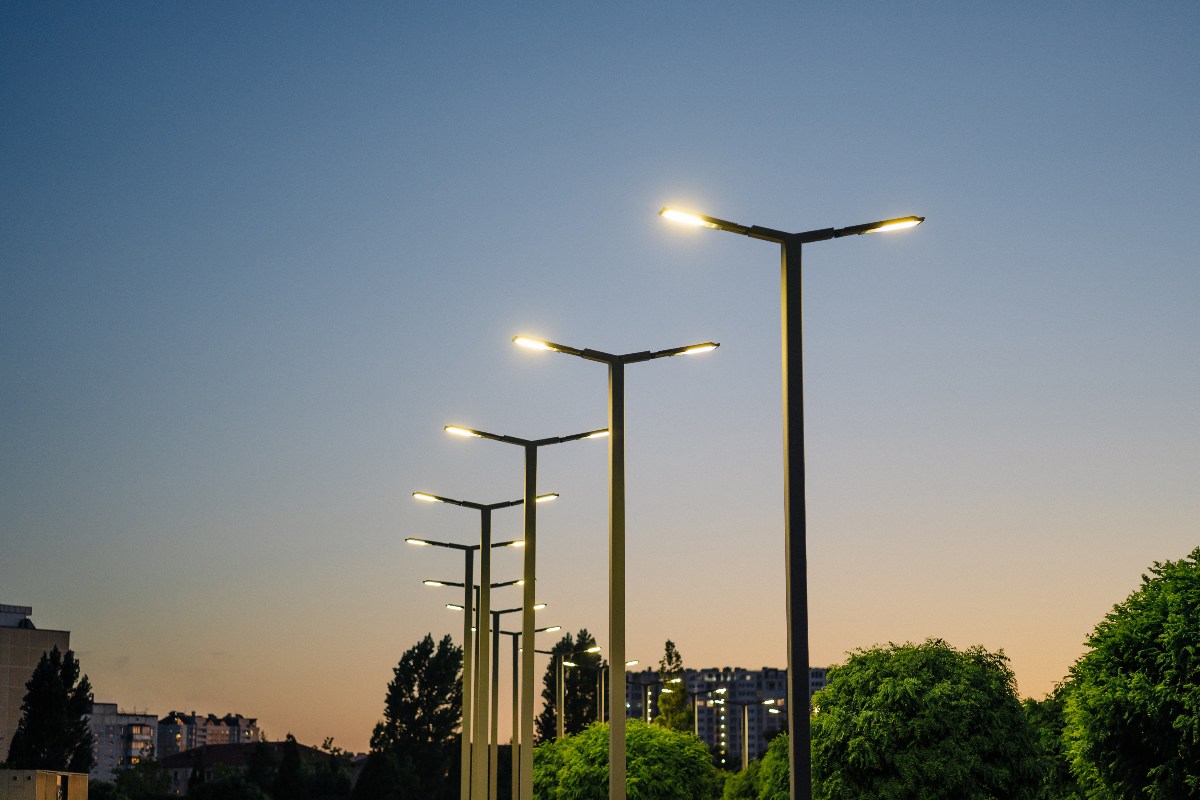
Smart lighting: enabling smart cities beyond illuminationSponsored by Paradox Engineering

How AI and biometrics are shaping next-generation mobility paymentsSponsored by ST Engineering
London and Austin ranked top for smart city potential
A study by ProptechOS looked at the 100 most populous cities in Europe and the US to discover which ones are the most adapted to emerging technologies.


London and Austin are ranked top for smart city preparedness in European and US indexes respectively.
The rankings were compiled by real state company ProptechOS which looked at the 100 most populous cities in Europe and the US to discover which are the most adapted to emerging technologies and prepared for a smarter future.
Smart city indicators
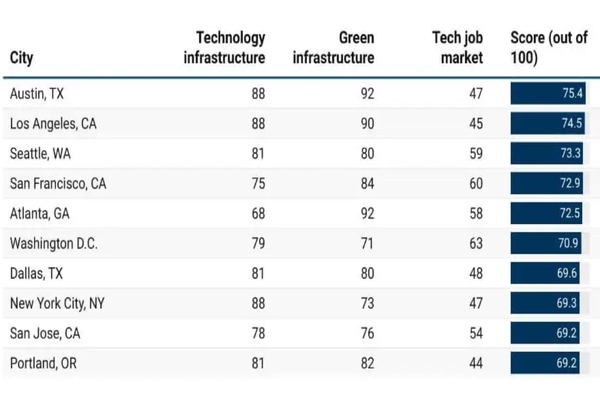
The company examined 11 indicators of a smart city, as defined by the Organisation for Economic Cooperation & Development (OECD), in the categories of tech infrastructure and connectivity; green infrastructure; and tech-driven job markets.
These included data points such as broadband speeds, the number of tech jobs per 10,000 residents, and access to electric vehicle charging points.
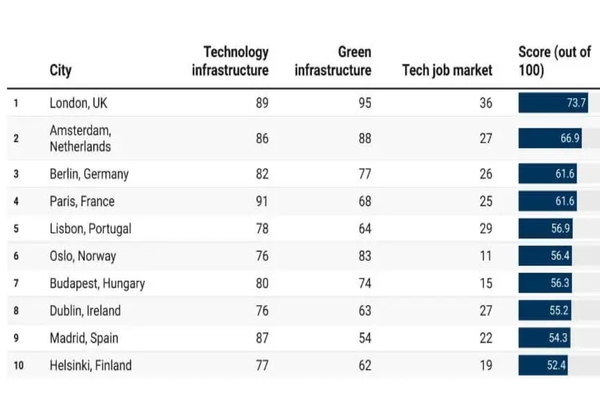
Each city was then awarded an overall score out of 100, as well as a score for each of the three categories.
“The cities that will thrive in the future will be the ones best adapted to our new and greener ways of living”
Amsterdam came second in the European ranking followed by Berlin, with Paris and Lisbon rounding out the top five. As the top European city, London scores particularly high on its technology and connectivity infrastructure, and on its green infrastructure. The English capital has nine 5G towers installed, which is more than any other city in the analysis. Its average broadband speeds are 82.7mbps, which is better than two thirds (65 per cent) of the other cities in the analysis.
European cities scored lower than their US counterparts for smart city potential in the study. Only two European cities featured in the overall top 20, namely London in third and Amsterdam in sixteenth.
Meanwhile in the US, Austin achieved an overall score of 75.4 out of 100. Both the city’s technology infrastructure (87.7 out of 100) and green infrastructure (91.7 out of 100) rank significantly high in comparison to many other cities, with the eighth highest number of publicly accessible EV charging stations (329), the eleventh highest per 10,000 people (33.2), and the eighth highest number of internet of things companies (76) headquartered and operating there.
“The cities that will thrive in the future will be the ones best adapted to our new and greener ways of living. By looking at a range of factors, including tech infrastructure, sustainability, and the tech-driven job market, we were able to get a better picture of the US and European cities will be leading the way into a smarter future,” said Dr Erik Wallin, founder and chief ecosystem officer at ProptechOS.
The full report can be viewed here: proptechos.com/smart-city-index/
Why not try these links to see what our SmartCitiesWorld AI can tell you.
(Please note this is an experimental service)
How does 5G infrastructure impact smart city connectivity and data management?What role do electric vehicle charging points play in green infrastructure?How are tech-driven job markets measured in smart city evaluations?In what ways do parks and green spaces contribute to urban sustainability?How do broadband speeds influence a city's smart technology readiness?5GAmsterdamAustinBerlinConnectivity & DataEnergy & EnvironmentGovernance and CitizenInternet of Things (IoT)LisbonLondonmobilityParisParks and green space
Latest City Profile
SmartCitiesWorld Newsletters (Daily/Weekly)
You may also like these related articles...
BECOME A MEMBER
© 2025 SmartCitiesWorld
Smart Cities World Ltd, 27 Clements Lane, London, EC4N 7AE