



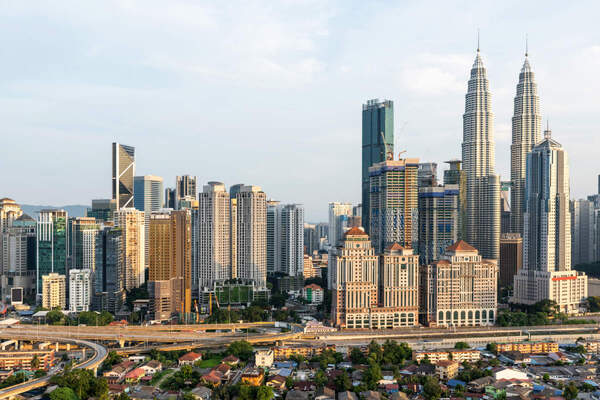





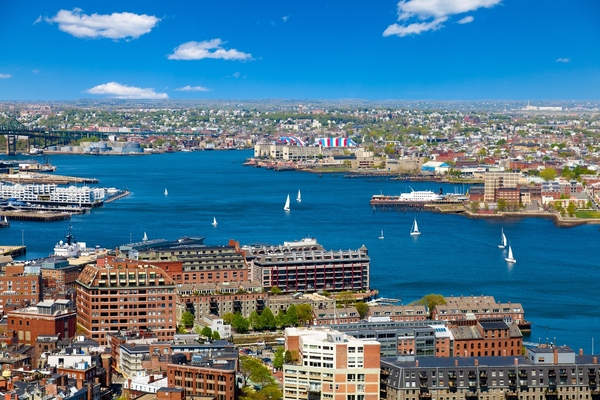
Latest projects funded by the Green Heat Network Fund include local heat networks in Bristol City Centre, Derby, Lincoln, Sandwell as well as Westminster.
The UK’s Green Heat Network Fund (GHNF) capital grant fund has announced £100m support for eight low carbon heat networks in London, Bristol, the West Midlands, Lincolnshire, and the North West.
The projects will receive major investment to kick-start commercialisation and heat network construction.
Government funding through the GHNF aims to help build a thriving, self-sustaining market fit for the future. The latest announcement highlights the broader benefits of the scheme from advancing research and development to supporting hundreds of jobs and contributing to sustainable communities.
It comes shortly after it was announced that Triple Point Heat Network Investment Management has been contracted to deliver the Government’s GHNF scheme until 2030, cementing the partnership which will now stretch to 12 years.
“We’re thrilled to announce our largest funding announcement to date – a clear sign of the nation’s growing commitment to low carbon heat,” said Ken Hunnisett, programme director. “The projects we’ve announced today represent some of the most forward-thinking and high-impact heat network developments we’ve seen.
“£100m in funding is a huge milestone: a great reflection on the GHNF, the teams that will be developing and delivering them, and on the stakeholders that they’ll serve. From hospitals and homes to entire town and city centres, we’re proud to be accelerating the shift to cleaner, greener heating for communities across the country.”
The eight projects are:
Dom Barton, director of Bristol Heat Networks at Vattenfall, which receives £21.3m, said: “This vital funding will help build critical infrastructure that will provide reliable, resilient, low-carbon heating and hot water to homes and businesses in Bristol. Large scale heat networks are one of the most effective and efficient ways of decarbonising heat in urban areas, so the network expansion in Frome is vital for Bristol’s long-term, low carbon future.
"Building the heat network is a great demonstration of the power of collaboration, working hand-in-hand with our partners in Bristol City Leap and Bristol City Council. We look forward to continuing our journey towards a fossil-free future for Bristol, connecting more buildings to our innovative heat network.”
The Green Heat Network Fund (GHNF) is a multi-year, capital grant fund that opened to applicants in March 2022 and is anticipated to run to 2028. It will provide support to organisations in the public, private, and third sectors in England. It replaced the Heat Networks Investment Project (HNIP) scheme which closed for applications in January 2022. In contrast to the HNIP scheme, the GHNF scheme will only fund heat network projects where there is a low-carbon heat source.
“Heat networks will play an important role in our mission for clean power by 2030, helping us to achieve energy independence and lower bills," said minister for energy consumers, Miatta Fahnbulleh. “That is why this government is backing inventive projects, such as using heat generated by sewers or the River Thames to provide heating to connected businesses and homes, through the Green Heat Network Fund.”
Why not try these links to see what our SmartCitiesWorld AI can tell you.
(Please note this is an experimental service)
How does waste heat recovery technology reduce carbon emissions in heat networks?What role do heat pumps play in improving energy efficiency in urban areas?How can local heat networks contribute to building sustainable communities?What are the economic benefits of investing in low carbon heat infrastructure?How does the Green Heat Network Fund support innovation in clean heating projects?