













 22-26 June 2026: Find out more

















BUILD YOUR OWN
RESOURCE LIBRARY



Car-free visions boost support for pedestrianisation
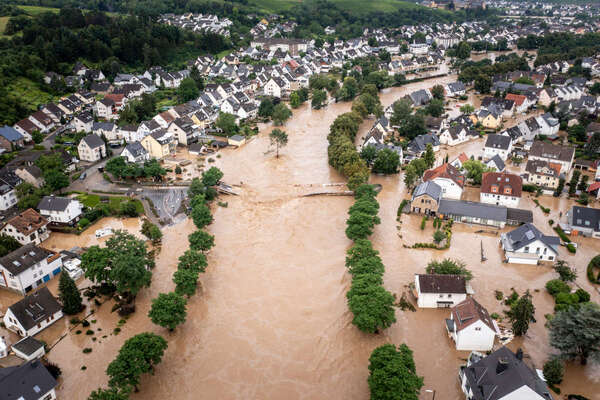
Reimagined car-free areas in iconic areas in London, Paris, and New York have further fuelled the desire by residents to see fewer vehicles in their cities.


New proposals for pedestrianisation in iconic areas in London, Paris, and New York have boosted the desire by residents to see fewer cars in their cities.
It follows a survey conducted by Survation on behalf of the Car Free Megacities campaign, which reveals more than two-thirds of people living in London, Paris and New York would like to see fewer cars in their cities.
Support for pedestrianisation
Polling participants were asked if they supported pedestrianisation of the areas in principle, for which there was support, but were then asked again after seeing the vision which boosted overall support across the board.
In London, support was 49 per cent prior to seeing the proposals but then jumped to 72 per cent after; in Paris, support was 58 per cent prior to seeing the proposals but then jumped to 69 per cent after; and in New York, support was 60 per cent prior to seeing the proposals but then jumped to 74 per cent after
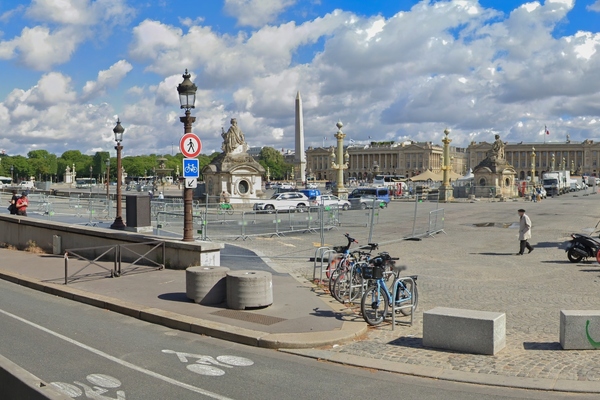
How the Place de la Concorde in Paris looks today. Copyright: Possible
The visions were co-produced with a group of diverse city residents that attended workshops in each of the cities. They toured the respective areas, took part in group discussions, and developed ideas to be incorporated into the visions.
“The vision of a car-free Hyde Park Corner shows just how transformative traffic reduction can and will be,” said Hirra Khan Adeogun, head of Car Free Cities at climate charity Possible.
“Our shared spaces can be beautiful, they can support thriving communities, bring nature back to cities, and we can be healthier and happier. These visions are bold and that boldness clearly resonates with people.
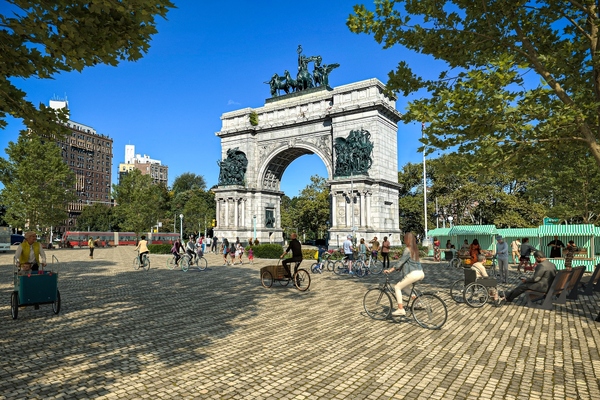
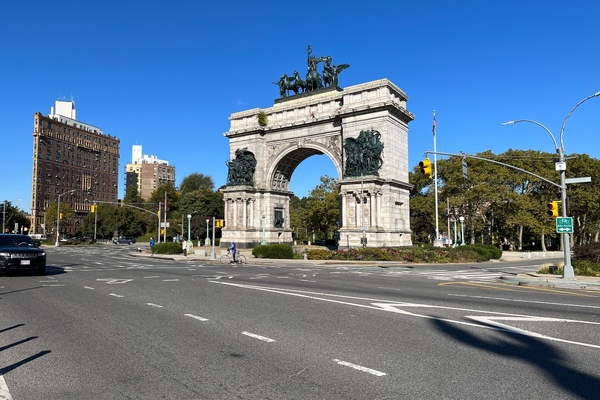
Car-free version of Grand Army Plaza in New York City (above) and how it is today (below). Copyright: Possible
“People want fewer cars in their cities and they want politicians to take serious climate action so our cities work for people and the planet.”
Doug Gordon, a livable streets activist in Brooklyn, and project manager for Car Free Megacities in Paris, added: “Making areas of cities car-free or car-lite is often portrayed in the press as controversial, but when you actually ask people what they want it’s clear that having the option to enjoy spaces with fewer cars is popular.
“Creating places for people, not cars is not just good for health, or even a necessary part of fighting climate change, it’s also a political winner.”
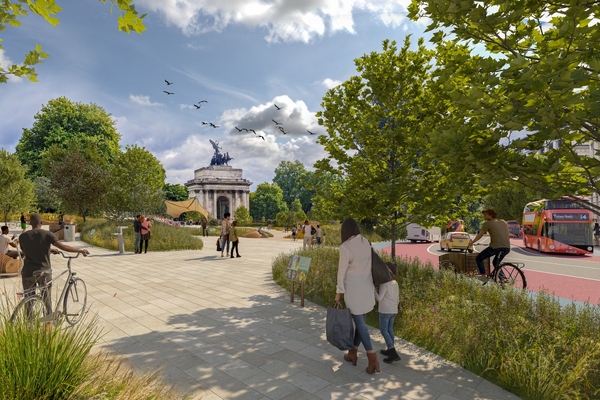
How Hyde Park Corner, London, could look without cars (above) and how it looks today (below). Copyright: Possible
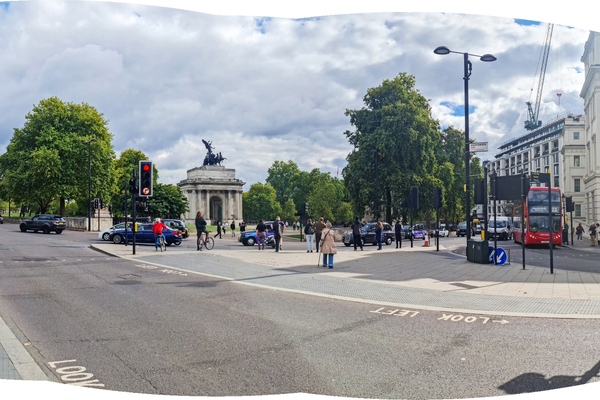
The Car Free Megacities campaign is calling on the mayors of each of the three cities to take bold action and realise the visions in order to reduce car dominance in their cities.
The Car Free Megacities is about creating more urban space for people and nature, clearing cities of air pollution and promoting healthy, active travel like walking and cycling. It is a collaboration between climate charity Possible, think tank the New Weather Institute, Paris sans Voiture, Brooklyn Spoke, Transportation Alternatives, Westminster University’s Active Travel Academy, and Glimpse, supported by the KR Foundation, and Brompton.
Why not try these links to see what our SmartCitiesWorld AI can tell you.
(Please note this is an experimental service)
How does pedestrianisation impact urban air quality and pollution levels?What are the key benefits of car-free zones for community health?How can public support for car-free areas be effectively increased?What role do green spaces play in successful pedestrianisation projects?How do car-free initiatives contribute to climate change mitigation efforts?
Latest City Profile
Latest Summit Speakers
(22-26 June)
Latest Urban Exchange Podcast
Latest Special Report
SmartCitiesWorld Newsletters (Daily/Weekly)
You may also like these related articles...
BECOME A MEMBER
© 2026 SmartCitiesWorld
Smart Cities World Ltd, 37 Lombard Street, London, EC3V 9BQ