







 22 - 26 June 2026: Find out more

BUILD YOUR OWN
RESOURCE LIBRARY



Podcasts

Cities Thriving on Lighting, Episode 2 – Simplicity by design in smart lightingSponsored by Paradox Engineering

Cities Thriving on Lighting, Episode 1 – Lighting as the backbone of the smart citySponsored by Paradox Engineering
Opinions

Transforming indoor public safety with smart sensor networksSponsored by Motorola Solutions


AI CityXchange newsletter
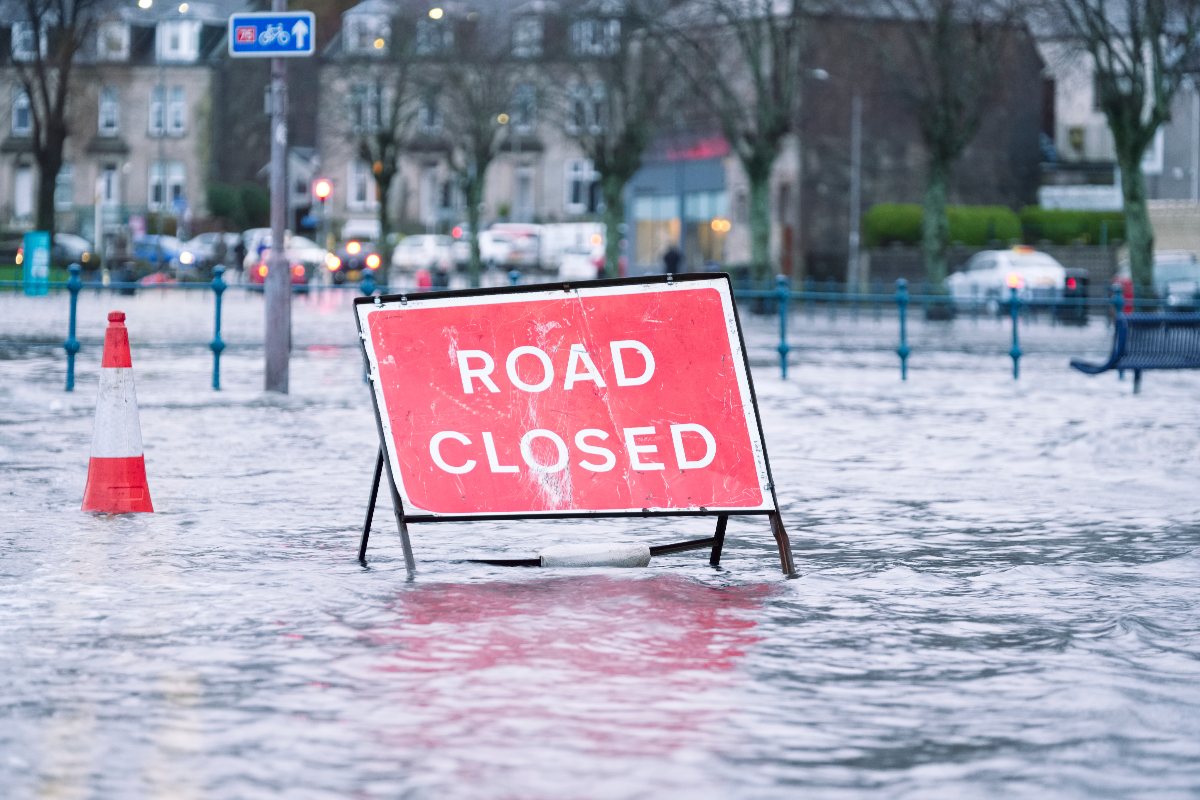
AI solution aims to help utilities and cities tackle flood risk
Flood IQ from Jacobs uses advanced AI to turn water and drainage data into actionable intelligence for preparedness, response and long-term resilience planning.


 At a glance
Who: Jacobs.
What: Jacobs is introducing Flood IQ, an artificial intelligence (AI)-enabled solution to help cities, utilities and government agencies anticipate, manage and recover from flooding events.
Why: To transform fragmented water and drainage system data into actionable intelligence for preparedness, response and long-term resilience planning.
Where: The tool is available globally.
Global consultancy Jacobs is introducing an artificial intelligence (AI)-enabled solution to help cities, utilities and government agencies anticipate, manage and recover from flooding events.
Flood IQ brings together Jacobs’ flood engineering expertise with advanced AI to transform fragmented water and drainage system data into actionable intelligence for preparedness, response and long-term resilience planning.
Transparency and protection
Flood risk is increasing worldwide as weather extremes, ageing infrastructure and urban growth place greater pressure on water systems. At the same time, communities face constrained budgets and rising expectations for transparency and protection.
Flood IQ aims to address these challenges by applying machine learning and AI to improve situational visibility across critical infrastructure, surface water and sewer networks, and to enable rapid flood forecasting, multi-scenario operational planning, and data-based emergency response.
“Flood IQ represents a fundamental shift in how flood resilience is delivered, helping cities and utilities move beyond static models and reactive responses”
Flood IQ brings together capabilities already deployed across multiple projects globally, integrating sensors, hydraulic models, operational data, AI analytics and mobile emergency response applications.
“Flood IQ represents a fundamental shift in how flood resilience is delivered, helping cities and utilities move beyond static models and reactive responses,” said Jacobs executive vice president Amer Battikhi.
Read More
“It provides continuous intelligence into how water systems are performing, supporting real-time decisions and long-term planning, while boosting resilience against recurring and major events. It reflects how Jacobs is applying artificial intelligence across infrastructure to help clients make faster, more informed decisions in increasingly complex environments, as part of our growing portfolio of AI-enabled solutions supporting critical infrastructure systems worldwide.”
Examples of project deployment include:
- United Utilities (UK) – applied machine learning across 78,000km of sewer network, reducing sewer flooding and pollution events by approximately 20 per cent through predictive operations
- Oxford–Cambridge Arc (UK) – evaluated billions of mitigation pathways across 27 climate and growth scenarios to inform long-term resilience planning
- Puerto Rico Aqueduct and Sewer Authority – integrated more than 7,700 sensors and 3,000 assets into a unified digital storm-response platform, strengthening operational coordination across the island during hurricanes.
These deployments demonstrate how AI-enabled flood intelligence can reduce flood impacts, improve service continuity, and guide smarter infrastructure investment.
Flood IQ provides a unified operational view by combining rainfall radar, river and coastal conditions, stormwater and wastewater network data, and critical infrastructure data. Using AI-powered analytics, the platform forecasts where flooding may occur and when, identifies system stress points and supports coordinated actions during severe weather events to protect communities.
The solution integrates with existing tools including Aqua DNA, Flood Modeller and Flood Platform, creating a comprehensive ecosystem for flood resilience.
Flood IQ includes two integrated solution suites:
Preparedness Suite
- Rapid forecasting to provide 24- to 72-hour lead times ahead of potential flooding
- AI resilience planning to evaluate mitigation strategies across future climate scenarios
- Smart asset upgrades to provide predictive identification of infrastructure most at risk of failure.
Real-Time Response Suite
- System-wide visibility across rainfall, runoff, water infrastructure, local drainage systems, rivers, and coastal conditions; multi-agency visibility enabling coordinated emergency response and traffic management
- AI operational decision support for pumps, gates and storage assets
- Public alerts and localised risk updates for communities and stakeholders.
Through this approach, Jacobs said organisations can expand flood forecasting coverage more quickly, evaluate thousands of resilience strategies, prioritise infrastructure investment and improve coordination during severe weather events.
Jacobs has also released the e-book Waterproof: How AI is Shoring Up Flood Resilience, which features case studies and details of how specific AI-enabled technology deployments around the world are helping address flood and water management issues.
BECOME A MEMBER
© 2026 SmartCitiesWorld
Smart Cities World Ltd, 37 Lombard Street, London, EC3V 9BQ