









 22 - 26 June 2026: Find out more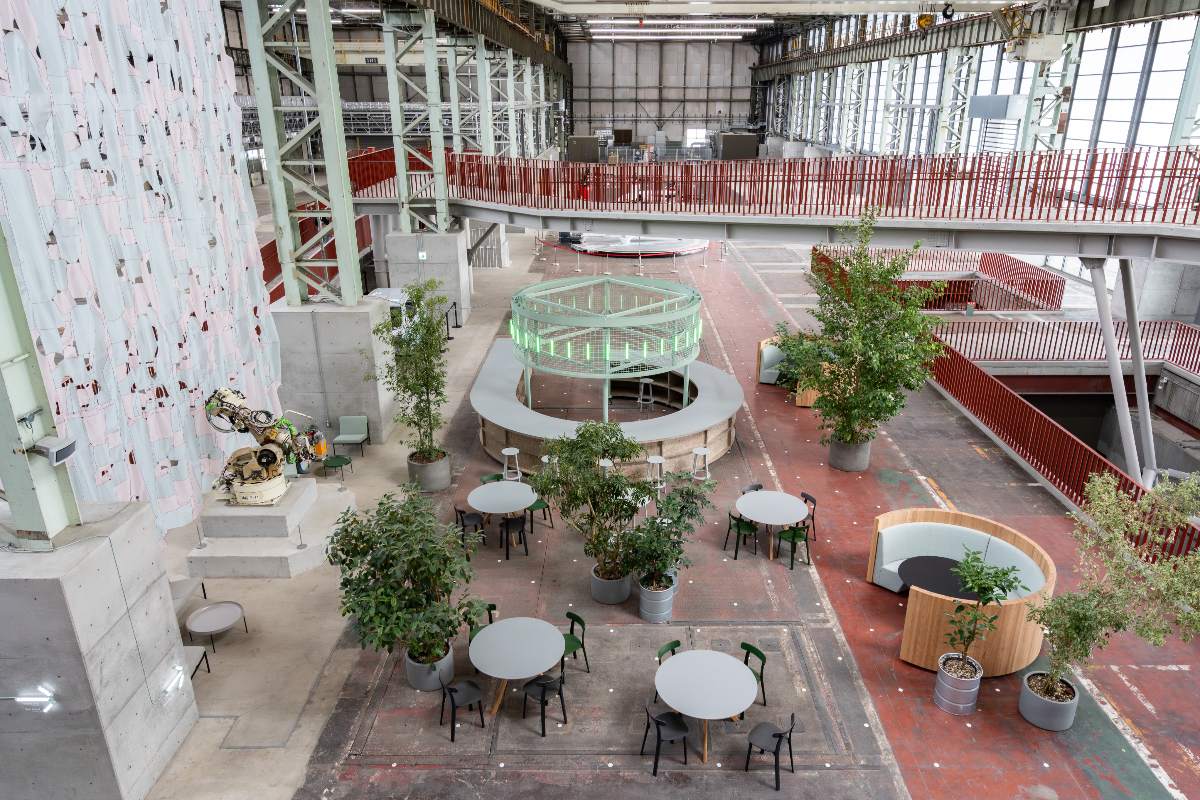

BUILD YOUR OWN
RESOURCE LIBRARY



Podcasts
Cities Thriving on Lighting, Episode 2 – Simplicity by design in smart lightingSponsored by Paradox Engineering
Cities Thriving on Lighting, Episode 1 – Lighting as the backbone of the smart citySponsored by Paradox Engineering

New AI technologies unveiled at Toyota Woven City
The artificial intelligence tech will be used to drive the core business philosophy of Kakezan at the smart city, located at the base of Mount Fuji in Japan.


 At a glance
Who: Toyota Motor Corporation; Woven by Toyota (WbyT); Toyota Woven City.
What: Toyota Motor Corporation and WbyT have unveiled new AI technologies designed to accelerate innovation and drive its business philosophy Kakezan at Toyota Woven City.
Why: To support the co-creation of products and services that enhance people’s lives, guided by the belief that AI should complement human intuition and ability rather than replace them.
Where: Toyota Woven City is located at the base of Mount Fuji in Japan.
Toyota Motor Corporation and Woven by Toyota (WbyT) have unveiled new artificial intelligence (AI) technologies designed to accelerate innovation and drive its business philosophy Kakezan at Toyota Woven City in Japan, which officially launched in September 2025.
Kakezan, meaning “multiplication” in Japanese, is WbyT’s approach to creating solutions with greater impact for society. It brings together diverse strengths across industries, including Toyota’s mass-production experience, WbyT’s software development expertise, and the unique capabilities of Inventors and partners.
Smart city and mobility testbed
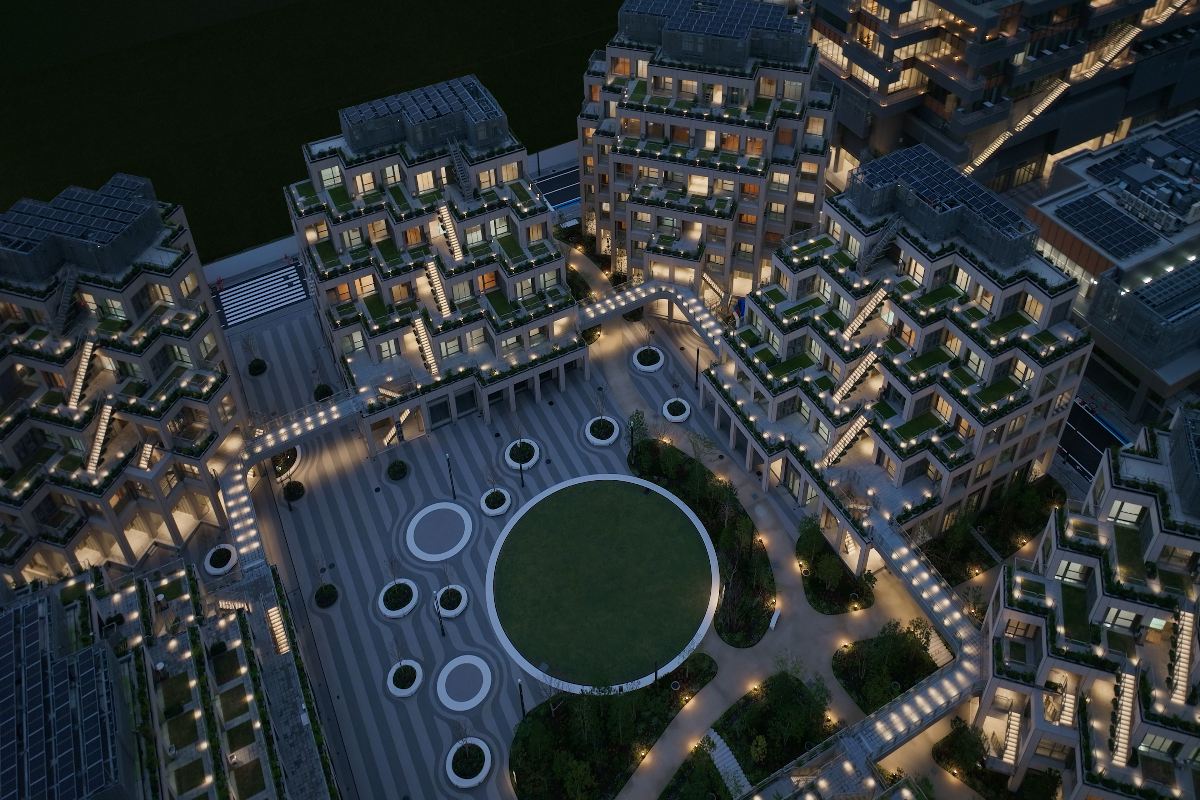
Located at the base of Mount Fuji, Woven City is the smart city and mobility testbed centered around three core concepts: a Living Laboratory, Human-Centered, and Ever Evolving City.
WbyT is deploying advanced in-house AI models across Woven City to support the co-creation of products and services that enhance people’s lives, guided by the belief that AI should complement human intuition and ability rather than replace them.
These technologies enable people, mobility technologies and infrastructure to operate as a single coordinated system, improving safety
The Woven City AI Vision Engine (AI Vision Engine), a large-scale AI foundation model that enables the city to understand and respond to real-world conditions in real time, is one example. By bringing together visual, behavioural and environmental data from sources such as camera feeds, mobility systems and user inputs, it identifies patterns, detects potential risks and enables coordinated action across connected systems to improve safety.
The technology supports a range of real-world applications. At Woven City, it is currently being used in a proof-of-concept project with UCC Japan Co, one of the city’s Inventors. Toyota and WbyT plan to expand its deployment beyond Woven City.
Read More
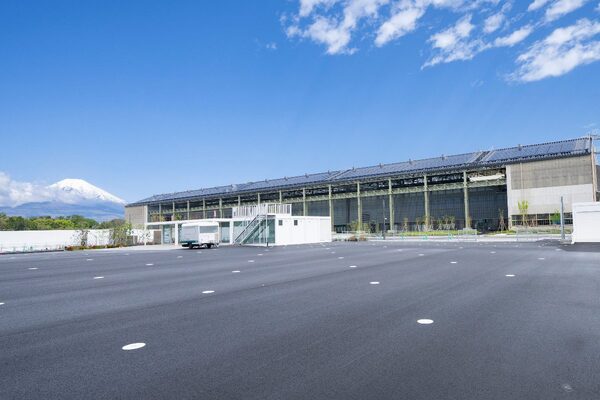
Woven City Inventor Field that provides testing areas where inventions can be validated
The Woven City Integrated Anzen System builds on AI Vision Engine’s capabilities by combining it with other AI technologies, including Woven City Behaviour AI and Woven City Drive Sync Assist.
Woven City Behaviour AI interprets and predicts human behavioural patterns, while Woven City Drive Sync Assist provides driving assistance based on driver needs and surrounding conditions. By analysing camera data from vehicles and traffic signals, the system can understand movement, anticipate behaviour, and provide that information to pedestrians and drivers to support peace of mind both on and off the road. Together, these technologies enable people, mobility technologies and infrastructure to operate as a single coordinated system, improving safety.
Separately, Toyota and WbyT also unveiled Woven City Infra Hub, an integrated data platform that unifies data across the city, and Woven City Data Fabric, a data management framework that facilitates data utilisation while respecting individual preferences and privacy.
Further supporting inventor innovation, the Inventor Garage has begun operations in April. This will act as a hub for end-to-end development. It features co-creation spaces where Inventors can build prototypes, testing areas where inventions can be validated, and accommodations and communal spaces designed to help Inventors focus on development and engage with residents (Weavers). Throughout the site, Toyota and Toyota Motor East Japan (“TMEJ”) offer longstanding technical and engineering expertise.
The Inventor Garage is located in the former stamping facility of TMEJ’s Higashi-Fuji plant, which supported passenger vehicle production for more than 50 years. The site carries forward the monozukuri (the art of making things) spirit of the original plant while symbolising Woven City’s connection between heritage and innovation.
The Inventor Garage completes a three-stage development loop unique to Woven City:
- The Inventor Garage: agile development and prototyping of products and services
- The Inventor Field: controlled validation in a dedicated test environment
- Phase 1 Residential Area: real-world testing in a real living environment, currently home to approximately 100 Weavers.
By cycling through these three environments, new mobility products and services can move rapidly from concept to reality while maintaining safety and security at every stage.
Meanwhile, AI Robot Association (AIRoA), which promotes the development of AI‑enabled robots and their adoption in society, electric vertical take-off and landing (eVTOL) specialist Joby Aviation and Toyota Financial Services Corporation have joined Woven City as the latest Woven City Inventors. This brings the total number of Inventors to 24.
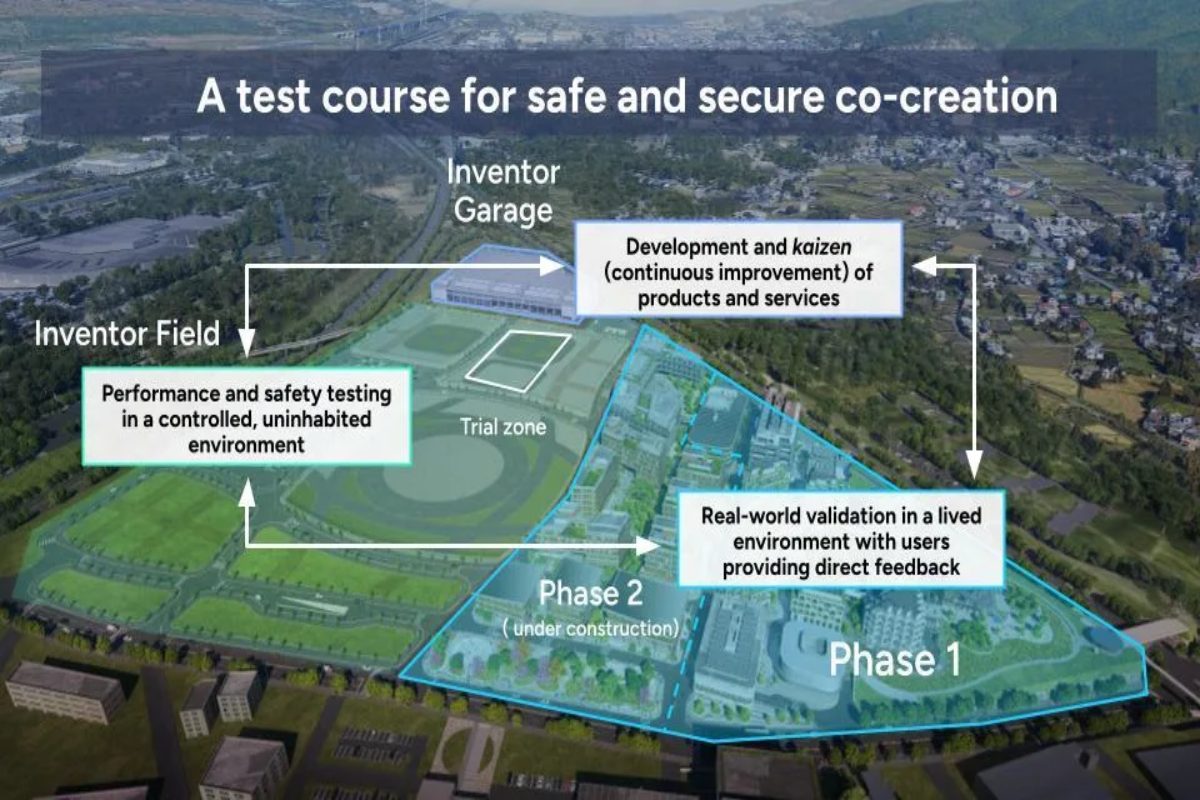
Above graphic shows the cycle for co-creation at Toyota Woven City
BECOME A MEMBER
© 2026 SmartCitiesWorld
Smart Cities World Ltd, 37 Lombard Street, London, EC3V 9BQ