







 Find out more
BUILD YOUR OWN
RESOURCE LIBRARY



Podcasts

Podcast: Using mobility data to shape the future of citiesSponsored by TomTom
Podcast: Building resilient cities: trustworthy AI, digital twins, and urban innovation at YII 2025Sponsored by Bentley Systems
Opinions
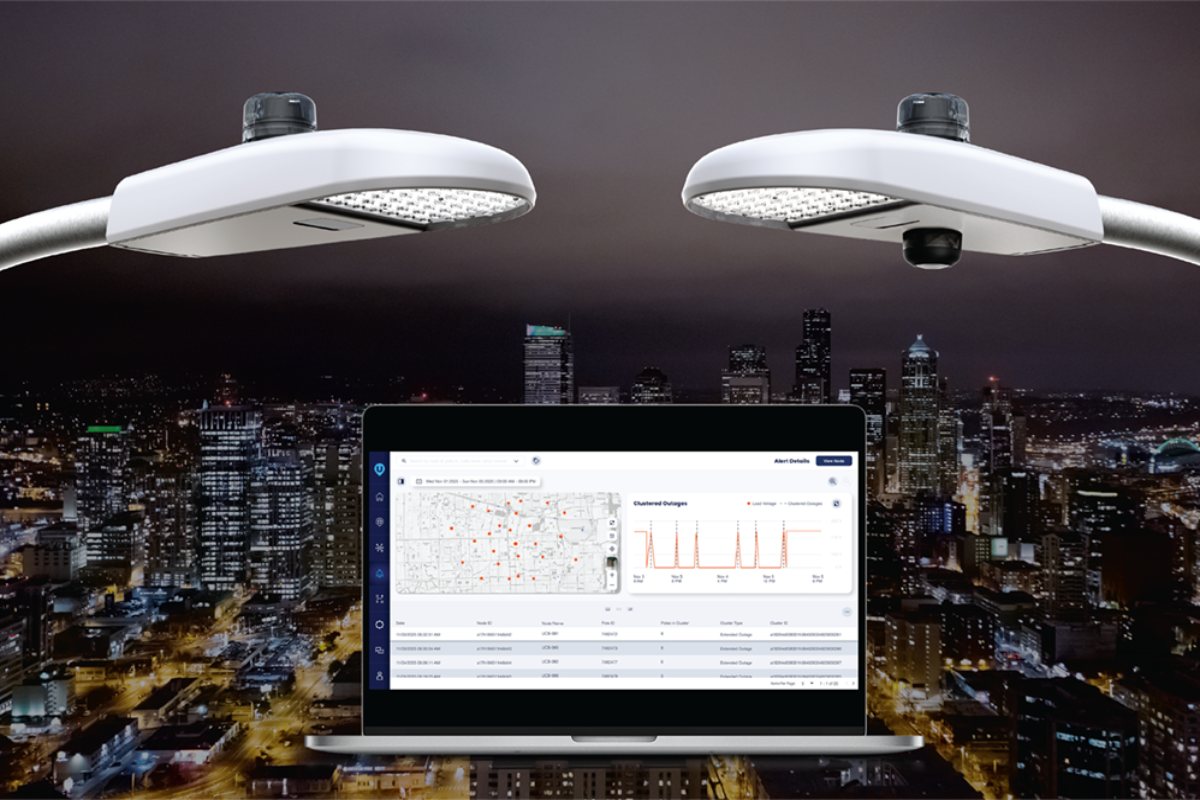
Smart lighting: enabling smart cities beyond illuminationSponsored by Paradox Engineering

How AI and biometrics are shaping next-generation mobility paymentsSponsored by ST Engineering
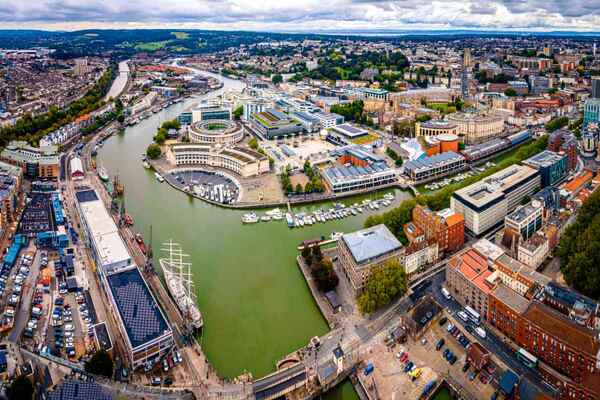
Bristol reports 10 per cent improvement in air quality
Report data covers the first year of the city’s clean air zone and sets out how 88 per cent of journeys into the zone are now made in compliant vehicles.


Air quality across Bristol is 10 per cent cleaner, on average, after the first year of the clean air zone (Caz), according to a report.
The Caz launched on 28 November 2022, following a direction from national government to Bristol and other cities, to reduce nitrogen dioxide pollution in the shortest possible time.
Clean air zone progress
The latest report, covering the first year of the Caz, sets out how 88 per cent of journeys into the zone are now made in compliant vehicles. The operational report is being considered by the mayor of Bristol and the cabinet.
“The air that we all breathe is cleaner than it was in November 2022. Nitrogen dioxide pollution is down by 10 per cent across Bristol and is almost 13 per cent lower inside the clean air zone,” said Marvin Rees, the mayor of Bristol. “Outside the Bristol Royal Infirmary and Children’s Hospital, nitrogen dioxide is down by around 20 per cent. And almost nine in 10 journeys through the Caz are now in compliant vehicles, up from a year ago.
“We have continued to invest in active travel, completing pedestrianisation schemes inside and outside of the clean air zone”
“The clean air zone remains a blunt instrument from national government, who take £2 from every £9 charge paid by motorists, but, thanks to the support package that we negotiated from Westminster, it is working. Millions of pounds of support has been paid out to Bristol residents and businesses to help them upgrade to cleaner vehicles.
Rees said the during the same period, the administration has opened the city’s first new train station in almost a century, with another one on track to open this summer and has driven forward plans for the future of transport in Bristol through a transformational mass transit system.
He added: “We have continued to invest in active travel, completing pedestrianisation schemes inside and outside of the clean air zone.
Read More
“After securing millions of pounds over previous years to retrofit buses in Bristol, these cleaner vehicles have seen passenger numbers rise despite challenges. And despite fears that air pollution might be displaced across the Caz boundary, it has fallen across our city.”
Diffusion tubes, which monitor air quality at nearly 170 locations across Bristol, have been analysed in a laboratory. Data from these devices published shows that the biggest improvements have been seen at:
- Bedminster Down Road: down 27 per cent (site 418)
- Hotwell Road: down 26.5 per cent (site 555)
- Park Row: down 27.5 per cent (site 597)
- Upper Maudlin Street by the Bristol Royal Infirmary: down 27 per cent (site 665)
- Merchants Road: down 24 per cent (site 254).
This new report follows a technical interim report from the Joint Air Quality Unit (Jaqu) in November 2023, which showed that Bristol had passed the state 1 assessment.
Christina Gray, director of communities and public health at Bristol City Council, added: “Clean air is important in helping reduce the risk of respiratory issues and infections such as asthma, lung cancer, heart disease, and stroke. Air pollution can also contribute to other health issues like depression.
“I am delighted to see that the clean air zone is already making a huge difference to Bristol’s air quality, which will have a positive impact on residents’ health now and in the future.
“Our children, grandchildren, and beyond, will benefit from the cleaner air that we are all delivering through changing vehicle use and our active travel.”
Jaqu’s State 2 Assessment report will follow in summer 2024. This will be the official assessment of the first year of the Caz in Bristol. The four stages for determining if a local authority is achieving success on clean air are as follows:
- State 1 – on track to achieve success
- State 2 – has achieved success
- State 3 – demonstrated to be maintaining success with measures
- State 4 – likely to continue maintaining success in the absence of measures.
Success is defined by national government and means that the measures put in place, for example Bristol’s Caz, are having the desired effect and air pollution will not exceed the annual average legal limit. Once stage four is achieved, the Caz can be decommissioned.
This report is the first annual publication setting out all data related to the operation of the Clean Air Zone. It also includes figures showing that the proportion of drivers paying the Caz daily charge on time has risen by around one-fifth, and shows that the number of penalty charge notices needing to be issued for non-payment of the Caz daily charge has fallen by around one-third since its peak.
Over its first year, after accounting for operating costs, including to the Department for Transport, the Caz generated just under £26.4m.
Why not try these links to see what our SmartCitiesWorld AI can tell you.
(Please note this is an experimental service)
How has the Clean Air Zone improved nitrogen dioxide levels in Bristol?What impact has the Clean Air Zone had on vehicle compliance rates?How do pedestrianisation schemes contribute to Bristol’s air quality improvements?What health benefits are linked to the reduction in air pollution?How is Bristol planning to maintain air quality success beyond the Clean Air Zone?
Latest City Profile
Latest Special Report
SmartCitiesWorld Newsletters (Daily/Weekly)
You may also like these related articles...
BECOME A MEMBER
© 2025 SmartCitiesWorld
Smart Cities World Ltd, 27 Clements Lane, London, EC4N 7AE