











 Find out more




BUILD YOUR OWN
RESOURCE LIBRARY



Podcasts

Podcast: Using mobility data to shape the future of citiesSponsored by TomTom

Podcast: Building resilient cities: trustworthy AI, digital twins, and urban innovation at YII 2025Sponsored by Bentley Systems
Opinions
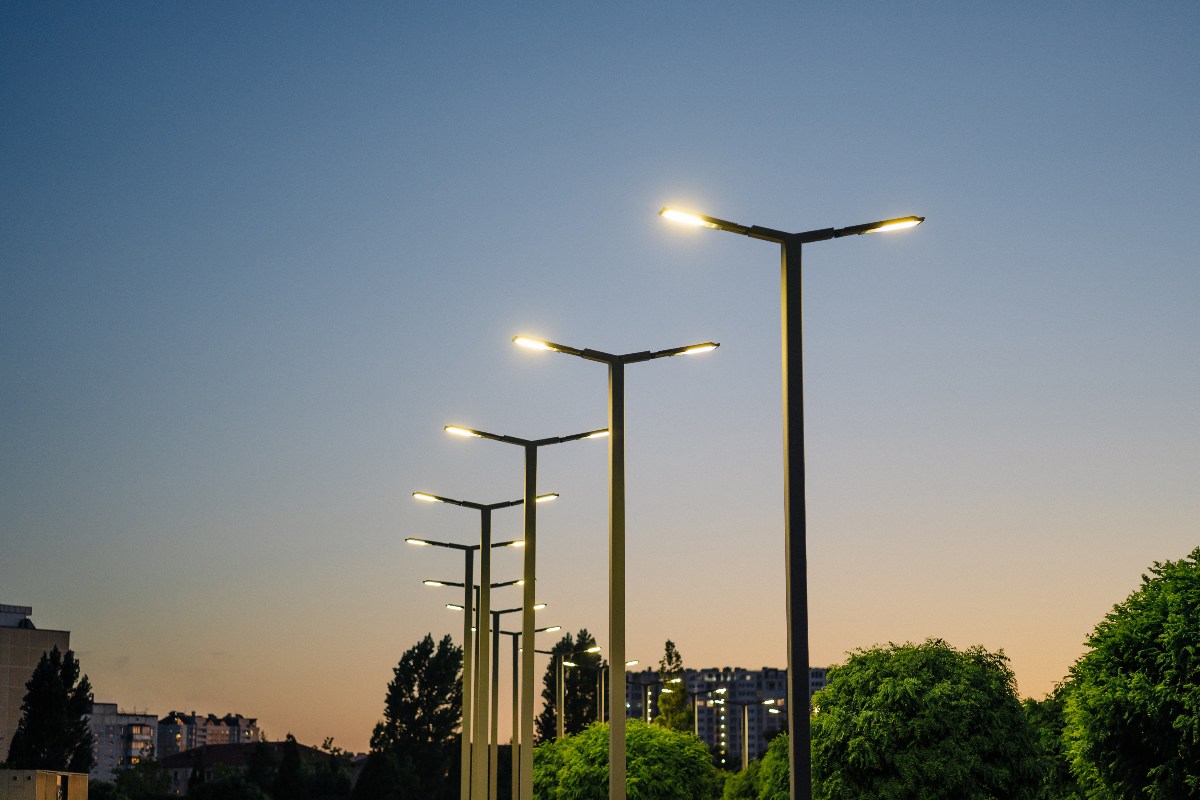
Smart lighting: enabling smart cities beyond illuminationSponsored by Paradox Engineering

How AI and biometrics are shaping next-generation mobility paymentsSponsored by ST Engineering
EU takes steps to strengthen air quality standards
Provisional political agreement aims to achieve a zero-pollution objective and seeks to bring EU air quality standards in line with WHO recommendations.


The European Council presidency and European Parliament’s representatives have reached a provisional political agreement on a proposal to strengthen EU air quality standards.
The objective is to realise a zero-pollution ambition, contributing to a toxic-free environment in the EU by 2050. It also seeks to bring EU air quality standards in line with the World Health Organisation (WHO) recommendations.
Enhanced EU air quality standards
The agreement still needs to be confirmed by both institutions before going through the formal adoption procedure. With the new rules, the co-legislators agreed to set out enhanced EU air quality standards for 2030 in the form of limit and target values that are closer to the WHO guidelines and that will be regularly reviewed.
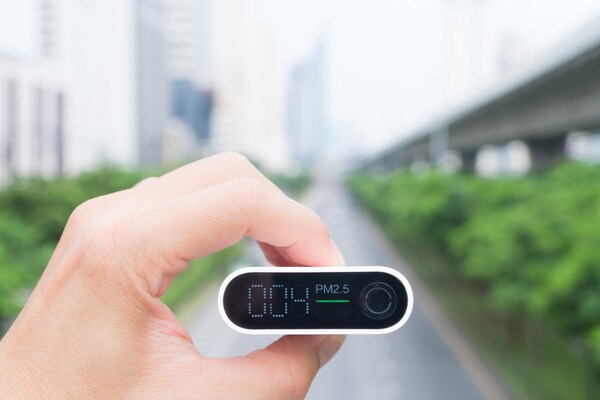
The revised directive covers a host of air-polluting substances, including fine particles and particulate matter (PM2.5 and PM10), nitrogen dioxide (NO2), sulphur dioxide (SO2), benzo(a)pyrene, arsenic, lead and nickel, among others, and establishes specific standards for each one of them. For instance, the annual limit values for the pollutants with the highest documented impact on human health, PM2.5 and NO2, would be reduced from 25 µg/m³ to 10 µg/m³ and from 40 µg/m³ to 20 µg/m³ respectively.
In cases where there is no significant potential to reduce ozone concentrations at local or regional level, the co-legislators agreed to exempt member states from establishing air quality plans
The provisional agreement provides member states with the possibility to request, by 31 January 2029 and for specific reasons and under strict conditions, a postponement of the deadline for attaining the air quality limit values:
- until no later than 1 January 2040 for areas where compliance with the directive by the deadline would prove unachievable due to specific climatic and orographic conditions or where the necessary reductions can only be achieved with significant impact on existing domestic heating systems
- until no later than 1 January 2035 (with possibility to extend it by two more years) if projections show that the limit values cannot be achieved by the attainment deadline.
Read More
To request these postponements, member states will have to include air quality projections in their air quality roadmaps (to be established by 2028) demonstrating that the exceedance will be kept as short as possible and that the limit value will be met by the end of the postponement period at the latest. During the period of postponement, member states will also have to regularly update their roadmaps and report on their implementation.
The co-legislators agreed to include softer requirements for establishing air quality and short-term action plans in cases where the potential to reduce certain pollutant concentrations is severely limited due to local geographical and meteorological conditions.
Member states will have to include air quality projections in their air quality roadmaps demonstrating that the exceedance will be kept as short as possible
When it comes to ozone, in cases where there is no significant potential to reduce ozone concentrations at local or regional level, the co-legislators agreed to exempt member states from establishing air quality plans, on the condition that they provide the commission and the public with a detailed justification for such exemption.
The provisional agreement will now be submitted to the member states’ representatives within the council (Coreper) and to the parliament’s environment committee for endorsement. If approved, the text will then need to be formally adopted by both institutions, following revision by lawyer-linguists, before it can be published in the EU’s Official Journal and enter into force. Member states will have two years after the entry into force to transpose the directive into national law.
Why not try these links to see what our SmartCitiesWorld AI can tell you.
(Please note this is an experimental service)
How will the new EU air quality standards align with WHO guidelines?What mechanisms allow member states to postpone air quality deadlines?How are air quality roadmaps used to monitor pollutant reductions?Which pollutants have stricter limit values under the revised directive?What conditions exempt member states from establishing ozone air plans?
Latest City Profile
Latest Special Report
SmartCitiesWorld Newsletters (Daily/Weekly)
You may also like these related articles...
BECOME A MEMBER
© 2025 SmartCitiesWorld
Smart Cities World Ltd, 27 Clements Lane, London, EC4N 7AE