











 22 - 26 June 2026: Find out more





BUILD YOUR OWN
RESOURCE LIBRARY



Podcasts

Cities Thriving on Lighting, Episode 2 – Simplicity by design in smart lightingSponsored by Paradox Engineering
Cities Thriving on Lighting, Episode 1 – Lighting as the backbone of the smart citySponsored by Paradox Engineering
UAE maps advanced air mobility corridor
The move demonstrates the UAE’s commitment to deploy advanced transportation solutions and its aim to set a global benchmark for future urban mobility.


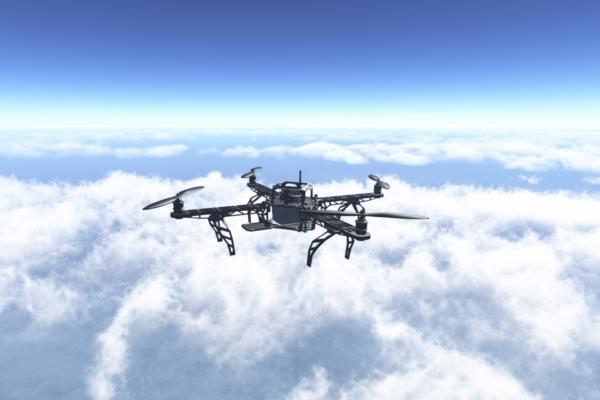
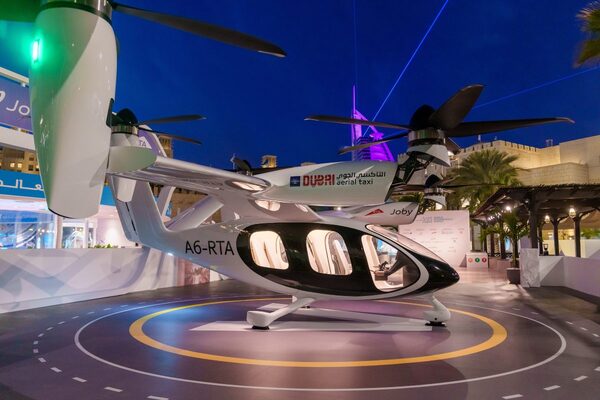
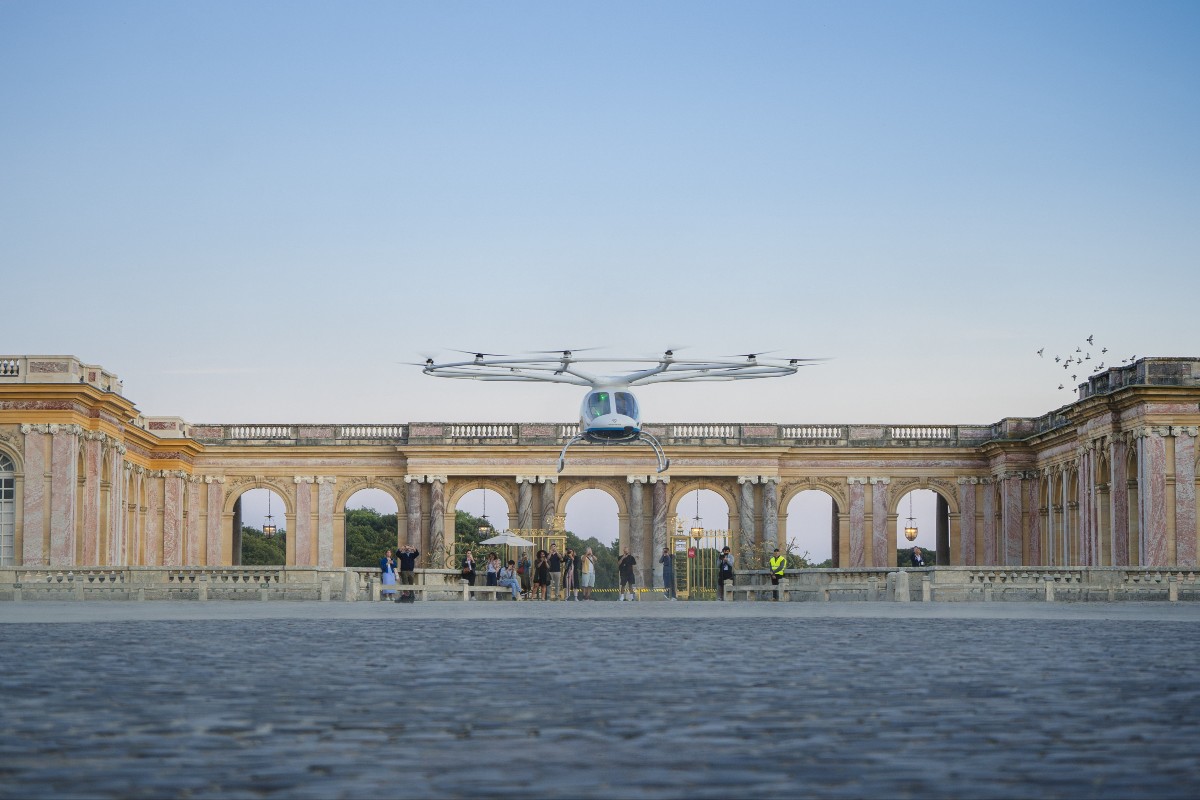
UAE has begun mapping an air corridor for piloted and autonomous air taxis and cargo drones. It is also developing an advanced air mobility (AAM) regulatory framework.
Through a strategic partnership between the General Civil Aviation Authority (GCAA) and the Advanced Technology Research Council (ATRC) entities – Technology Innovation Institute (TII) and Aspire – the UAE is progressing its plans to reshape the way people and goods move through urban spaces.
Sustainable transportation
With aerial corridors and regulations set to be defined within the next 20 months, the move demonstrates the UAE’s commitment to deploying advanced, sustainable transportation solutions that will ease congestion but also set a global benchmark for future urban mobility systems.
The routes will connect key international airports and iconic places in the UAE, extending further to ensure seamless integration of piloted and autonomous air taxis and cargo drones across the nation’s urban landscapes.
“By advancing airspace management and integrating piloted and autonomous air taxis and cargo drones, we are not only enhancing urban connectivity but also driving sustainable and accessible mobility solutions”
“Air corridor mapping for piloted and autonomous air taxis and drones is a crucial milestone that will enable the seamless implementation of advanced air mobility into the UAE’s infrastructure,” said Saif Mohammed Al Suwaidi, director general of the GCAA.
“This initiative ensures the safe and efficient adoption of air mobility, delivering transformative solutions to urban transport and paving the way for a smarter, more connected future.”
The UAE’s approach to urban transportation will be supported by TII’s expertise in airspace management, ensuring the safe integration of piloted and autonomous air taxis and cargo drones into urban environments. These new air corridors will offer solutions for passenger and cargo transport, relieving pressure on traditional road networks and improving connectivity.
Read More
“This transformative collaboration with GCAA is reshaping the future of urban transportation,” said Dr Najwa Aaraj, CEO of TII. “By advancing airspace management and integrating piloted and autonomous air taxis and cargo drones, we are not only enhancing urban connectivity but also driving sustainable and accessible mobility solutions that will benefit future generations.”
Stephane Timpano from Aspire added: “Addressing real-time urban mobility challenges through innovative solutions like air taxis and drones is a major step forward. This initiative directly supports sustainable economic growth by creating a flexible and diverse transport system that eases pressure on urban infrastructure and fosters smarter, more resilient cities.”
The agreement was announced during World Governments Summit 2025.
TII and Aspire aim to create a network of stakeholders, including regulators, industry leaders, and researchers to establish a comprehensive regulatory framework that ensures safety and operational efficiency.
“At TII, we’re developing advanced AI-powered control, vision and communication algorithms for autonomous systems that enable real-time decision-making for air taxis and drones,” said Professor Enrico Natalizio, chief researcher of the Autonomous Robotics Research Centre at TII.
“Having mastered this technology, we are able to propose methodologies for AAM corridors design to optimise routes, ensure collision avoidance, and integrate seamlessly with urban airspace, marking a key step toward efficient and safe autonomous air mobility in complex urban environments.”
Why not try these links to see what our SmartCitiesWorld AI can tell you.
(Please note this is an experimental service)
How will the UAE's air corridor improve urban mobility and connectivity?What technologies enable safe integration of autonomous air taxis and drones?How does the AAM regulatory framework ensure safety and operational efficiency?In what ways will air corridors reduce congestion on traditional road networks?How will AI-powered algorithms optimize route planning and collision avoidance?
Latest City Profile
Latest Urban Exchange Podcast
SmartCitiesWorld Newsletters (Daily/Weekly)
You may also like these related articles...
BECOME A MEMBER
© 2026 SmartCitiesWorld
Smart Cities World Ltd, 37 Lombard Street, London, EC3V 9BQ