









 22 - 26 June 2026: Find out more






BUILD YOUR OWN
RESOURCE LIBRARY



Four cities to receive funding boost for new climate projects
Projects will provide green transport, cut greenhouse gas emissions and introduce nature-based solutions to strengthen climate resilience in four major cities.


Four new cities have been chosen to receive funding support from the C40 Cities Finance Facility (CFF) to turn their climate plans into tangible, finance-ready infrastructure projects.
Projects will provide green transport, cut greenhouse gas emissions and introduce nature-based solutions to strengthen climate resilience in the four major cities.
Inclusive urban infrastructure
Implemented jointly by Deutsche Gesellschaft für Internationale Zusammenarbeit (Giz) and C40 since 2015, the CFF is a project preparation facility helping cities develop inclusive urban infrastructure projects and link them to climate finance.
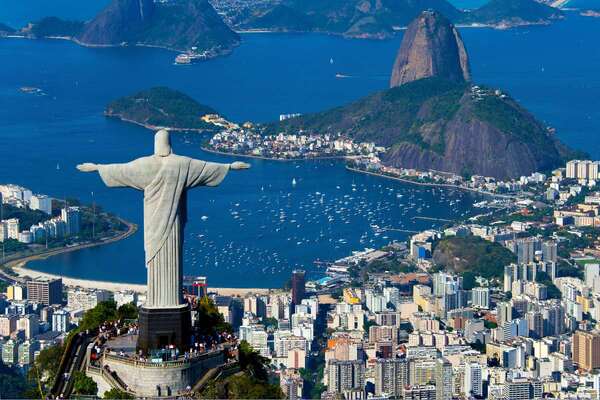
The first group of new partner cities for CFF’s fourth phase was announced at the 2025 C40 World Mayors Summit in Rio de Janeiro as:
Resilient urban watersheds in Belo Horizonte, Brazil
- Belo Horizonte is launching a major watershed climate adaptation project in one of its most vulnerable areas, the Capão and Piratininga basins, to build resilience against extreme weather. The initiative will strategically implement nature-based solutions such as green corridors, rain gardens and water harvesting systems in public buildings to manage stormwater and heat naturally throughout the neighbourhoods. These measures aim to cut flooding impacts by 40 per cent, mitigate urban heat risks, significantly improve water quality and deliver improvements to biodiversity, public health and social cohesion.
Nature-based urban regeneration in São Paulo, Brazil
- São Paulo will launch the Jardim Orion II urban regeneration project along the banks of the strategically vital Billings reservoir. This initiative directly tackles severe social challenges and water insecurity within a high-risk flood zone. For the first time, the project will incorporate nature-based solutions, using green spaces and natural water systems, into São Paulo’s long-standing Watershed Protection programme. This significant shift away from traditional concrete infrastructure will strengthen the city’s climate resilience, boost public health and create new green jobs.
Read More
Solar-powered e-buses in Rabat, Morocco
- Rabat will roll out 30 new e-buses along a new north-south express line connecting Salé, Rabat, and Témara, and install rooftop solar photovoltaic (PV) at up to three bus depots. This transformative project will combine electric mobility and renewable energy within a single framework, setting a precedent for integrated infrastructure delivery across Morocco. It also offers the chance to test innovative governance and contractual models for transit operators, providing valuable lessons for other urban contexts in Morocco and the wider Mena region.
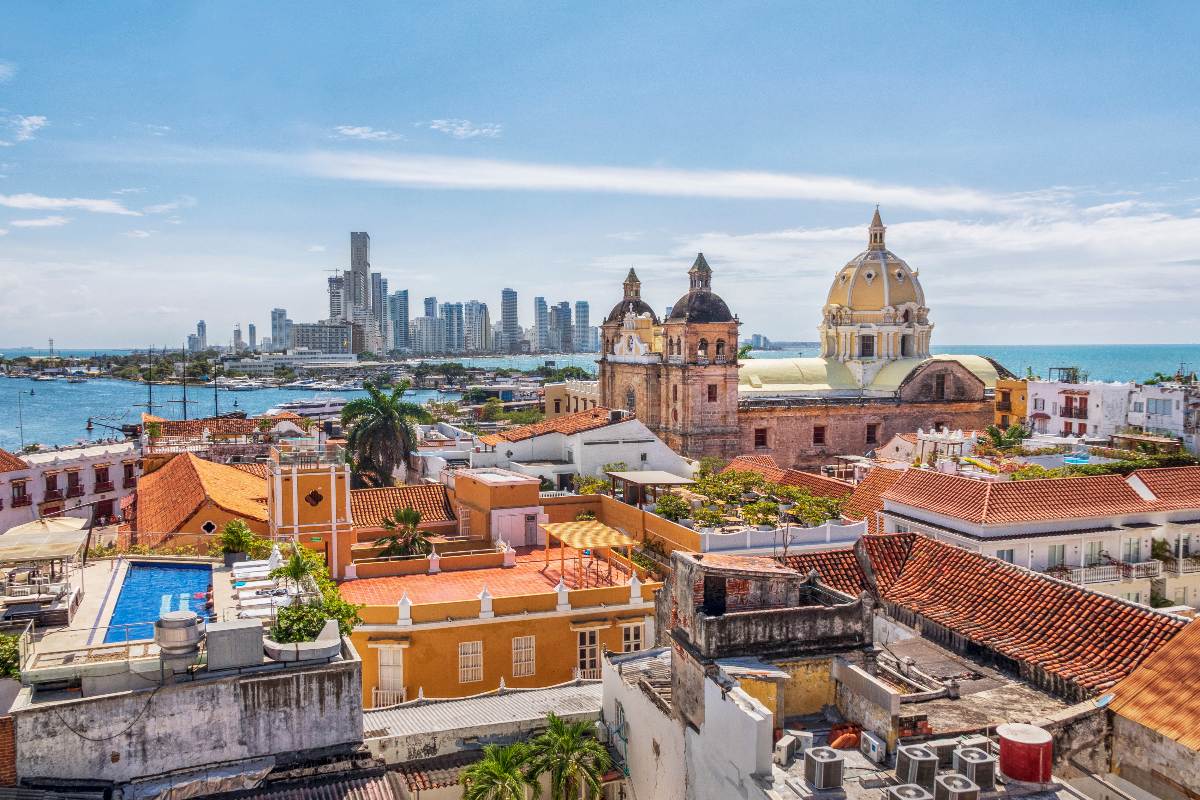
Clean ferries in Cartagena, Colombia
- Cartagena is creating a reliable, low-emission passenger ferry network to connect its industrial, residential, commercial, and tourism centres with communities, including the island of Tierra Bomba. This project replaces old diesel-powered boats with 10 new, clean ferries and 10 new or improved docks, complete with charging stations. Fully integrated with the existing Transcaribe bus system, this network will dramatically cut commute times, improve travel safety, and significantly expand fair access to jobs, healthcare and education for underserved island and coastal residents. As the first project of its kind in Colombia, it offers a replicable model for other cities located on coasts and rivers.
With the support of Germany’s Federal Ministry for Economic Cooperation and Development (BMZ) and the UK’s Foreign, Commonwealth and Development Office (FCDO), CFF will collaborate with these cities to prepare and implement these projects to improve the lives of residents with large-scale, measurable impact.
“It is not merely about renewing our bus fleet, but rather a foundational investment designed to enhance the quality of life for all citizens across Greater Rabat”
Launched in 2015 at Cop21 in Paris by Rio mayor Eduardo Paes, CFF has become a leading project preparation facility partnering with cities in the Global South to enable transformative climate action. By putting cities’ best interests first, CFF is helping cities prepare and implement urban infrastructure projects that address the impacts and injustices of climate breakdown and that make a real difference to people’s lives.
“For the first time in Colombia, our residents will have an aquatic service designed for them – one that will make it easier to reach jobs, healthcare, and education,” said Dumek Turbay, mayor of Cartagena.
"We dreamed it together, we heard it from our communities, and today we make it a reality: a sustainable transport system that unites, connects, and improves the lives of all Cartageneros.”
“For the first time in Colombia, our residents will have an aquatic service designed for them – one that will make it easier to reach jobs, healthcare, and education”
Fatiha el Moudni, mayor of Rabat, said: “This pivotal project is a key step in implementing our strategic vision for sustainable urban mobility. It is not merely about renewing our bus fleet, but rather a foundational investment designed to enhance the quality of life for all citizens across Greater Rabat.”
Co-director of the C40 Cities Finance Facility, Ingrid Simon, said: “The C40 Cities Finance Facility is delighted to announce its four new partner cities – Belo Horizonte, Cartagena, São Paulo and Rabat – whose fantastic projects will build communities’ resilience to extreme heat and flooding, connect people to employment and services, and create cleaner, healthier environments.
“Thanks to the support of the German and British governments, we’re proud to continue to assist cities in developing real projects that make a real difference to people’s lives.”
Why not try these links to see what our SmartCitiesWorld AI can tell you.
(Please note this is an experimental service)
How will nature-based solutions reduce flooding and heat in Belo Horizonte?What governance models support integrated solar-powered e-bus systems in Rabat?How can clean ferry networks improve access to jobs and healthcare in Cartagena?What economic benefits arise from São Paulo’s nature-based urban regeneration?How does C40 Cities Finance Facility enable climate-resilient urban infrastructure?Belo HorizonteCartagenaclimate actionClimate change/ResilienceCOP30economic developmentelectric vehiclesEnergy & EnvironmentGovernance and CitizeninclusivitymobilityPeople and SkillsRabatRoadSão Paulourban space
Latest City Profile
Latest Summit Speakers
(22-26 June)
Latest Urban Exchange Podcast
Latest Special Report
SmartCitiesWorld Newsletters (Daily/Weekly)
You may also like these related articles...
BECOME A MEMBER
© 2026 SmartCitiesWorld
Smart Cities World Ltd, 37 Lombard Street, London, EC3V 9BQ