
























BUILD YOUR OWN
RESOURCE LIBRARY



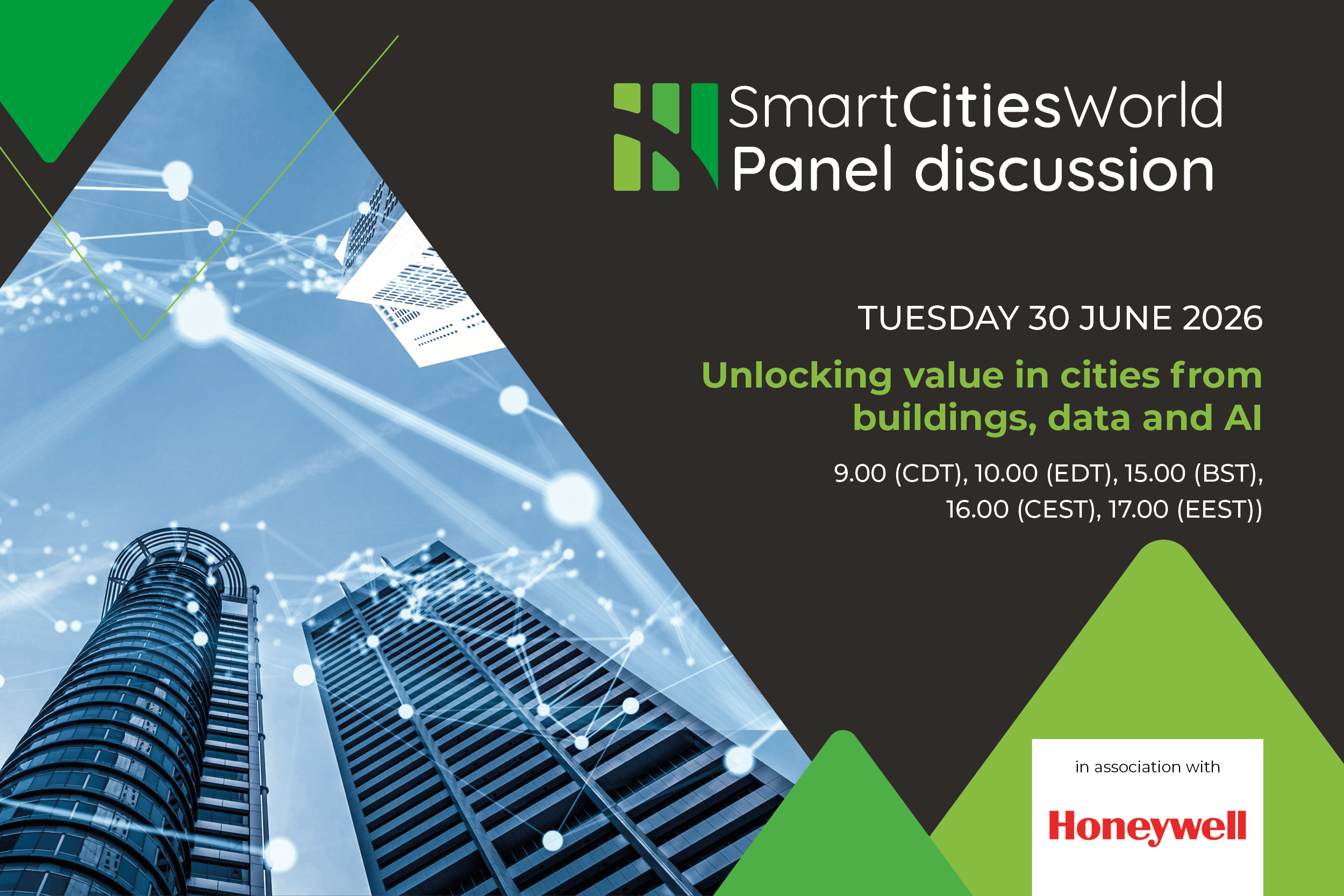
Panel Discussion (30 Jun): Unlocking value in cities from buildings, data and AI


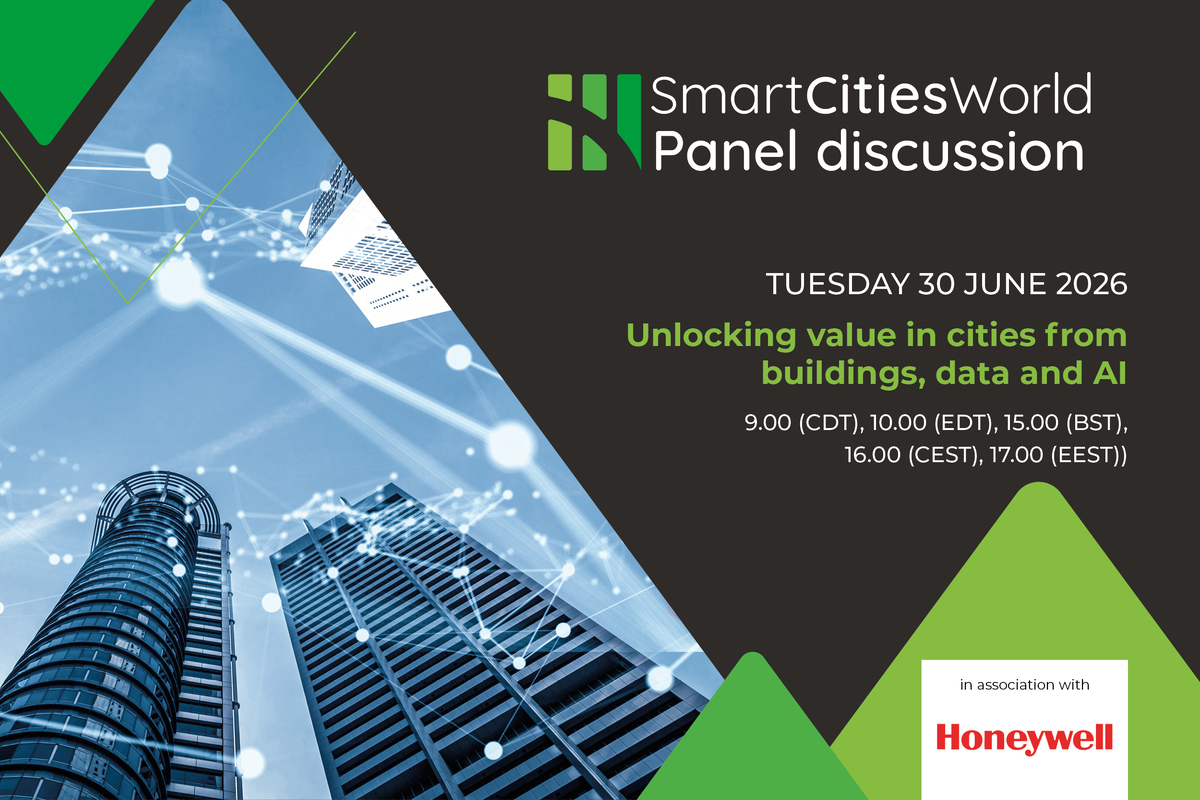
Date: Tuesday 30 June 2026
Time: 9.00 (CDT), 10.00 (EDT), 15.00 (BST), 16.00 (CEST), 17.00 (EEST)
Length: 60 minutes + Q&A
Cities worldwide are under increasing pressure to decarbonise, strengthen resilience and improve urban services while managing ageing infrastructure, rising energy demand and constrained budgets. As a result, city leaders are looking beyond standalone smart technologies and toward integrated solutions that can deliver measurable operational and societal value at scale.
Against this backdrop, buildings are emerging as one of the most valuable and underutilised sources of urban intelligence, able to continuously generate operational data on energy use, occupancy, air quality, safety and movement patterns. Combined with AI and advanced analytics, this data has the potential to support not only building performance, but wider city objectives around sustainability, resilience, mobility and resident satisfaction.
This panel discussion, supported by Honeywell, will explore how AI-enabled building systems are evolving from isolated asset management tools into a critical layer of connected urban infrastructure. Increasingly, the challenge for cities is not deploying more individual technologies, but integrating existing systems so that data can flow across buildings, districts and city platforms in a meaningful and actionable way. Greater interoperability between building management, energy, safety and analytics systems can help cities make faster, more informed decisions while maximising the value of infrastructure already in place.
For smart city leaders seeking practical pathways to integration, this discussion will highlight how existing investments in buildings and digital infrastructure can become strategic assets within broader city transformation programmes.
Key talking points:
- Buildings as a source of city-wide intelligence: how building data can support wider urban planning, sustainability and resilience goals
- The growing role of AI in connected infrastructure: using AI-enabled systems to improve operational efficiency and responsiveness
- Integrating building systems with city platforms: why interoperability between systems is critical for smarter city operations
- Unlocking more value from existing infrastructure: making better use of the data and technology cities already have in place
- Moving beyond siloed smart city solutions: the shift from standalone technologies to integrated urban ecosystems.
Speakers
|
|
Vaibhav Agarwal Senior Director of Portfolio Management Honeywell Forge for Buildings
Vaibhav Agarwal is Senior Director of Portfolio Management for Honeywell Forge for Buildings, leading cloud-based solutions that drive digital transformation, energy and sustainability in smart buildings. With 19+ years of experience, he specializes in product strategy, SaaS offerings, and scaling global technology portfolios. |
|
|
|
Mohamed Moselhy Global Smart Cities Director Honeywell
Mohamed Moselhy is the Global Smart Cities Director at Honeywell, leading diverse global teams to shape the future of urban living from Dubai, UAE. He spearheads initiatives that integrate advanced technologies, including AI, data analytics and digital twin to drive sustainability, enhance urban resilience, and secure critical infrastructures. With a focus on innovation and impact, Mohamed partners with governments and communities worldwide to create smart, sustainable, and safe city environments that protect national security, enhance economic stability, and elevate the quality of life for citizens. Mohamed is part of Honeywell’s organisation for more than 18 years focused on Defense, Automation, Energy, Sustainability, Smart Cities & Communities, Security and Safety industries and has held multi-positions in his career in engineering, operations, services, solutions design, sales, business development, vertical management & business management groups on commercial, defence and government programs across different global geographies. |
|
|
|
Speaker to be announced shortly |
|
 |
Luke Antoniou SmartCitiesWorld
Luke has been reporting on the implementation of smart technologies that benefit citizens and the public sector since 2017.
He has a particularly keen interest in smart and sustainable mobility and its role in influencing the decisions of urban planners, citizens and governments alike.
As rapid urbanisation continues, he keeps his finger on the pulse of the myriad urban challenges facing local and central governments, making new connections in the public and private sectors and finding new angles from which to cover the latest smart city developments around the world. |
In association with:

Why not try these links to see what our SmartCitiesWorld AI can tell you.
(Please note this is an experimental service)
How can building sensor data improve city-wide energy management decisions?What AI models best predict building occupancy for urban mobility planning?How should cities integrate building management systems with municipal platforms securely?Which interoperability standards maximize data sharing across buildings and districts?How can existing building infrastructure be repurposed to enhance urban resilience?AI and Machine LearningAI CityXchange - FeaturedAI CityXchange - Industry InsightsCommercial buildingsConnectivity & DataEditor's pickMunicipal buildingsPlanningresilienceurban space
Latest City Profile
Latest Summit Speakers
(22-26 June)
SmartCitiesWorld Newsletters (Daily/Weekly)
You may also like these related articles...
BECOME A MEMBER
© 2026 SmartCitiesWorld
Smart Cities World Ltd, 37 Lombard Street, London, EC3V 9BQ