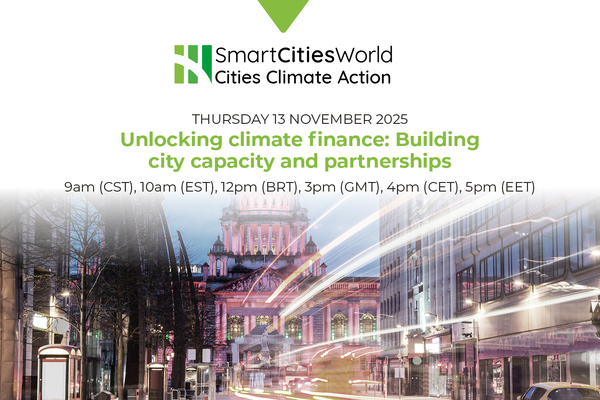


Discover how cities can expand their fiscal and institutional capacity to attract and manage climate finance. This session explores the role of digital tools for tracking and reporting, data platforms for transparency, and innovative approaches that allow cities to unlock new sources of investment.
This webinar explores Keihanna Science City - one of the most successful start-up hubs, hosting more than 150 research facilities and incubating fledging companies
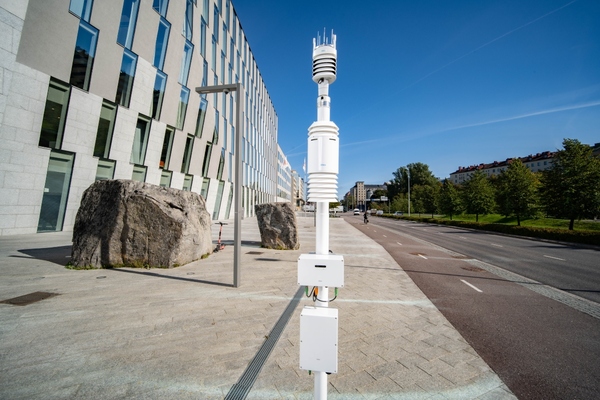
Cities around the world are trying to improve air quality, which in turn can help to mitigate the impacts of climate change. Sue Weekes explains the vital role played by compact air quality sensors and how using them in tandem with weather stations and other smart city devices can maximise their value.
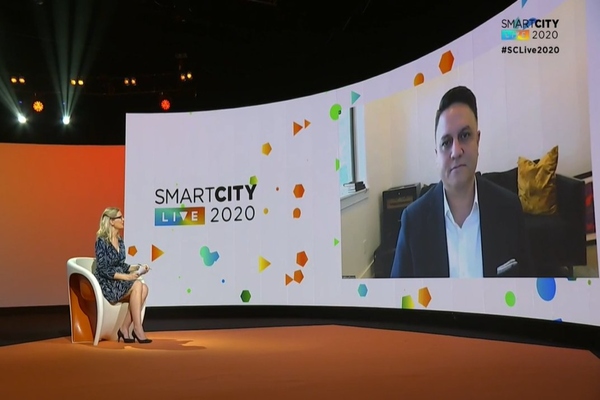
The first day of the online event confirmed that the smart cities sector is well aware of its destination but it’s how it gets there that will be the problem.
Preview: The latest episode of the Urban Exchange Podcast sees Lauren Sorkin, Resilient Cities Network, chat with Susan Aitken, Glasgow City Leader to talk COP27 and climate finance.
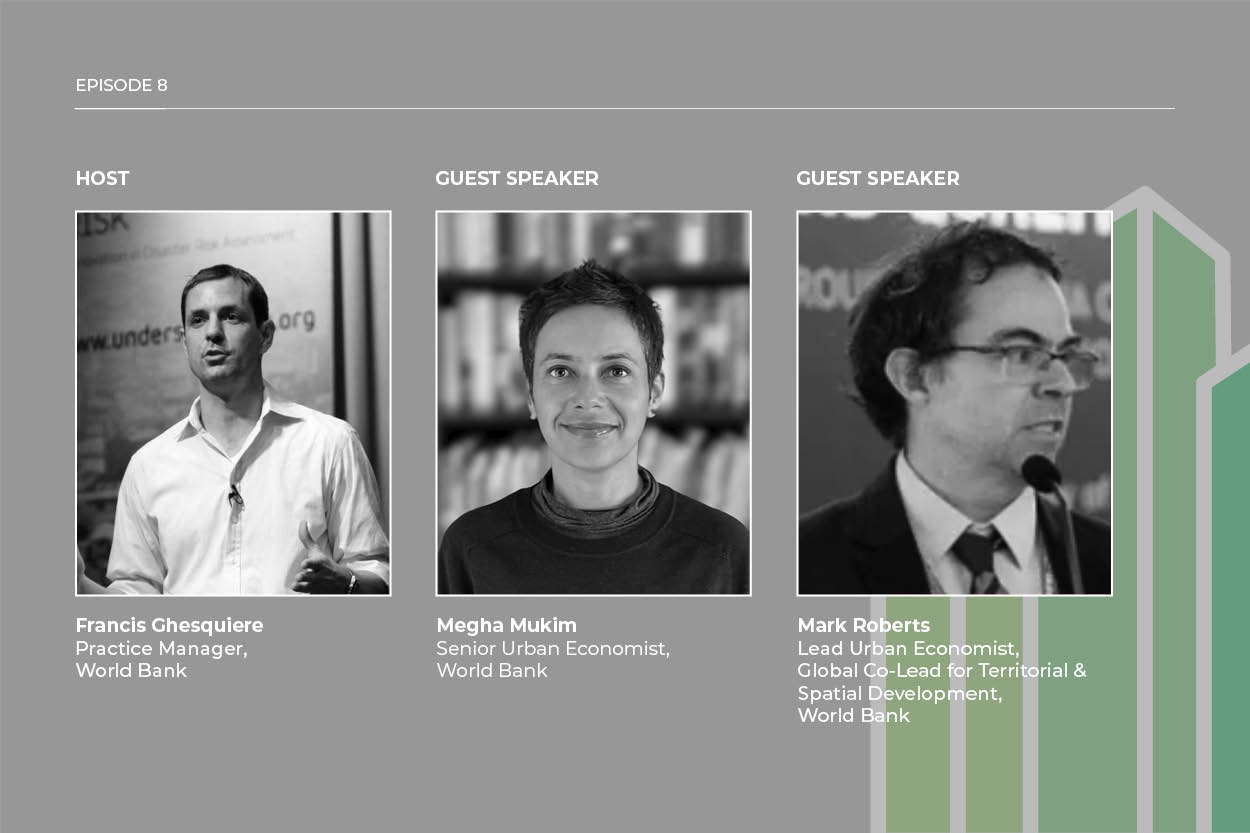
Preview: The latest episode of the Urban Exchange brings together the principal authors of the World Bank’s latest extensive report on urban climate to discuss the 10 key findings.
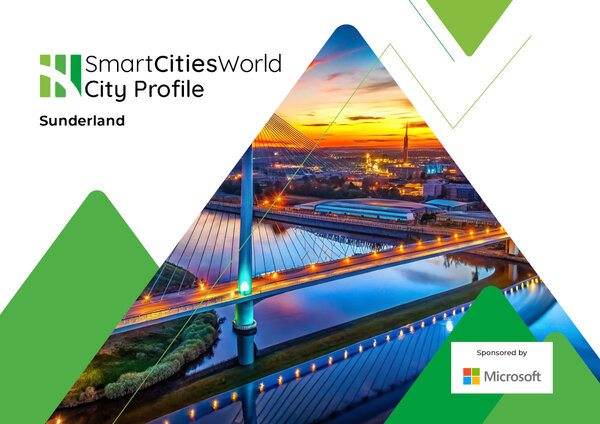
Find out how Sunderland is repositioning itself as a leading smart city – using digital infrastructure and low-carbon innovation to build a resilient, future-focused economy in the latest SmartCitiesWorld City Profile.
Delve into how cities are addressing the challenges of building intelligent transport systems and using AI and data to transform operations and user experience.
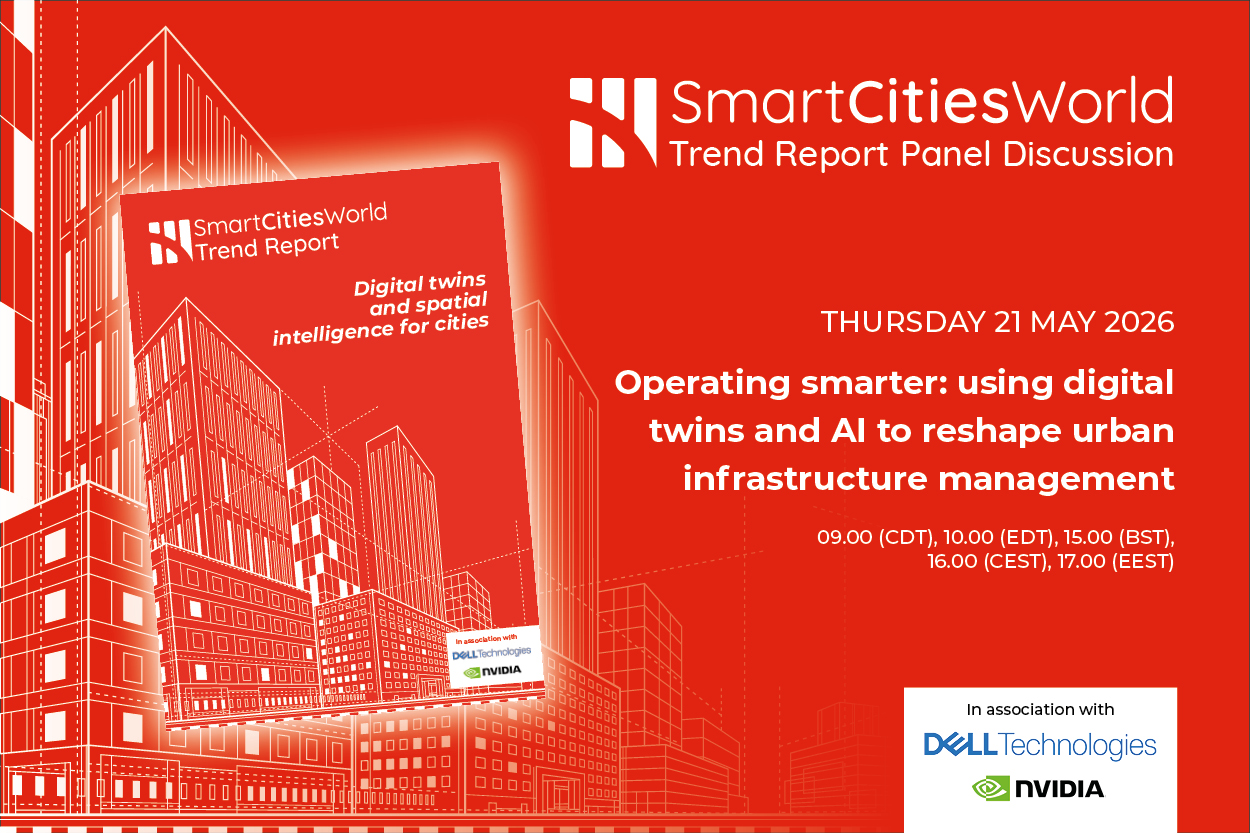
Discover how AI-powered digital twins are transforming urban infrastructure and how these innovations can improve efficiency, resilience, and sustainability.
Discover the technology and considerations behind how cities can turn existing streetlight networks into secure, interoperable, and future‑proof infrastructure in the second episode of Cities Thriving on Lighting.
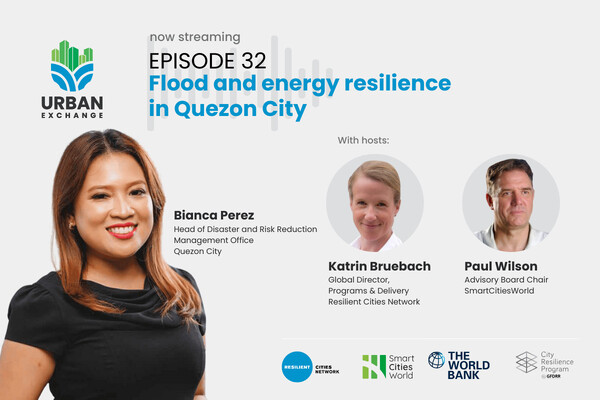
Tune in for the latest Urban Exchange where we get a first-hand account of city resilience measures from Quezon City following unexpected extreme rainfall.
Our editorial newsletter pulls together our latest news items into one email, direct to your inbox. We also feature our latest city interviews, Special Reports and Guest Opinions.
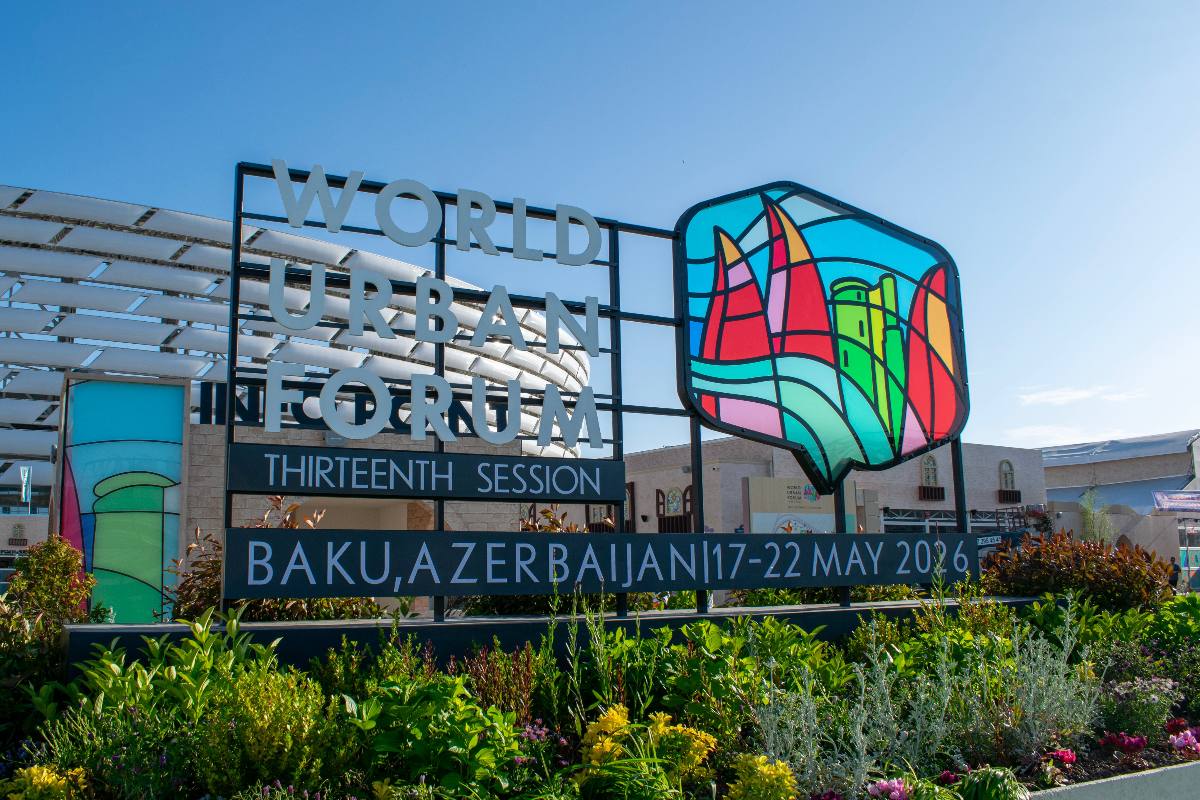
The C40 Cities and UN-Habitat Urban Planning Accelerator, endorsed by 33 cities, is recognised as a powerful climate action tool at WUF13 in Baku this week.
It aims to enhance the health sector’s resilience to climate change via surveillance systems, capacity building, innovation, and evidence-based policymaking.
The statement is the final outcome from the Local Leaders Forum in Rio and calls on national governments to strengthen partnerships with cities and regions.
It is awarded to cities demonstrating a commitment to achieving the UN SDGs through integrated policies across economic, social and environmental dimensions.
Phase one achievements of the green corridor project include expansion of shore power infrastructure to meet 100 per cent electrification serving container vessels.
A total of 20 cities from 11 European countries competed for the awards, judged by an international panel of seven independent urban sustainability experts.
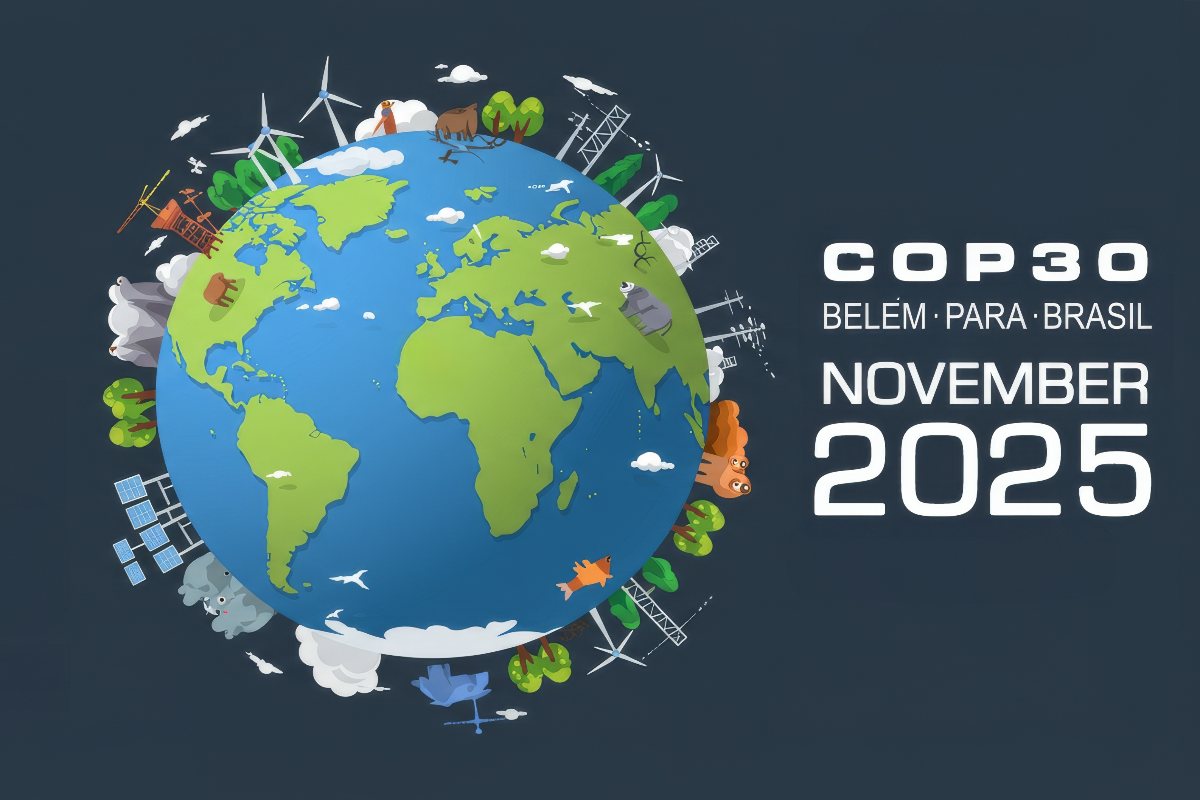
Maloca is a multiverse platform that seeks to remove barriers of geography and resources and make participation in the climate conference available to anyone.
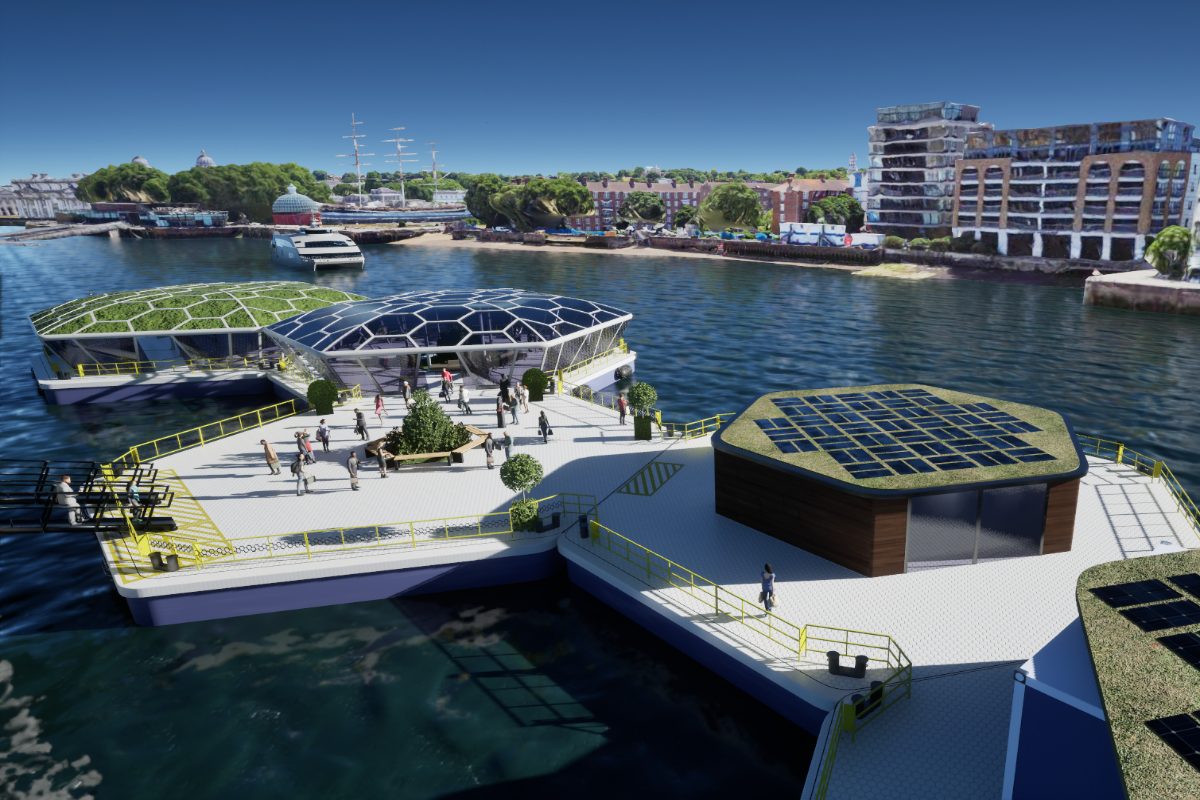
Scalable Smart Hubs infrastructure solution has been launched to accelerate decarbonisation across ports, harbours, waterways, and the industries they support.
The company will build and operate a smart city platform with citywide network connectivity for the Qatar city using advanced AI and data-driven technologies.
Smart city is the framework based on Information and Communication technologies that enable the development of sustainable practices to address the urbanisation challenges. Leveraging the technology is one of the foremost pillars of ‘smart cities’ in order to increase efficiencies and improve the quality of resident’s life and the city’s services.
The panel aims to provide residents with access to education and training on AI, enabling local communities to influence the development of AI initiatives.
Currently, the average data breach takes organisations an average of 201 days to identify and an average of 70 days to contain
SmartCitiesWorld Newsletters (Daily/Weekly)
Our editorial newsletter pulls together our latest news items into one email, direct to your inbox. We also feature our latest city interviews, Special Reports and Guest Opinions.
Find out how Sunderland is repositioning itself as a leading smart city – using digital infrastructure and low-carbon innovation to build a resilient, future-focused economy in the latest SmartCitiesWorld City Profile.
Delve into how cities are addressing the challenges of building intelligent transport systems and using AI and data to transform operations and user experience.
Discover how AI-powered digital twins are transforming urban infrastructure and how these innovations can improve efficiency, resilience, and sustainability.
Discover the technology and considerations behind how cities can turn existing streetlight networks into secure, interoperable, and future‑proof infrastructure in the second episode of Cities Thriving on Lighting.
Tune in for the latest Urban Exchange where we get a first-hand account of city resilience measures from Quezon City following unexpected extreme rainfall.
Our editorial newsletter pulls together our latest news items into one email, direct to your inbox. We also feature our latest city interviews, Special Reports and Guest Opinions.