














 22 - 26 June 2026: Find out more
















BUILD YOUR OWN
RESOURCE LIBRARY



Bristol approves EV charging infrastructure strategy
The aim is to make switching to cleaner vehicles easier and more accessible, supporting Bristol’s wider goals to reduce pollution and cut carbon emissions.


 At a glance
Who: Bristol City Council.
What: The council has approved a strategy to significantly expand the network of electric vehicle (EV) charge points over the coming years in the UK city.
Why: To make it easier for people to switch to electric, reducing pollution, cutting carbon emissions and improving public health as well as supporting the city’s ambition to become a carbon‑neutral city by 2030.
Where: Charge points will be placed at key destinations across the city, including supermarkets, leisure centres and popular visitor locations; the strategy also prioritises disadvantaged communities to ensure access is fair across the city.
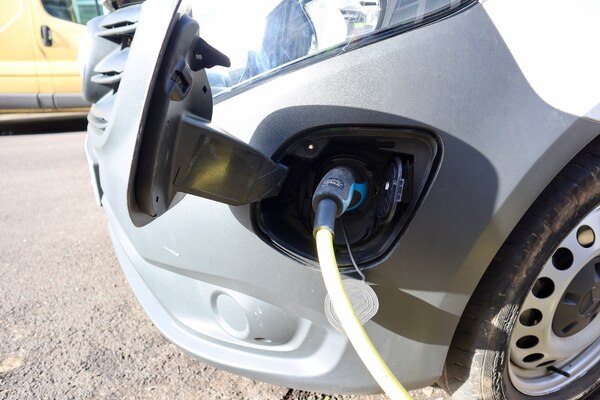
Bristol City Council has approved a strategy to significantly expand its network of electric vehicle (EV) charge points over the coming years.
The Electric Vehicle Charging Infrastructure Strategy aims to make switching to cleaner vehicles easier and more accessible for residents, businesses and visitors, supporting Bristol’s wider goals to reduce pollution, cut carbon emissions and improve public health.
Rise in registered electric vehicles
The number of EVs registered in Bristol has been growing steadily since 2020. It is estimated that there will be around 15,000 EVs in Bristol in 2027, increasing to 40,000 in 2030 and reaching 120,000 in 2036, accounting for over 50 per cent of total registered vehicles in the city.
The council said research suggests that the future EV charging demand in Bristol will require 800 charge points by 2027. This represents an additional 600 charge points to the existing 200 charge points in the city.
“Expanding our charging facilities also supports our ambition to become a carbon‑neutral city by 2030, building on the progress already made through the Clean Air Zone and our wider clean transport plans”
Analysis also indicates that 37 per cent of greenhouse gas emissions in Bristol arise from transport with Martin Fodor, chair of the Environment and Sustainability policy committee, saying improving Bristol’s electric vehicle charging network is just one of the measures in its wider work to support cleaner air and reduce air pollution.
“Electric vehicles produce no exhaust emissions, so giving people the confidence that they can charge easily and reliably will help us cut the pollution that harms our health.
“Expanding our charging facilities also supports our ambition to become a carbon‑neutral city by 2030, building on the progress already made through the Clean Air Zone and our wider clean transport plans. This strategy is about creating a strong, accessible and future‑proof network that enables more people to make the switch and contribute to a cleaner, healthier Bristol for everyone.”
The strategy also focuses on increasing the number of charge points at key destinations across the city, including supermarkets, leisure centres and popular visitor locations. This will allow drivers to top up their vehicles while shopping, exercising or enjoying local attractions, helping to integrate charging into everyday life.
Delivering this programme will involve close collaboration with partners including Bristol City Leap, the West of England Mayoral Combined Authority and private charge point operators. By working together, the council aims to secure new investment, bring in technical expertise and ensure a reliable, growing network that meets the needs of a modern city.
Focus on accessibility
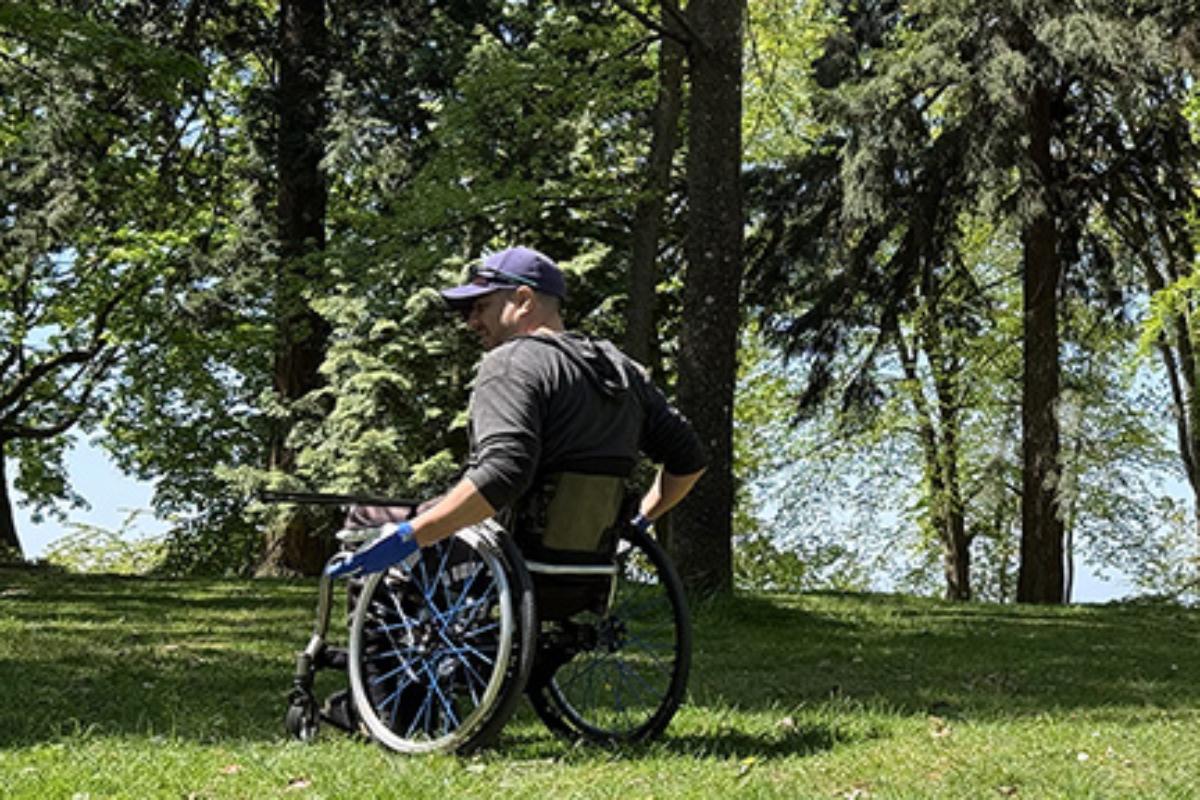
A strong focus on accessibility runs throughout the strategy. Charge points will be carefully placed to keep pavements clear and safe for disabled people, wheelchair users and those with limited mobility, ensuring that the shift to electric transport benefits everyone.
Placement of charge points will also prioritise disadvantaged communities to ensure access is fair across the city. The strategy commits to increasing the availability of faster charging options, giving drivers more choice between slower overnight charging and quicker top‑up facilities depending on their needs.
“We know that not everyone in Bristol has access to a driveway or private parking, especially in older terraced streets and denser neighbourhoods, so it’s essential that public charging becomes much easier and more convenient,” said councillor Ed Plowden, chair of the Transport and Connectivity policy committee.
“Our goal is simple: to make switching to an electric vehicle a realistic, practical option for many more residents”
“This strategy sets out how we will expand on‑street residential charging and introduce new community charging hubs in places people use every day – like neighbourhood centres, council car parks and local amenities. Some of this work has begun with the introduction of lamppost charging points and recent approval of a cross-pavement approach to charging vehicles for people without driveways.
“With electric vehicles becoming more affordable and more popular, we need to plan ahead so that our infrastructure keeps up with demand. Our goal is simple: to make switching to an electric vehicle a realistic, practical option for many more residents.”
In addition to supporting the city to improve air quality and cut emissions, the strategy also aims to prepare Bristol for impending national targets on the production of vehicles.
The Department for Transport (DfT) has introduced a Zero Emission Vehicles Mandate, which sets annual targets for vehicle manufacturers on the proportion of vehicles they sell that must be zero emission. The mandate states that 38 per cent of cars sold in the UK in 2027 must be ZEVs, which rises sharply to 80 per cent in 2030 in order to reach 100 per cent by 2035.
Why not try these links to see what our SmartCitiesWorld AI can tell you.
(Please note this is an experimental service)
How will on-street charging prioritise disabled access and pavement safety?How can charging hubs integrate with supermarkets and leisure centres efficiently?What metrics will measure charging rollout equity in disadvantaged neighbourhoods?How will predicted EV growth dictate number and type of chargers?How will collaboration with private operators secure reliable funding and technical expertise?air qualityclimate actionClimate change/Resilienceelectric vehiclesEnergy & Environmentinclusivitymobilitynet zero

Latest City Profile
Latest Summit Speakers
(22-26 June)
Latest Urban Exchange Podcast
Latest Special Report
SmartCitiesWorld Newsletters (Daily/Weekly)
You may also like these related articles...
BECOME A MEMBER
© 2026 SmartCitiesWorld
Smart Cities World Ltd, 37 Lombard Street, London, EC3V 9BQ