










BUILD YOUR OWN
RESOURCE LIBRARY



Podcasts

Cities Thriving on Lighting, Episode 2 – Simplicity by design in smart lightingSponsored by Paradox Engineering
Cities Thriving on Lighting, Episode 1 – Lighting as the backbone of the smart citySponsored by Paradox Engineering
Opinions

Transforming indoor public safety with smart sensor networksSponsored by Motorola Solutions
North Carolina town deploys smart city technology to improve safety
The $2m project is the result of a matched federal grant between the US Department of Transportation and Cary, and is the first of its kind in the US state.


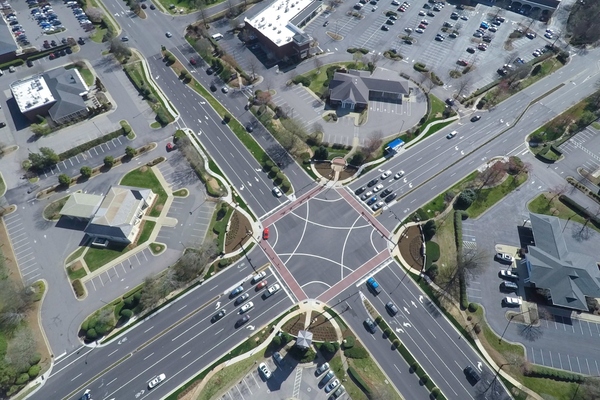
The town of Cary has embarked on a £2m project to upgrade its traffic control system with the latest IoT, smart cities technology to improve safety, maximise responsiveness and efficiency of traffic for all users.
Funding for the project is the result of a matched federal grant between the US Department of Transportation and Cary, and is said to be the first of its kind in North Carolina.
Connected vehicle applications
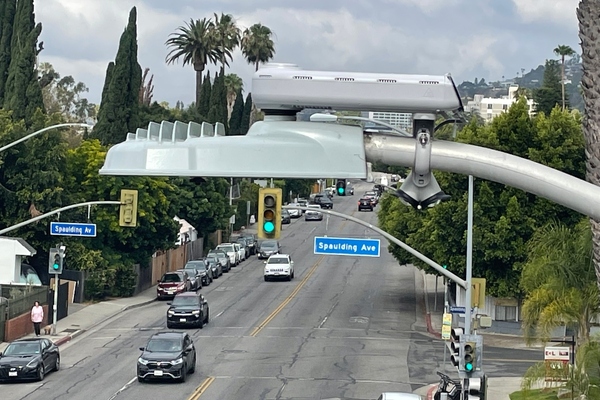
It will provide IoT connectivity and connected vehicle applications to traffic signals, school zone safety beacons, pedestrian crossings and railroad crossings. Opportunities will be available to improve upon existing emergency and public transportation vehicle preemption at signals with a GPS-based system, offering greater distance and dynamic reactivity.
Cary’s traffic engineers will also be able to monitor and control the technology from their connected devices which will provide valuable data for future applications and transportation projects.
ALS (American Lighting and Signalisation) of North Carolina is the prime contractor for the project while Applied Information is the technology provider along with Temple.
“Cary is a community that understands and appreciates how the use of technology can solve problems and improve the quality of life,” said Jerry Jensen, director of transportation, Cary.
“We’re excited to continue our reputation as early adopters of technology, while building off our existing infrastructure to further improve citizen safety and our transportation system efficiency.”
Connectivity for the project is LTE cellular vehicle-to-everything (C-V2X network). This enables vulnerable road users such as pedestrians and cyclists to use their smart phones to take advantage of its safety applications while on the streets.
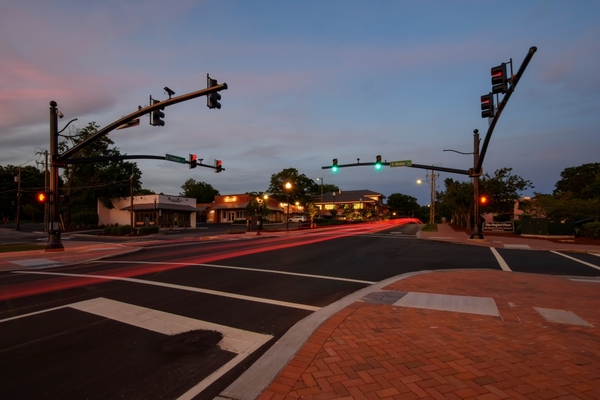
Technology enables emergency vehicles to communicate with multiple traffic signals. Image: Richard Carter
The C-V2X network technology enables emergency vehicles to communicate with multiple traffic signals in the direction of travel and change the light to green or hold the light green. Traffic in front of the emergency vehicle is kept moving while oncoming and cross-traffic is brought safely to a halt. Deployments in other municipalities indicate a time savings of about 10 seconds or more per light using the technology, the companies report.
“We’re excited to continue our reputation as early adopters of technology, while building off our existing infrastructure to further improve citizen safety and our transportation system efficiency”
In addition to the safety and planning benefits associated with the new technology, citizens have the option to use the TravelSafely smartphone app to be automatically connected with the infrastructure and other users.
This connectivity provides for interaction between drivers and traffic control devices delivering an extra layer of awareness and improved safety at intersections, in school zones and areas where vulnerable road users are present.
Applied Information claims TravelSafely will alert drivers if they are about to run a red light or are in potential conflict with a pedestrian or cyclist to inform them about where they are and to adjust their actions to be safer.
The town will upgrade a total of 205 traffic signals, 100 school safety zone beacons, 15 crosswalks, its fire apparatus, transit buses and at-grade rail crossings.
Applied Information is a developer of smart cities, connected vehicle, and intelligent transportation system (ITS) solutions designed to save lives, improve traffic, drive commerce, and help the environment.
Why not try these links to see what our SmartCitiesWorld AI can tell you.
(Please note this is an experimental service)
How does C-V2X technology improve emergency vehicle traffic signal preemption?What safety benefits does the TravelSafely app provide to drivers and pedestrians?How will IoT connectivity enhance monitoring of traffic signals and crossings?In what ways can data from connected devices optimize future transportation planning?How does the project integrate smart city technology to protect vulnerable road users?ALSApplied InformationCaryCAVsConnectivity & DataC-V2XDataDevicesFeaturedLightingmobilityNetworkNorth CarolinaPlanningRailRoadsmart cities
Latest City Profile
SmartCitiesWorld Newsletters (Daily/Weekly)
You may also like these related articles...
BECOME A MEMBER
© 2026 SmartCitiesWorld
Smart Cities World Ltd, 37 Lombard Street, London, EC3V 9BQ