















BUILD YOUR OWN
RESOURCE LIBRARY



Opinions

Smart lighting: enabling smart cities beyond illuminationSponsored by Paradox Engineering

How AI and biometrics are shaping next-generation mobility paymentsSponsored by ST Engineering
Pilot demonstrates effectiveness of green infrastructure
The pilot proved that green infrastructure slows the progress of water into city sewers when it rains


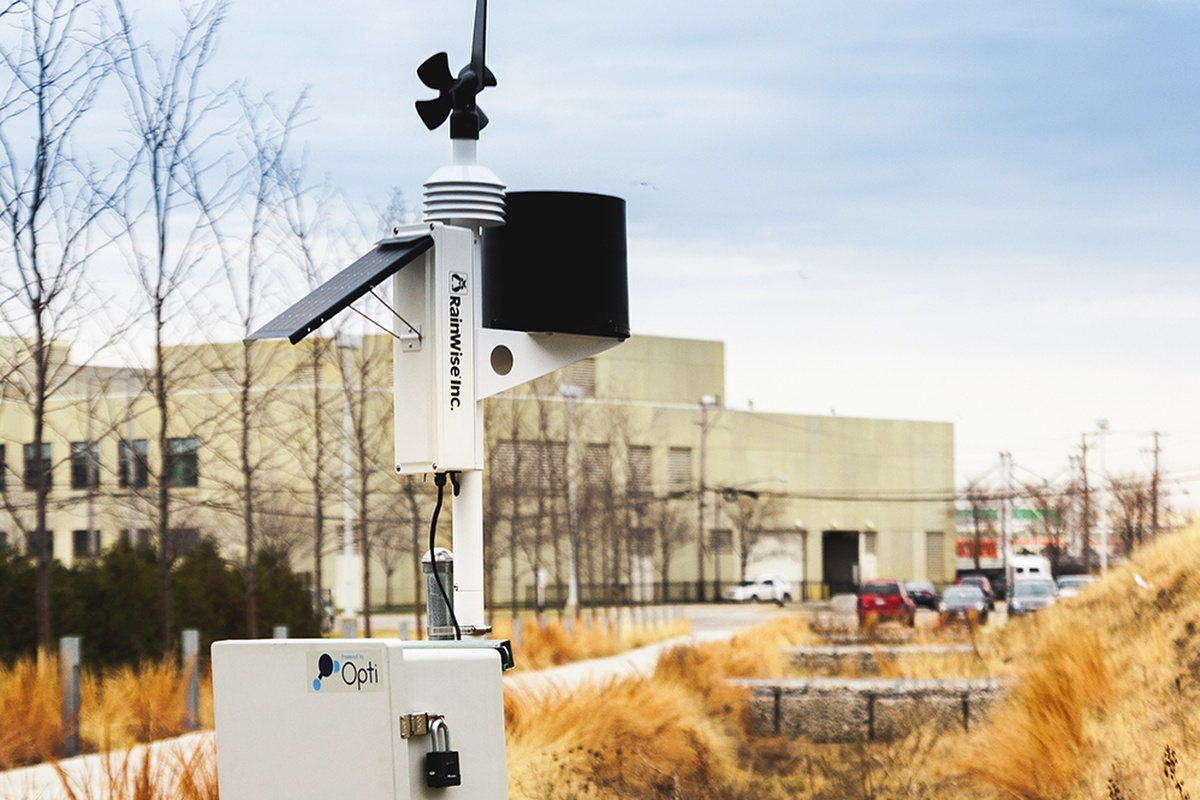
The technology was installed at four locations across Chicago
City Tech Collaborative, the City of Chicago, Microsoft, AECOM and Opti have announced the results of an 18-month pilot that monitored and compared green infrastructure flood prevention measures side-by-side.
City Tech’s aim is to transform cities into testbeds for new ideas. Four test locations were installed around Chicago and demonstrated that green infrastructure slows the progress of water into city sewers when it rains. The project also showed how cloud platforms can enable live collection and analysis of decentralised data sources.
The test sites were equipped with custom-designed sensors that have collected data since spring 2017. It’s the first experiment of its kind, combining the Internet of Things, above-ground monitoring and environmentally sustainable flood prevention methods.
The purpose of such infrastructure is to absorb water and delay its release into city sewers, which helps reduce the surge of water that hits the system when it rains. When too much water enters the sewers at once, it can back up into basements or lead to sewer water being released into the Chicago river and other waterways.
Despite many cities’ financial commitment, they don’t yet fully know the most effective ways to deploy and maintain these types of infrastructure, which range from permeable pavement to bioswales and planters.
In this pilot, which began in October 2016, IoT sensors were developed and installed at four green infrastructure locations across the city. They collected micro-weather and soil moisture data, which were sent live to the Microsoft cloud.
The pilot tested the ability of the technology to collect data reliably and survive deployment in Chicago’s climate and urban environment. It also sought to evaluate how the data could improve the future design and operation of green infrastructure.
The four Chicago sites are:
- Porous asphalt on Langley Avenue in the Roseland neighbourhood on the city’s South Side
- Permeable pavers and tree-pit filters on Cottage Grove in Chatham on the city’s South Side
- A bioswale outside UI LABS on Goose Island. A bioswale is a trench-like depression covered with vegetation
- Permeable pavers and infiltration planters installed on Argyle Street in the Uptown neighborhood on the city’s North Side.
Data from this pilot is available publicly on the Chicago Open Data Portal, and pilot team member AECOM, a fully integrated global infrastructure firm, reviewed a year’s worth of data and determined each structure’s relative effectiveness. The results show that:
- The bioswale outside UI LABS and the porous pavement on Langley Avenue performed most successfully during rain events. AECOM define success as a detectable and consistent increase in soil saturation when it rained, which means that water was not immediately flowing into the sewer
- Performance of green infrastructure was consistent no matter the volume of rain
- The types of data collected can be used to inform future engineering design recommendations, ranging from security to coordinated planning
- The effort and cost of green infrastructure monitoring can be reduced through automated notification of when sensor maintenance is required. For example, during the pilot, maintenance alerts were issued during the pilot when the monitoring equipment went offline.
The technology developed during this pilot is currently offered to cities by Opti, which is a leader in forecast-based control of distributed stormwater infrastructure.
“Cities face critical water and environmental challenges. This project empowers city planners, policy-makers, and researchers to develop creative solutions,” said Elizabeth Grossman director of national partnerships and programmes in the Microsoft cities team.
She added: “By harnessing cloud, data and mobile technologies, we can gather, share and analyse data in new ways that improve community safety, sustainability and quality of life.”
If you like this, you might be interested in reading the following:
Chicago City Profile
Read all of SmartCitiesWorld’s coverage on Chicago
Florida utility deploys smart solutions to monitor lake levels
With Smart Gateway and the FlexNet system, the City of Lakeland’s scientists are able to collect water level data remotely in real time
We examined 885 European cities’ plans to tackle climate change – here’s what we found
Why not try these links to see what our SmartCitiesWorld AI can tell you.
(Please note this is an experimental service)
How do IoT sensors improve monitoring of green infrastructure effectiveness?What data types best indicate green infrastructure performance during rain?How can cloud platforms enhance real-time analysis of flood prevention data?Which green infrastructure methods most effectively reduce sewer water surges?How does automated sensor maintenance improve long-term infrastructure reliability?AECOMAnalyticsAnalyticsChicagoCity Tech CollaborativeConnectivityDataDevicesElizabeth GrossmanEnergyFeaturedflood preventionGreen infrastructureMicrosoftNetworkOptiPlatformsPlatformsSensorssustainabilitysustainability
Latest City Profile
SmartCitiesWorld Newsletters (Daily/Weekly)
You may also like these related articles...
BECOME A MEMBER
© 2026 SmartCitiesWorld
Smart Cities World Ltd, 27 Clements Lane, London, EC4N 7AE