















BUILD YOUR OWN
RESOURCE LIBRARY



Opinions
Smart lighting: enabling smart cities beyond illuminationSponsored by Paradox Engineering

How AI and biometrics are shaping next-generation mobility paymentsSponsored by ST Engineering
Pittsburgh sets out new rules for self-driving cars
Mayor William Peduto hopes the principles set out in the executive order will become a model for cities and places across the globe


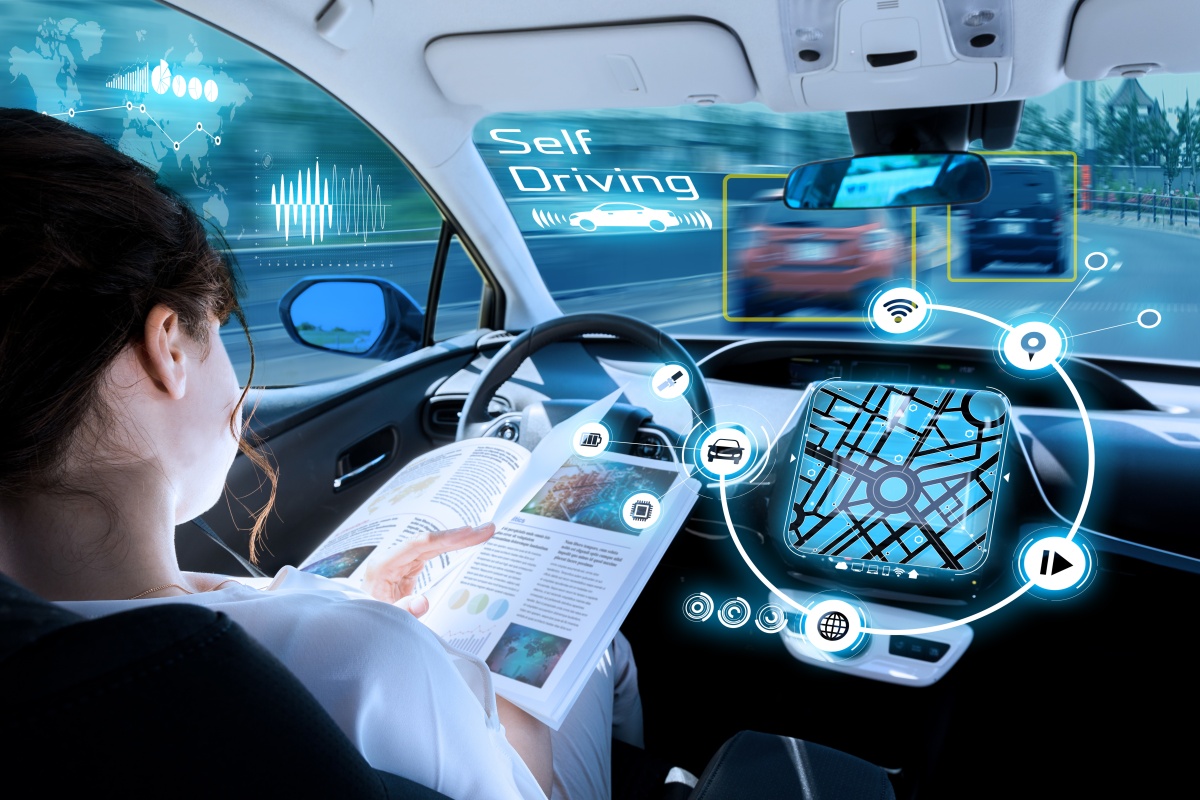
Department of Mobility and Infrastructure must report to the public at least anually
Pittsburgh has issued a directive outlining the US city’s objectives and expectations for the safe testing of autonomous vehicles (AVs) on its streets.
The “executive order” also assigns responsibilities for the development of transparent and constructive reporting guidelines for the growing technology sector. Called the “Pittsburgh Principles,” city authorities claim the order is the first of its kind to be issued by any city worldwide.
The principles include:
- Instituting transparent lines of communication between the city and partners testing autonomous vehicles, and annual reports on the implementation of AV policies
- Promoting automated driving systems that encourage high vehicle occupancy with lower or no emissions, and lower cost and equitable transportation options
- Engaging industry leaders and community stakeholders to collaboratively facilitate the further development and deployment of self-driving technology.
All five of the prominent entities currently developing autonomous driving systems in the city – Aptiv, Argo AI, Aurora Innovation, Carnegie-Mellon University and Uber – were on hand for the signing of the order by the mayor.
“Autonomous vehicle technology has the potential to dramatically improve safety on our city streets and yield transformative benefits to equitable access and quality of life for all in our city,” said William Peduto, mayor of Pittsburgh.
“This can only happen when industry, agencies and people understand one another and work together. My hope is that this executive order will not only provide the necessary platform and process to do that for our city but serve as a model for cities and places across the globe.”
The executive order designates the Department of Mobility and Infrastructure (Domi) as the principal point of contact and directs the department to collaborate with public agency partners, private sector industry, and general public stakeholders in developing policy around this emergent technology.
"My hope is that this executive order will not only provide the necessary platform and process to do that for our city but serve as a model for cities and places across the globe”
The order further instructs the department to develop guidelines for testing and to report back to the public at least annually on progress in testing and policy development.
“These guidelines provide a framework for sharing information relevant to policy-making and building the public trust, which is essential to the success of self-driving development and its ultimate deployment in ways that strengthen our cities and communities,” added Karina Ricks, director of the Department of Mobility and Infrastructure.
You might also like:
Why not try these links to see what our SmartCitiesWorld AI can tell you.
(Please note this is an experimental service)
How does Pittsburgh's executive order promote transparency in autonomous vehicle testing?What role does the Department of Mobility and Infrastructure play in AV policy development?How will the Pittsburgh Principles encourage equitable and low-emission transportation options?In what ways are industry and community stakeholders engaged in self-driving technology deployment?What reporting guidelines are established to build public trust in autonomous vehicle progress?AnalyticsAnalyticsautonomous vehiclesConnectivityDataDevicesdriverless vehiclesFeaturedGovernanceLegalLegalmobilityNetworkPittsburghPlanningPlatformsPlatformsPolicy MakingPublic/Private PartnershipsRoadself-drivingSensorsSmart MobilityTransportWilliam Peduto
Latest City Profile
SmartCitiesWorld Newsletters (Daily/Weekly)
You may also like these related articles...
BECOME A MEMBER
© 2026 SmartCitiesWorld
Smart Cities World Ltd, 27 Clements Lane, London, EC4N 7AE