















BUILD YOUR OWN
RESOURCE LIBRARY



Podcasts

Cities Thriving on Lighting, Episode 2 – Simplicity by design in smart lightingSponsored by Paradox Engineering
Cities Thriving on Lighting, Episode 1 – Lighting as the backbone of the smart citySponsored by Paradox Engineering
Opinions

Transforming indoor public safety with smart sensor networksSponsored by Motorola Solutions
Waymo and Waze announce pothole detection pilot for US cities
The programme uses Waymo’s perception and physical feedback systems to detect and provide up-to-date information for cities on potholes where Waymo operates.


 At a glance
Who: Waymo; Waze.
What: Waymo and Waze are piloting a new programme using Waymo’s perception and physical feedback systems to detect and provide up-to-date information on potholes where Waymo operates.
Why: To provide officials an additional view of surface street and highway conditions that enables them to more efficiently and effectively fill potholes.
Where: The pilot will initially launch in five cities: San Francisco Bay Area and Los Angeles, Phoenix, Austin and Atlanta metro areas.
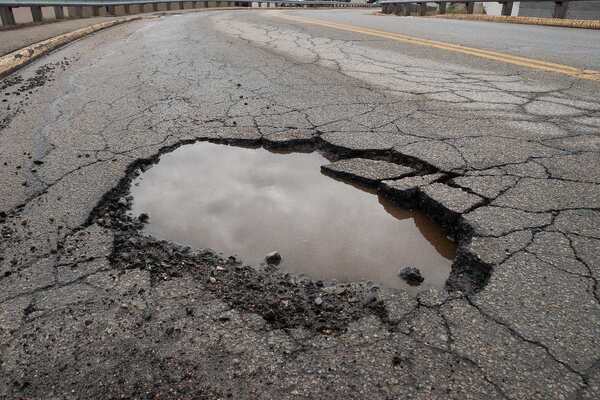
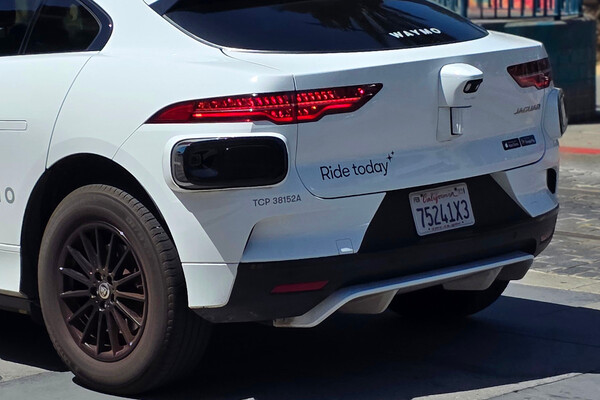
Waymo and Waze are piloting a new programme using Waymo’s perception and physical feedback systems to detect and provide up-to-date information on potholes where Waymo operates.
The data will be available to cities and state Departments of Transportation through the free-to-use Waze for Cities platform alongside user-reported pothole information, giving officials an additional view of surface street and highway conditions that enables them to more efficiently and effectively fill potholes.
Waymo-identified potholes
The data will also be visible to Waze users in the cities where Waymo operates, with a view to keeping road users safe by alerting them as they approach a pothole. Like other on-road features reportable in the Waze app, users will be able to verify the Waymo-identified potholes, increasing the data’s accuracy.
“Waymo is already making roads safer where we operate. We want to build on the safety benefits of our service by partnering with organisations and City officials to help improve the infrastructure we all depend on,” said Arielle Fleisher, policy development and research manager at Waymo. “Waymo’s mission is to be the world’s most trusted driver; we’re also committed to becoming a trusted partner to the cities we serve.”
“We want to build on the safety benefits of our service by partnering with organisations and City officials to help improve the infrastructure we all depend on”
Potholes can cause significant vehicle damage and contribute to crashes. Today, many cities rely on non-emergency 311 reports from residents and manual inspections to address their pothole problems.
This constituent-driven model of road maintenance provides cities with an incomplete picture of road health that can make it difficult to allocate maintenance resources equitably. This pilot programme, based on feedback gathered from City officials over the years, is intended to help fill reporting gaps and support cities’ efforts to maintain safer streets.
Read More
The companies have announced a partnership with City of San José, which last year reported on another pilot project that used cameras on City vehicles equipped with AI technology trained to spot potholes, parking violations and illegal dumping in real time.
“We’re always looking for innovative ways to deliver better services for residents, including our own work using object detection through cameras on City vehicles,” said San José mayor Matt Mahan. “As Waymo’s autonomous fleet travels across San José, we appreciate the collaboration with Waymo and Waze as we explore how technology can help identify issues like potholes faster so we can respond more efficiently.”
The pilot will initially launch in five cities – the San Francisco Bay Area and the Los Angeles, Phoenix, Austin, and Atlanta metro areas – where Waymo reckons it has already identified approximately 500 potholes. Over time, it plans to expand the partnership to more cities it serves, including those with winter weather and harsh freeze-thaw cycles that can exacerbate the pothole problem.
Together, Waymo and Waze aim to help improve road quality in communities where Waymo operates. The partners will also seek feedback from cities using this data on how they can further improve this pilot programme, and explore bringing more actionable data to the cities they serve.
Why not try these links to see what our SmartCitiesWorld AI can tell you.
(Please note this is an experimental service)
How can Waymo-Waze data improve municipal pothole repair prioritization?How accurately do Waymo detections match municipal inspections?How will Waze for Cities integrate Waymo reports into DOT workflows?How might in-app alerts reduce driver damage and crash risks?How can sensors adapt pothole detection for freeze-thaw seasonal conditions?AI and Machine LearningAI CityXchange - AI FoundationsAtlantaAustinCAVsconnected and autonomous vehiclesConnectivity & DataLos AngelesmobilityPhoenixRoadSan FranciscoSan Jose
Latest City Profile
SmartCitiesWorld Newsletters (Daily/Weekly)
You may also like these related articles...
BECOME A MEMBER
© 2026 SmartCitiesWorld
Smart Cities World Ltd, 37 Lombard Street, London, EC3V 9BQ