





































Watch now to explore how connected data and AI can improve citizen engagement, break down departmental silos and enable faster, better-informed decisions.
Discover how AI, edge computing and computer vision can help cities turn growing volumes of urban data into smarter, faster decisions and more responsive services.
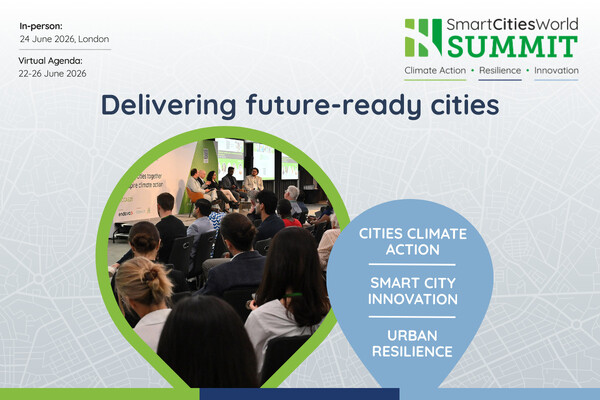
As cities confront the combined pressures of climate change, infrastructure resilience and digital transformation, the SmartCitiesWorld Summit 2026 will bring together urban leaders and partners during London Climate Action Week to explore how these agendas intersect – and how cities can translate strategy into practical action.
Benson Tam of Venturous Group and Michael Kwok of Arup explain how innovative public and private partnerships are pushing the envelope for the future of cities.
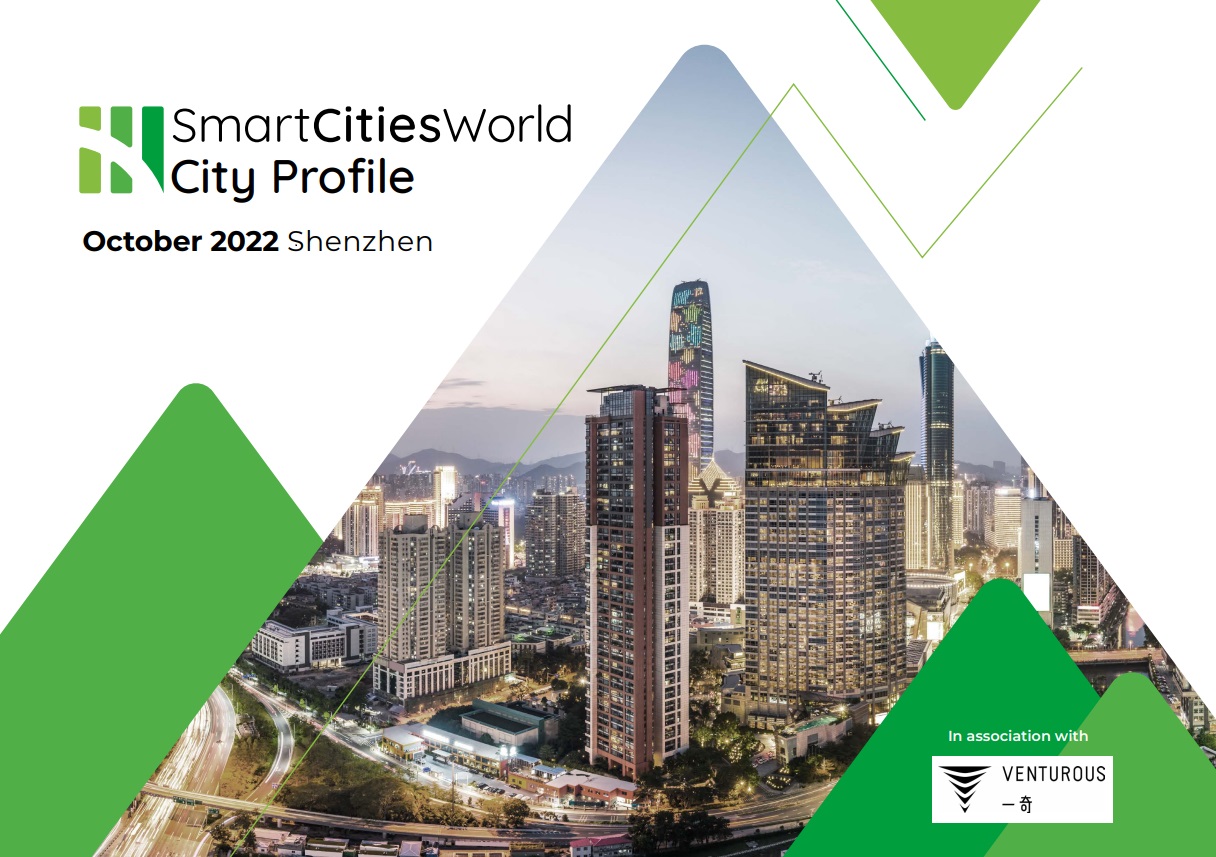
SmartCitiesWorld City Profiles explore the city of Shenzhen, designated as China’s first special economic zone and a role model of urban modernisation. Find out more about Shenzhen’s smart city strategy in this 16-page report.
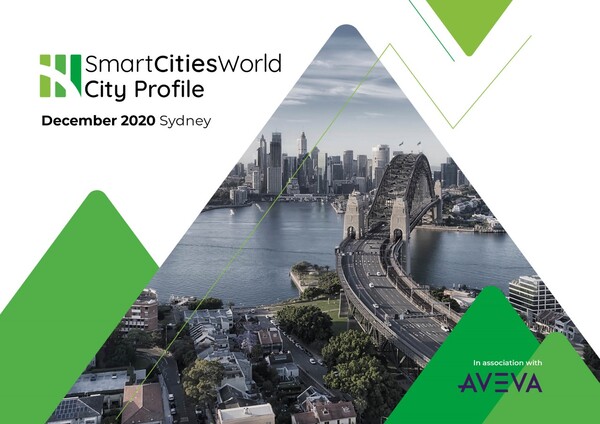
In 2020, the City of Sydney released a Smart City Strategic Framework to harness the opportunities brought about by digital disruption, to plan for uncertainty and to sustain a global reputation as a leading place to live, work, learn and visit.
Benson Tam of Venturous Group and Michael Kwok of Arup explain how innovative public and private partnerships are pushing the envelope for the future of cities.
Latitudo 40 sits at the convergence of satellite imagery analysis and AI and will demonstrate the vital role satellite data has to play in helping cities tackle the challenges of climate change.
SSE Energy Solutions will show how by leveraging the power of smart city data, cities have a key role to play in lowering carbon emissions and energy consumption and costs.
Developed with input from emergency services workers, the Blue Light tool will bring together information on each site’s future energy needs in one place.
SmartCitiesWorld City Profiles explore the city of Shenzhen, designated as China’s first special economic zone and a role model of urban modernisation. Find out more about Shenzhen’s smart city strategy in this 16-page report.
The long term-impact of the UK’s decision to leave the European Union and the country’s poor performance in the Covid-19 pandemic, are among the complex set of challenges it faces if London is to remain one of the world’s most influential and enviable cities.
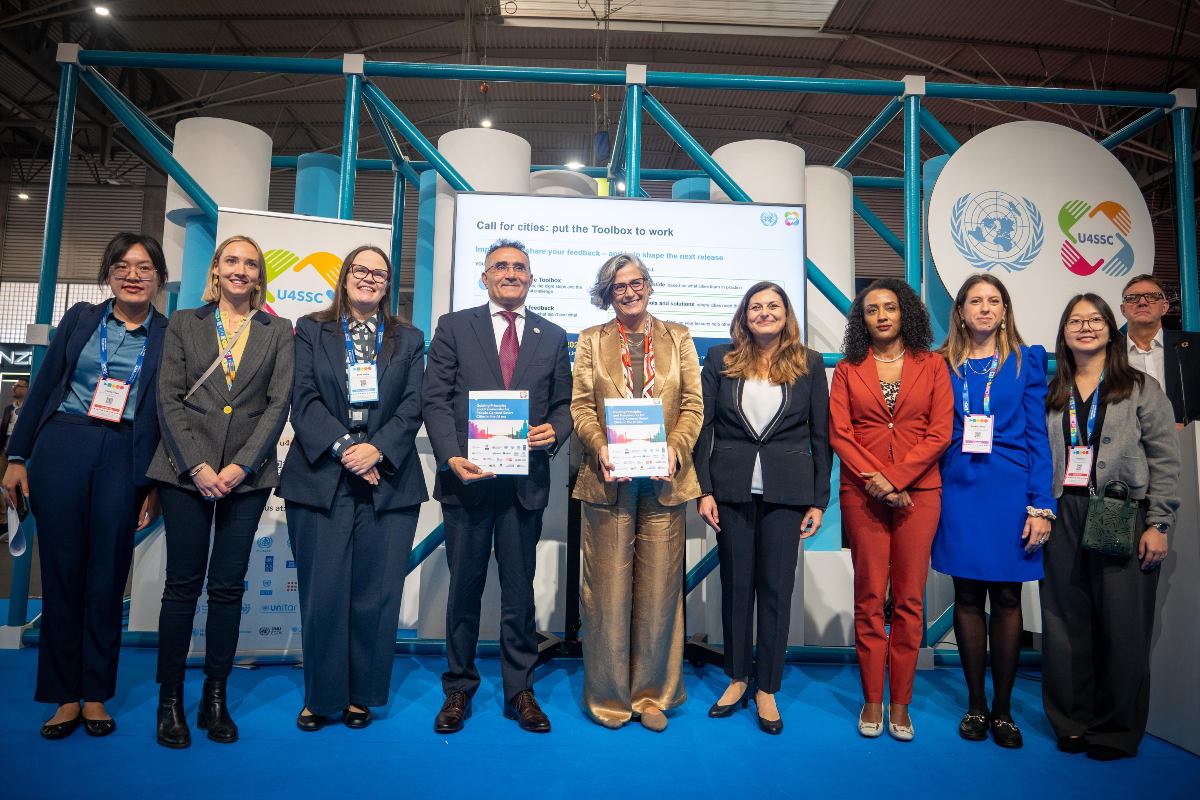
United for Smart Sustainable Cities (U4SSC) marks its 10-year anniversary with system-wide guidance for using artificial intelligence in city services.
Analysis by road safety technology company Tapco of 3,370 alert records across 23 states offers DoTs practical recommendations ahead of holiday travel.
Discover how connected intelligence can help cities turn fragmented data into coordinated, secure and measurable action across essential public services.
More than 5,000 sites have been upgraded across Scotland as part of the Scottish Wide Area Network programme to help futureproof public sector connectivity.
AI Nexa platform connects real-time city data with government standard operating procedures to coordinate action for public safety, resilience and sustainability.
Goal is to demonstrate how its technologies help transport operators better understand, anticipate and respond to changing conditions across transport networks.
Canberra expands its smart lighting network through the upgrade of 16,000 existing streetlights supporting sustainability, public safety and smart city goals.
Terra50 brings together 50 of the most impactful climate solutions already in action, with the potential to be replicated and scaled in cities around the world.
New ThoughtLab study of 459 cities and 525 senior officials shows a people-first approach to AI will help cities drive social equity, trust, and sustainability.
Agentic AI specialist Zammo will show city leaders how staff can turn plain language into a live, multilingual citizen service agent, without any developers.
Competition reversed the traditional pitch model with cities defining real operational challenges and companies responding with deployment-ready solutions.
Grid-independent, lane-level data warns and reroutes drivers, first responders and freight fleets around snow, black ice, wrong-way drivers and crashes.
Horizon Europe Prosafe-Twin project brings together 17 organisations to move road safety from reacting to anticipating, with pilots to run across Europe.
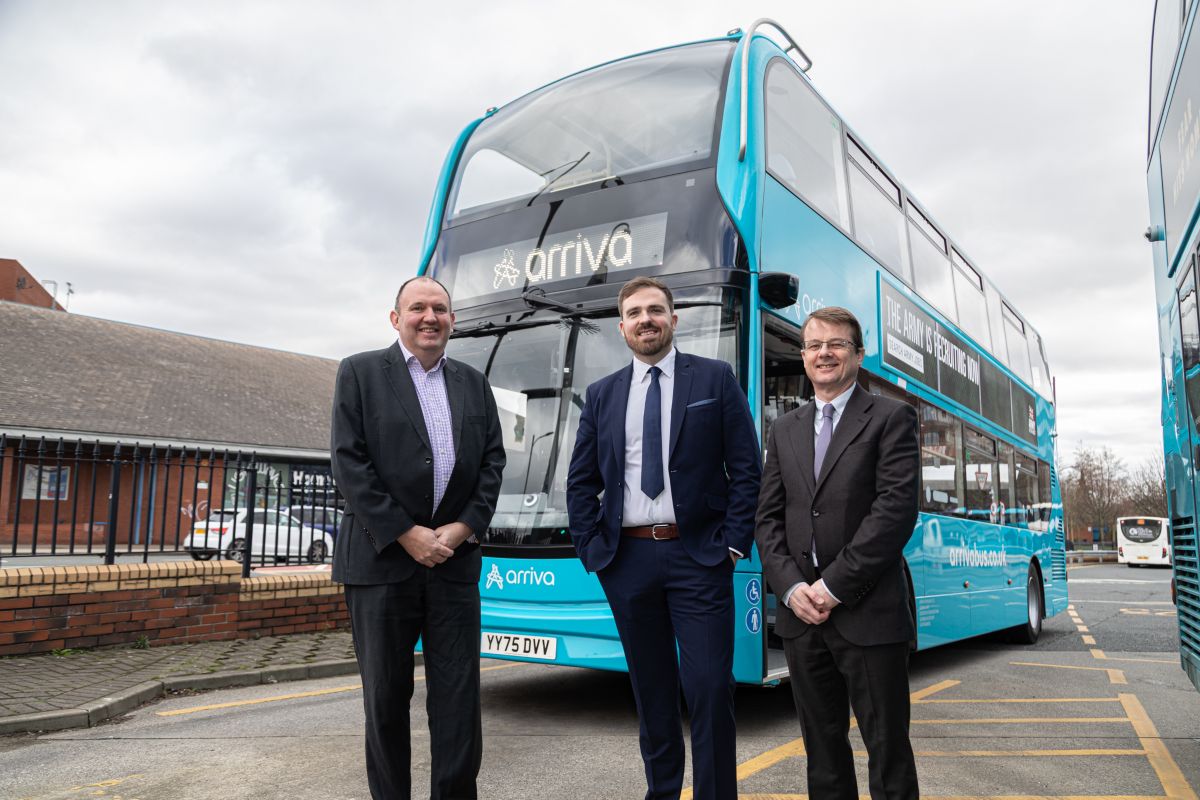
CitySwift will provide Arriva’s UK operating companies with a single, trusted source of network intelligence to support network management and long-term planning.
Esri UK and OS are inviting local authorities and housing associations to submit ideas for using geospatial tech in the Social Housing Innovation Challenge.
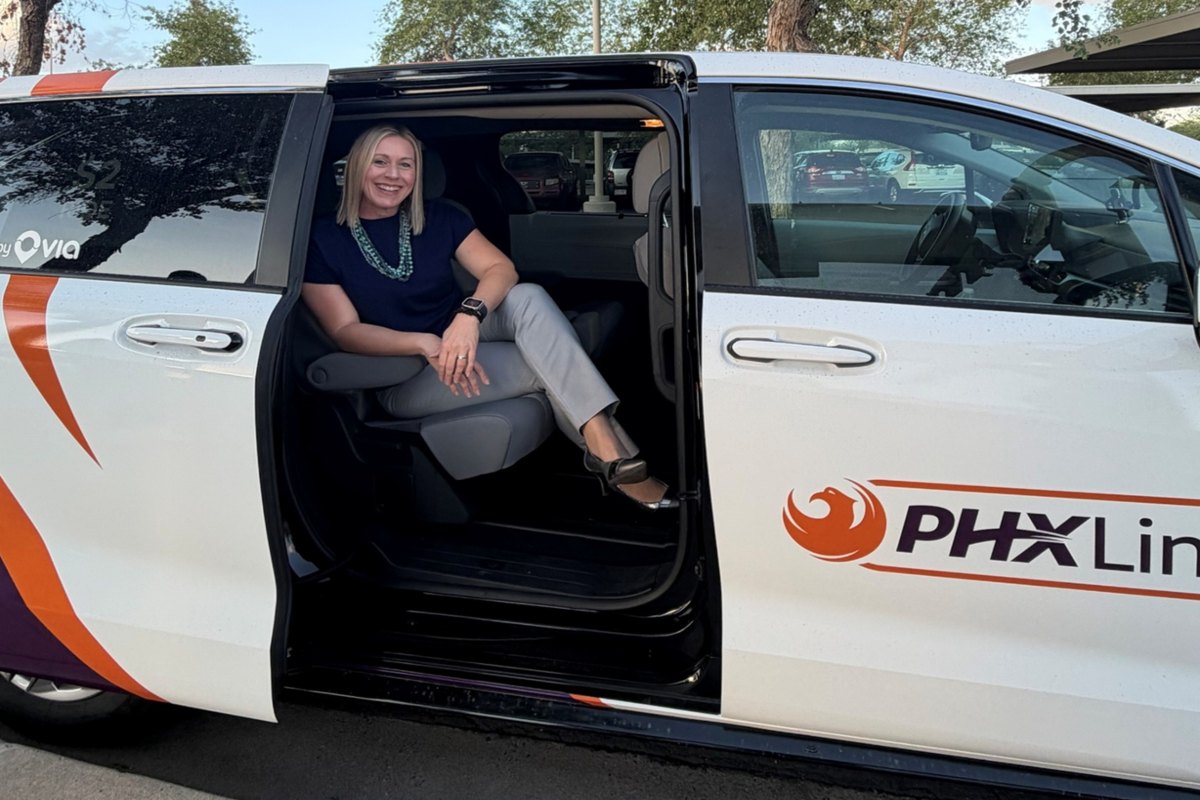
PHXLink is designed to connect Phoenix residents with public transit services and help with future transit planning based on ridership data during the pilot.
Chamber AI Hub provides access to specialised artificial intelligence agents across seven areas to help the private sector transform its operating models.
Ongoing transformation will see more than 50 new trees, 100-plus seats, two public squares, rest areas and signage to help people enjoy the pedestrianised area.
App allows agencies to continue using existing Diamond traffic counters while simplifying how they collect, manage and transfer data used to inform roadway planning.
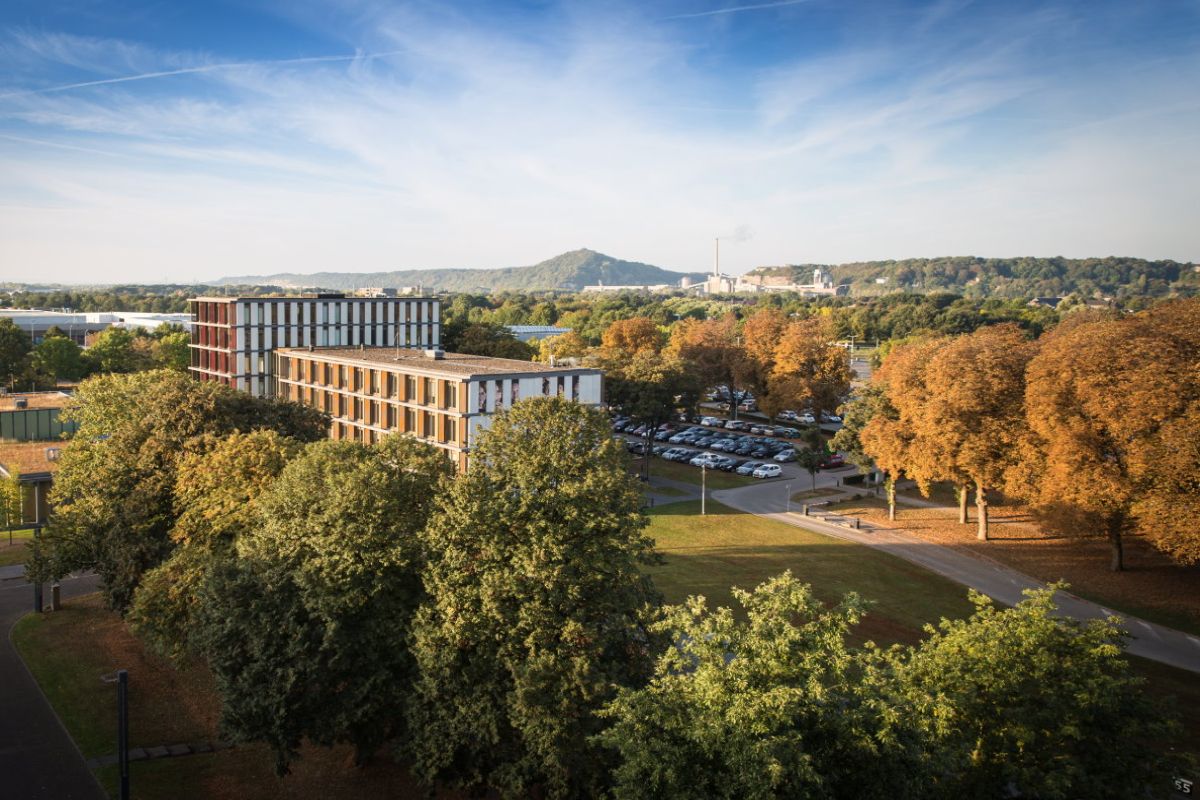
Brightlands is the brand created by Province of Limburg in 2012 for an ecosystem of four innovation campuses, which has helped transform the entire province.
Purpose-built agentic solution from Google Public Sector enables federal, state, and local government to streamline operations and enhance citizen services.
AI-powered platform is partnering with Unitil to prioritise resilience investments through machine learning-based risk modelling and cost-benefit analysis.
The partnership brings MagicEye, Optibus’ AI driver safety system, to UK bus and coach fleets as fatigue and distraction prevention becomes a requirement.
Report shows how 17 companies tested tools for infrastructure inspections, maintenance planning and data management with transit agencies in the tri-state area.
Grants support six projects designed to reduce air pollution and improve public health, with a focus on low income neighbourhoods and communities of colour.
Strategic partnership will see Element Fleet Management support Waymo’s Toronto operations with end-to-end fleet management and intelligent mobility solutions.
All 32 member utilities of Florida Municipal Power Agency have access to Noteworthy AI’s asset visibility, condition analysis and storm-response capabilities.
Dan Flores, head of tourism, Satisfi Labs, highlights how disconnected system layers means cities can miss out on the economic benefit of hosting major events.
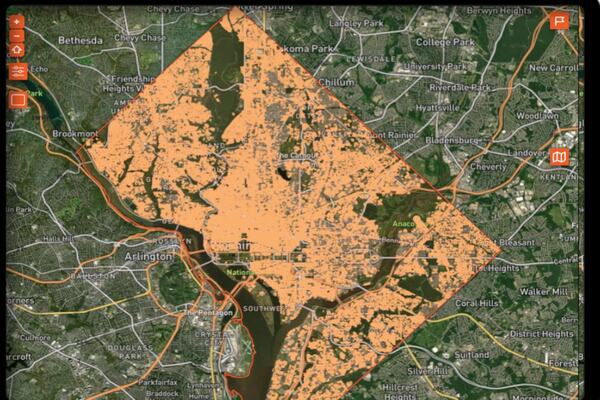
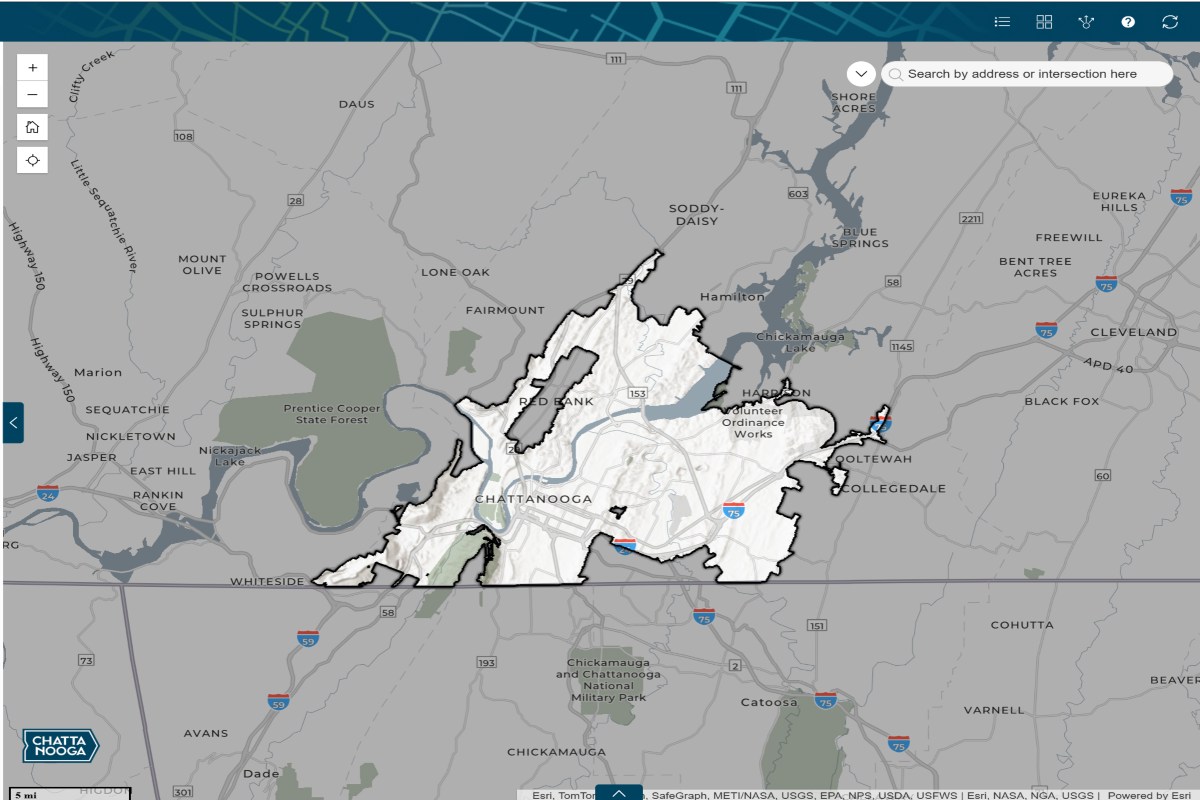
The interactive map provides layers of mapped assets relating to zoning districts, neighbourhood associations, public safety, land ownership and city services.
Watch now to explore how connected data and AI can improve citizen engagement, break down departmental silos and enable faster, better-informed decisions.
Results from CitySwift’s collaboration with TfL and bus operators reveal that over three years, passengers are expected to save more than 25 million hours.
New app gives transit agencies a direct digital connection with riders, combining journey intelligence and fare collection on Masabi’s Justride platform.
The Parking Scorecard analyses more than 120 downtown areas across North America and Europe, comparing parking availability, prices and kerb use policies.
The infrastructure engineering software company’s annual awards show how a new cycle of AI-enabled innovation is helping engineers solve harder problems faster.
AI Labs brings together transit ecosystem from agencies and tech partners to develop AI solutions with some already in testing with Greater Dayton agency.
Medway NHS Trust is implementing a digital tool that supports the ‘Golden thread’ principle of keeping accurate and accessible fire safety information.
UK city’s tech sector is teaming with voluntary and community organisations to help drive innovation that delivers positive social and environmental impact.
Discover how AI, edge computing and computer vision can help cities turn growing volumes of urban data into smarter, faster decisions and more responsive services.
The system helps students, staff, and visitors quickly locate available parking across all eight levels of the garage, which opened earlier this month.
Agreement will bring intelligent signal priority tech to 67 intersections across Livermore, Dublin and Pleasanton, with plans to expand across Lavta’s full bus fleet.
Pilot project demonstrates how rapid, low-cost urban transformations can protect residents from extreme heat while creating safer, more welcoming spaces.
Ahead of the next AI CityXchange workshop in Dublin, Alan Murphy, Regional Manager at Smart Dublin, discusses where AI can genuinely add value, and where caution is required.
AIWaysion will deploy its Mobile Unit for Sensing Traffic to help DDoT independently observe and analyse AV operations in real-world, mixed urban traffic.
Technology detects approaching emergency vehicles, including ambulances, police vehicles and fire engines, helping AV buses respond appropriately and safely.
The Wheels4Wheels project repurposes sensors already fitted to Bolt’s scooters to collect the accessibility data that mainstream maps have long been missing.
Climate Smart Communities Initiative has made 28 grant awards to help US communities prepare for extreme weather and the growing impacts of climate change.
Geoplace provided Durham and Bournemouth, Christchurch and Poole councils with technical analysis to identify where lane rental would deliver greatest benefits.
Analysis from CDP finds nature-based solutions can simultaneously protect communities from climate hazards, strengthen biodiversity and improve public health.
A new collaboration between Ordnance Survey and Cornerstone has improved the quality of the provider’s asset data across 16,500 sites nationwide in the UK.
Executive Order signed by mayor Brandon Johnson strengthens protections against air and noise pollution and requires enhanced review of proposed developments.
Established by IonQ and EPB, it claims to be the first dedicated next-gen quantum communication R&D innovation lab directly connected to a real-world network.
The company claims the kerbside milestone creates a digital twin of the rules of the road across the UK that is more than the circumference of the earth.