



















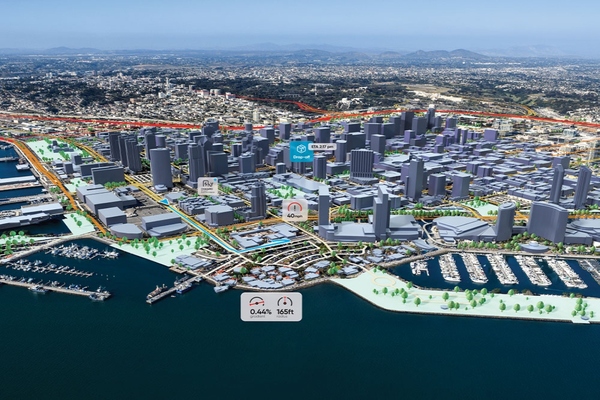


















Discover how AI-powered digital twins are transforming urban infrastructure and how these innovations can improve efficiency, resilience, and sustainability.
Discover how Sunderland is turning a strong, city‑wide data foundation into real‑world impact by using secure, scalable AI to transform planning, services, and community outcomes.
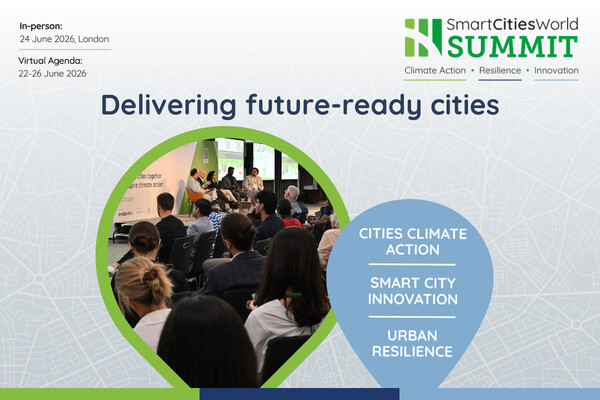
As cities confront the combined pressures of climate change, infrastructure resilience and digital transformation, the SmartCitiesWorld Summit 2026 will bring together urban leaders and partners during London Climate Action Week to explore how these agendas intersect – and how cities can translate strategy into practical action.
Benson Tam of Venturous Group and Michael Kwok of Arup explain how innovative public and private partnerships are pushing the envelope for the future of cities.
SmartCitiesWorld City Profiles explore the city of Shenzhen, designated as China’s first special economic zone and a role model of urban modernisation. Find out more about Shenzhen’s smart city strategy in this 16-page report.
In 2020, the City of Sydney released a Smart City Strategic Framework to harness the opportunities brought about by digital disruption, to plan for uncertainty and to sustain a global reputation as a leading place to live, work, learn and visit.
Benson Tam of Venturous Group and Michael Kwok of Arup explain how innovative public and private partnerships are pushing the envelope for the future of cities.
Latitudo 40 sits at the convergence of satellite imagery analysis and AI and will demonstrate the vital role satellite data has to play in helping cities tackle the challenges of climate change.
SSE Energy Solutions will show how by leveraging the power of smart city data, cities have a key role to play in lowering carbon emissions and energy consumption and costs.
SmartCitiesWorld City Profiles explore the city of Shenzhen, designated as China’s first special economic zone and a role model of urban modernisation. Find out more about Shenzhen’s smart city strategy in this 16-page report.
The long term-impact of the UK’s decision to leave the European Union and the country’s poor performance in the Covid-19 pandemic, are among the complex set of challenges it faces if London is to remain one of the world’s most influential and enviable cities.
Platform brings together a range of datasets and information from public sources to support greater transparency and more informed community decision-making.
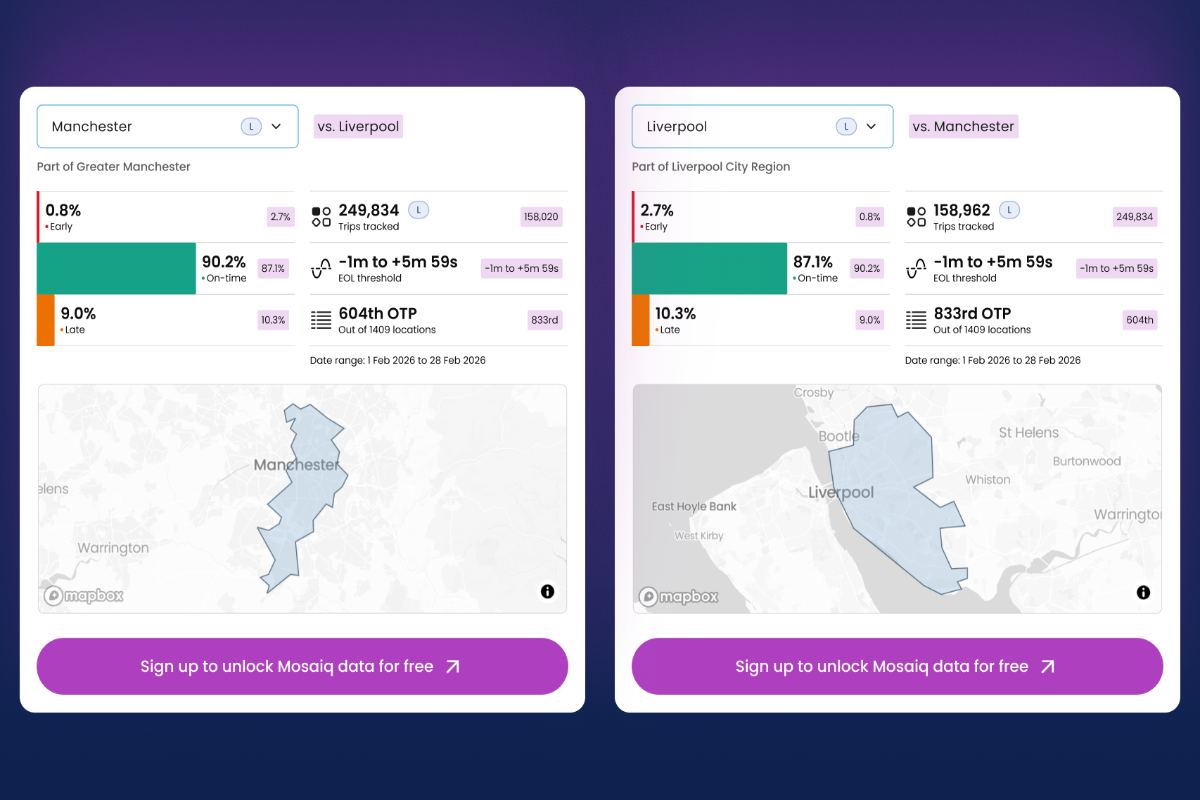
The Mosaiq Global Public Transit Index is built on open data from more than a 1,000 locations worldwide, providing an up-to-date view of network performance.
With five pilot sites, the project aims to transform the way Europe monitors, evaluates and improves safety and maintenance of its urban and secondary roads.
City is inviting proposals from researchers, technologists, community leaders, and public sector professionals with a passion for using data to solve real-world challenges.
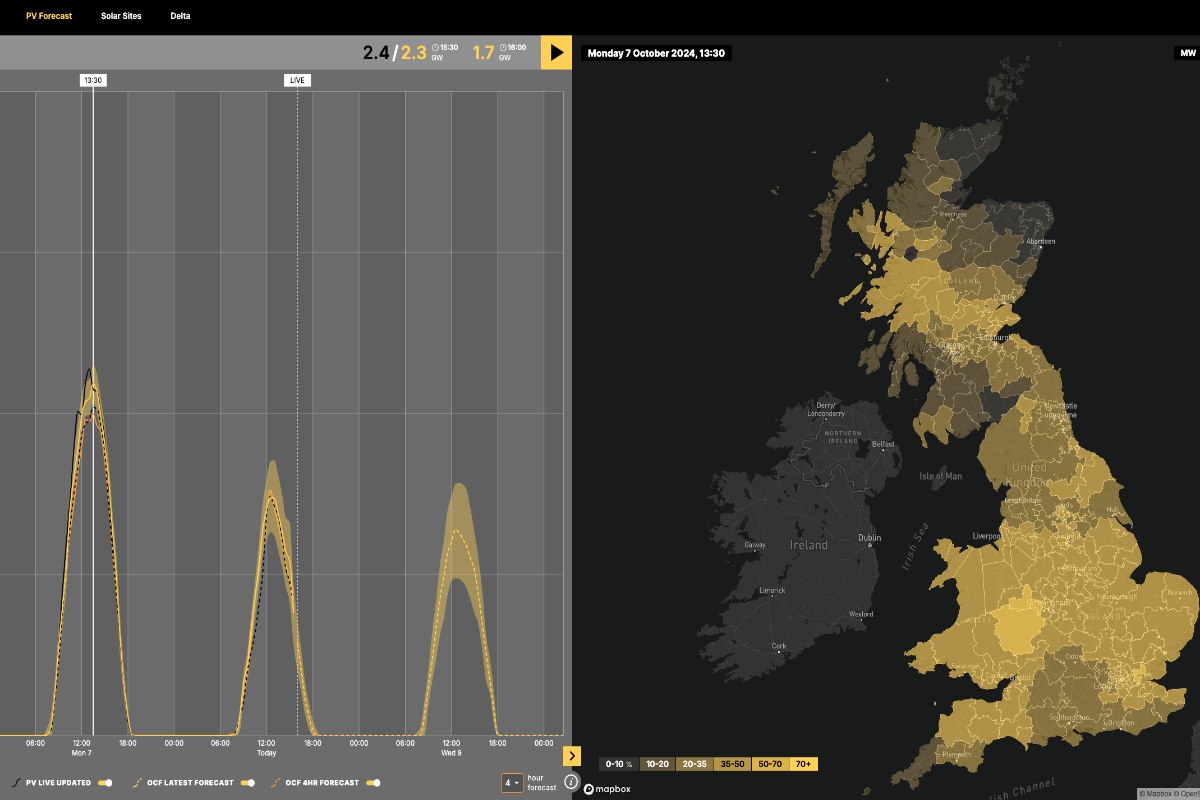
Quartz Solar combines machine learning, live satellite imagery and weather data to generate forecasts up to days ahead, providing superior within-day performance.
Judges at the World Smart City Awards gala said Rome’s visionary strategy is leveraging data, 5G and digital twins to enhance urban governance, improve public services and build resilience.
It enables Aucklanders to access data collected by the city council, including sand- and water-levels, as well as coastal camera imagery, at key beaches.
The Data for London Library, which replaces the Datastore, aims to make it easier to use data to benefit Londoners and power smarter, AI-enabled public services.
Foundational principle of data-as-a-service makes it easier for departments to access, share, and use high-quality data to improve service coordination.
The Moroccan capital is staging the two-day, open-source event, which aims to highlight the potential of smart and sustainable territories beyond Europe.
The research was conducted to benchmark the leading metropolitan statistical areas based on their capacity to generate and embrace emerging technologies.
Prize is calling on individuals, innovators, entrepreneurs, academia and civil society to prototype smart data solutions across different sectors of the economy.
It will help provide the first national smart data donation service, a pioneering satellite imagery service, and geographic and sustainable places data services.
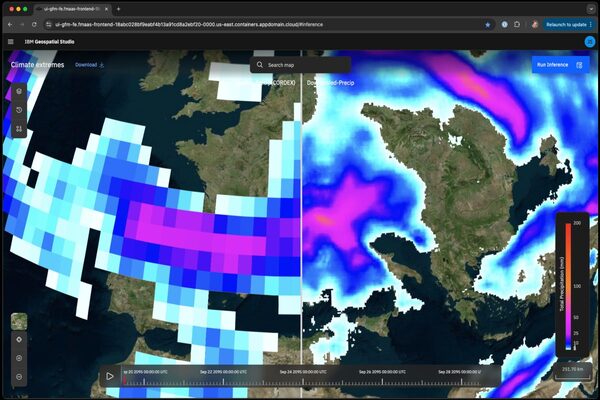
The model seeks to offer a flexible, scalable way to address a variety of challenges related to short-term weather as well as long-term climate projection.
Latitudo 40 sits at the convergence of satellite imagery analysis and AI and will demonstrate the vital role satellite data has to play in helping cities tackle the challenges of climate change.
SSE Energy Solutions will show how by leveraging the power of smart city data, cities have a key role to play in lowering carbon emissions and energy consumption and costs.
The New York Places Data Hub aims to make it simple and easy for BIDs and small businesses to access critical data to better understand community needs.
In this next phase, Arup and the Open Data Institute will place renewed focus on the built environment and develop a roadmap for net zero data infrastructure.
The tool from the Municipal Data Office seeks to democratise access to and the usage of statistical data relating to the city from multiple perspectives.
It is designed to optimise City’s use of data for more informed decision-making, enhanced collaboration and protecting privacy and standardising best practices.
SmartCitiesWorld gets up close and personal with the City of Dallas and its innovative smart city strategies. Panellist from City of Dallas, National League of Cities and Ubicquia. Watch OnDemand
The open data challenge aims to come up with improvements that will help Syracuse deliver on Vision Zero aspirations to heighten traffic safety in the city.
Adam Reiser, sales director, North America at Opendatasoft, explains how cities can liberate data from individual departmental silos so it can easily be used by all.
Raimundo Rodulfo, director of IT and CIO at the City of Coral Gables, explains how digital twin technology is taking its smart city vision to the next level.
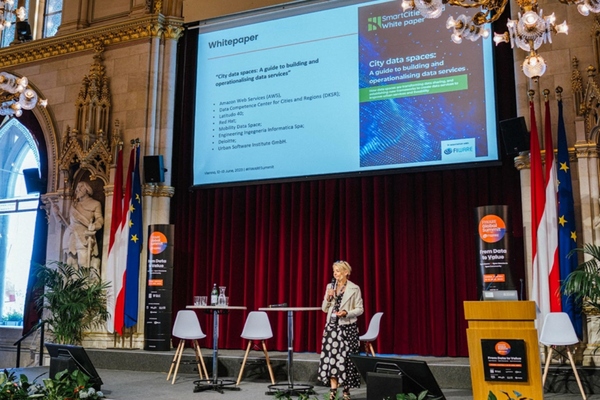
FIWARE Foundation and SmartCitiesWorld have collaborated on a whitepaper to show how city data spaces are paving the way for a new era of data-sharing in smart cities.
The open source FIWARE Global Summit in Vienna will share sustainable solutions and showcase digital transformation projects in smart cities and other sectors.
AWS, Meta and Microsoft will work with the location tech specialist to build reliable, easy-to-use and interoperable open map data under the Linux Foundation.
Big names such as Hewlett Packard Enterprise, LinkedIn and Microsoft are committing to advance more open and accessible private sector data for societal good.
The group of data and technology experts, corporate leaders and civic society will help deliver mayor’s commitment to harness data and emerging technologies.
Twenty-two cities from North, Central, and South America have been chosen to participate in the Bloomberg Philanthropies initiative, which aims to take data-driven local government to a new level.
ABI Research analysis found that smart city standards are key to unlocking the full potential but the standards ecosystem is still a diverse network and can be confusing.
Bloomberg Philanthropies will identify 100 cities in North and South America that are the most sophisticated at using data and aims to propel them to an even higher standard.
UrbanLogiq’s Municipal Analysis Tool will allow each of Ontario’s 444 municipalities to access more streamlined and user-friendly property and assessment data geospatially.
Fiware Foundation and the India Urban Data Exchange want to encourage standard-based development of solutions to exchange data among multiple organisations in different application domains.
Urban data platforms are vital in many smart city initiatives but cities sometimes struggle to build a business case for them. Tobias Brandt, Ting Li and Rasmus Ramm put forward a metaphor for success.
Bloomberg Philanthropies’ certification celebrates US local governments that are leading the nation in the use of data and evidence to improve services, create operational efficiencies, and engage residents.
The latest webinar from SmartCitiesWorld and Cloudera takes an in-depth look at how 5G is accelerating urban innovation, and the role of data analysis as part of that acceleration.
Hexagon’s Michael Baker explains how city leaders can become the champions and architects of change for their communities by setting goals and equipping agencies and organisations with the right collaborative tools.
The latest webinar from SmartCitiesWorld and Cloudera takes an in-depth look at how 5G is accelerating urban innovation, and the role of data analysis as part of that acceleration.
The Internet of Things (IoT) is playing a vital role in the development of smart transportation and logistics. Smart transportation has facilitated huge development in the field of smart cities.
The Data Spaces Business Alliance seeks to unlock the value of data and artificial intelligence by driving the adoption of data spaces across Europe and beyond.
Realising the benefits of connected intelligent assets and digital twin and predictive maintenance platforms relies on advanced data management and analytics. This webinar will look at the challenges faced in this area and how to overcome them.
Key aims of the site are to strengthen the UK city’s innovation community by creating new partnerships and commercial opportunities and provide a resource for sharing ideas and insight.
The council said it is focusing on adding a wide range of data to the hub in future on a range of subjects including the environment, transport and movement, the economy, education, and government.
The Internet of Things (IoT) is playing a vital role in the development of smart transportation and logistics. Smart transportation has facilitated huge development in the field of smart cities.
Nascent technologies like smart devices and the IoT simplify our day-to-day operations. Smart devices provide our homes and workspaces with automation, advanced security, and a host of other benefits. The IoT gives us new business insights while reducing our operating costs.
Realising the benefits of connected intelligent assets and digital twin and predictive maintenance platforms relies on advanced data management and analytics. This webinar will look at the challenges faced in this area and how to overcome them.
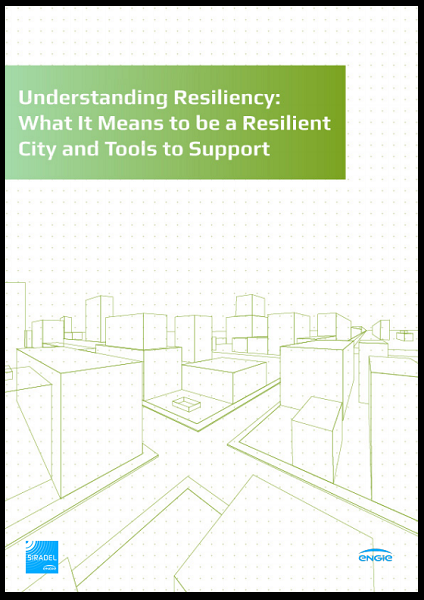
This whitepaper will provide a better understanding of the necessity for resiliency strategies, the challenges of implementing resiliency and digital tools to support cities and territories to build more resilient, sustainable and safe places to live.
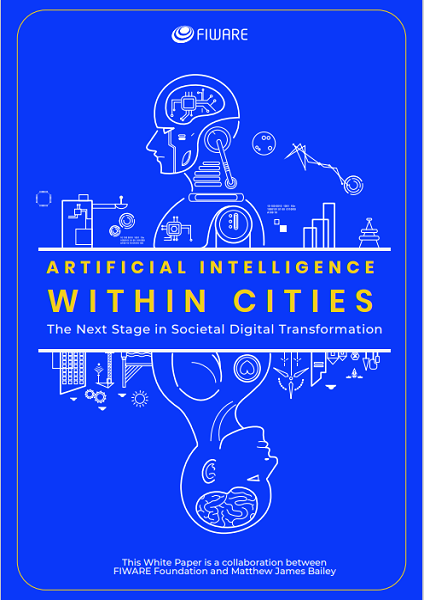
In collaboration with Matthew James Bailey (leading authority, pioneer, and consultant in innovation, AI and AI Ethics, Smart Cities, IoT, and a renowned author), this brand new white paper focusses on the role played by artificial intelligence (AI) in shaping the future experience of Smart Cities.
Projects ranging from the use of AI and machine learning to inspect roadways to a housing rights challenge were among those highlighted as making “unprecedented progress”.
Research carried out by the World Economic Forum of the 36 “pioneer cities” identifies shortcomings in a number of areas, including data privacy, cybersecurity and accessibility.
Optimally installed fibre with Distributed Acoustic Sensing technology can vastly expand the range of applications that both improve quality of life for citizens and bring opportunities for other parties in the smart city ecosystem and greenfield sites