




The fifth edition of State of Zero Waste Municipalities Report highlights how many cities are prioritising prevention, reuse and repair over recycling.
Municipalities around the world are increasingly prioritising prevention, reuse, and repair over recycling, according to a report from Zero Waste Europe (ZWE).
The fifth edition of State of Zero Waste Municipalities Report highlights the shift underway in local waste management.
Through the projects ZWE coordinates and the Zero Waste Cities Certification, operated by its sister organisation, the Mission Zero Academy, cities covering 18 million inhabitants in Europe are being supported to implement zero waste solutions.
The report showcases many strong examples of zero waste in action. For example, a strong focus on reuse and repair is evident, with Tallinn, achieving a 92 per cent return rate for reusable tableware at city events and establishing more than 10 municipal reuse and repair hubs.
“In these tough times, we are still able to showcase the fact that there are a growing number of municipalities, from Accra to Amsterdam, implementing bold and ambitious local zero waste solutions”
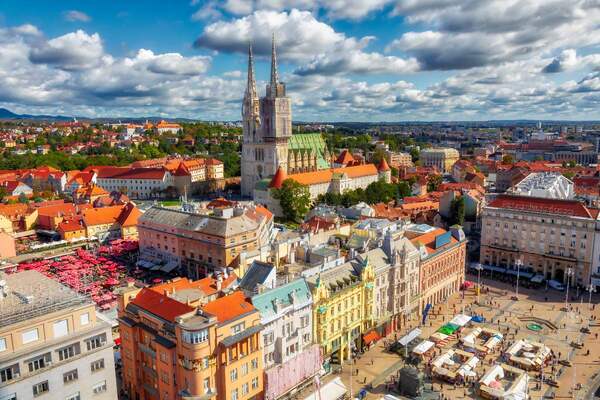
Meanwhile, Komunala Škofja Loka in Slovenia is preventing 23,000 single-use cups with its rental service in 2024. Similarly, Zagreb in Croatia has seen landfilling drop by 20 per cent and separate waste collection rise by 50 per cent, partly due to measures like banning single-use plastics in public buildings and increased door-to-door collection of materials.
“This report aims to be a dossier of hope,” said Jack McQuibban, head of local implementation at Zero Waste Europe. “In these tough times, we are still able to showcase the fact that there are a growing number of municipalities, from Accra to Amsterdam, implementing bold and ambitious local zero waste solutions, proving that progressive environmental action can and must remain top of the agenda.”
Across Europe, municipalities are advancing circular practices through ambitious targets, proven results, and growing cross-border collaboration. Amsterdam plans to nearly double textile collection per person, Catalonia is boosting textile reuse rates, and Italy’s Contarina leads with 90 per cent separate collection.
The Statiegeldalliantie unites over 730 municipalities in Belgium and the Netherlands to support deposit return systems, and the 2024 Reusable Packaging Fair drew over 480 participants, underlining rising momentum for reuse solutions.
“In a global political context where it’s easy to feel hopeless, it’s such an inspiration to see cities and municipalities time and time again take the lead towards a more liveable future for their citizens,” said Maite Liekens, reuse project officer at Fair Resource Foundation. “They refuse to wait and be part of the problem, instead deciding to become part of the solution.”
Executive director of Zero Waste Montenegro, Vanja Cicmil, added: “Our work bridges communities, businesses, and institutions in creating a cleaner, more sustainable future for Montenegro. Through education, innovation, and collaboration, we are not just addressing waste but inspiring lasting environmental change that will benefit generations to come.”
Meanwhile, in Ghana, the Zero Waste Accra initiative by GAYO established a Material Recovery Facility that now processes half of the city’s waste and earned recognition from The Earthshot Prize.
The full State of Zero Waste Municipalities Report 2024 offers more examples showing how local action is driving systemic change.
Why not try these links to see what our SmartCitiesWorld AI can tell you.
(Please note this is an experimental service)
How do reuse and repair hubs reduce municipal waste effectively?What strategies increase reusable tableware return rates at city events?How do deposit return systems support circular waste management?What impact does banning single-use plastics have on waste reduction?How can Material Recovery Facilities improve urban waste processing efficiency?