









 22 - 26 June 2026: Find out more





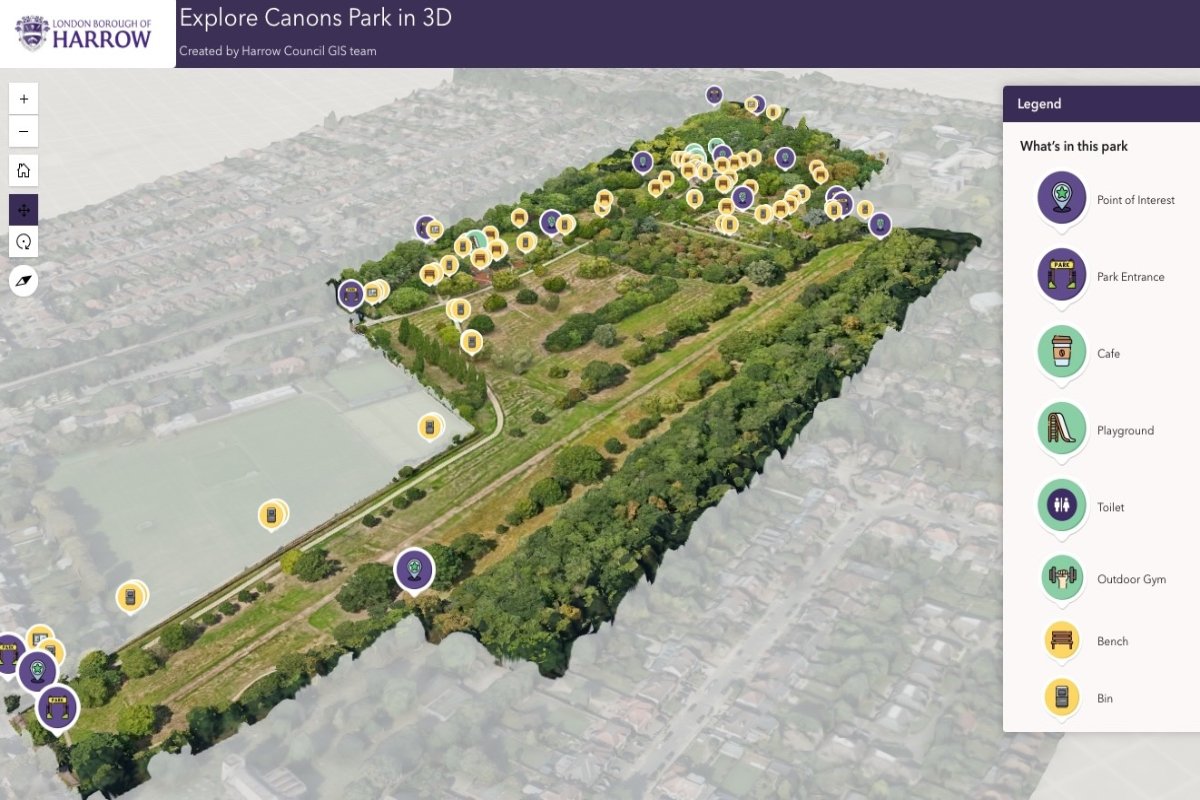


BUILD YOUR OWN
RESOURCE LIBRARY



Podcasts
Cities Thriving on Lighting, Episode 2 – Simplicity by design in smart lightingSponsored by Paradox Engineering
Cities Thriving on Lighting, Episode 1 – Lighting as the backbone of the smart citySponsored by Paradox Engineering
Opinions

Transforming indoor public safety with smart sensor networksSponsored by Motorola Solutions
Public and private sector confidence in 5G performance grows
While there is increased confidence in performance, challenges to achieve 5G densification at the pace expected by both the public and private sectors remain.


There is increased confidence in 5G performance in public and private sector organisations but challenges remain to achieve 5G densification at the pace expected by both sectors, according to research.
The study also finds that the majority (92 per cent) of telecoms decision-makers across operators and the public and private sector in the US, UK and Ireland are likely to work with neutral hosts to remove the challenges associated with 5G densification.
Building an interconnected future
Neutral hosts: the answer to 5G densification in delivering an interconnected future is based on research commissioned by network infrastructure specialist, Boldyn Networks.
Four years into widespread rollout, seven in 10 telecoms decision-makers feel more confident in 5G than ever before. And a majority recognise that 5G availability has a direct impact on performance within their organisations today. Half (51 per cent) of respondents believe 5G will deliver optimal performance in areas relevant to their organisations in the next six months, rising to more than three-quarters (78 per cent) in the next year.
This will demand significant improvements in 5G coverage and capacity, known as densification. In June, OpenSignal reported that 5G availability stood at just 31.1 per cent in the US, 10.1 per cent in the UK and 14.5 per cent in Ireland.
“But to create the truly interconnected communities of the future, it is essential that we close the gaps in 5G connectivity – indoors, outdoors, in urban, suburban, and rural environments”
But the report highlights that several challenges must be overcome to drive 5G densification at the pace expected by public and private organisations. The major obstacles include the substantial Capex investment needed, achieving ubiquitous connectivity, and laying new fibre. These challenges are driving a re-evaluation of 5G densification strategies.
Neutral hosts are companies that deploy and operate connectivity infrastructure and lease it to telecoms operators and public and private sector organisations. Once understood, neutral hosts emerge as an alternative to ‘traditional’ densification approaches, due to their ability to overcome these hurdles. The key benefits of neutral hosts were identified as cost effectiveness, sustainability, time efficiency and simplicity.
“Our industry has made great progress in rolling out 5G networks globally and confidence in its performance by business customers has rocketed. But to create the truly interconnected communities of the future, it is essential that we close the gaps in 5G connectivity – indoors, outdoors, in urban, suburban, and rural environments. That’s what network densification is all about,” said Justin Berger, group chief strategy officer at Boldyn Networks.
“Both operators and public and private organisations face serious challenges in achieving ubiquitous connectivity. So how do these decision-makers go about this? Our report reveals that neutral hosts will play a crucial role in network densification strategies.”
Key findings of the research include:
-
71 per cent of decision-makers in telecoms operators, public and private sector organisations in the US, UK and Ireland now feel more confident in 5G performance than ever before
-
5G availability is rapidly growing in importance among enterprise and public sector IT decision-makers
-
86 per cent of US respondents and 64 per cent of UK&I respondents reckon 5G availability has a direct impact on performance within their organisation today
-
78 per cent believe 5G will deliver optimal performance within the next 12 months, with US respondents most optimistic
-
96 per cent of decision-makers have faced challenges deploying 5G infrastructure, eight in 10 expect to exceed their planned spend
-
The top three challenges include Capex requirements (29 per cent), achieving ubiquitous connectivity (27 per cent) and laying new fibre (24 per cent)
-
As confidence in 5G increases, there’s a clear move towards embarking upon 5G rollout strategies quickly. To that end, 47 per cent of respondents claimed that increasing the deployment of macro cells and small cells was a priority
-
Three-fifths of telecoms operators, public and private sector organisations have a clear network densification strategy, but US-based organisations are more advanced.
-
The majority (92 per cent) were likely to use neutral hosts to remove the headaches associated with 5G densification
-
Cost-effectiveness, sustainability credentials and time efficiency were the most popular reasons neutral hosts appealed to respondents.
To read Boldyn Networks latest report, visit Neutral hosts: the answer to 5G densification in delivering an interconnected future.
The survey was conducted among 200 telecoms decision-makers, 200 5G enterprise experts and 200 public sector IT decision makers in the UK and Ireland (50 per cent) and US (50 per cent), from organisations with 100- to 5,000+ employees.
Why not try these links to see what our SmartCitiesWorld AI can tell you.
(Please note this is an experimental service)
How do neutral hosts improve cost-effectiveness in 5G densification?What role do neutral hosts play in accelerating 5G network rollout?How does 5G availability impact organizational performance today?What are the main challenges in achieving ubiquitous 5G connectivity?How can 5G densification strategies address fiber deployment obstacles?
Latest City Profile
Latest Urban Exchange Podcast
Latest Special Report
SmartCitiesWorld Newsletters (Daily/Weekly)
You may also like these related articles...
BECOME A MEMBER
© 2026 SmartCitiesWorld
Smart Cities World Ltd, 37 Lombard Street, London, EC3V 9BQ