













 22 - 26 June 2026: Find out more




BUILD YOUR OWN
RESOURCE LIBRARY



Podcasts

Cities Thriving on Lighting, Episode 2 – Simplicity by design in smart lightingSponsored by Paradox Engineering
Cities Thriving on Lighting, Episode 1 – Lighting as the backbone of the smart citySponsored by Paradox Engineering
Opinions

Transforming indoor public safety with smart sensor networksSponsored by Motorola Solutions
UrbanLogiq launches AI-powered traffic metrics
The metrics are already being used by the Canadian City of Nanaimo in British Columbia to help it make more informed road improvement project decisions.


UrbanLogiq has announced the release of its latest AI-powered data products which includes new traffic metrics, like average daily traffic (ADT).
According to UrbanLogiq, its latest feature harnesses transportation agencies’ existing intersection and road segment volume data to predict traffic metrics at locations where data is missing.
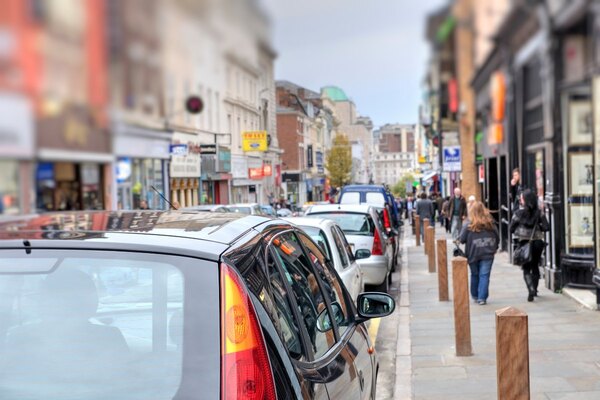
Traffic flow picture
This feature provides users with a comprehensive understanding of a city’s traffic flow picture without the need for additional costly data collection efforts. UrbanLogiq reckons this results in ‘significant’ savings on traffic volume studies that can cost upwards of $1,500 to $3,500 per intersection.
“Incorporating AI-powered traffic metrics into our platform allows cities to gain insights without the high costs and time associated with traditional traffic surveys,” said Mark Masongsong, CEO of UrbanLogiq. “Our goal is to empower planners and engineers with data-driven tools that support more informed decision-making at a fraction of the cost.”
UrbanLogiq’s AI-powered traffic metrics utilise data pipelines and a machine learning model that processes historical intersection and road segment volume data. The model then identifies patterns and relationships to predict traffic metrics like ADT for desired areas missing volume data without the need to deploy traffic counting equipment on the road.
Read More
Users can easily access these AI-powered traffic metrics through the UrbanLogiq platform. Once historical traffic volume data is ingested, a model automatically evaluates the usability of a customer’s current data, processes it through a series of transformations, and employs machine learning to understand a city’s unique traffic flow relationships, and relate movements to metrics on road segments with missing data.
UrbanLogiq reports its AI-powered traffic metrics, developed in collaboration with the City of Nanaimo in British Columbia, Canada, have greatly benefited from the city’s forward-thinking and data-driven transportation leadership. The city was instrumental in testing, and validating these metrics to ensure their practical application and have used them to support the calculation of crash rates.
“Through our partnership with UrbanLogiq, we now have a more complete view of our system which can be updated more frequently with less effort”
Crash rates are metrics that measure the frequency of traffic crashes within a specific area, calculated by the number of crashes per unit of traffic volume or distance travelled. These rates help identify high-risk areas and guide road safety improvement programmes.
“Traffic volumes are a key element of transportation engineering. Traditional methods for acquiring this information are costly and typically mean that network wide data sets can take years to produce and renew,” said Jamie Rose, transportation manager at the City of Nanaimo.
“Through our partnership with UrbanLogiq, we now have a more complete view of our system which can be updated more frequently with less effort. All of this enables us to make more informed decisions when investing in road improvement projects across our community.”
Why not try these links to see what our SmartCitiesWorld AI can tell you.
(Please note this is an experimental service)
How does UrbanLogiq's AI predict traffic metrics for missing data locations?What cost savings result from using AI-powered traffic metrics versus surveys?How can AI traffic metrics improve road safety through crash rate calculations?In what ways does AI enable more frequent updates of traffic volume data?How does machine learning identify traffic flow patterns from historical data?
Latest City Profile
Latest Urban Exchange Podcast
Latest Special Report
SmartCitiesWorld Newsletters (Daily/Weekly)
You may also like these related articles...
BECOME A MEMBER
© 2026 SmartCitiesWorld
Smart Cities World Ltd, 37 Lombard Street, London, EC3V 9BQ