








 22 - 26 June 2026: Find out more


BUILD YOUR OWN
RESOURCE LIBRARY



Podcasts
Cities Thriving on Lighting, Episode 2 – Simplicity by design in smart lightingSponsored by Paradox Engineering
Cities Thriving on Lighting, Episode 1 – Lighting as the backbone of the smart citySponsored by Paradox Engineering
Opinions
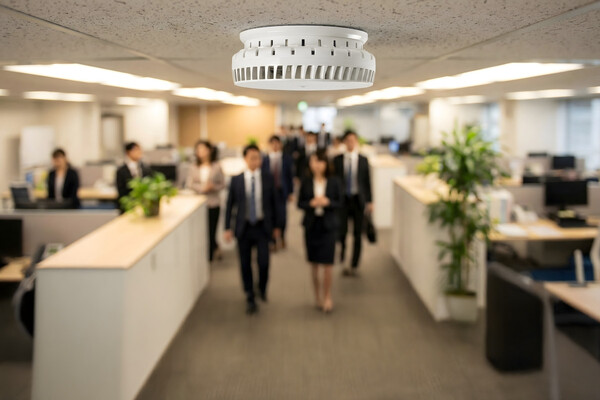
Transforming indoor public safety with smart sensor networksSponsored by Motorola Solutions
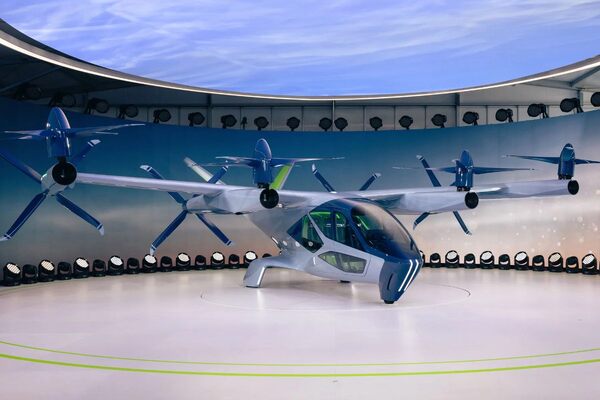
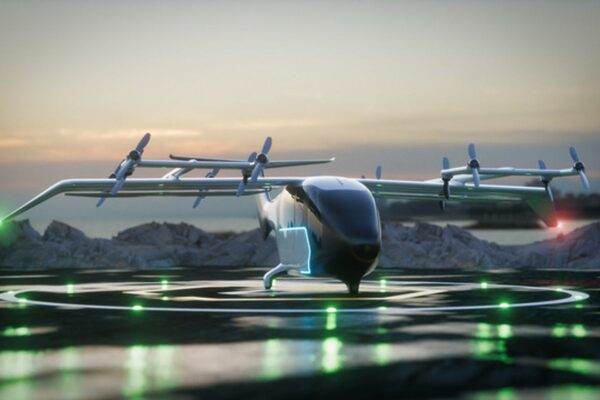
Supernal launches electric flying taxi concept at CES 2024
S-A2 is a pilot-plus-four-passenger vehicle and the latest milestone in the Hyundai company’s roadmap to commercialise everyday passenger air travel.


Hyundai Motor Group’s Advanced Air Mobility (AAM) company, Supernal, is launching an electric vertical take-off and landing (eVTOL) vehicle product concept at the consumer electronics show, CES 2024, taking place in Las Vegas this week.
The S-A2 is a pilot-plus-four-passenger vehicle and marks the latest milestone in Supernal’s roadmap to commercialise safe, efficient and affordable everyday passenger air travel.
Urban air mobility
S-A2 builds on the company’s vision concept, S-A1, which it debuted at CES 2020, bringing together the aerospace engineering and Hyundai Motor Group automotive design to create a new mode of transportation to get people in urban areas from point A to point B faster.
Supernal said it will achieve commercial aviation safety levels and enable affordable manufacturing of its vehicles as it prepares to enter the market in 2028.
“S-A2 is designed to take full advantage of emerging electric powertrain advancements that will define the next generation of aviation”
“From the beginning, Supernal has been on a mission to create the right product and the right market at the right time,” said Jaiwon Shin, president of Hyundai Motor Group and CEO of Supernal.
“The unveiling of S-A2 demonstrates our unwavering commitment to deliver on that mission with a safe, efficient vehicle design that provides a clear path to market entry. By leveraging our talented 600-person team, the vast technical and business capabilities of Hyundai Motor Group and trusted aviation suppliers around the world, Supernal is ready to deliver a new era of flight.”
Read More
S-A2 is a V-tail aircraft designed to cruise 120 miles-per-hour at a 1,500-foot altitude to meet typical city operation needs of 25- to 40-mile trips, initially. It features a distributed electric propulsion architecture and has eight all-tilting rotors. At entry into service, Supernal claims its vehicle will operate “as quietly as a dishwasher” at 65 dB in vertical take-off and landing phases and 45 dB while cruising horizontally.
The all-tilting rotor configuration will power the vehicle through both the vertical lift and horizontal-cruise phases of flight.
“S-A2 is designed to take full advantage of emerging electric powertrain advancements that will define the next generation of aviation,” said Ben Diachun, chief technology officer, Supernal. “From here, we will develop this concept into a revolutionary commercial product.”
As Supernal continues to optimise its vehicle for certification, mass production and expanded use cases, the company is also focused on interior modularity and battery upgradability. This includes the ability to replace the battery module as technology advances.
“S-A2 is a true representation of ‘auto meets aero.’ Drawing on the competence of Supernal’s top aerospace engineers and Hyundai Motor Group’s world-renowned automotive designers to create human-centric design that maximises passenger experience and safety,” said Luc Donckerwolke, president, chief design officer and chief creative officer, Hyundai Motor Group.
S-A2 is on display within the Supernal Vertiport exhibition at CES 2024. The future transportation hub brings together Supernal’s holistic vision for AAM, placing S-A2 in an operational setting. Attendees have the opportunity to see the vehicle product concept, take a simulated flight above the city of Los Angeles, learn about potential flight networks and the technology to support them, as well as understand how vertiports and other transportation modes will create quicker and easier metropolitan journeys.
Why not try these links to see what our SmartCitiesWorld AI can tell you.
(Please note this is an experimental service)
How does the S-A2's distributed electric propulsion improve flight efficiency?What safety standards will S-A2 meet for commercial urban air travel?How will battery modularity enhance the S-A2's operational lifespan?What noise reduction technologies enable S-A2 to operate quietly?How will vertiports integrate with existing urban transportation networks?
Latest City Profile
Latest Urban Exchange Podcast
Latest Special Report
SmartCitiesWorld Newsletters (Daily/Weekly)
You may also like these related articles...
BECOME A MEMBER
© 2026 SmartCitiesWorld
Smart Cities World Ltd, 37 Lombard Street, London, EC3V 9BQ