
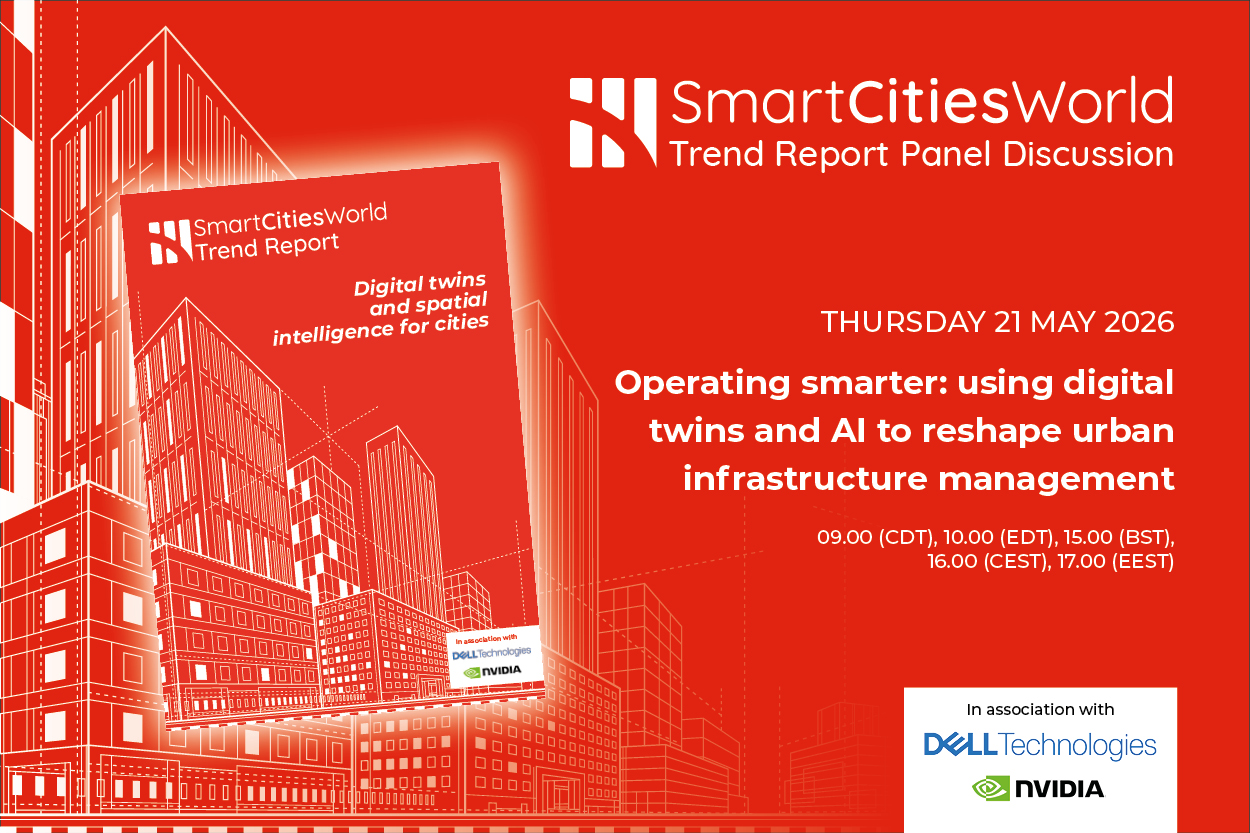



Discover how AI-powered digital twins are transforming urban infrastructure and how these innovations can improve efficiency, resilience, and sustainability.
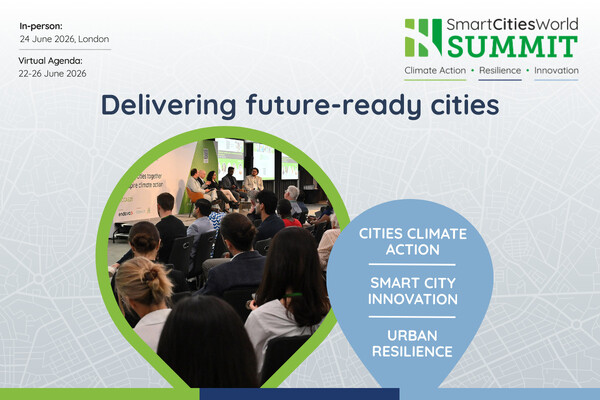
As cities confront the combined pressures of climate change, infrastructure resilience and digital transformation, the SmartCitiesWorld Summit 2026 will bring together urban leaders and partners during London Climate Action Week to explore how these agendas intersect – and how cities can translate strategy into practical action.
The SmartCitiesWorld Summit, which takes place 26-27 June, will act as a call to action for cities to make the transformation of the built environment a central part of their climate action strategies.
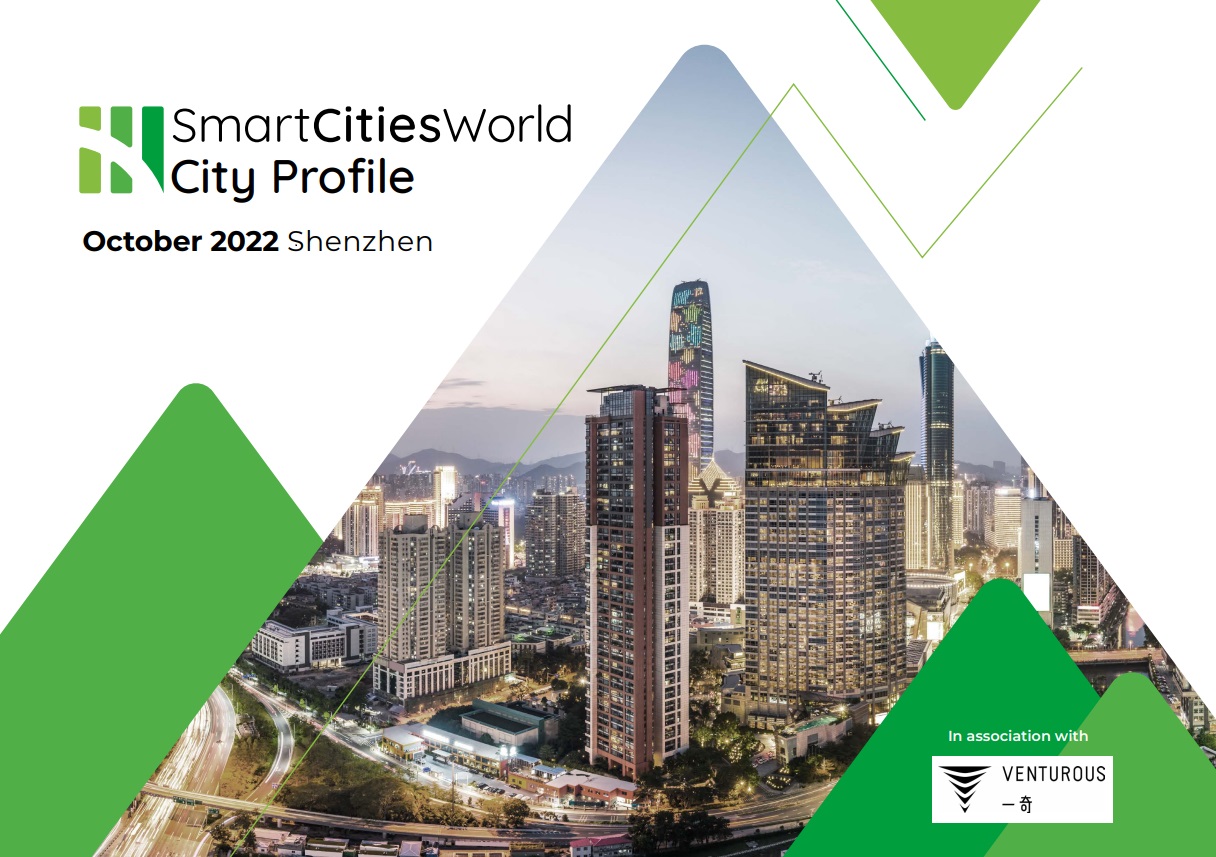
SmartCitiesWorld City Profiles explore the city of Shenzhen, designated as China’s first special economic zone and a role model of urban modernisation. Find out more about Shenzhen’s smart city strategy in this 16-page report.

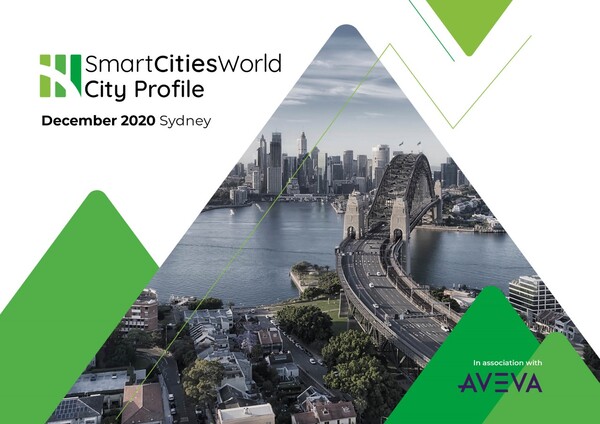
In 2020, the City of Sydney released a Smart City Strategic Framework to harness the opportunities brought about by digital disruption, to plan for uncertainty and to sustain a global reputation as a leading place to live, work, learn and visit.
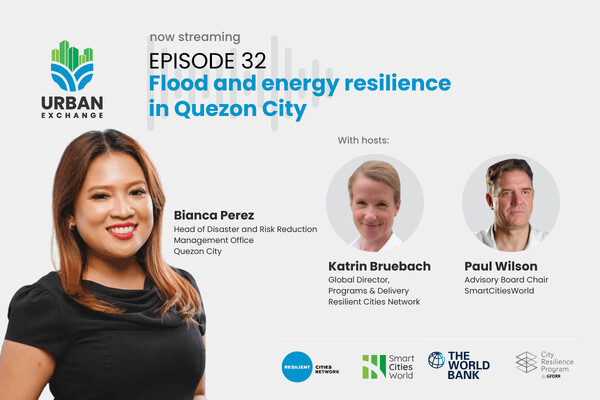
Tune in for the latest Urban Exchange where we get a first-hand account of city resilience measures from Quezon City following unexpected extreme rainfall.
SmartCitiesWorld speaks with Bentley Systems leaders about unleashing AI and digital twins to drive innovation, resilience, and people-first progress in the world’s cities.
ST Engineering’s Richard Ng explains how integrated smart city platforms can support cities in becoming more sustainable and efficient at the scale that is right for them.
Digital Leaders CEO Giuliano Liguori highlights Italy as an example and warning that pushing ahead with smart city plans should ensure access for the worst off, on an individual and municipal level, as top priority.
Find out how the island city-state of Singapore is further building its reputation as one of the smartest nations in the world in the latest SmartCitiesWorld City Profile.
Explore the transition from smart to cognitive cities, and how the advancement of AI – from computer vision, to generative AI, to agentic AI – is enabling more efficient, effective local government operations.
Discover how cities can utilise connected transport infrastructure to improve operational performance, passenger experience, and response times across urban mobility systems.
Tune in for the latest Urban Exchange where we get a first-hand account of city resilience measures from Quezon City following unexpected extreme rainfall.
Our editorial newsletter pulls together our latest news items into one email, direct to your inbox. We also feature our latest city interviews, Special Reports and Guest Opinions.
The Parking Scorecard analyses more than 120 downtown areas across North America and Europe, comparing parking availability, prices and kerb use policies.
By leveraging AI, lidar technology, and comprehensive analytics, Outsight and GridMatrix aim to set a new standard for traffic management and city planning.
LidarSwiss will deploy Cepton’s lidar solution for high-fidelity and smart analytics on the fly in a range of applications including smart city and digital twin use cases.
University of Central Florida is launching the master’s level course to meet the growing workforce demand for engineers and planners with urban tech expertise.
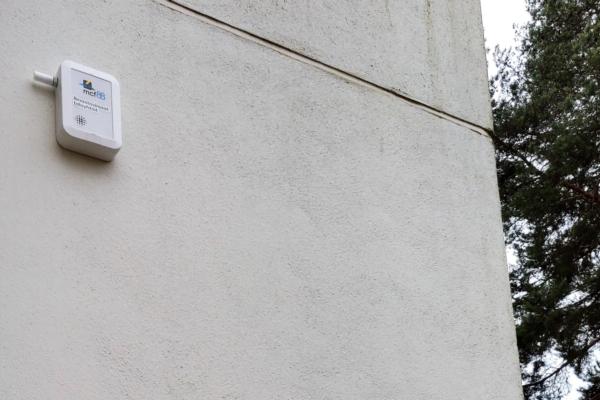
Housing companies in the Finnish cities are piloting an IoT-based solution to reduce energy consumption as well as increase awareness of residents’ data rights.
IDC has opened its nominations for its annual awards, which recognise private or public sector organisations judged to have excelled across 12 functional e-service areas
Smart city is the framework based on Information and Communication technologies that enable the development of sustainable practices to address the urbanisation challenges. Leveraging the technology is one of the foremost pillars of ‘smart cities’ in order to increase efficiencies and improve the quality of resident’s life and the city’s services.
Gareth Morgan, executive director of future planning and resilience for the City of Cape Town, joins the Urban Exchange to talk about his efforts to put resilience front and centre of all aspects of the city’s work.
The company will build and operate a smart city platform with citywide network connectivity for the Qatar city using advanced AI and data-driven technologies.
Netmore’s LoRaWan IoT connectivity will be added to 27,000 apartments across Stockholm, Malmö and Gothenburg to improve energy efficiency and operations.
Bayanat and Oxa are forming a strategic partnership to advance the development and deployment of autonomous vehicle solutions in the UAE and beyond.
SmartCitiesWorld Newsletters (Daily/Weekly)
Our editorial newsletter pulls together our latest news items into one email, direct to your inbox. We also feature our latest city interviews, Special Reports and Guest Opinions.
Find out how the island city-state of Singapore is further building its reputation as one of the smartest nations in the world in the latest SmartCitiesWorld City Profile.
Explore the transition from smart to cognitive cities, and how the advancement of AI – from computer vision, to generative AI, to agentic AI – is enabling more efficient, effective local government operations.
Discover how cities can utilise connected transport infrastructure to improve operational performance, passenger experience, and response times across urban mobility systems.
Tune in for the latest Urban Exchange where we get a first-hand account of city resilience measures from Quezon City following unexpected extreme rainfall.
Our editorial newsletter pulls together our latest news items into one email, direct to your inbox. We also feature our latest city interviews, Special Reports and Guest Opinions.
SmartCitiesWorld City Profiles explore the city of Shenzhen, designated as China’s first special economic zone and a role model of urban modernisation. Find out more about Shenzhen’s smart city strategy in this 16-page report.