








 22 - 26 June 2026: Find out more



BUILD YOUR OWN
RESOURCE LIBRARY



Opinions
Smart lighting: enabling smart cities beyond illuminationSponsored by Paradox Engineering

How AI and biometrics are shaping next-generation mobility paymentsSponsored by ST Engineering
Denver to launch renewable natural gas facility
It is working with WM to develop the plant that will refine almost all of the landfill gas at Denver municipal landfill and produce pipeline-quality gas.


 At a glance
Who: Denver Department of Public Health & Environment; WM (Waste Management); and Denver Arapahoe Disposal Site.
What: The parties are collaborating on what claims will be Colorado’s largest Renewable Natural Gas (RNG) facility, which will capture and refine almost all of the landfill gas at Denver municipal landfill, removing carbon dioxide and other impurities to produce pipeline-quality gas and clean, usable energy.
Why: It forms part of Denver’s commitment to sustainability, air quality and climate action and will enable the transition to clean, renewable energy, while also supporting innovation and economic growth. The project is also expected to help cut emissions of ozone precursors and other pollutants, therefore helping improve regional air quality.
When: Construction is expected to begin in late 2026 with the facility projected to be operational in 2027.
The Denver Department of Public Health & Environment and WM (Waste Management) are collaborating to develop Colorado’s largest Renewable Natural Gas (RNG) facility at the Denver Arapahoe Disposal Site (DADS) landfill.
The project marks a major milestone in Denver’s commitment to sustainability, air quality and climate action.
Growing network of RNG plants
The facility will be the first landfill gas-to-RNG plant in Colorado, joining a growing network of more than 536 RNG plants across North America. While other RNG facilities in the state process wastewater or agricultural waste, this will be the first to convert landfill gas into clean, usable energy.
“Denver is confronting the climate crisis head-on,” said mayor Mike Johnston. “This is a bold example of how we can move aggressively toward clean, renewable energy, while also supporting innovation and economic growth for a cleaner, more vibrant Denver.”
Denver City Council voted to approve an agreement for WM to finance, build, and operate the facility. In exchange, the city will receive a royalty payment on revenue generated.
Read More
Landfills naturally produce landfill gas as organic waste breaks down. Currently at Denver’s municipal landfill, about a third of its landfill gas is captured and converted to electricity. The remaining landfill gas is “flared,” or burned off, in accordance with air permitting guidelines.
The new RNG facility will instead capture and refine almost all of the landfill gas at Denver municipal landfill, removing carbon dioxide and other impurities to produce pipeline-quality gas that is nearly chemically identical to fossil natural gas but with a significantly lower carbon footprint.
“WM is proud to help expand renewable energy in the Denver area and Colorado as part of our long-term sustainability strategy,” said David Brannon, area vice president, WM Four Corners. “This project can help provide a local, sustainable energy source for our local communities. We are grateful to state and local officials for their collaboration and commitment in making this project a success.”
“This is a bold example of how we can move aggressively toward clean, renewable energy, while also supporting innovation and economic growth for a cleaner, more vibrant Denver”
By reducing the need for flaring, the project is expected to help cut emissions of ozone precursors and other pollutants, therefore helping improve regional air quality.
This project is a key component of Denver’s broader climate strategy and a model for regional collaboration. By transforming waste into renewable energy, the RNG facility will help Denver and its neighbouring communities move toward cleaner air, reduced greenhouse gas emissions and a more sustainable energy future.
Construction is expected to begin in late 2026 with the facility projected to be operational in 2027.
The City and County of Denver owns the Denver Arapahoe Disposal Site (DADS) and has contracted with WM for landfill operations since 1990. Together, Denver and WM have invested in projects that ensure DADS is a leader in landfill sustainability efforts, including the adjacent community solar gardens, a mixed recycling facility and expanded composting and asphalt and concrete recycling.
Why not try these links to see what our SmartCitiesWorld AI can tell you.
(Please note this is an experimental service)
How will the RNG facility reduce emissions of ozone precursors?What processes remove impurities to produce pipeline-quality gas?How does landfill gas-to-RNG conversion support Denver’s climate goals?What economic benefits will the RNG project bring to Denver?How will the RNG plant improve regional air quality and sustainability?
Latest City Profile
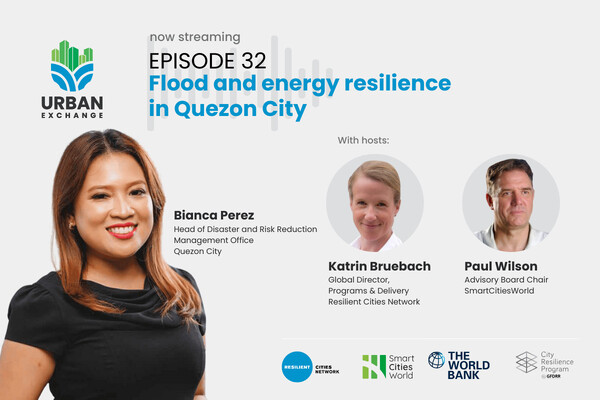
Latest Urban Exchange Podcast
SmartCitiesWorld Newsletters (Daily/Weekly)
You may also like these related articles...
BECOME A MEMBER
© 2026 SmartCitiesWorld
Smart Cities World Ltd, 27 Clements Lane, London, EC4N 7AE