












 Find out more






BUILD YOUR OWN
RESOURCE LIBRARY



Podcasts

Podcast: Using mobility data to shape the future of citiesSponsored by TomTom

Podcast: Building resilient cities: trustworthy AI, digital twins, and urban innovation at YII 2025Sponsored by Bentley Systems
Opinions
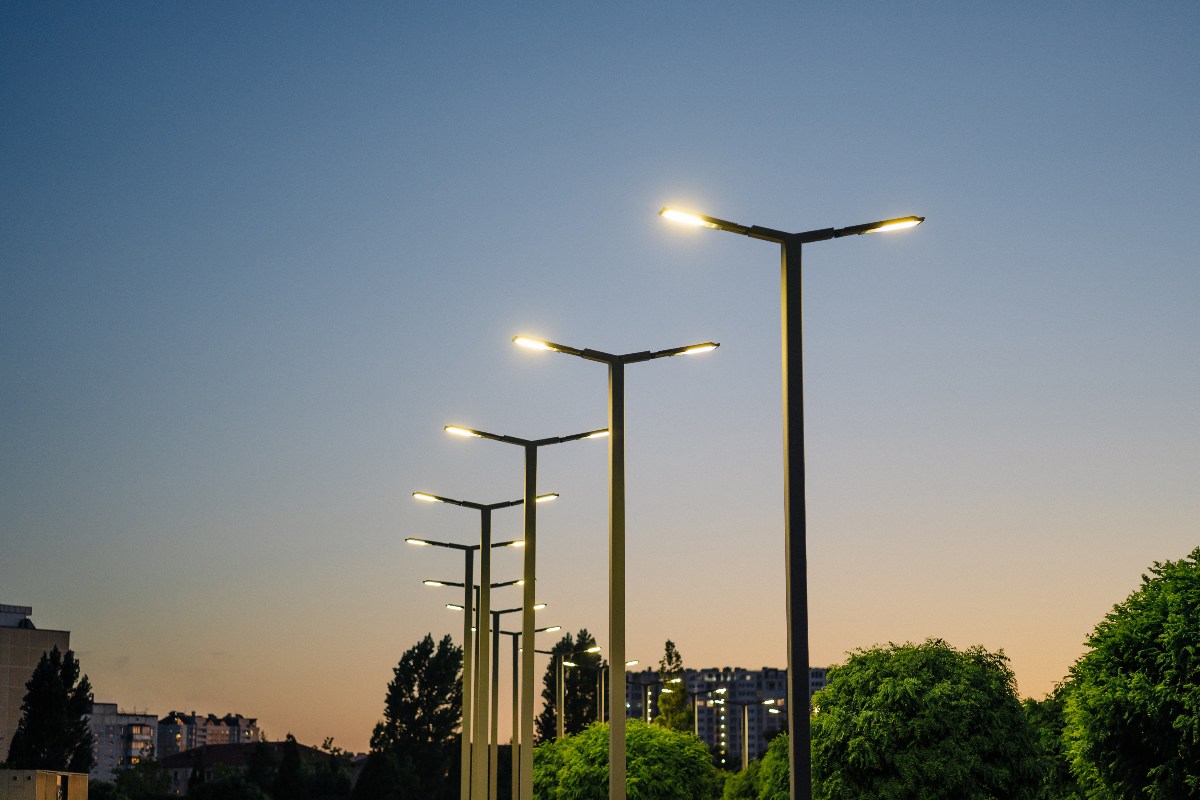
Smart lighting: enabling smart cities beyond illuminationSponsored by Paradox Engineering

How AI and biometrics are shaping next-generation mobility paymentsSponsored by ST Engineering
Renewable heat project funding boost for England
Projects will enable public and private sector bodies to harness waste heat from sources such as rivers, data centres and sewage works to strengthen resilience.


 At a glance
Who: Green Heat Network Fund (GHNF)/Triple Point Heat Networks Investment Management.
What: Eight renewable heat projects will receive a share of £68m from the Green Heat Network Fund, supporting public and private sector bodies to install low carbon heating and hot water systems for buildings across England. The projects will harness waste heat from natural and man-made sources such as rivers, data centres, sewage works – and more.
Why: The projects help to lower the carbon footprint of buildings, create green jobs, lower bills for consumers and strengthen long-term resilience.
Where: Projects are based across England in Barking, Camden, Islington, Milton Keynes, Oldham, Stockport, Suffolk, and Tyseley.
Eight renewable heat projects across England are receiving a share of £68m from the Green Heat Network Fund (GHNF) from Triple Point Heat Networks Investment Management.
The projects will enable public and private sector bodies to harness waste heat from rivers, data centres, sewage works – and more – strengthening long-term resilience and supporting modern, low carbon heating and hot water for buildings across the country.
Harnessing waste heat
The awards build on more than £500m support already allocated by the GHNF. Combined, these schemes are expected to unlock over 4.7 million tonnes worth of carbon savings across England.
“By harnessing waste heat from rivers, sewers and data centres, these innovative projects can play a key role in our mission to reach clean power by 2030,” said Martin McCluskey, minister for energy consumers.
“Heat networks provide low-carbon, low-cost heating systems of the future, boosting growth and supporting businesses and building owners for years to come, helping drive down their bills.”
The organisations receiving funding through the GHNF today are:
- £3.9m to Hemiko for the Tyseley heat network
- £14.65m to Stockport Metropolitan Borough Council for the Stockport district heat network
- £3m to Camden Council for the Maiden Lane heat network in King’s Cross
- £8.8m to Oldham Metropolitan Borough Council for the Oldham low-carbon heat network
- £1.1m to the London Borough of Islington for the Bevin Court heat network
- £17.6m to 1Energy for the Milton Keynes Energy Network (MKEN)
- £9.1m to L&Q Energy, for the Barking Riverside heat network
- £9.8m to Suffolk County Council for the Ipswich district heat network.
“A heat network sector that has the potential to attract £100bn of inward investment will deliver huge benefits to the UK economy and lower the cost of the transition for all,” said Ken Hunnisett, head of clean heat at Triple Point.
Read More
“The greatest benefit will be seen in the places where the networks are being developed, however. It’s those communities that will benefit from the lion’s-share of good quality long-term green jobs that infrastructure investment at this scale will unlock and from cleaner air as we consign gas boilers to the history books.
“As such, today’s announcement is good news for Triple Point, good news for DESNZ and good news for UK PLC…but brilliant news for the people of Barking, Camden, Islington, Milton Keynes, Oldham, Stockport, Suffolk, and Tyseley.”
“By harnessing waste heat from rivers, sewers and data centres, these innovative projects can play a key role in our mission to reach clean power by 2030”
The Green Heat Network Fund (GHNF) is a multi-year, capital grant fund that opened to applicants in March 2022 and is anticipated to run to 2030. It provides support to organisations in the public, private, and third sectors in England.
The GHNF is a key part of plans to reduce carbon emissions from heating homes and businesses by 2050. The scheme will also play a key role in progressing projects located in heat network zones, areas where the Government has identified heat networks as offering the lowest cost, low carbon heating option.
For more information about Triple Point Heat Networks Investment Management, applying for GHNF support, and successful projects under GHNF and HNIP, visit www.tp-heatnetworks.org.
Why not try these links to see what our SmartCitiesWorld AI can tell you.
(Please note this is an experimental service)
How does harnessing waste heat reduce carbon emissions in buildings?What role do heat networks play in lowering consumer energy bills?Which sources of waste heat are most effective for renewable projects?How will GHNF funding support green job creation in local communities?What are the long-term resilience benefits of low carbon heat networks?
Latest City Profile
Latest Special Report
SmartCitiesWorld Newsletters (Daily/Weekly)
You may also like these related articles...
BECOME A MEMBER
© 2025 SmartCitiesWorld
Smart Cities World Ltd, 27 Clements Lane, London, EC4N 7AE