














 22 - 26 June 2026: Find out more












BUILD YOUR OWN
RESOURCE LIBRARY



Mutirão programme fast-tracks climate action in Brazilian cities
First cohort of cities and states will receive support from C40 Cities and the Global Covenant of Mayors to deliver implementation-ready climate initiatives by 2027.


 At a glance
Who: C40 Cities; Global Covenant of Mayors for Climate & Energy (GCoM); Bloomberg Philanthropies.
What: C40 Cities and GCoM announced the first 34 cities and two states in Brazil selected to receive technical and finance-structuring support for climate action projects under the Brazil Mutirão programme.
Why: To support the cities and regions to develop climate projects primarily focused on electric mobility, sustainable mobility and organic waste management.
When: The aim is to deliver implementation-ready climate initiatives by 2027.
C40 Cities and the Global Covenant of Mayors for Climate & Energy (GCoM) announced the first 34 cities and two states in Brazil selected to receive technical and finance-structuring support for climate action projects under the Brazil Mutirão programme.
The selected projects focus primarily on urban mobility, waste management, and climate budgeting, with 11 cities in the Amazon region, underscoring its central role in Brazil’s climate agenda following Cop30.
Turn climate ambition into action
Six of these Amazonian cities will also receive support to develop climate action plans. Supported by Bloomberg Philanthropies, the Brazil Mutirão programme aims to help local governments turn climate ambition into action by mobilising technical expertise, strengthening institutional coordination, and improving cooperation between Brazil’s national government and local governments to deliver high-impact solutions.
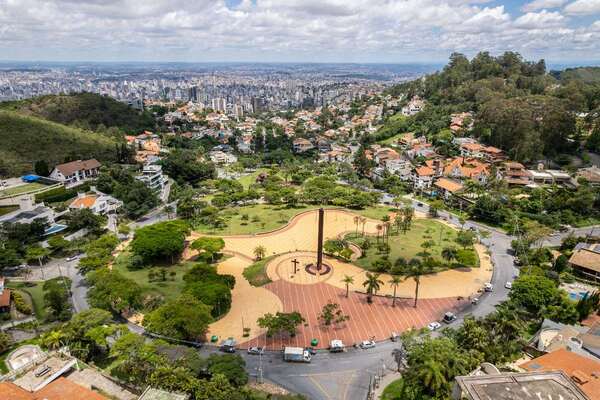
Overall, the programme seeks to reflect the diversity of Brazil’s territory, bringing together cities of different sizes and all geographic regions, spanning 19 states across the country. Among the selected cities are Curitiba, Rio de Janeiro, São Paulo, Salvador, Fortaleza, Belo Horizonte, and Belém, host of Cop30 last year. Two states were also selected: Pernambuco and Rio Grande do Sul.
“By bringing together mayors, national institutions, and global partners, Brazil is demonstrating how collaborative governance can accelerate climate action at scale and more: creating a model that other countries can follow”
The first cities and regions announced will develop climate projects primarily focused on electric mobility, sustainable mobility and organic waste management.
Programme initiatives include:
- Revitalisation and pedestrianisation of Belém’s historic commercial centre through the Belo Centro urban mobility project
- Electrification of Belo Horizonte’s bus system with the deployment of 100 electric buses and charging infrastructure
- Composting initiatives in Curitiba and the Amazonian city of Ananindeua expected to reduce around 5,000 tons of CO₂e methane emissions annually
- A food waste reduction initiative in the state of Rio Grande do Sul that will expand food bank refrigeration and processing capacity, preventing more than 240 tons of edible food waste per year.
Across all announced projects, according to GCoM and C40, cities and regions are expected to deliver significant climate and urban development outcomes. Urban mobility initiatives include the deployment of approximately 600 electric buses, at least three charging terminals, more than 200km of cycling infrastructure, 16km of dedicated bus lanes, nine complete streets or urban parks, and the revitalisation of at least three neighbourhoods.
Meanwhile, waste management projects are expected to enable the treatment of approximately 20,000 tons of organic waste per year, potentially avoiding up to 35,000 tons of CO₂e in methane emissions annually.
Read More
Eleven cities in the Amazon region are participating in the Brazil Mutirão programme, reflecting the region’s strategic importance for Brazil’s climate agenda and Cop30’s legacy. The programme combines support for climate planning with the development of concrete implementation-ready projects.
Six cities – Barcarena, Altamira, Cáceres, Boa Vista, Parintins, and Rio Branco – will receive support to strengthen local climate governance and develop climate action plans, helping municipalities build the institutional capacity needed to address climate risks while advancing sustainable urban development.
By combining planning with implementation support, the Mutirão programme strengthens the role of Amazonian cities as key actors in protecting the region’s ecosystems while improving residents’ quality of life. Protecting the forest also depends on resilient, sustainable cities, where climate planning, infrastructure investment, and inclusive development reduce vulnerability to floods, droughts, and extreme climate events.
“Climate action moves faster and delivers greater impact when national and local governments work together. The Brazil Mutirão programme shows how multilevel partnerships can turn ambition into implementation by equipping cities and regions with the tools, data, and financing pathways they need to deliver solutions on the ground,” said Andy Deacon, co-managing director of GCoM and managing director multi-level partnerships.
“By bringing together mayors, national institutions, and global partners, Brazil is demonstrating how collaborative governance can accelerate climate action at scale and more: creating a model that other countries can follow.”
“The Brazil Mutirão programme shows how multilevel partnerships can turn ambition into implementation by equipping cities and regions with the tools, data, and financing pathways they need to deliver solutions on the ground”
The Brazil Mutirão programme is a national initiative led by C40 Cities and the Global Covenant of Mayors for Climate & Energy (GCoM), with support from Bloomberg Philanthropies, to accelerate the implementation of urban climate solutions across Brazil.
Launched in November 2025 at the Cop30 Local Leaders Forum in Rio de Janeiro, the programme mobilises technical expertise, institutional coordination, and strategic partnerships to help cities move from climate ambition to implementation-ready projects.
Following a highly competitive selection process that received more than 150 proposals from across the country, the Brazil Mutirão programme is expected to support more than 50 cities and states. The National Front of Mayors (FNP) serves as the facilitating partner, ensuring coordination with municipal leaders and national government ministries.
The full list of cities and regions can be found at C40 Cities.
Why not try these links to see what our SmartCitiesWorld AI can tell you.
(Please note this is an experimental service)
How can cities scale electric bus deployment to 600 vehicles by 2027?What financing structures enable municipal composting facilities treating 20,000 tons annually?How should multilevel governance coordinate national and local climate investments effectively?Which design interventions best revitalise and pedestrianise historic commercial centres?How can Amazonian cities integrate climate action planning to reduce forest vulnerability?air qualityclimate actionClimate change/ResilienceConnectivity & DataCOP30economic developmentelectric vehiclesEnergy & EnvironmentGovernance and CitizenmobilityPedestrianisationPeople and SkillsPlanningPublic-private partnershipsRecreational spaceurban spacewaste

Latest City Profile
Latest Summit Speakers
(22-26 June)
Latest Urban Exchange Podcast
Latest Special Report
SmartCitiesWorld Newsletters (Daily/Weekly)
You may also like these related articles...
BECOME A MEMBER
© 2026 SmartCitiesWorld
Smart Cities World Ltd, 37 Lombard Street, London, EC3V 9BQ