












 22 - 26 June 2026: Find out more




BUILD YOUR OWN
RESOURCE LIBRARY



Podcasts

Cities Thriving on Lighting, Episode 2 – Simplicity by design in smart lightingSponsored by Paradox Engineering

Cities Thriving on Lighting, Episode 1 – Lighting as the backbone of the smart citySponsored by Paradox Engineering
Opinions

Transforming indoor public safety with smart sensor networksSponsored by Motorola Solutions
Fully autonomous vehicles could unlock $18.7bn for GCC region
Report highlights how robo-taxis, robo-shuttles, robo-buses, and drones will redefine mobility in major cities, making autonomous transport accessible to all.


The global market for fully autonomous vehicles (FAVs) could be worth $182bn by 2035, generating nearly $19bn in the Gulf Cooperation Council region alone, according to a report issued by Strategy& Middle East, part of the PwC network.
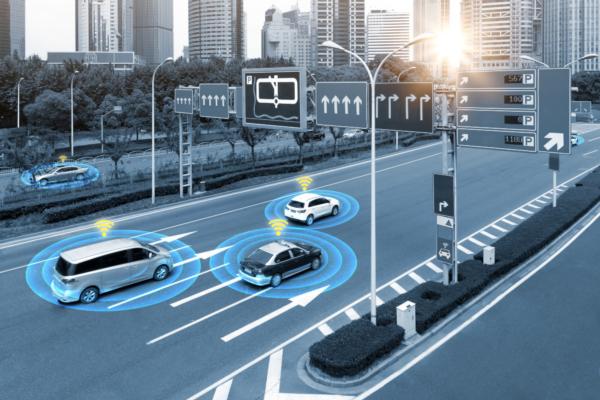
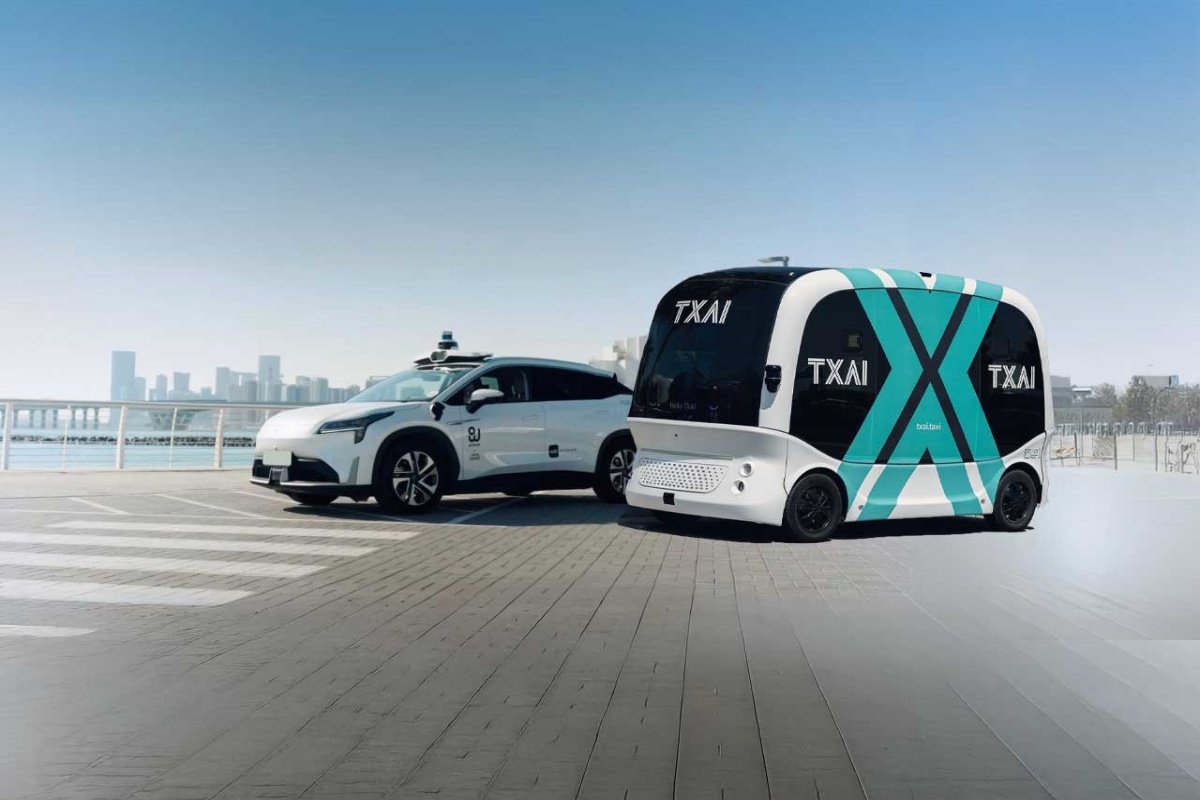
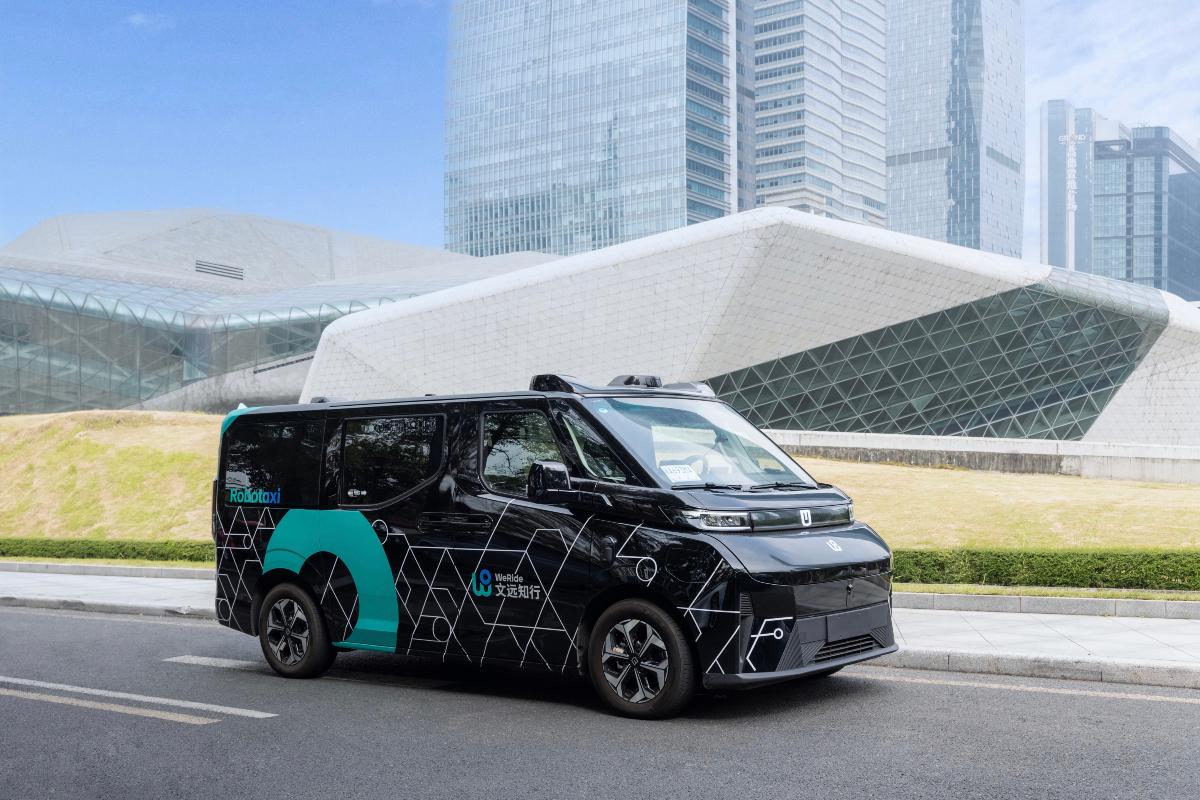
In particular, the report highlights that robo-taxis, robo-shuttles, robo-buses, and passenger drones have the potential to revolutionise transport across the region and redefine mobility in cities, making autonomous options accessible to all through fully automated, integrated, and demand-responsive networks.
The rise of robo-taxis
Within this shift, robo-taxis are expected to be the largest FAV segment, potentially creating a $10bn market in the GCC by 2035, around 18 per cent of the anticipated global market share.
The research points out that the region’s giga-projects – including Saudi Arabia’s Neom and the UAE’s smart city initiatives – are already embedding driverless technology into their plans, from dedicated autonomous lanes to new urban mobility hubs.
“Backed by ambitious visions and resources, the GCC is strongly positioned to seize a $19bn opportunity and set a global benchmark for autonomous mobility”
These are serving as effective sandboxes where regulators can pilot and refine autonomous systems more flexibly than in legacy cities. Expanding this approach across more countries in the region could further accelerate progress. With the backing of sovereign wealth funds and bold national development plans such as Saudi Vision 2030 and UAE Vision 2071, the GCC has the resources to bring autonomous vehicles to scale.
“Backed by ambitious visions and resources, the GCC is strongly positioned to seize a $19bn opportunity and set a global benchmark for autonomous mobility,” said Dr Andreas Gissler, partner at Strategy& Middle East.
Read More
“Achieving that goal will require coordinated regulation, infrastructure readiness, and above all, building public confidence in the technology – but the region has the means to deliver.”
The report identifies three tipping points that autonomous mobility must cross before widespread adoption:
- Readiness for pilot projects: where the technology proves itself in controlled conditions
- Commercial readiness: when systems can operate reliably in diverse, real-world scenarios and compete with existing alternatives – though government support remains crucial
- Readiness to scale: marked by full integration into the mobility ecosystem, broad user acceptance, and financial sustainability.
Mark Haddad, partner at Strategy& Middle East, said: “Relative to other markets, the GCC has a unique edge in autonomous mobility. With strong investment capacity, easier licensing pathways, and unrivalled testing grounds in its giga projects, the region can lead.
“The real challenge is moving beyond promising pilots to reliable, real-world deployment at scale. That will require not just innovation but government support, infrastructure readiness, and smart incentives.”
While the opportunity is immense, the report outlines important areas that must be strengthened for the region to unlock the full potential of FAVs. It emphasises that scaling success will hinge on enhanced coordination and the evolution of regulatory frameworks around safety, liability, and licensing. Public sentiment also plays a key role.
“The real challenge is moving beyond promising pilots to reliable, real-world deployment at scale. That will require not just innovation but government support, infrastructure readiness, and smart incentives”
The report also notes that regional infrastructure will need further development to support a fully operational FAV network. Some existing systems may require upgrades or repairs before new technologies can be introduced. There is also a possibility that early investments in infrastructure could be mismatched with future FAV requirements, leading to inefficiencies.
While the GCC has the financial capacity to support this transition, the report highlights the importance of long-term commitment and sustained funding to ensure progress in FAV deployment. Building public trust through reliable pilots, competitive pricing, and visible safety records is also important.
To build a leadership position, the study calls for comprehensive programme management that brings together governments, technology providers, and operators. Tailored pilot projects, regulatory sandboxes, and clear safety standards will be essential, alongside incentives and capital injections from national and sovereign wealth funds.
Why not try these links to see what our SmartCitiesWorld AI can tell you.
(Please note this is an experimental service)
How can robo-taxis transform urban mobility in GCC cities by 2035?What regulatory frameworks are essential for scaling autonomous vehicle deployment?How do giga-projects like Neom support autonomous vehicle technology testing?What infrastructure upgrades are needed to support fully autonomous vehicle networks?How can public trust in autonomous vehicles be effectively built and maintained?
Latest City Profile
Latest Urban Exchange Podcast
Latest Special Report
SmartCitiesWorld Newsletters (Daily/Weekly)
You may also like these related articles...
BECOME A MEMBER
© 2026 SmartCitiesWorld
Smart Cities World Ltd, 37 Lombard Street, London, EC3V 9BQ