







 22 - 26 June 2026: Find out more

BUILD YOUR OWN
RESOURCE LIBRARY



Podcasts
Cities Thriving on Lighting, Episode 2 – Simplicity by design in smart lightingSponsored by Paradox Engineering
Cities Thriving on Lighting, Episode 1 – Lighting as the backbone of the smart citySponsored by Paradox Engineering
Opinions

Transforming indoor public safety with smart sensor networksSponsored by Motorola Solutions
Navigating the future: the evolution of urban transportation
Liz St Louis, director of smart cities and enabling services at Sunderland City Council, explores how advancements in transportation are set to revolutionise urban mobility and enhance the quality of life in cities the world over.


As cities evolve and populations grow, the future of transportation holds the promise of transformative change, offering unprecedented benefits to residents.
Sustainable solutions
The future of urban transportation is synonymous with sustainability. With growing concerns over environmental degradation and climate change, cities are increasingly adopting eco-friendly modes of transit such as electric vehicles, bicycles and public transport powered by renewable energy sources.
These sustainable solutions not only reduce carbon emissions, but also contribute to cleaner air and healthier communities. As a city, we are working towards a number of sustainable solutions across Sunderland to ensure residents, businesses and visitors have a variety of options available to them.
Our experience in developing next generation transport and logistics gained real traction back in 2022 with the 5G Connected and Automated Logistics (5G CAL) project, which came to successful completion in June 2022 after becoming the first in the UK to prove the delivery of zero emission automated logistics between automotive industry giants, Vantec and Nissan.
Self-driving vehicles
The emergence of autonomous vehicles represents a real shift in urban transportation. These self-driving cars, buses and shuttles offer the promise of safer, more efficient journeys, free from human error.
With advancements in artificial intelligence (AI) and sensor technology, self-driving vehicles have the potential to revolutionise the way we commute, providing on-demand mobility services and reducing the need for private car ownership.
Residents can look forward to convenient, affordable transportation options that seamlessly integrate into their daily lives.
Sunderland is leading the way as it embraced a new era of mobility with the arrival of the Sunderland Advanced Mobility Shuttle (SAMS) at the end of February, marking a significant milestone in the city’s journey towards self-driving transportation, as well as providing training opportunities and new cutting-edge skills.
As we navigate the road ahead, let’s embrace the possibilities of urban transportation and strive to build cities that are safer, greener and more accessible for generations to come
The SAMS project will trial three self-driving zero emission shuttles, designed specifically for SAMS by Aurrigo, which will transport passengers on public roads between Sunderland Interchange, the University of Sunderland City Campus and the Sunderland Royal Hospital.
As we strive for smarter, more efficient mobility solutions, SAMS represents a significant step forward in research and a proof of concept for self-driving vehicles operating on public roads.
Smart infrastructure
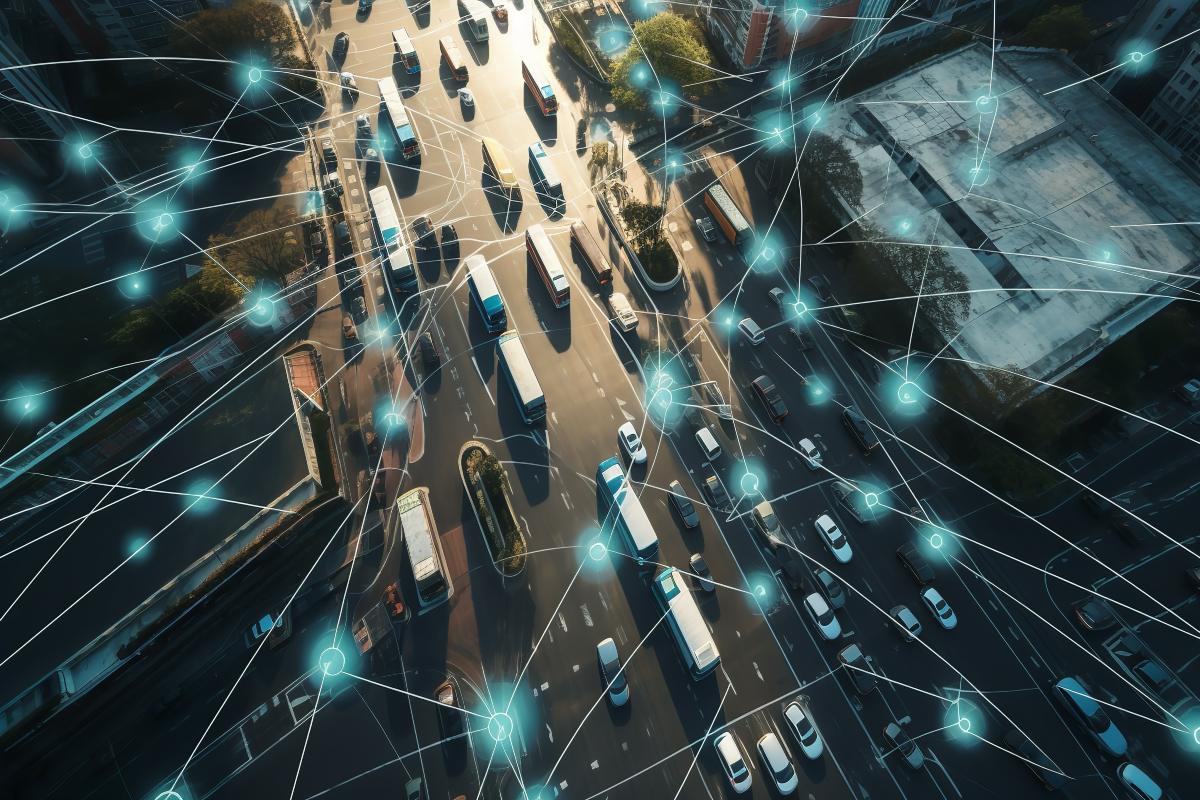
The integration of smart technology is reshaping the infrastructure of cities, paving the way for more efficient and interconnected transportation systems.
From intelligent traffic management systems to real-time data analytics, smart infrastructure optimises traffic flow, minimises congestion, and enhances overall safety on city streets. Residents can expect smoother commutes, reduced travel times and enhanced accessibility to various destinations.
Sunderland has positioned itself as a global leader by deploying a cutting-edge digital infrastructure, comprising an innovative network of networks, to deliver advanced digital and data solutions. This infrastructure is driving a variety of smart initiatives, positively impacting residents’ lives and enhancing the competitiveness of local businesses, contributing to the city’s comprehensive smart city vision.
Sunderland City Council awarded a 20-year strategic partnership to Boldyn Networks in September 2021, to design, build and operate next generation digital infrastructure, including private 5G small cell networks. This unique partnership is underpinning a complete transformation of the city, allowing Sunderland to be at the forefront of innovation and achieve true global competitiveness.
This in turn is providing a blueprint for other cities to leverage the power of digital transformation for a brighter and smarter future.
Multimodal connectivity
The future of transportation is multimodal, which means offering residents a diverse range of travel options tailored to their needs.
From traditional modes of transit like buses and trains to alternatives such as car or bike-sharing and emerging micromobility solutions, cities are embracing a holistic approach to mobility. By promoting seamless connectivity between different modes of transport, residents enjoy greater flexibility, convenience and accessibility when navigating urban environments.
Delivering real benefits to the logistics sector
The Cooperative Intelligent Transport System (CITS) project will focus on greenlight prioritisation (GLP) and be applied to the autonomous Sunderland Advanced Mobility Shuttle (SAMS) helping it adhere to its timetable, maximise battery length and deliver a sustainable service.
CITS 5G-enabled GLP can overcome existing network shortcomings by utilising characteristics of low latency, bandwidth slicing and being private can have coverage customised to the route.
Learning from this will be applied to a potential corridor from Nissan to Port of Tyne to deliver real benefit to the logistics sectors.
Enhanced quality of life
Ultimately, the future of transportation holds the promise of a higher quality of life for urban residents. By reducing traffic congestion, improving air quality and promoting active modes of travel, cities can become more liveable, vibrant and inclusive spaces.
Residents can benefit from reduced stress and travel times, increased physical activity, and enhanced access to employment, education and recreational opportunities.
As cities embrace sustainable, smart, and inclusive transportation solutions, they pave the way for a brighter, more equitable future for all.
By embracing innovative technologies, prioritising multimodal solutions, and fostering collaborative partnerships, cities can create transportation systems that enhance the wellbeing and prosperity of their residents.
As we navigate the road ahead, let’s embrace the possibilities of urban transportation and strive to build cities that are safer, greener and more accessible for generations to come.
Why not try these links to see what our SmartCitiesWorld AI can tell you.
(Please note this is an experimental service)
How do electric vehicles reduce urban carbon emissions and improve air quality?What technologies enable safe operation of autonomous shuttles on public roads?How does smart infrastructure optimize traffic flow and reduce congestion?In what ways does multimodal connectivity enhance urban mobility options?How can 5G-enabled logistics improve efficiency in automated delivery systems?congestionconnected and autonomous vehicleselectric vehicleslogisticsMicromobilitymobilitymobility-as-a-serviceRoadSunderland

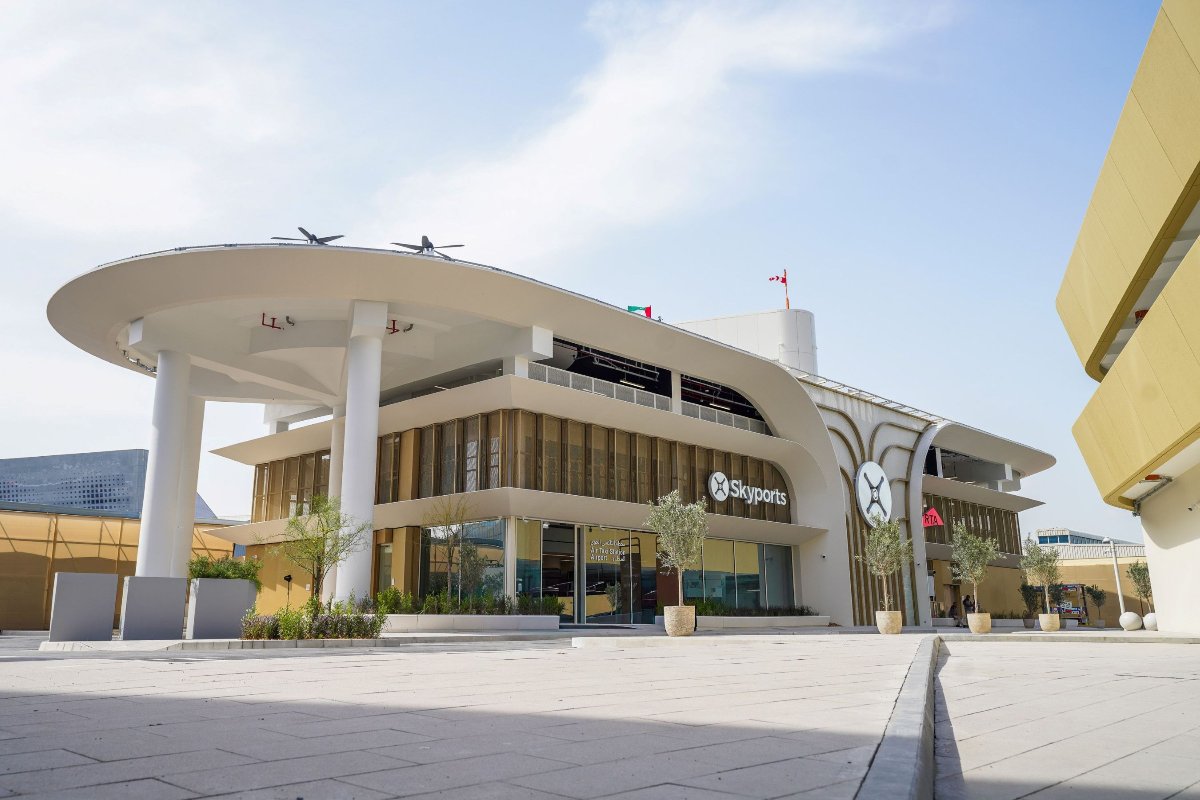
Latest City Profile
Latest Urban Exchange Podcast
Latest Special Report
SmartCitiesWorld Newsletters (Daily/Weekly)
You may also like these related articles...
BECOME A MEMBER
© 2026 SmartCitiesWorld
Smart Cities World Ltd, 37 Lombard Street, London, EC3V 9BQ