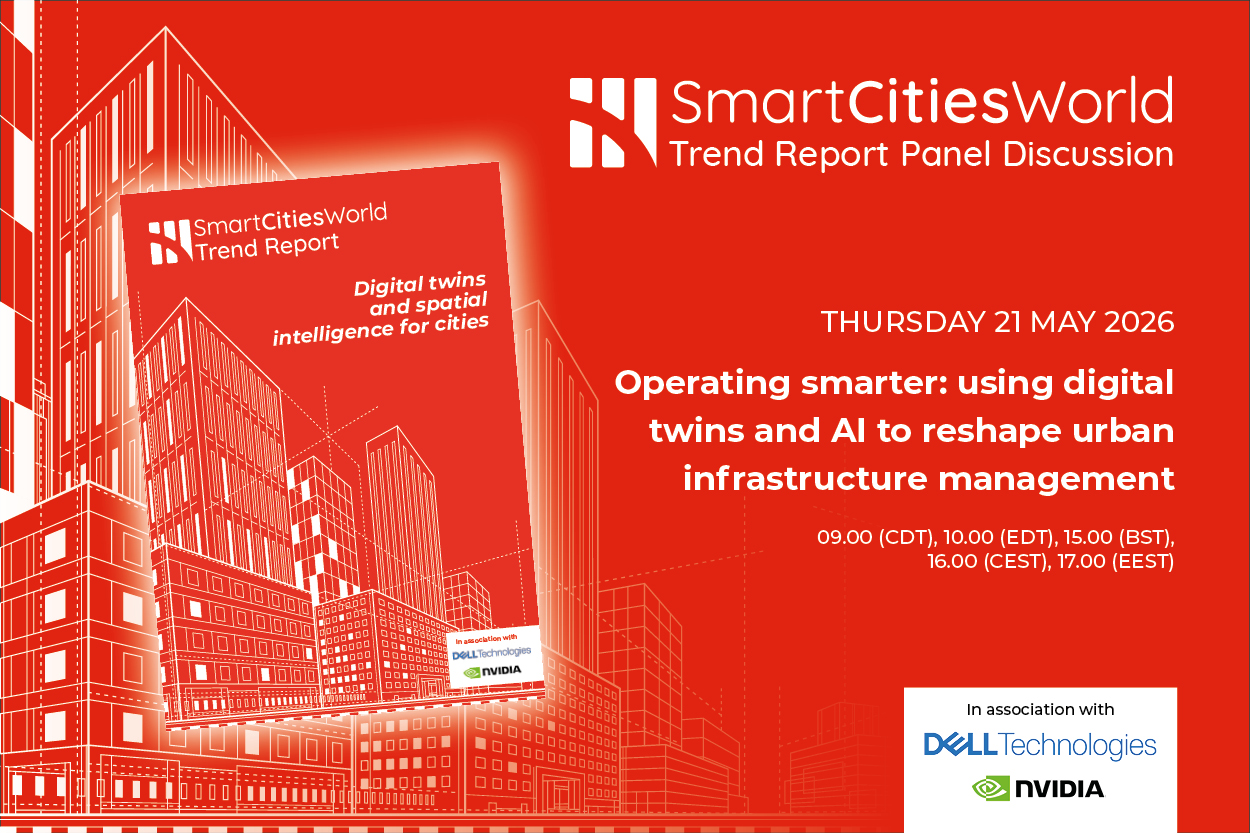







Discover how AI-powered digital twins are transforming urban infrastructure and how these innovations can improve efficiency, resilience, and sustainability.
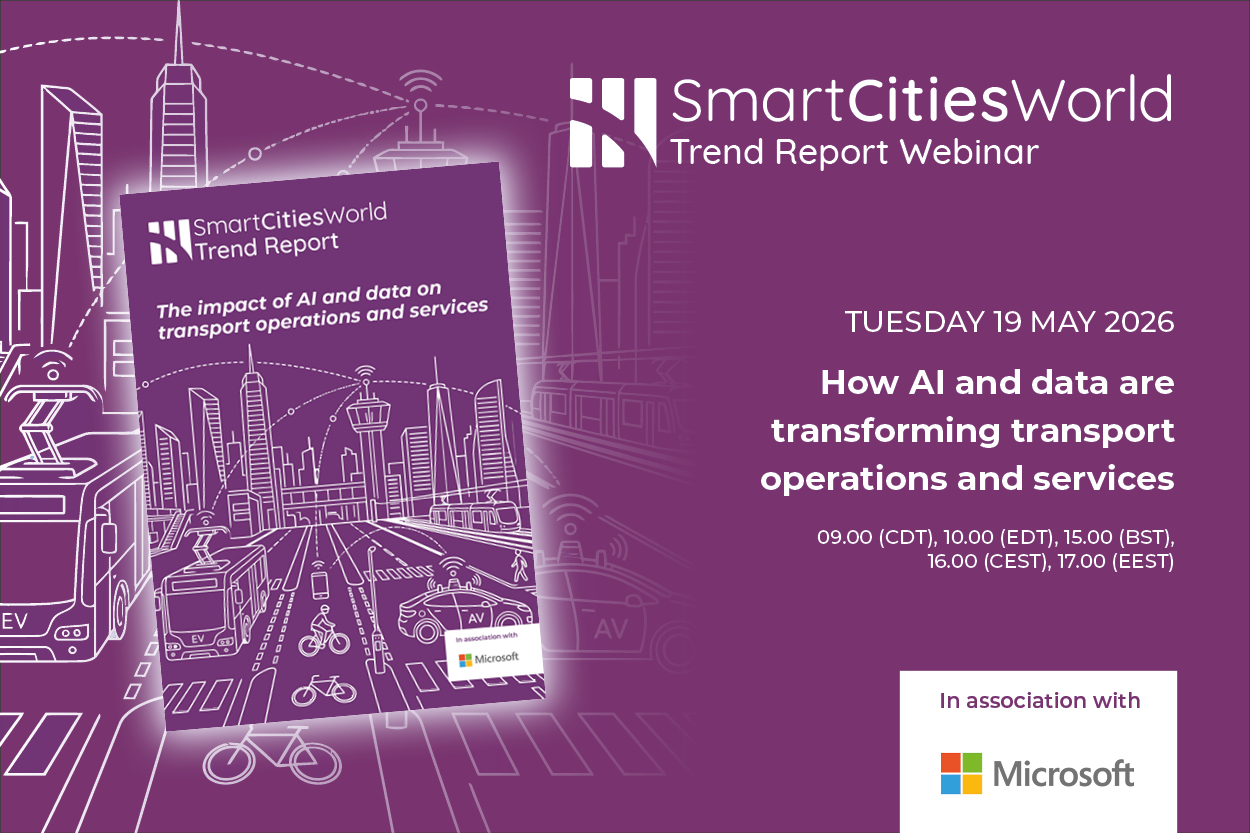
Explore how data and AI are being used in urban transport networks to support planning, day-to-day operations, and improve outcomes for communities and passengers.
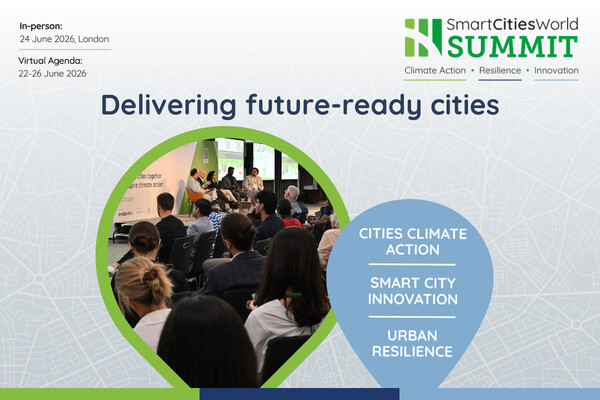
As cities confront the combined pressures of climate change, infrastructure resilience and digital transformation, the SmartCitiesWorld Summit 2026 will bring together urban leaders and partners during London Climate Action Week to explore how these agendas intersect – and how cities can translate strategy into practical action.
Find out how Sunderland is repositioning itself as a leading smart city – using digital infrastructure and low-carbon innovation to build a resilient, future-focused economy in the latest SmartCitiesWorld City Profile.
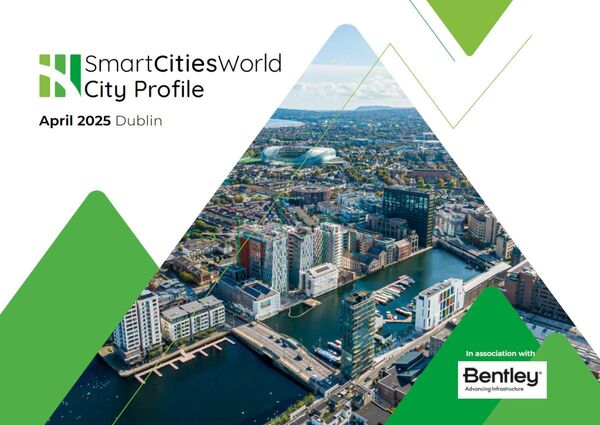
Find out how Dublin is innovating to improve experiences and services for its communities in the latest SmartCitiesWorld City Profile, including digital twin projects, traffic reduction, and economic growth.
Tune into the SmartCitiesWorld podcast to understand the world of sovereign AI for cities, featuring PNY Technologies’ Youssef Nadiri as our expert guest.
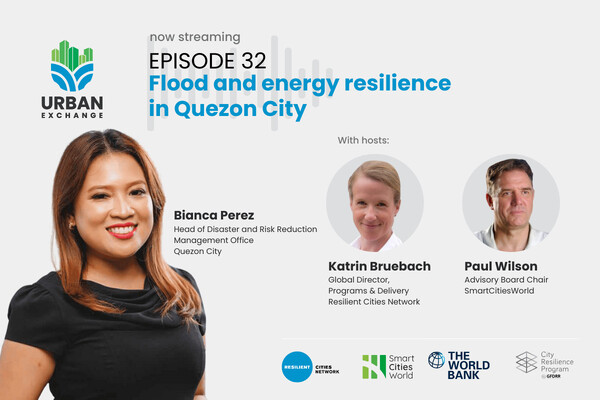
Tune in for the latest Urban Exchange where we get a first-hand account of city resilience measures from Quezon City following unexpected extreme rainfall.
How smart sensor networks can help improve indoor safety by detecting risks early, improving situational awareness and supporting healthier, more secure and sustainable buildings.
Gareth Tang, President of Urban Solutions at ST Engineering, explains how urban AI applications are set to evolve, detailing projects where AI is already making significant impact.
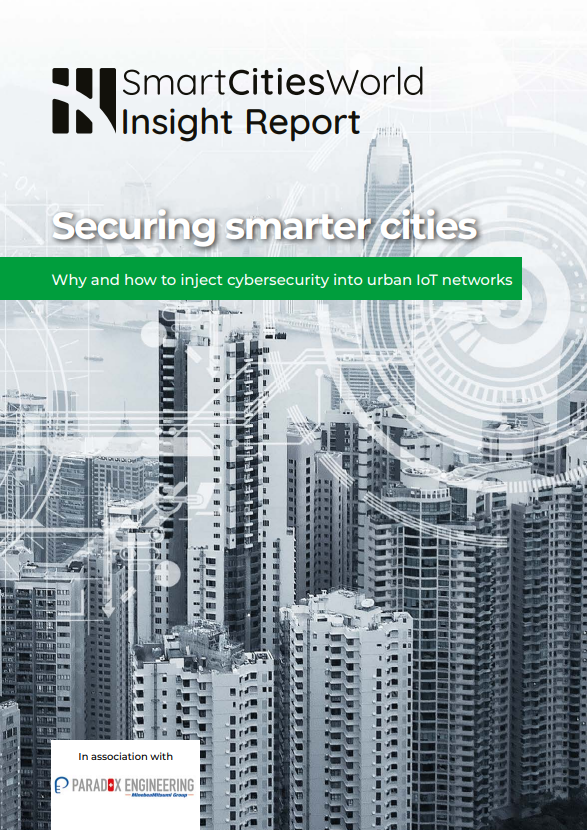
Why and how cities must focus on cybersecurity from the inception through to the ongoing management of their smart applications and ensure they are 100 per cent cybersecurity aware.
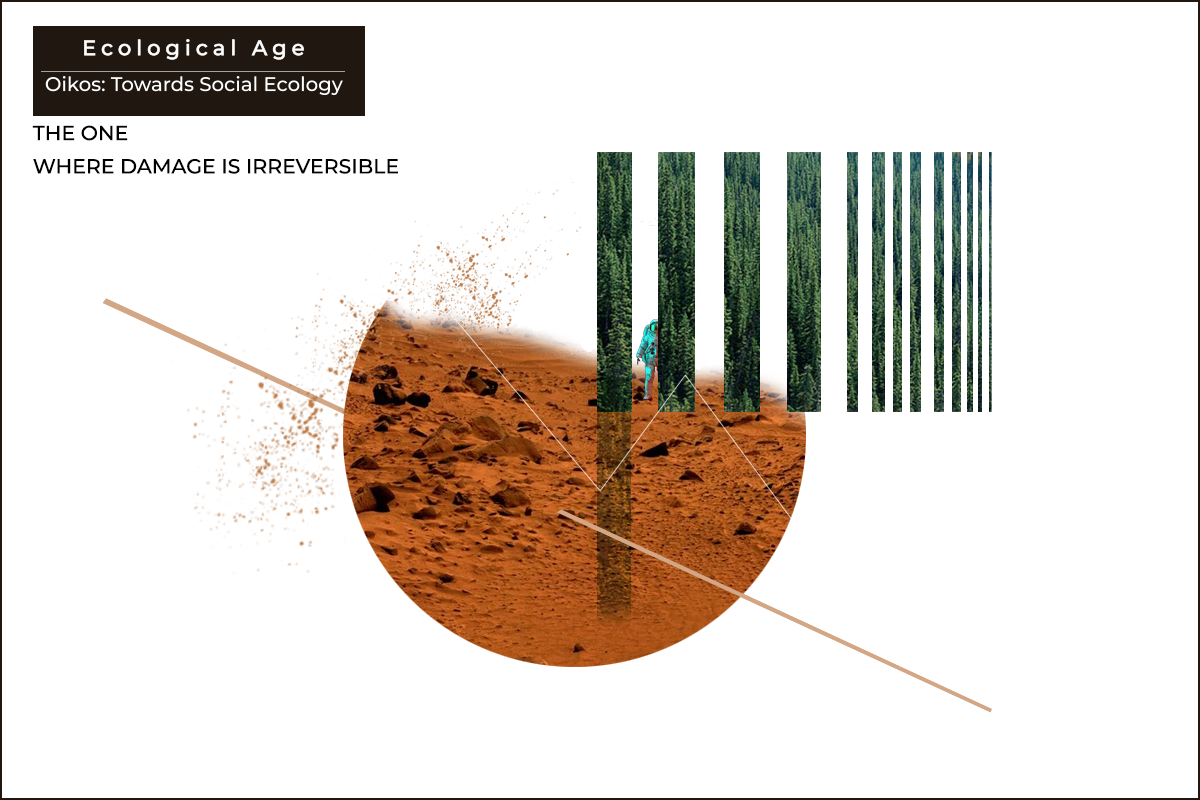
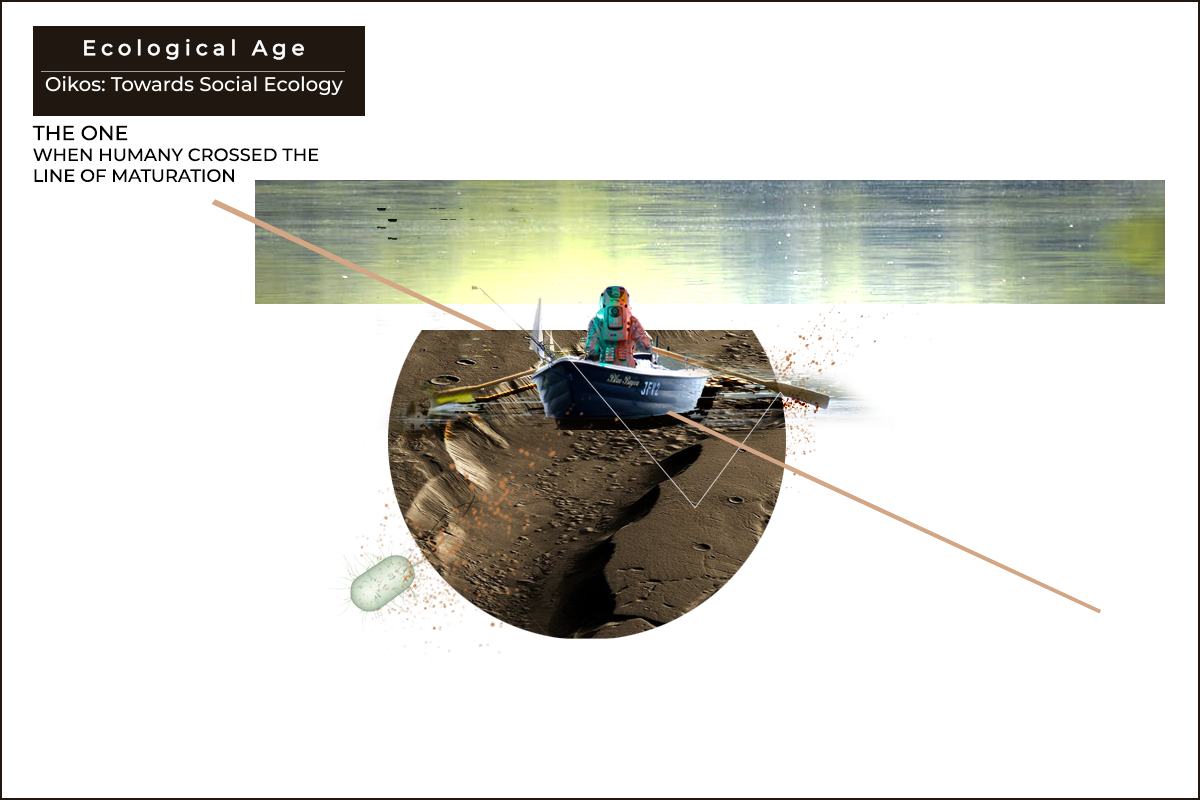
From that cycle of life, from the bacteria to us, development led to independence and a tipping point where it is more energy efficient to share and collaborate with other species. Humanity crossed that line of maturation as soon as tribes built their first cities collectively and as soon as the trade of goods started.
The ecological damage done by our society is a direct explanation of the harm done to humanity. More than ever, we are aware of the massive human destruction of nature. Witnessing the hottest three years on record, 2020-21 is the ‘wakeup’ call to consider humans as part of nature
Ecology is a science that studies the changing dynamics of Earth. But how can we move to-wards social ecology to take all part in caring for our common Oikos?
This whitepaper will provide a better understanding of the necessity for resiliency strategies, the challenges of implementing resiliency and digital tools to support cities and territories to build more resilient, sustainable and safe places to live.
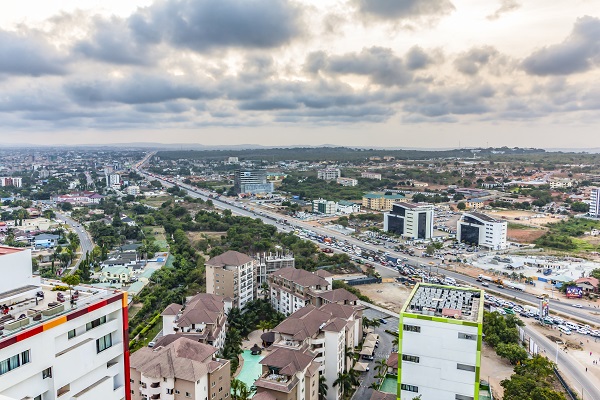
Accra is the capital and largest city of Ghana, with a population of 2.6 million. Its metro area is the 13th most populous in Africa. It was classed a "Gamma -" world city by the Globalization and World Cities Research Network in 2020.
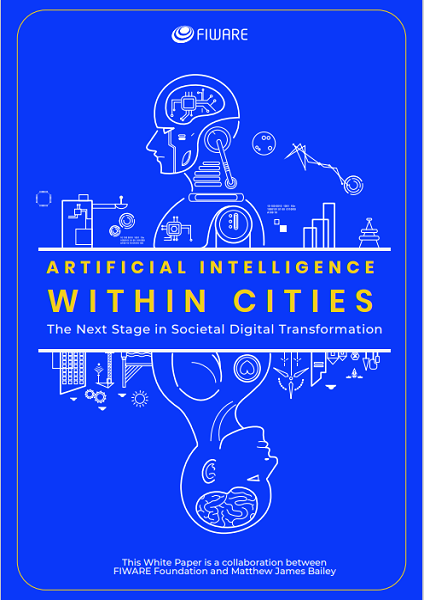
In collaboration with Matthew James Bailey (leading authority, pioneer, and consultant in innovation, AI and AI Ethics, Smart Cities, IoT, and a renowned author), this brand new white paper focusses on the role played by artificial intelligence (AI) in shaping the future experience of Smart Cities.
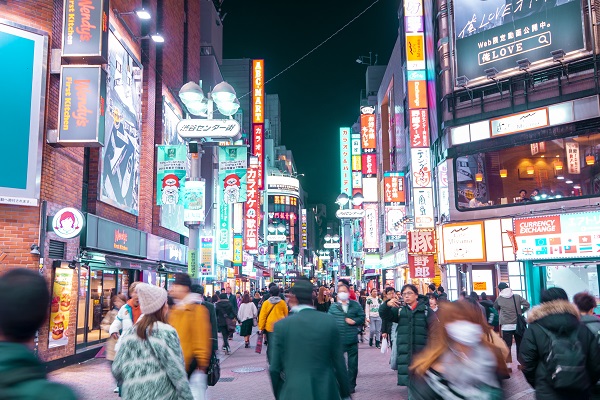
Japan’s busy capital, Tokyo, once known as a fishing village by the name of Edo, has an interesting mix between the ultramodern and the traditional mix of architecture. Tokyo Metropolis is located at the head of Tokyo Bay and forms part of the Kanto Region on the central Pacific coast of Japan’s main island of Honshu. Known as the main political centre of the country, the greater Tokyo area is the most populous metropolitan area in the world with more than 37 million residents.